If you want to catch more fish, knowing where to put weights on your fishing line can make all the difference. You might think it’s just about adding a weight and casting out, but the placement changes how your bait moves, how deep it sinks, and even how natural it looks underwater.
Getting this right helps you fish smarter, not harder. Keep reading to discover simple tips that will improve your fishing game and help you land bigger, better catches every time you cast.

Credit: mysterytacklebox.com
Choosing The Right Weights
Placing the correct weight on your fishing line helps your bait sink properly. It also improves casting distance and accuracy.
Selecting the right weight depends on many factors, including water conditions and fish type. Knowing your options will help you choose wisely.
Types Of Fishing Weights
Fishing weights come in different shapes and sizes. Each type suits a specific fishing need or water condition.
- Split Shot:Small and round, easy to attach anywhere on the line.
- Egg Sinkers:Oval-shaped with a hole through the center, allowing free movement.
- Bank Sinkers:Teardrop-shaped, good for strong currents and rough bottoms.
- Pyramid Sinkers:Pointed shape that digs into sandy bottoms to stay put.
- Bullet Weights:Streamlined shape for fishing in heavy cover without snagging.
Factors Influencing Weight Selection
Choosing the right weight depends on several key factors. These affect how well your bait reaches the desired depth and stays in place.
| Factor | Description |
| Water Depth | Heavier weights sink faster in deep water. |
| Current Strength | Strong currents need heavier weights to hold the bait steady. |
| Bait Type | Light baits need lighter weights to avoid sinking too fast. |
| Casting Distance | Heavier weights help cast farther in open water. |
| Fishing Environment | Rocky or weedy areas need specific weights to prevent snags. |

Credit: windrider.com
Optimal Placement On The Line
Fishing with weights helps your bait reach the right depth. Proper placement is key to successful fishing. We’ll explore different setups for optimal results.
Whether using sliding or fixed weights, understanding their placement can greatly affect your catch rate. Let’s dive into each method.
Sliding Weights Setup
Sliding weights offer flexibility. They allow your bait to move naturally in the water. This setup is great for active fish.
- Use a slip sinker above a swivel.
- Attach a leader line to the swivel.
- Place the bait at the end of the leader.
Fixed Weights Setup
Fixed weights stay in one place on the line. This setup is useful for keeping bait steady in current.
To set up:
- Choose a split shot or egg sinker.
- Pinch it onto the line at the desired distance.
- Ensure it holds the position firmly.
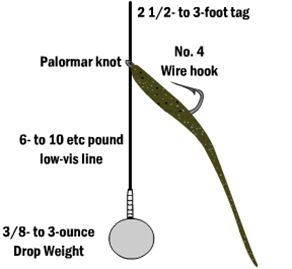
Drop Shot Rig Placement
The drop shot rig is versatile. It keeps the bait off the bottom, ideal for targeting suspended fish.
| Component | Placement |
| Hook | 1–2 feet above weight |
| Weight | End of the line |
Adjusting Weights For Different Conditions
Adding weights to your fishing line helps control the bait’s depth and movement. Different water conditions need different weight setups.
Knowing where to place weights lets you fish better in currents, cast farther, and reach the right depth.
Fishing In Currents
Currents push your bait, so you need weights to keep it steady. Place the weight closer to the hook for more control.
Heavier weights help in strong currents. They stop the bait from drifting too fast and keep it near the fish.
- Use heavier weights in fast currents
- Place weights closer to the bait for better control
- Adjust weight size based on current strength
Casting Distance Considerations
Weights affect how far you can cast. Heavier weights help your bait fly farther through the air.
Place the weight where it balances the line for smooth casting. Too much weight near the hook can tangle the line.
- Use heavier weights for longer casts
- Place weights evenly to avoid tangles
- Adjust weight size for the rod and reel
Depth And Bottom Type
Weight placement controls how deep your bait goes. Put the weight farther from the hook for deeper fishing.
Soft bottoms need heavier weights to stay in place. Rocky bottoms may require lighter weights to avoid snags.
- Place weight farther from hook to reach deep water
- Use heavier weights on soft, muddy bottoms
- Choose lighter weights for rocky or snaggy areas

Credit: saltyscales.com
Common Mistakes To Avoid
Putting weights on your fishing line needs care and attention. Mistakes can hurt your fishing success.
This guide points out common errors to help you improve your fishing technique.
Overweighting The Line
Using weights that are too heavy can damage your fishing line. It can also scare away fish.
- Heavier weights reduce casting distance.
- Too much weight causes line breakage.
- It can sink your bait too fast.
- Fish may avoid heavy, unnatural movements.
Incorrect Weight Positioning
Placing weights in the wrong spot affects bait movement and bite detection. It can spoil your catch chances.
| Position | Effect |
| Too close to the hook | Bait movement is restricted, looks unnatural |
| Too far from the hook | Less control, delayed bite detection |
| Evenly spaced weights | Better bait action and sensitivity |
Ignoring Line Sensitivity
Ignoring line sensitivity can cause missed bites. Weights affect how you feel the fish tugging.
- Heavy weights reduce sensitivity.
- Light weights help detect small bites.
- Adjust weight based on fishing conditions.
- Use sensitive lines with proper weighting.
Tips From Expert Anglers
Knowing where to put weights on your fishing line is key to catching more fish. Experts share simple tips to help you use weights correctly.
Proper weight placement changes how your bait moves and sinks. It also helps control your lure’s action and balance the setup.
Seasonal Weight Adjustments
Fish behavior changes with seasons, so adjust your weights to match. Use lighter weights in spring and summer for slow sinking.
Heavier weights work well in fall and winter. They help your bait reach deeper water where fish often stay in cold months.
- Spring/Summer: Use light weights for gentle bait movement
- Fall/Winter: Use heavier weights to reach deep water fast
- Adjust weight size based on water current and depth
Using Weights To Control Lure Action
Placing weights changes how your lure moves in water. Putting weight close to the lure makes it sink fast and act naturally.
Moving weights up the line slows sinking and creates a different lure action. This can attract fish that prefer slow bait.
- Weight near lure: fast sinking, natural action
- Weight higher on line: slow sinking, subtle lure movement
- Use split shot or sliding weights for varied actions
Balancing Weight And Bait
Balance your weight with the bait size and type. Too much weight can make the bait sink too fast or look unnatural.
Too little weight may not reach the right depth or drift with the current. Adjust weight to keep bait in the strike zone.
- Match weight size to bait weight and shape
- Check how the bait moves with your weight setup
- Change weights to keep bait where fish are feeding
Frequently Asked Questions
Where Should I Place Weights On My Fishing Line?
Place weights 6 to 12 inches above the hook to improve casting and control depth. Adjust placement based on fish species and water conditions for optimal results.
Why Is The Weight Position Important On Fishing Line?
Weight position controls lure depth and casting distance. Proper placement helps avoid tangles and improves bait presentation to attract more fish.
How Does Weight Affect Fishing Line Sensitivity?
Weights reduce line sensitivity by dampening vibrations. Position weights closer to the hook for better bite detection and increased sensitivity while fishing.
Can Weight Placement Change Fishing Line Casting Distance?
Yes, placing weights correctly enhances casting distance. Position weights near the reel or above the hook to achieve longer and more accurate casts.
Conclusion
Placing weights on your fishing line helps control the depth of your bait. Usually, weights go a few inches above the hook to avoid scaring fish. The right spot lets your bait move naturally in the water. Remember, different fish and water conditions need different weight placements.
Experiment a little to find what works best. This simple tip can improve your fishing success and make your time on the water more fun. Keep practicing, and you will catch more fish.