
When you’re delving into the mechanics of your vehicle, understanding where the brake booster vacuum line goes can feel like piecing together a complex puzzle. This small yet critical component plays a massive role in your car’s ability to stop safely.
If you’re curious about how your brake system functions or if you’re troubleshooting a brake issue, knowing the ins and outs of the brake booster vacuum line is essential. This guide is designed to demystify the process for you, providing clear, straightforward answers that empower you with the knowledge to keep your vehicle in top shape.
Ready to unlock the secrets of your brake system? Read on, and you’ll discover just how vital this little line truly is to your driving experience.

Credit: www.youtube.com
Brake Booster Basics
The brake booster is a key part of a car’s braking system. It helps drivers apply the brakes with less effort. Understanding the brake booster basics helps in knowing where the vacuum line connects. This knowledge can assist in troubleshooting and maintaining your vehicle’s brakes.
Role Of Brake Booster
The brake booster uses vacuum pressure to increase force on the brake pedal. This makes braking easier and safer. Without it, pressing the brake pedal would require much more strength. It works quietly and efficiently to improve driving comfort. It also helps reduce wear on other brake components by spreading the force evenly.
Types Of Brake Boosters
Brake boosters come in several types. The most common type is the vacuum brake booster. It uses engine vacuum to create pressure. Some modern cars use hydraulic brake boosters. These use brake fluid pressure instead of vacuum. Electronic brake boosters are also available on newer models. They use electric motors to assist braking. Each type has its own advantages depending on the vehicle design.
Vacuum Line Purpose
The vacuum line in your brake system plays a crucial role that often goes unnoticed. Its main purpose is to connect the brake booster to the engine’s intake manifold, enabling the booster to use engine vacuum to help you brake with less effort. Understanding this line’s function helps you appreciate how your vehicle maintains safe stopping power.
How Vacuum Assists Braking
When you press the brake pedal, the brake booster uses the vacuum to multiply your force. This means you don’t have to push hard to slow down or stop your vehicle. The vacuum line channels the engine’s vacuum pressure into the booster, making the braking process smoother and safer.
Without this vacuum assistance, braking would feel heavy and require much more effort. Have you ever noticed how a car with a failing vacuum line suddenly demands a lot more pedal pressure? That’s the vacuum line’s job failing to support the booster properly.
Common Vacuum Line Materials
Vacuum lines are usually made from materials that can withstand heat and pressure changes. Most commonly, you’ll find:
- Rubber:Flexible and easy to install but can crack or harden over time.
- Silicone:More durable and resistant to heat, often used in performance vehicles.
- Plastic:Less common, usually found in specific models or aftermarket parts.
Choosing the right material affects the vacuum line’s lifespan and reliability. Have you checked your vacuum line’s condition recently? A brittle or cracked line can lead to poor braking performance and should be replaced immediately.
Connecting The Vacuum Line
Connecting the vacuum line to the brake booster is a crucial step for ensuring your vehicle’s braking system works smoothly. This connection allows the booster to use engine vacuum to amplify your brake pedal force, making stopping easier and safer. Understanding where and how to connect this line can save you time and avoid common mistakes.
Vacuum Source Options
The vacuum line typically connects to a vacuum source on your engine. Common sources include the intake manifold or a dedicated vacuum port on the throttle body.
The intake manifold provides a strong and consistent vacuum, especially when the engine is running at low RPMs. However, some engines use a vacuum pump instead, so it’s important to identify which your vehicle uses before connecting.
Have you checked your vehicle’s manual or under the hood to see where the vacuum line should attach? Using the wrong source can lead to weak brake assist or engine performance issues.
Routing The Vacuum Line
After identifying the vacuum source, the next step is routing the line carefully to avoid kinks or damage. The line should run smoothly from the vacuum source to the brake booster without sharp bends.
Keep the line away from hot engine parts like exhaust manifolds to prevent melting or cracking. Also, avoid routing near moving components such as belts or pulleys that could wear through the hose.
Think about how your vehicle’s layout affects the vacuum line path—have you noticed if the line crosses areas prone to dirt or water? Protecting the line extends its life and maintains brake performance.
Securing The Connection
Once the vacuum line is routed properly, securing the connection is key to prevent leaks or disconnections. Use hose clamps or spring clips designed for vacuum hoses to ensure a tight fit on both ends.
Double-check that the hose fits snugly over the vacuum port and the brake booster nipple. If the connection feels loose, you might need a replacement hose with the correct diameter or an additional clamp.
When was the last time you inspected your vacuum line for cracks or loose fittings? Regular checks help avoid unexpected brake issues and keep your driving safe.
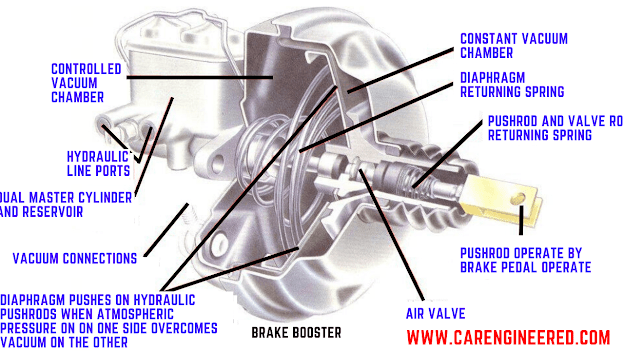
Credit: carengineered.medium.com
Troubleshooting Vacuum Line Issues
Troubleshooting issues with the brake booster vacuum line is important for safe driving. Problems with this line can cause poor brake performance. Identifying and fixing these issues quickly keeps your brake system working well.
Signs Of Vacuum Line Failure
- Hard brake pedal that needs more effort
- Hissing sound near the brake pedal area
- Engine running rough or stalling at idle
- Brake warning light on the dashboard
- Longer stopping distances than usual
Testing Vacuum Line Integrity
Check the vacuum line for cracks, holes, or loose connections. Use a vacuum gauge to measure pressure in the line. The reading should be steady and match vehicle specifications. Listen for hissing sounds that show air leaks. Inspect the hose for softness or brittleness, signs of aging.
Fixing Leaks And Blockages
Replace damaged or cracked vacuum hoses immediately. Clean any dirt or debris blocking the line. Use proper clamps to secure hose connections tightly. Avoid sharp bends that could pinch the hose. Regularly inspect the vacuum line as part of vehicle maintenance.
Maintenance Tips
Maintaining the brake booster vacuum line is vital for safe braking and smooth vehicle performance. Regular care helps avoid brake issues and costly repairs. Simple checks and timely replacements keep the system reliable and responsive.
Regular Inspection Points
- Check the vacuum line for cracks or splits.
- Look for signs of wear or brittleness.
- Ensure all connections are tight and secure.
- Listen for hissing sounds indicating leaks.
- Inspect clamps and fittings for rust or damage.
Replacing The Vacuum Line
Use a high-quality replacement hose matching your vehicle’s specifications. Detach the old line carefully to avoid damage. Install the new line firmly, ensuring no leaks. Test the brake system after replacement for proper function.
Preventive Care
- Keep the engine bay clean to reduce dirt buildup.
- Avoid exposure to harsh chemicals near the vacuum line.
- Schedule periodic brake system checks with a mechanic.
- Replace vacuum lines proactively before visible damage appears.
Upgrades And Modifications
Upgrading or modifying the brake booster vacuum line can enhance your vehicle’s braking system. These changes often improve brake feel and responsiveness. Some upgrades focus on compatibility, while others boost the vacuum line’s efficiency. Understanding these options helps you make smart choices for your car.
Aftermarket Booster Compatibility
Not all aftermarket brake boosters fit the original vacuum line setup. Some require adapters or new vacuum hoses. Check the booster’s specifications before installation. Matching the booster with the vacuum line size prevents leaks and poor performance. Using the correct fittings ensures proper brake assist and safety.
Improving Vacuum Line Performance
Upgrading to a thicker or heat-resistant vacuum line can prevent vacuum loss. Silicone vacuum hoses often last longer than rubber ones. Avoid sharp bends or tight curves in the line. Secure all connections tightly to stop air leaks. A well-maintained vacuum line helps maintain strong brake booster function.
Credit: www.ramforumz.com
Frequently Asked Questions
Where Does The Brake Booster Vacuum Line Connect?
The brake booster vacuum line connects from the engine’s intake manifold to the brake booster. This connection supplies vacuum pressure essential for power-assisted braking. Proper connection ensures effective brake pedal feel and safety while driving.
Can The Brake Booster Vacuum Line Connect To The Carburetor?
Yes, in older vehicles, the vacuum line connects to the carburetor. It draws vacuum pressure to assist the brake booster. Modern cars typically use the intake manifold instead for a more consistent vacuum source.
What Happens If The Brake Booster Vacuum Line Is Disconnected?
If disconnected, the brake booster won’t get vacuum pressure. This results in a hard brake pedal and reduced braking efficiency. It’s unsafe to drive without a properly connected vacuum line.
How To Check If The Brake Booster Vacuum Line Is Working?
Listen for hissing sounds near the brake booster while the engine runs. Inspect the line for cracks or leaks. Use a vacuum gauge to ensure proper vacuum pressure in the line.
Conclusion
The brake booster vacuum line connects the engine to the brake booster. It helps make braking easier and safer. Without this line, your brakes may feel hard or less responsive. Check the line for cracks or leaks often. Fix any problems quickly to keep your brakes working well.
Knowing where the vacuum line goes helps you understand your car better. Keep your brake system in good shape for safer driving every day. Simple care can prevent bigger brake issues later.