Have you ever wondered where all the lint goes when you use your washer dryer combo? You might notice tiny fibers clinging to your clothes or wonder why your machine needs regular cleaning.
Understanding where lint ends up is key to keeping your appliance running smoothly and your laundry fresh. You’ll discover exactly what happens to lint in your washer dryer combo and learn simple tips to manage it effectively. Keep reading to protect your machine and improve your laundry routine!

Credit: www.youtube.com
Lint Formation In Washer Dryer Combos
Lint is a common byproduct when using washer dryer combos. It forms from tiny fibers that come off your clothes during washing and drying. Understanding where lint comes from helps keep your machine clean.
Lint buildup can reduce your combo’s efficiency. It may cause clogs or unpleasant odors. Knowing how lint forms can help you maintain your appliance better.
Sources Of Lint
Lint mainly comes from fabric fibers. Clothes made of cotton, wool, and other natural materials shed fibers during cleaning. These fibers loosen and collect as lint inside the machine.
- Old or worn clothes shed more fibers
- New clothes may release excess dye along with lint
- Towels and blankets produce large amounts of lint
- Synthetic fabrics usually shed less lint
Lint Generation During Wash And Dry Cycles
Lint forms at different stages of the wash and dry cycles. During washing, fibers loosen in water and fall off clothes. The dryer then collects these fibers as lint.
| Cycle Stage | Lint Formation |
| Wash | Fibers loosen and mix with water |
| Drain | Some lint exits through drain filters |
| Dry | Dryer collects loose fibers as lint |
| Lint Filter | Traps most lint before air exits |
Lint Collection Mechanisms
Lint builds up during washing and drying clothes. Washer dryer combos use special parts to catch lint. These parts help keep machines clean and working well.
Understanding where lint goes can help you keep your machine in good shape. Let’s explore how these lint collection systems work.
Lint Filters And Their Placement
Lint filters catch tiny fibers from clothes. In washer dryer combos, filters are placed in different spots. Some are easy to reach. Others are hidden inside the machine.
- Front or top of the drum for easy cleaning
- Inside the door frame to catch lint before it escapes
- Near the water drain to trap lint from washing
- In the dryer vent to collect lint before air exits
How Lint Traps Work In Combo Machines
Lint traps stop lint from going into pipes and vents. They hold lint until you clean them. This protects the machine and your home from blockages and fire risk.
| Component | Function |
| Lint Filter | Catches lint during wash and dry cycles |
| Lint Trap | Collects lint from airflow in drying |
| Drain Filter | Prevents lint from blocking water drain |
| Vent Filter | Stops lint from exiting through dryer vent |
Common Lint Disposal Paths
Lint is a common byproduct when washing and drying clothes. In a washer dryer combo, lint travels through different paths inside the machine. Knowing where lint goes helps keep the appliance clean and working well.
Lint can go into the drainage system, ventilation, or stay inside collection areas. Each path handles lint in a special way to prevent clogs and damage.
Drainage System
Some lint escapes with the water during washing. The washer drains this water through pipes connected to your home’s plumbing. Small lint particles flow out with the water and into the drain.
Large lint pieces can cause blockages if not filtered. Washer dryer combos usually have filters to catch lint before it reaches the drain pipes.
- Water carries lint to the drain
- Filters trap large lint pieces
- Regular cleaning prevents clogs
Ventilation And Exhaust
Drying clothes produces lint that must leave the machine. Washer dryer combos use vents to push warm air and lint outside. The exhaust system helps keep lint from building up inside.
Lint can collect in the vent hose or exhaust vent. Cleaning these areas regularly stops lint blockages and fire risks.
- Drying air carries lint out through vents
- Vent hoses can trap lint over time
- Exhaust vents need regular cleaning
Internal Collection Areas
Washer dryer combos have built-in lint traps or filters. These catch lint before it leaves the machine. Users must clean these filters after each use to keep the machine working well.
Lint also collects around the drum and door seals. Wiping these areas helps prevent lint build-up inside the appliance.
- Lint traps catch loose fibers
- Filters need frequent cleaning
- Lint can gather near drum and seals

Credit: www.youtube.com
Maintenance Tips To Manage Lint
Lint can build up inside a washer dryer combo if you do not clean it often. This can cause problems with your machine.
Regular maintenance helps your appliance work well and last longer. Here are some tips to manage lint in your washer dryer combo.
Cleaning Lint Filters Regularly
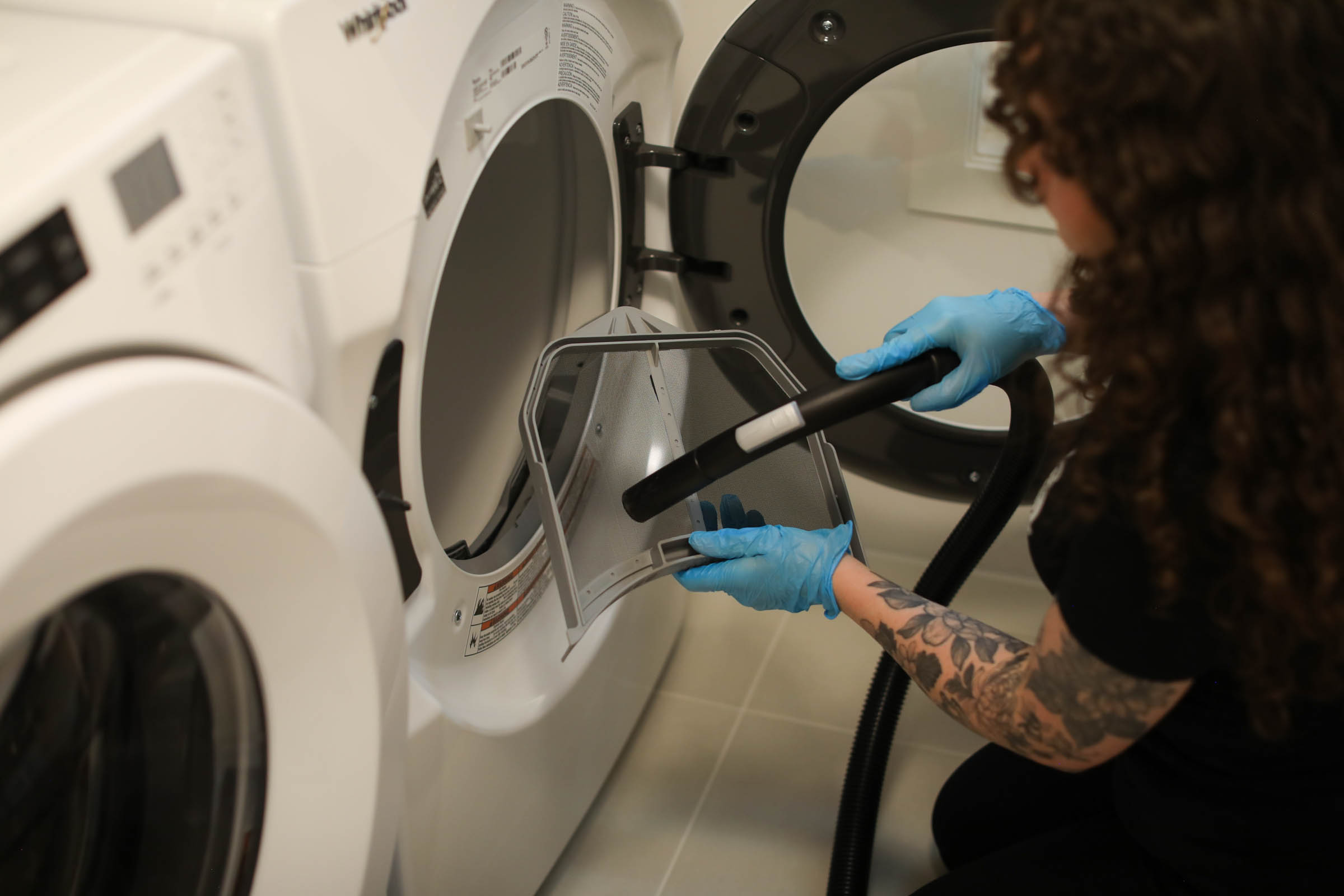
The lint filter catches lint from your clothes during drying. It should be cleaned after every load to stop buildup.
Remove the lint filter, clear off the lint, and rinse it if needed. Make sure it is dry before putting it back.
- Check the filter before and after drying
- Use a soft brush to remove stubborn lint
- Do not use water on dry lint filters unless allowed
Checking And Clearing Drains
Lint can clog the drain in a washer dryer combo. This causes water to drain slowly or stop.
Check the drain for blockages regularly. Remove any lint or debris to keep water flowing freely.
- Locate the drain pump filter on your machine
- Turn off power before cleaning the filter
- Clear any lint or dirt found inside
- Replace the filter securely after cleaning
Inspecting Vent Hoses
The vent hose carries hot air and lint out of the machine. It can get blocked or damaged over time.
Check the hose for lint build-up and cracks. Clean or replace the hose if you find any problems.
- Disconnect the vent hose from the machine
- Use a vacuum or brush to remove lint inside
- Look for holes or tears in the hose
- Replace the hose if it is damaged
- Reattach the hose tightly to the machine
Problems Caused By Lint Buildup
Lint buildup in a washer dryer combo can cause several problems. It affects how well your machine works. It also brings risks to your home and laundry.
Understanding these problems helps you keep your appliance safe and efficient. Regular cleaning is key to avoid these issues.
Reduced Efficiency
When lint collects inside the washer dryer combo, it blocks airflow and water flow. This makes the machine work harder. It uses more energy and takes longer to dry clothes.
Reduced efficiency leads to higher energy bills. Your clothes may stay damp after a full cycle. This can cause frustration and extra laundry time.
Clogged Drains And Hoses
Lint can build up in the drains and hoses of your washer dryer combo. This causes slow draining or water backup. It may lead to leaks or water damage inside your home.
- Water drains slowly or not at all
- Hoses become blocked and reduce water flow
- Leaks may form around the machine or floor
- Appliance may stop mid-cycle due to water issues
Potential Fire Hazards
Lint is highly flammable. When it builds up near heating parts, it can catch fire. This is one of the main causes of dryer fires in homes.
| Cause | Effect | Prevention |
|---|---|---|
| Lint buildup near heating element | Overheating and fire risk | Clean lint filter after every use |
| Blocked vents | Heat trapped inside machine | Check and clean vents regularly |
| Neglected lint traps | Fire starting material accumulates | Inspect and remove lint often |
Choosing Washer Dryer Combos With Efficient Lint Control
Washer dryer combos are convenient for saving space and time. But where does the lint go? Efficient lint control is vital to keep your machine running smoothly.
In this guide, discover features and brands that excel in managing lint effectively. Choose wisely to ensure your machine works optimally and lasts longer.
Features To Look For
When selecting a washer dryer combo, consider features that enhance lint control. These features help maintain your appliance and your clothes.
- Built-in lint traps: Capture lint during the wash cycle.
- Self-cleaning technology: Automatically removes lint buildup.
- Efficient water drainage: Prevents lint from settling inside.
Brands Known For Lint Management
Some brands specialize in lint management. They offer advanced technology to reduce lint issues. Here are a few brands noted for their lint control.
| Brand | Special Feature |
| Brand A | Automatic lint removal system |
| Brand B | Dual lint filter design |
| Brand C | High-efficiency drainage |
Credit: www.housework.com
Frequently Asked Questions
Where Does Lint Collect In A Washer Dryer Combo?
Lint in a washer dryer combo usually collects in the lint filter or trap. This filter captures fibers released during drying. Some models have a separate lint compartment. Regular cleaning of the lint trap ensures efficient drying and prevents blockages or fire hazards.
How Often Should I Clean Lint In A Washer Dryer?
You should clean the lint filter after every drying cycle. Frequent cleaning improves dryer efficiency and prevents overheating. Neglecting lint removal can cause lint buildup, reducing airflow and increasing fire risks. Regular maintenance helps keep your washer dryer combo running smoothly.
Can Lint Cause Damage To A Washer Dryer Combo?
Yes, lint buildup can clog vents and filters. This restricts airflow and causes overheating. Over time, it can damage the heating element or motor. Regular lint removal prevents mechanical issues and extends the appliance’s lifespan. Always follow manufacturer guidelines for lint care.
Does The Washer Part Produce Lint In Combo Machines?
Yes, the washer part can produce lint during washing. Loose fibers from clothes shed and accumulate in the washer’s lint filter or drain pump filter. Proper cleaning of these filters helps avoid blockages and maintains washing performance.
Conclusion
Lint in a washer dryer combo collects in a small filter or trap. Cleaning this filter helps the machine work well and keeps clothes fresh. Always check the lint trap after each use to avoid build-up. This simple step prevents clogs and keeps your appliance safe.
Remember, a clean lint filter means better drying and longer machine life. Take a moment to clean it regularly. It’s easy and keeps your laundry routine smooth and worry-free.