Have you ever wondered how plants feed themselves without a mouth or stomach? You see them standing tall and green, but where exactly does a plant make its food?
Understanding this simple yet fascinating process can change the way you look at nature and even help you grow healthier plants at home. Keep reading, and you’ll discover the amazing secret behind how plants create their own food right inside their leaves.
This knowledge will not only satisfy your curiosity but also give you a new appreciation for the green world around you.
Photosynthesis Basics
Plants make food through a process called photosynthesis. This process happens mainly in the leaves. It helps plants turn sunlight into energy.
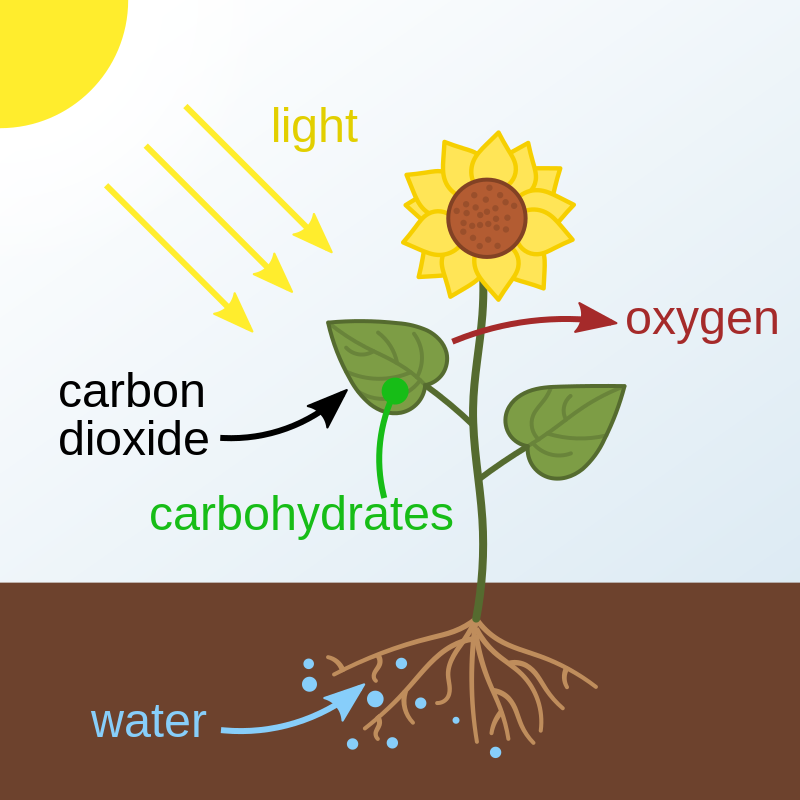
Photosynthesis uses three main things: chlorophyll, sunlight, and carbon dioxide with water. These parts work together to create food for the plant.
Role Of Chlorophyll
Chlorophyll is the green pigment in plant leaves. It captures sunlight and starts the food-making process. Without chlorophyll, plants cannot make food.
- Absorbs sunlight energy
- Gives leaves their green color
- Helps convert light into chemical energy
Sunlight As Energy Source
Sunlight is the main source of energy for photosynthesis. Plants absorb light mainly from the sun’s rays. This energy powers the whole food-making process.
| Light Type | Use in Photosynthesis |
| Visible Light | Absorbed by chlorophyll |
| Ultraviolet Light | Not used by plants |
| Infrared Light | Mostly lost as heat |
Carbon Dioxide And Water
Plants take in carbon dioxide from the air and water from the soil. These two are raw materials for making food. The plant turns them into sugars and oxygen.
Here is a simple breakdown of what happens:
- Carbon dioxide enters through tiny holes in leaves.
- Water moves up from roots to leaves.
- Sunlight energy splits water molecules.
- Carbon dioxide and hydrogen combine to form sugar.
- Oxygen is released into the air.

Credit: karstennursery.com
Leaves As Food Factories
Leaves are the main parts of plants that make food. They act like small factories where food is made using sunlight.
Plants use leaves to turn sunlight, water, and air into food through a process called photosynthesis.
Structure Of A Leaf
A leaf has many parts that help it make food. The flat shape helps catch sunlight. The outer layer protects the leaf.
Inside, there are layers where cells hold tiny parts called chloroplasts. These parts help make food for the plant.
- Cuticle: a waxy layer that stops water loss
- Epidermis: outer skin of the leaf
- Mesophyll: middle layer with many cells for photosynthesis
- Veins: carry water and food throughout the plant
Stomata And Gas Exchange
Stomata are tiny openings on the leaf surface. They open and close to let gases in and out.
Leaves take in carbon dioxide through stomata. They release oxygen as a waste gas. This exchange is important for photosynthesis.
- Carbon dioxide enters the leaf
- Oxygen leaves the leaf
- Water vapor can escape through stomata
Chloroplasts And Food Production
Chloroplasts are small parts inside leaf cells. They contain chlorophyll, which gives leaves their green color.
Chlorophyll captures sunlight energy. This energy helps change carbon dioxide and water into glucose, a type of sugar that plants use as food.
- Sunlight is absorbed by chlorophyll
- Water is taken from the roots
- Carbon dioxide enters through stomata
- Glucose is made for energy
- Oxygen is released as a byproduct
Transporting Food Within Plants
Plants make food in their leaves using sunlight. This process is known as photosynthesis. Once the food is made, it needs to be transported to different parts of the plant for growth and storage.
The transportation of food within plants is primarily managed by a special tissue known as phloem. Phloem plays a vital role in distributing nutrients throughout the plant.
Phloem Function
Phloem is a complex tissue in vascular plants. It transports the sugars and nutrients produced during photosynthesis. These elements are moved from the leaves to other parts of the plant.
- Phloem transports food in the form of sucrose.
- It works alongside xylem, which transports water.
- Phloem cells are alive and require energy to function.
Distribution To Roots And Stems
Once food is produced in the leaves, it must reach the roots and stems. This is crucial for plant growth and energy storage. The movement of food is an energy-demanding process.
| Plant Part | Function |
| Roots | Store energy for later use |
| Stems | Support plant structure and transport nutrients |
| Leaves | Produce food through photosynthesis |

Credit: askabiologist.asu.edu
Factors Affecting Food Production
Plants make food through photosynthesis. This process needs certain conditions to work well. Different factors affect how much food a plant can produce.
Understanding these factors helps us know why plants grow better in some places. It also explains why food production changes with the environment.
Light Intensity
Light is energy for plants. Higher light intensity helps plants make more food. Low light slows down photosynthesis.
Too much light can harm plants by causing heat stress. Plants need the right amount of light for the best food production.
- Bright light increases food production
- Dim light lowers photosynthesis
- Extreme light may damage leaves
Water Availability
Water is essential for photosynthesis. Without enough water, plants cannot make food properly. Water also helps move nutrients inside the plant.
When soil is dry, plants close tiny pores to save water. This reduces carbon dioxide intake and slows food production.
- Plenty of water supports good growth
- Water shortage reduces photosynthesis
- Too much water can cause root problems
Carbon Dioxide Levels
Plants use carbon dioxide to make food. Higher carbon dioxide levels usually increase photosynthesis. Low carbon dioxide limits food production.
Carbon dioxide enters leaves through small openings. If these openings close, less carbon dioxide can enter, reducing food making.
- More carbon dioxide boosts photosynthesis
- Low carbon dioxide slows food production
- Plants balance gas exchange to save water
Temperature Effects
Temperature affects the speed of chemical reactions in plants. Moderate temperatures help plants make food fast. Extreme heat or cold slows down photosynthesis.
High temperatures can damage plant cells. Low temperatures reduce enzyme activity needed for food production.
- Optimal temperature improves food production
- Heat stress can harm plants
- Cold slows down photosynthesis enzymes
Importance Of Plant Food
Plants make their own food through a process called photosynthesis. They use sunlight, water, and carbon dioxide to create energy. This food is very important for the plant and the environment.
The food plants make helps them grow strong and healthy. It also supports many living things on Earth. Understanding this helps us see why plants matter so much.
Energy For Growth
Plant food provides energy for growth and repair. Without this energy, plants cannot build new leaves, stems, or roots. Food lets plants stay alive and grow bigger over time.
This energy also helps plants make flowers and fruits. These parts are important for reproduction. Healthy plants produce more seeds and spread easily.
Oxygen Release
Plants release oxygen as they make food. Oxygen is a gas that all animals and humans need to breathe. This process helps keep the air clean and fresh.
The oxygen released by plants supports life on Earth. It balances the gases in the atmosphere. Without plants, oxygen levels would drop and many creatures would suffer.
Impact On Ecosystems
Plant food supports many parts of ecosystems. Plants are the base of most food chains. They provide food and shelter to animals and insects.
- Plants give energy to herbivores that eat them
- Animals eat herbivores, moving energy through the chain
- Plants help keep soil healthy and water clean

Credit: sizzlekidz.com
Frequently Asked Questions
Where Does A Plant Make Its Food?
Plants make food in their leaves. Chlorophyll in leaves captures sunlight. This energy helps convert carbon dioxide and water into glucose through photosynthesis.
How Do Leaves Produce Food For Plants?
Leaves use sunlight, water, and carbon dioxide to make food. Chloroplasts inside leaves convert these into glucose and oxygen, fueling plant growth.
What Role Does Chlorophyll Play In Food Production?
Chlorophyll absorbs sunlight in leaves. It drives photosynthesis, transforming light energy into chemical energy, which creates food for the plant.
Can Roots Make Food Like Leaves?
No, roots do not make food. Roots absorb water and nutrients, supporting the plant. Food production occurs mainly in the leaves.
Conclusion
Plants make their food in the leaves through a process called photosynthesis. They use sunlight, water, and air to create energy. This food helps the plant grow and stay healthy. Without leaves, plants cannot make food or survive. Understanding this helps us appreciate how important plants are for life on Earth.
Next time you see a green leaf, remember it is a tiny food factory at work. Simple, yet amazing!