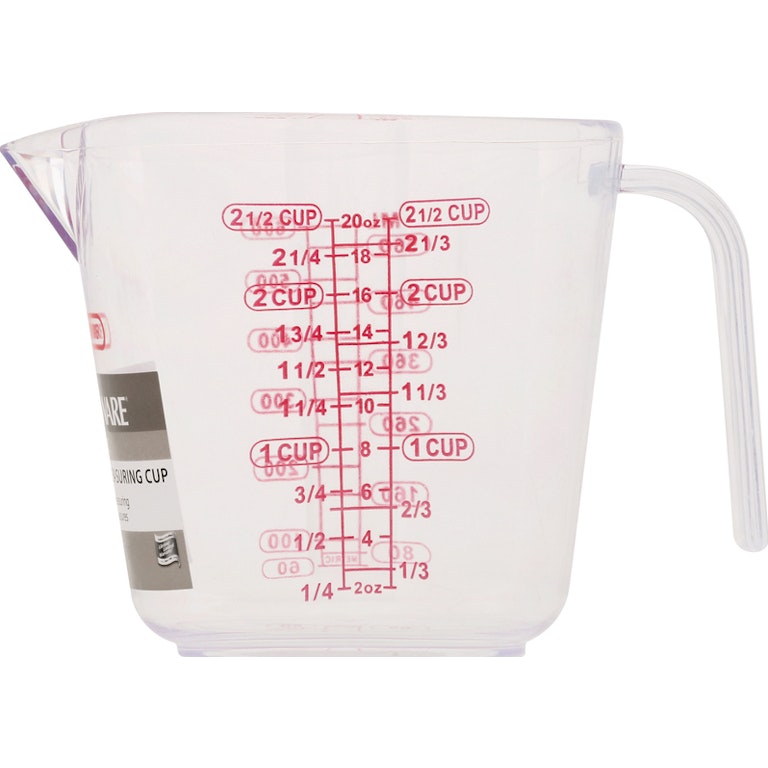
Have you ever stared at your measuring cup, wondering exactly where the 1/3 cup mark is? You’re not alone.
Finding the right measurement quickly can save you time and prevent cooking mistakes. If you want to make your baking and cooking smoother, knowing how to spot 1/3 cup on your measuring cup is a simple skill that makes a big difference.
Keep reading, and you’ll never have to guess again.

Credit: www.amazon.ca
Locating 1/3 Cup Mark
Knowing where the 1/3 cup mark is can help you measure ingredients accurately. Measuring cups come in different types and sizes. Finding the right mark depends on the cup you use.
This guide will explain how to find the 1/3 cup mark on common measuring cups.
Standard Measuring Cups
Standard measuring cups usually come in sets with different sizes. Each cup has marks for common measurements like 1/4, 1/3, 1/2, and 1 cup. The 1/3 cup mark is often labeled clearly.
- Look for the cup labeled “1/3 cup”.
- Some sets show the 1/3 mark on a 1-cup measuring cup.
- The 1/3 cup is about 5 tablespoons plus 1 teaspoon.
Liquid Vs Dry Measuring Cups
Liquid measuring cups are usually clear and made of glass or plastic. They have a spout for pouring. Dry measuring cups are solid and come in nested sets. Each type shows measurement marks differently.
| Type | Material | Measurement Marks | Use |
| Liquid | Glass or plastic | Lines on the side | Milk, water, oil |
| Dry | Metal or plastic | Numbers on each cup | Flour, sugar, grains |
Common Markings On Cups
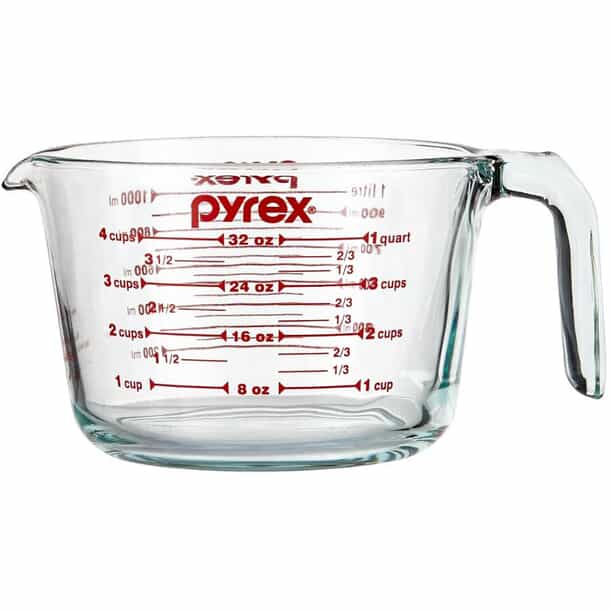
Most measuring cups have standard markings. These marks help you measure common amounts easily. The 1/3 cup mark is usually between 1/4 and 1/2 cup.
- 1/4 cup mark is smaller than 1/3 cup.
- 1/3 cup is about 80 milliliters.
- Look for the mark labeled “1/3” or a line between 1/4 and 1/2.
- Some cups show both cups and milliliters.
Tips For Accurate Measurement
Measuring ingredients correctly helps your recipe turn out right. Using the right tools and methods is important.
This guide shows simple tips for finding 1/3 cup on a measuring cup with accuracy.
Leveling Techniques
After filling your measuring cup, level it off to get the exact amount. Use a flat edge like a knife or spatula.
- Fill the cup slightly over the 1/3 cup mark.
- Hold a straight edge across the top.
- Gently scrape off the extra ingredient.
- Check the surface is even and flat.
Using A Spoon For Precision
Spoon ingredients into the measuring cup instead of scooping. This avoids packing and gives a more exact measure.
| Action | Reason |
| Spoon ingredient gently | Prevents packing and clumps |
| Fill to 1/3 cup line | Ensures correct volume |
| Level with flat edge | Removes excess for accuracy |
Avoiding Common Mistakes
Many people make errors that affect measurement. Watch for these to improve your results.
- Scooping directly with the cup, which packs the ingredient.
- Not leveling off the ingredient after filling.
- Using a dry measuring cup for liquids or vice versa.
- Measuring on uneven surfaces or in poor light.
Alternatives When 1/3 Cup Is Missing
Sometimes your measuring cup set may not have a 1/3 cup size. You can still measure 1/3 cup using other tools or combinations. This guide shows easy ways to measure 1/3 cup without the exact cup.
These alternatives help keep your cooking or baking on track. Use what you have in your kitchen to get the right amount.
Using Tablespoons
You can use tablespoons to measure 1/3 cup. There are 16 tablespoons in one cup. So, 1/3 cup equals about 5 tablespoons plus 1 teaspoon.
- 5 tablespoons = 15 tablespoons teaspoons
- 1 teaspoon = 1/3 of a tablespoon
- Total: 5 tablespoons + 1 teaspoon = 1/3 cup
Combining Other Measurements
You can mix smaller measuring cups to reach 1/3 cup. For example, two 1/4 cups are 1/2 cup, so use less than that.
- Use 1/4 cup + 1 tablespoon (1/4 cup = 4 tablespoons)
- Or use 1/2 cup minus 1 tablespoon
- Combine smaller sizes to get close to 1/3 cup
Digital Kitchen Scales
Digital kitchen scales measure by weight, not volume. Use grams or ounces to get 1/3 cup weight for your ingredient.
Check the ingredient’s weight per cup, then divide by three. This method works best for baking ingredients like flour or sugar.
| Ingredient | 1 Cup Weight (grams) | 1/3 Cup Weight (grams) |
| Flour | 120 g | 40 g |
| Sugar | 200 g | 67 g |
| Butter | 227 g | 76 g |

Credit: rhondasues.com
Why Accuracy Matters
Measuring 1/3 cup correctly is important in baking. Using the right amount keeps your recipe balanced.
Small changes in measurements can change the final baked good. Accurate measuring helps you get the best results.
Impact On Baking Results
Using too much or too little of an ingredient can ruin texture and taste. For example, too much flour makes cakes dry.
Measuring 1/3 cup exactly ensures your baked goods rise and cook evenly. It helps keep the right balance of ingredients.
Consistency In Recipes
When you measure the same way each time, your recipe turns out the same every time. This is key for good baking.
Using the correct 1/3 cup mark helps keep flavors and textures consistent. This builds trust in your baking skills.
Adjusting For Ingredient Variations
Different brands and types of ingredients can have different densities. Measuring 1/3 cup properly helps adjust for these changes.
For example, brown sugar packs differently than white sugar. Accurate measuring helps you change amounts without guesswork.
- Flour can be sifted or packed
- Sugars vary in moisture content
- Liquids need level measuring cups
- Use correct cup size and fill to the line
Credit: www.homehardware.ca
Frequently Asked Questions
How Do You Measure 1/3 Cup Accurately?
To measure 1/3 cup accurately, use a standard measuring cup marked with fractions. Fill the cup to the 1/3 mark. Ensure the surface is level for precision. Alternatively, use a kitchen scale for exact measurements. This ensures consistency in recipes, especially in baking.
Is 1/3 Cup Marked On All Measuring Cups?
Not all measuring cups have a 1/3 mark. Some sets offer basic measurements like 1/4, 1/2, and 1 cup. For precise needs, consider purchasing a set with more increments. Alternatively, you can measure 5 tablespoons plus 1 teaspoon as an equivalent.
Can I Use Tablespoons To Measure 1/3 Cup?
Yes, you can use tablespoons to measure 1/3 cup. One-third cup is equivalent to 5 tablespoons plus 1 teaspoon. This method is useful when you lack a measuring cup with a 1/3 mark. Ensure the tablespoons are level for accuracy.
What Is The Ml Equivalent Of 1/3 Cup?
The milliliter equivalent of 1/3 cup is approximately 79 milliliters. This conversion is useful for recipes that require metric measurements. Always ensure you use a reliable conversion chart for accuracy. Measuring cups with both metric and imperial units can be helpful.
Conclusion
Finding 1/3 cup on a measuring cup is simple. Most cups have clear lines marking this amount. Sometimes, you may need to use smaller measurements like tablespoons. Knowing how to measure 1/3 cup helps in cooking and baking. It saves time and avoids mistakes.
Always check your measuring tools before starting. This small step improves your recipe’s success. Keep practicing, and you will get better at it. Measuring right makes food taste better and cooking more fun.