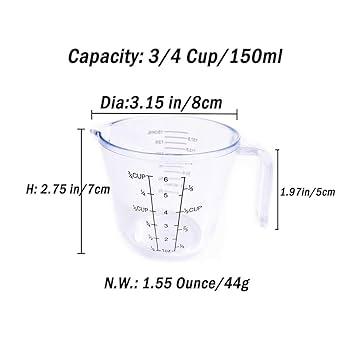
Have you ever found yourself staring at a measuring cup, unsure where to find the 3/4 mark? It’s a small detail, but it can make a big difference in your cooking or baking.
Knowing exactly where 3/4 is on your measuring cup saves you time, prevents mistakes, and helps your recipes turn out just right every time. Keep reading, and you’ll never second-guess that important measurement again.
Finding 3/4 On Measuring Cups
Measuring 3/4 cup can be tricky if you do not know where to look. It is important to find the correct mark to get accurate measurements for your recipes.
This guide will help you find the 3/4 measurement on common measuring cups and give tips for reading them correctly.
Standard Measuring Cup Markings
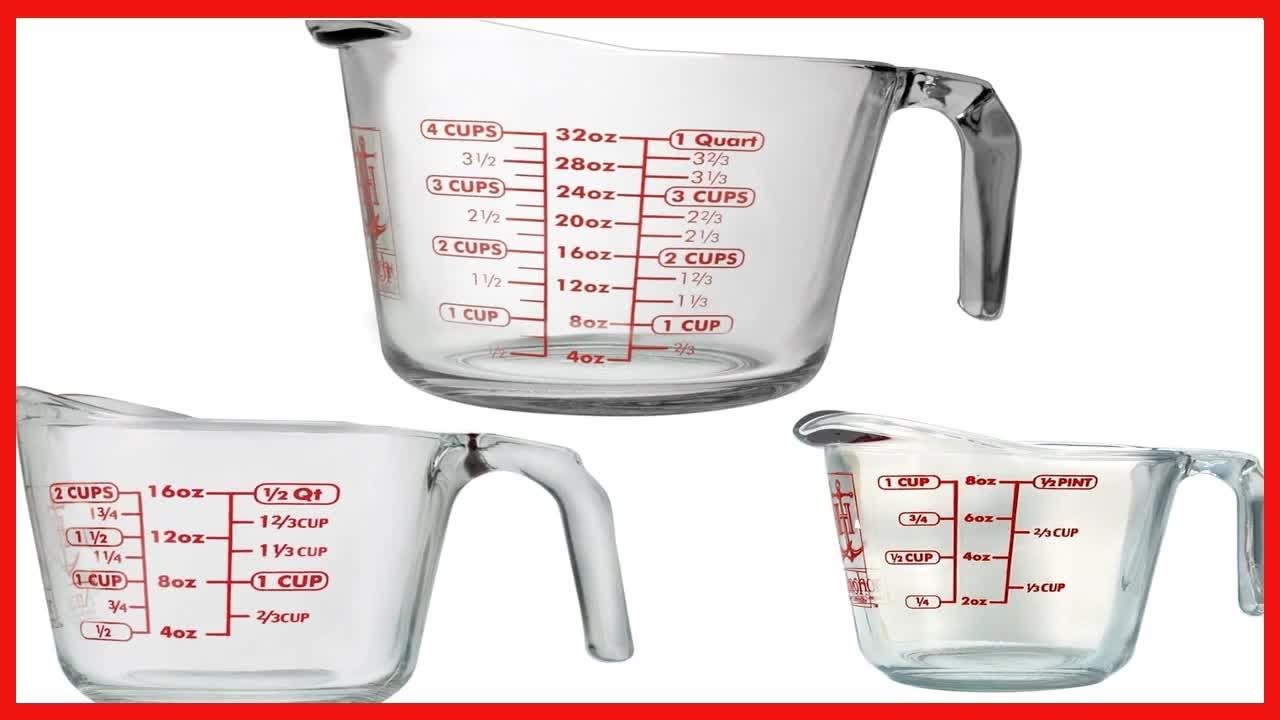
Most measuring cups have clear markings for common measurements. These include 1/4, 1/3, 1/2, 2/3, 3/4, and full cups.
| Marking | Fraction | Decimal |
| 1/4 | Quarter cup | 0.25 cup |
| 1/3 | One third cup | 0.33 cup |
| 1/2 | Half cup | 0.50 cup |
| 2/3 | Two thirds cup | 0.67 cup |
| 3/4 | Three quarters cup | 0.75 cup |
| 1 cup | Full cup | 1.00 cup |
Liquid Vs Dry Measuring Cups
Liquid measuring cups are usually clear with a spout. They show measurements on the side for easy reading. You fill to the line for 3/4 cup or other amounts.
Dry measuring cups are solid and come in sets. To measure 3/4 cup dry ingredients, fill the 1/2 cup and 1/4 cup together or use a 3/4 cup if available.
- Use liquid cups for wet ingredients like water or oil.
- Use dry cups for flour, sugar, or grains.
- Check the line at eye level for accuracy.
- Fill dry cups to the top and level it off for exact measures.
Visual Tips For 3/4 Measurement
Finding 3/4 cup means locating the mark three quarters of the way to the top.
Visual cues to find 3/4 cup:
- Look for a line between 1/2 and full cup marks.
- It is usually the second highest mark before 1 cup.
- Fill until the liquid or ingredient reaches that line.

Credit: www.amazon.co.uk
Techniques For Accurate Measuring
Measuring ingredients correctly helps make recipes turn out right. Knowing where 3/4 is on a measuring cup is important.
Using good techniques ensures you add the right amount every time. This guide shows how to measure well.
Leveling Ingredients
After filling the measuring cup to the 3/4 mark, level the ingredient. Use a straight edge like a knife to even it out.
Leveling stops extra ingredients from adding up. It works well for dry items like flour and sugar.
- Fill the cup past the 3/4 line
- Use a flat tool to scrape off excess
- Check the level at eye height
Using Multiple Cups
Sometimes you need to measure more than 3/4 cup. Use a 1/2 cup and a 1/4 cup to get the right amount.
Mixing cups helps avoid guessing. It also makes measuring easier if you do not have a 3/4 cup.
- Use a 1/2 cup plus a 1/4 cup
- Fill each cup to the top line
- Pour ingredients into a bowl after each measure
Common Measuring Mistakes
Not measuring at eye level can cause errors. The 3/4 line might look higher or lower than it is.
Another mistake is packing ingredients too tightly. This changes the amount and affects the recipe.
- Always check the cup at eye level
- Do not press or pack dry ingredients unless asked
- Use the right cup for dry or liquid items
- Clean cups between uses to avoid mixing ingredients
Alternative Ways To Measure 3/4 Cup
Measuring 3/4 cup can be tricky without the right tools. You might not have a 3/4 cup measuring cup at hand. Luckily, there are easy ways to measure it using common kitchen items.
These methods help you get accurate amounts for your recipes without special cups. Use simple tools like spoons or a scale. You can also estimate the amount if needed.
Using Tablespoons And Teaspoons
You can measure 3/4 cup by adding tablespoons and teaspoons. One cup equals 16 tablespoons, so 3/4 cup equals 12 tablespoons.
- Use 12 tablespoons for 3/4 cup.
- If you only have teaspoons, use 36 teaspoons (since 1 tablespoon = 3 teaspoons).
- Combine tablespoons and teaspoons if needed, like 11 tablespoons plus 3 teaspoons.
Measuring With A Scale
A kitchen scale gives a precise way to measure 3/4 cup. The weight depends on the ingredient. For example, 3/4 cup of flour weighs about 90 grams.
| Ingredient | Weight for 3/4 Cup |
|---|---|
| Flour | 90 grams |
| Sugar | 150 grams |
| Butter | 170 grams |
Estimating Without Standard Tools
If you lack measuring tools, use common items to estimate 3/4 cup. A standard coffee mug usually holds about 1 cup. Fill it to three quarters to get an estimate.
Quick Estimation Tips:
- Fill a 1-cup mug about three-quarters full.
- Use a small bowl filled almost full if you know its volume.
- Visualize a standard deck of cards; it’s close to 3 ounces, which helps with some ingredients.
Impact Of Accurate Measurement On Baking
Measuring ingredients correctly is key to good baking results. A small change in measurement can change the outcome.
Using the right amount of each ingredient helps create the perfect texture, flavor, and baking time.
Texture And Consistency
Accurate measurement affects the texture of baked goods. Too much or too little of an ingredient can make the texture off.
- Too much flour can make cakes dry and crumbly.
- Too little flour can cause the batter to be too wet and not hold shape.
- Proper liquid measurement keeps the dough smooth and easy to work with.
- Correct sugar levels help create a tender crumb.
Flavor Balance
Measuring ingredients well keeps flavors balanced. Too much or too little of one ingredient changes the taste.
| Ingredient | Effect of Too Much | Effect of Too Little |
| Sugar | Too sweet, can mask other flavors | Bland, less moist texture |
| Salt | Too salty, unpleasant taste | Flavor feels flat and dull |
| Vanilla | Strong, overpowering flavor | Less aroma and depth |
Baking Time And Results
Precise measuring helps get the baking time right. Wrong measurements can change how long the food needs to bake.
Here are effects of inaccurate measurement on baking time:
- Too much liquid can increase baking time and make the product soggy.
- Too little liquid can cause the food to dry out and bake faster.
- Incorrect leavening agent amounts affect rising and texture, changing the bake time.
Tips For Maintaining Measuring Cups
Measuring cups are important tools in the kitchen. Keeping them in good shape helps you get accurate measurements every time.
Simple care steps can make your measuring cups last longer and work better. Here are some tips to help you maintain them.
Cleaning And Storage
Clean measuring cups after each use to avoid residue buildup. Use warm, soapy water and a soft sponge to prevent scratches.
Store your measuring cups in a dry place. Keep them together to avoid losing small pieces and to save space.
- Wash with mild soap and warm water
- Dry thoroughly before storing
- Keep in a drawer or hang on hooks
- Avoid stacking heavy items on top
Checking For Wear And Tear
Check your measuring cups regularly for cracks or faded markings. Damaged cups can cause wrong measurements.
Replace cups that have worn-out numbers or are broken. Clear and accurate markings help you measure 3/4 and other amounts correctly.
- Look for cracks or chips
- Check if measurement lines are visible
- Make sure handles are secure
- Replace damaged cups immediately
Choosing Quality Measuring Cups
Pick measuring cups made from sturdy materials like stainless steel or thick plastic. These last longer and stay accurate.
Look for cups with clear, easy-to-read markings. Cups that show 3/4 and other measures clearly help avoid mistakes in recipes.
- Choose durable materials
- Check for clear measurement marks
- Pick sets with multiple sizes
- Consider cups that are dishwasher safe
Credit: www.youtube.com

Credit: rhondasues.com
Frequently Asked Questions
What Is 3/4 On A Measuring Cup?
The 3/4 mark on a measuring cup indicates three-quarters of a cup. It’s usually positioned between the 1/2 and 1 cup lines. This measurement is commonly used in recipes, helping you to accurately measure ingredients for cooking and baking.
How To Find 3/4 Cup On A Measuring Cup?
To find the 3/4 cup on a measuring cup, look for the line between 1/2 and 1 cup. It’s typically marked with numbers or fractions on the cup’s surface. Ensure you’re using a liquid or dry measuring cup, depending on the ingredient.
Is 3/4 Cup The Same On All Measuring Cups?
Yes, 3/4 cup equals the same volume across all measuring cups. However, the markings might differ in appearance or color. Always ensure the cup is level when measuring. This ensures accuracy, especially in baking where precise measurements are crucial.
Can I Estimate 3/4 Cup Without A Measuring Cup?
Yes, you can estimate 3/4 cup without a measuring cup by using common items. For example, a standard coffee cup holds around 8 ounces. Filling it slightly less than full approximates 3/4 cup. Remember, accuracy may vary with estimation, affecting recipe outcomes.
Conclusion
Finding 3/4 on a measuring cup is simple once you know where to look. Most cups show clear lines for common measurements like 1/4, 1/2, and 3/4. The 3/4 mark is usually three-quarters up from the bottom. Always check the cup’s labels to avoid mistakes.
Measuring accurately helps your recipes turn out just right. Keep practicing, and measuring will become second nature. Cooking and baking get easier with each try. Now you can measure 3/4 confidently every time.