
Have you ever wondered where the air conditioner coil is located in your cooling system? Knowing this simple fact can save you time, money, and frustration when it comes to maintenance or repairs.
Your air conditioner coil plays a crucial role in keeping your home cool and comfortable, but many people don’t know exactly where to find it or why it matters. Keep reading, and you’ll discover the exact spot of your AC coil and how understanding its location can help you keep your system running smoothly all year round.
Types Of Air Conditioner Coils
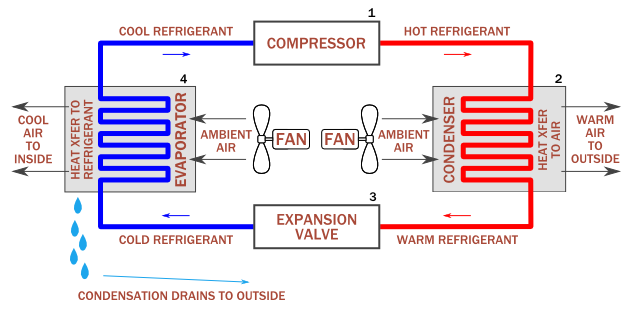
Air conditioners use special parts called coils to cool the air. These coils help remove heat and moisture from inside your home. There are two main types of coils in an air conditioner.
Knowing where these coils are and what they do helps you understand how your air conditioner works.
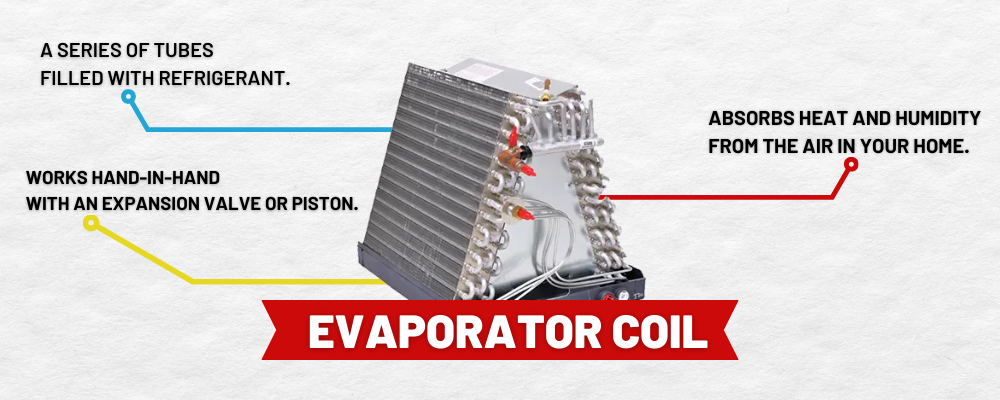
Evaporator Coil
The evaporator coil is inside your home, usually in the air handler or furnace. It absorbs heat from the indoor air.
This coil is cold because it holds refrigerant that changes from liquid to gas. As warm air passes over it, the coil cools the air and removes moisture.
- Located inside the air handler or furnace
- Absorbs heat from indoor air
- Removes moisture to reduce humidity
- Contains cold refrigerant to cool air
Condenser Coil
The condenser coil is outside your home in the outdoor unit. It releases the heat absorbed by the evaporator coil.
Refrigerant changes from gas back to liquid here. The coil uses outside air to cool the refrigerant and send it back inside.
- Located in the outdoor unit
- Releases heat outside
- Changes refrigerant from gas to liquid
- Works with the outdoor fan for cooling
Credit: www.logan-inc.com
Indoor Coil Placement
The air conditioner coil is a key part of your cooling system. It absorbs heat from inside your home. Knowing where the coil sits helps with maintenance and repair.
Indoor coils are usually placed in specific areas inside the HVAC setup. These spots ensure the coil works efficiently and stays protected.
Inside The Air Handler
The indoor coil often sits inside the air handler unit. This unit moves air through your home’s ductwork. Placing the coil here helps cool the air before it spreads.
The coil is mounted near the blower fan. This setup allows air to pass over the coil easily. It helps the coil remove heat from the air quickly.
Near The Furnace
Sometimes the indoor coil is placed close to the furnace. This is common in homes with combined heating and cooling systems. The coil sits above or beside the furnace.
- Easy to service both heating and cooling parts
- Compact setup saves space
- Air flows smoothly from coil to furnace
Within The Blower Compartment
The coil can also be inside the blower compartment. This part holds the fan that pushes air through ducts. The coil sits so air moves directly through it before leaving.
| Location | Benefit | Consideration |
| Inside Air Handler | Efficient cooling with good airflow | Needs regular cleaning |
| Near Furnace | Space-saving, combined system | Heat from furnace can affect coil |
| Within Blower Compartment | Direct air contact for quick cooling | May need more frequent maintenance |
Outdoor Coil Location
The outdoor coil is a key part of an air conditioner’s cooling system. It helps remove heat from your home by releasing it outside. Knowing where the coil is located helps with maintenance and repair.
This guide focuses on the outdoor coil’s location. It explains where you can find it and how it is set up outside your house.
Attached To The Condenser Unit
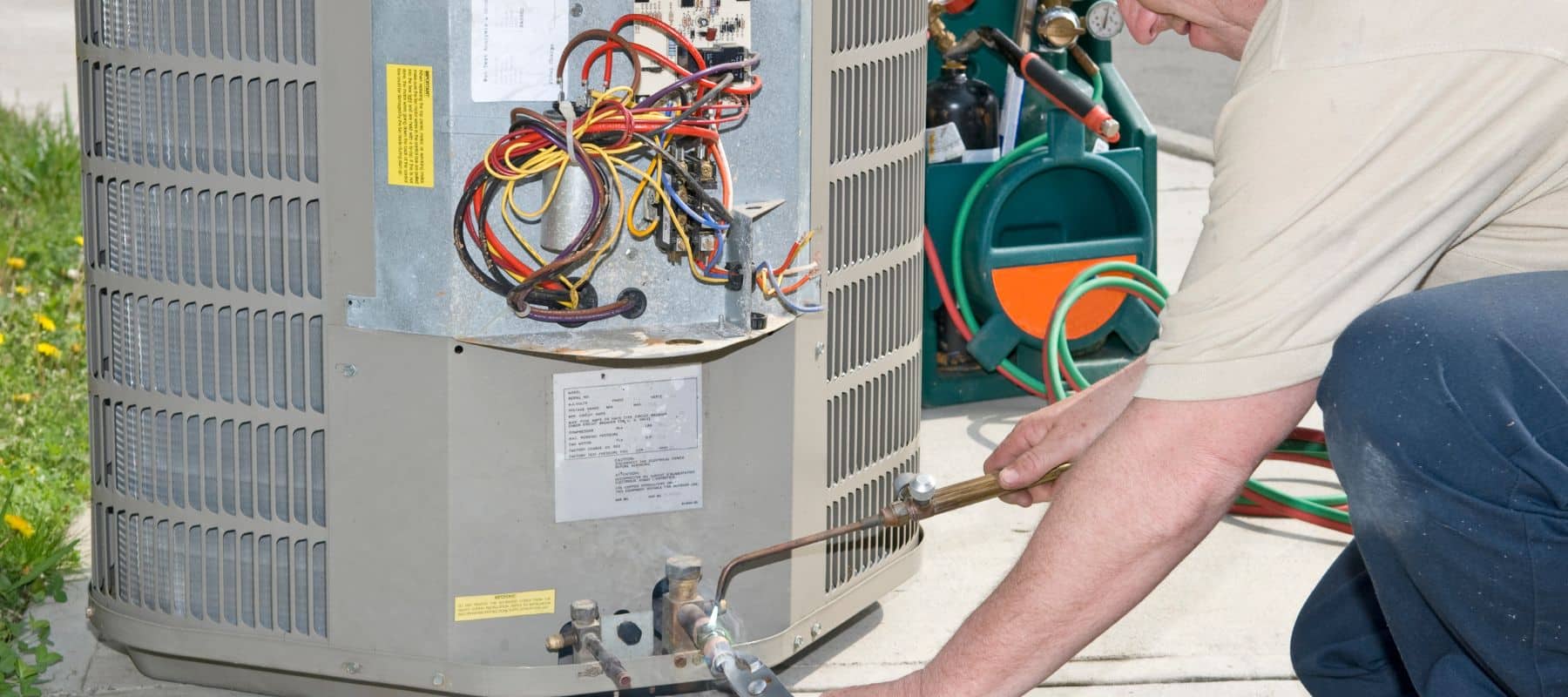
The outdoor coil is attached directly to the condenser unit. This unit sits outside and is the visible part of your air conditioning system. The coil wraps around or sits beside the condenser to transfer heat efficiently.
- The coil is made of metal tubes and fins.
- It carries refrigerant that absorbs heat from inside the home.
- The condenser fan blows air over the coil to cool the refrigerant.
- It works as part of the heat exchange process.
Positioning In The Yard Or Roof
Outdoor coils can be found in different places depending on the building design. They are usually placed on the ground or the roof. The location affects how well the coil works and how easy it is to access.
| Location | Advantages | Disadvantages |
|---|---|---|
| In the Yard | Easy to reach for cleaning and repairs | Can be blocked by plants or debris |
| On the Roof | Saves yard space and reduces noise | Harder to access and maintain |
Credit: www.topahill.com
How To Access The Coils Safely
The air conditioner coil is a key part of your cooling system. It helps cool the air by transferring heat.
Accessing the coil must be done with care. This guide shows you how to do it safely.
Tools Needed
Before you start, gather the right tools. Having these ready makes the job easier and safer.
- Screwdriver set (flat and Phillips)
- Flashlight or work light
- Protective gloves
- Safety glasses
- Soft brush or coil cleaner
- Multimeter (for checking power)
Power Safety Measures
Electricity can be dangerous around air conditioner coils. Follow these safety steps to avoid accidents.
| Safety Measure | Description |
| Turn off power | Switch off the AC unit at the main breaker or disconnect switch. |
| Verify power is off | Use a multimeter to check no electricity flows to the unit. |
| Wear protective gear | Gloves and glasses protect you from sharp edges and debris. |
| Work in dry conditions | Avoid working when the area is wet to reduce shock risk. |
Signs Of Coil Issues
The air conditioner coil is an important part of your cooling system. It helps remove heat from the air inside your home. When the coil has problems, your AC might not work well.
Knowing the signs of coil issues can help you fix problems early. This keeps your AC running smoothly and saves money on repairs.
Reduced Cooling Efficiency
If your air conditioner is not cooling like before, the coil might be dirty or damaged. A dirty coil blocks airflow and stops heat from leaving your home.
When the coil is not working right, the AC works harder. This uses more energy and raises your bills.
- Rooms feel warmer than usual
- Longer cooling cycles
- Higher energy bills
Ice Formation
Ice can form on the coil if it is dirty or the refrigerant level is low. Ice blocks airflow and stops the coil from working.
Ice on the coil can cause your AC to shut down or not cool at all. Check the coil if you see frost or ice.
- Frost or ice on the coil or pipes
- Water leaks near the AC unit
- Unit stops cooling suddenly
Unusual Noises
Strange sounds from your air conditioner can mean the coil is damaged or clogged. Rattling, hissing, or buzzing noises are common signs.
These noises happen because the coil is not letting air flow correctly or because parts are loose.
- Rattling sounds from the unit
- Hissing noises indicating leaks
- Buzzing due to electrical issues
Credit: medium.com
Routine Coil Maintenance Tips
Air conditioner coils need regular care to work well. Dirt and dust can block the coils. This makes the AC less efficient and can cause damage.
Routine maintenance helps the coils last longer. It also keeps your home cool and saves energy. Here are some tips to keep your AC coils clean and checked.
Cleaning Techniques
Cleaning the coils removes dust and debris. This helps the AC cool better and use less power. You can clean the coils yourself with simple tools.
- Turn off the AC and unplug it before cleaning.
- Use a soft brush to remove loose dirt on the coils.
- Spray the coils with a no-rinse coil cleaner or mild detergent.
- Let the cleaner sit for a few minutes, then rinse gently with water.
- Be careful not to bend or damage the delicate fins.
- Dry the coils completely before turning the AC back on.
Professional Inspection
Even with regular cleaning, a yearly check by a professional is important. They can spot problems you might miss. This keeps your AC running safely and efficiently.
| Inspection Item | What It Means | Why It Matters |
| Coil Condition | Check for dirt, damage, or corrosion | Ensures good heat transfer and prevents leaks |
| Refrigerant Levels | Measure and adjust gas pressure | Maintains cooling power and saves energy |
| Electrical Components | Test wiring and connections | Prevents breakdowns and fire risks |
| Drainage System | Clear blocked drain lines | Stops water damage and mold growth |
When To Call A Technician
The air conditioner coil is a key part of your cooling system. It helps cool the air inside your home. Sometimes, problems with the coil can cause your AC to stop working well.
Knowing when to call a technician can save you time and money. Some issues are easy to fix, but others need expert help. Read below to learn about signs that need professional service.
Persistent Problems
If your air conditioner coil has persistent problems, it may not cool your home properly. Dirt, dust, and damage can cause these issues. A technician can clean or repair the coil to restore performance.
- The AC blows warm air instead of cold
- Cooling stops after a short time
- Unusual noises near the coil area
- Water leaking around the unit
- Foul smells coming from vents
Complex Repairs
Some coil problems require complex repairs that only a trained technician can do. These repairs often involve parts replacement or system checks to avoid further damage.
| Problem | Possible Cause | Technician Action |
| Coil leak | Cracks or corrosion | Seal or replace coil |
| Frozen coil | Poor airflow or low refrigerant | Check airflow, recharge refrigerant |
| Electrical failures | Wiring or control issues | Repair or replace wiring and controls |
Frequently Asked Questions
Where Is The Air Conditioner Coil Located?
The air conditioner coil is usually located inside the indoor unit. It can be found either in the evaporator coil section or near the blower. This coil absorbs heat from your home, helping cool the air before circulation.
What Is The Role Of The Ac Coil Location?
The coil’s location affects cooling efficiency and airflow. Proper placement ensures optimal heat transfer and energy use. Indoor coils cool the air, while outdoor coils release heat outside. Correct coil positioning is vital for your AC system’s performance.
How Do I Access The Air Conditioner Coil?
To access the coil, turn off the power first. For indoor coils, open the air handler or furnace panel. For outdoor coils, remove the protective cover on the condenser unit. Always handle coils carefully to avoid damage.
Can Coil Location Affect Ac Maintenance?
Yes, coil location impacts how easy maintenance is. Indoor coils are easier to clean and inspect regularly. Outdoor coils face dirt and debris more often. Knowing the coil location helps plan proper cleaning and maintenance schedules.
Conclusion
Understanding your air conditioner’s coil location is crucial. It affects efficiency. Regular maintenance prevents costly repairs. Typically, the coil is inside or outside. Indoor coils are in the air handler. Outdoor coils are in the condenser unit. Check your user manual for details.
Knowing this helps you maintain your system better. It can save you money and energy. A well-maintained coil improves cooling performance. Remember, a clean coil means better airflow. This leads to a comfortable home environment. Proper knowledge keeps your air conditioner running smoothly.
Stay informed. Enjoy a cooler home.