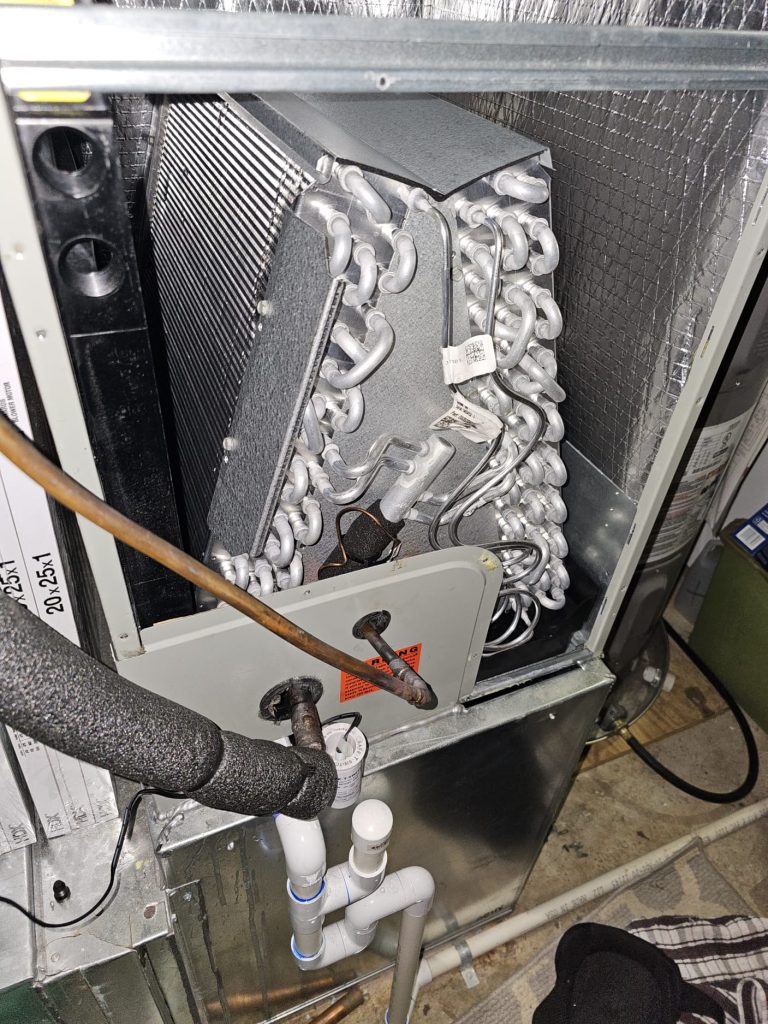
Have you ever wondered where the coil in your air conditioner is located? Knowing this simple fact can help you understand how your AC cools your home and why maintenance matters.
Whether you want to fix a problem or just learn more about your system, finding the coil is the first step. Keep reading to discover exactly where your air conditioner coil is and why it plays a key role in keeping your space comfortable.
This knowledge could save you time and money on repairs!
Air Conditioner Coil Basics
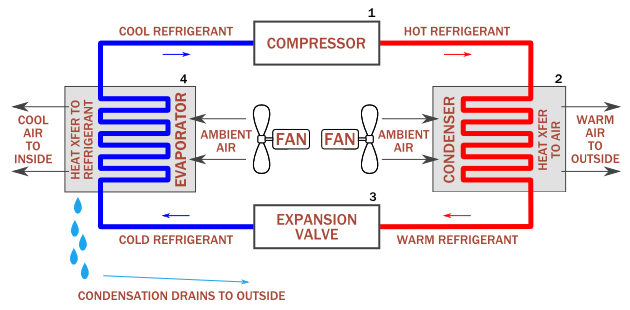
The air conditioner coilis a key part of the AC system. It helps move heat and cool the air. There are two main types of coils in an AC unit: the evaporator coiland the condenser coil.
- The evaporator coilis inside the house. It absorbs heat from the indoor air.
- The condenser coilis outside. It releases heat to the outside air.
These coils work with the refrigerant to cool your home. The evaporator coil takes heat from inside air and cools it. The refrigerant carries heat to the condenser coil. The condenser coil then releases the heat outside. This cycle keeps your home cool and comfortable.
Indoor Coil Location
The evaporator coilis a key part of the indoor air conditioner unit. It cools the air by absorbing heat from inside the house.
Usually, the coil sits inside the air handleror attached to the furnace. It works with the blower fan to spread cold air.
Common places to find the evaporator coil include:
- Inside the air handler cabinet
- Near or attached to the furnace
- In a dedicated coil boxwithin the ductwork
It is important that the coil stays clean and free from dust. Dirty coils reduce cooling efficiency and can cause system problems.
Outdoor Coil Location
The condenser coilis found in the outdoor unitof an air conditioner. This coil helps release the heat taken from inside your home. It is usually made of metal tubes and fins to improve heat exchange.
The outdoor unitsits on a concrete pad or mounted on the wall outside your house. It needs good air flow around it to work well. Avoid placing it near walls or plants that block air.
| Typical Outdoor Unit | Coil Position | Purpose |
|---|---|---|
| Split System | Inside the metal box, near the fan | Releases heat to outside air |
| Packaged Unit | On top or side of the unit | Exchanges heat with outside environment |
Credit: medium.com
How To Access The Coil
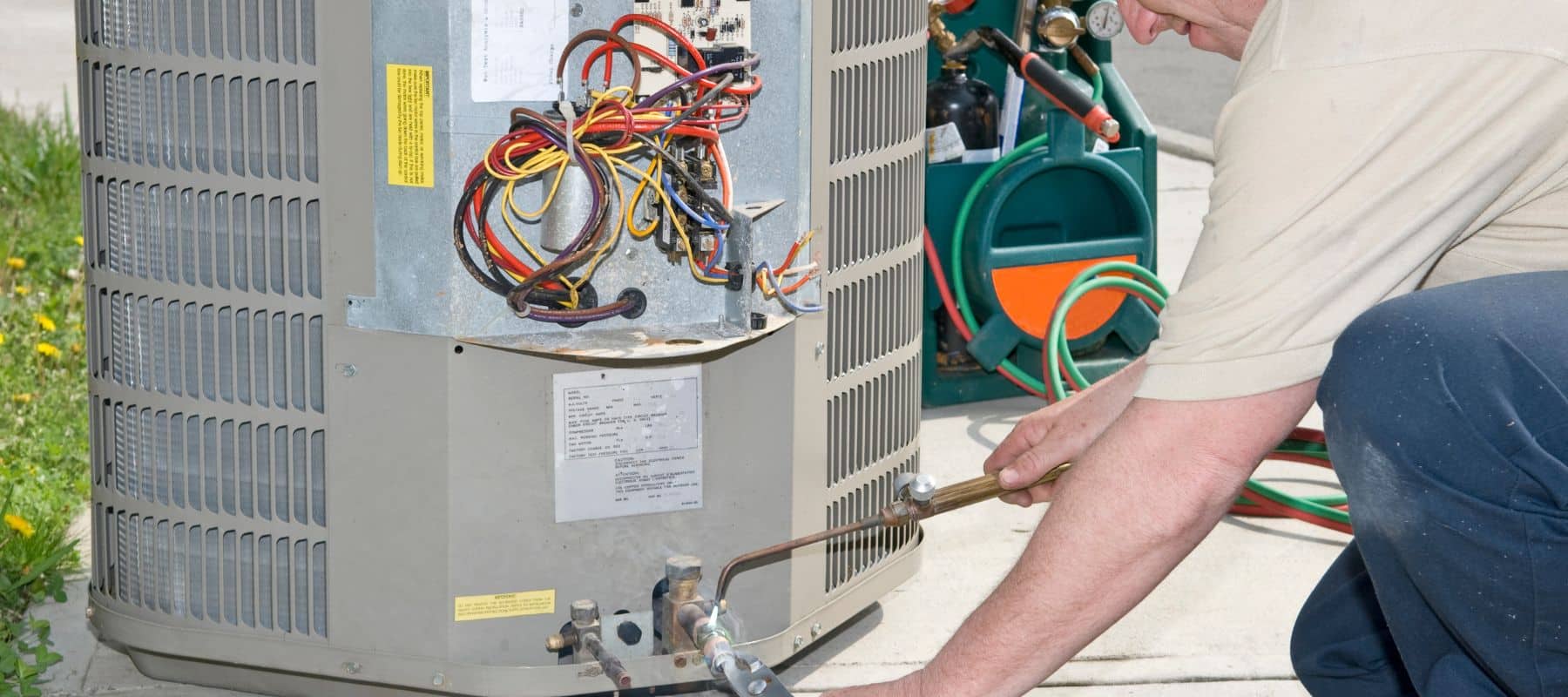
Accessing the air conditioner coilrequires a few basic tools. A screwdriverhelps remove panels. A flashlightbrightens dark areas. Gloves protect hands from sharp edges. A soft brushcleans dust off the coil gently.
Safety is very important. Always turn off powerbefore starting. This stops accidents. Avoid touching wires. Keep the work area dry to prevent slips. Wear safety glasses to protect eyes from dust or debris.
Signs Of Coil Issues
Reduced coolingis a common sign of coil problems. The air conditioner may run but not cool the room well. This happens because the coil is dirty or damaged. Dirt blocks airflow and stops heat transfer. The system works harder but cools less.
Ice formationon the coil is another warning sign. Ice buildup happens when the coil is too cold or airflow is low. This ice stops the coil from working properly. It can cause the air conditioner to stop cooling completely. Ice can also damage the unit over time.
- Dirty coils reduce cooling power
- Low airflow causes ice on the coil
- Ice stops the air conditioner from cooling
- Damaged coils can break the system
Credit: www.logan-inc.com
Cleaning And Maintenance
Cleaning the air conditioner coilkeeps the unit running well and saves energy. Dirt and dust block airflow and reduce cooling. Clean coils at least once a year. More often if the AC runs daily or in dusty areas. Signs to clean include less coolingor higher energy bills. Also clean after storms or long downtime.
- Turn off power before cleaning for safety.
- Use a soft brush or cloth to remove loose dirt.
- Spray coil cleaner and wait as per instructions.
- Rinse gently with water, avoid high pressure.
- Let the coil dry completely before powering on.
Troubleshooting Coil Problems
Leaks in the air conditioner coilcause cooling issues and higher bills. Look for wet spots or oily residue on the coil or nearby areas. Small holes or cracks let refrigerant escape, lowering system efficiency. Damage may also include bent fins or corrosion. These problems reduce airflow and heat exchange.
Check coil performance by measuring temperature difference between air entering and leaving the unit. A healthy coil cools air by about 15-20°F. Clean coils improve airflow and prevent freezing. Dirt buildup makes the coil work harder, leading to wear and tear.
- Inspect coil surface for visible leaks or damage.
- Use a soap solution to find small refrigerant leaks.
- Measure temperature drop across the coil for performance check.
- Clean the coil gently with a brush or coil cleaner.
Credit: www.topahill.com
Frequently Asked Questions
Where Is The Air Conditioner Coil Located?
The air conditioner coil is typically found inside the indoor unit. It is often housed within the evaporator coil cabinet. This location allows it to absorb heat from the indoor air. Some units may also have an outdoor coil, known as the condenser coil.
How Do I Access My Ac Coil?
Accessing your AC coil usually involves opening the evaporator coil cabinet. This cabinet is often found near the indoor air handler or furnace. Always ensure the power is off before attempting any maintenance. Consulting your unit’s manual can provide specific guidance.
What Does The Ac Coil Look Like?
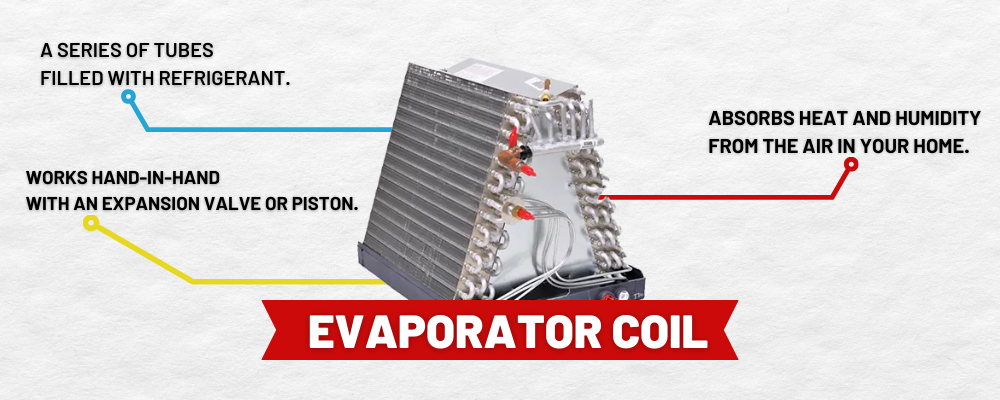
The AC coil is a series of metal fins and tubing. It is typically shaped like an A or a flat panel. The coil is designed to facilitate heat exchange. It’s crucial for the cooling process within your air conditioner.
How Often Should Ac Coils Be Cleaned?
AC coils should be cleaned at least once a year. Regular cleaning helps maintain efficiency and extends the unit’s lifespan. Dirty coils can lead to higher energy bills and reduced cooling performance. Professional cleaning is recommended for best results.
Conclusion
The air conditioner coil sits inside the unit, usually near the fan or compressor. It helps cool the air by moving heat outside. Knowing its location helps with cleaning and maintenance. A clean coil keeps the AC working well and saves energy.
Check the coil regularly to avoid problems and keep your home cool. Simple care can extend your AC’s life and keep it running smoothly. Understanding where the coil is makes your AC easier to manage.