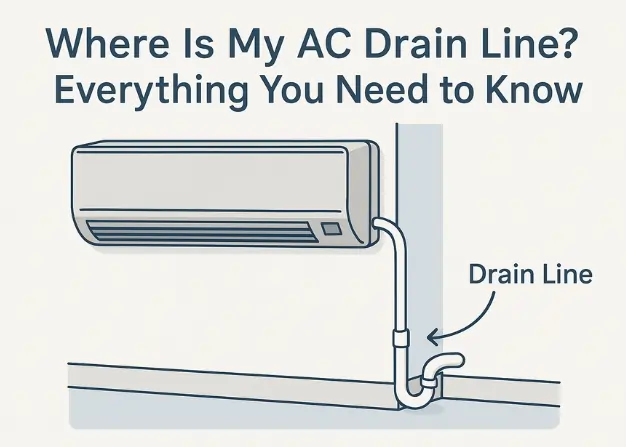
Have you ever noticed water dripping near your air conditioner and wondered, “Where is the air conditioner drain line?” Knowing exactly where this tiny but important part is can save you from costly repairs and keep your home comfortable. If your AC is leaking or not draining properly, understanding the drain line’s location is the first step to fixing the problem fast.
Keep reading, because finding your air conditioner drain line is easier than you think—and it might just be the key to extending your AC’s life.

Credit: keepfloridacool.com
What Is An Ac Drain Line
The AC drain lineis a small pipe that removes water from your air conditioner. It carries away the moisture that builds up during cooling. Without this line, water could leak inside your home.
It usually runs from the indoor unit to the outside of your house. The drain line helps keep the AC working well and stops water damage. Sometimes it can get clogged with dirt or algae.
Regular cleaning of the drain line is important. This keeps water flowing freely and prevents problems. The line is often made of plastic and easy to spot near the indoor unit.
Why Locate The Drain Line
Locating the air conditioner drain linehelps prevent water damage. This line carries away the moisture formed during cooling. If the line gets clogged, water can leak inside walls or floors. This may cause mold or damage to your home.
Knowing the drain line location makes cleaning and maintenance easier. It helps avoid expensive repairs. It also ensures the air conditioner works well and lasts longer.
- Prevents water leaks and mold growth
- Keeps the AC running efficiently
- Allows easy cleaning of the drain line
- Helps spot problems early
Common Drain Line Locations
The air conditioner drain lineis an important part of the cooling system. It carries water away from the unit to prevent leaks and damage.
Near the indoor unit, the drain line is usually found close to the air handler or furnace. This helps collect the water that forms during cooling. It often runs through walls or ceilings.
Close to the outdoor unit, the drain line may exit the house near the condenser. This location allows water to drain outside safely.
Around the condensate pump, the drain line connects to the pump, which helps move water if gravity drainage is not possible. The pump pushes water to a safe drain point.
Tools To Help Find The Drain Line
A flashlighthelps you see in dark spaces. It is useful to find the drain line in tight areas.
A flexible inspection cameracan go inside pipes and show hidden parts. It helps check for clogs or leaks in the drain line.
A water hosecan flush out the drain line. Running water through the line shows if it is clear or blocked.
Step-by-step Guide To Locate The Drain Line
Turn off the AC systemto avoid water leakage or electric shock. Wait a few minutes for the unit to stop running.
Check the indoor unit base. The drain line usually starts here. Look for a small pipe or hole at the bottom of the unit where water collects.
Follow the drain pipe. It is often a thin, white or clear plastic tube. It runs from the indoor unit towards the outside of the building.
Inspect outside the building near the AC unit. The drain line often ends near the ground or wall. Look for a pipe that drains water away from the house.
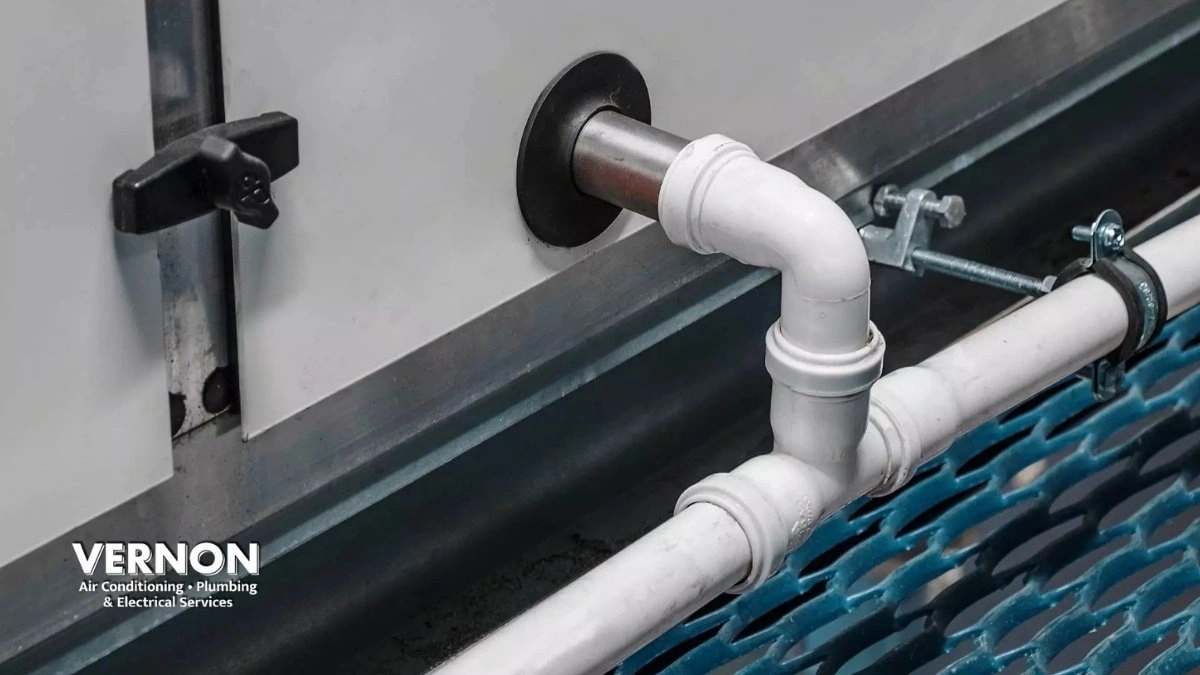
Credit: vernonairconditioning.com
Signs Of A Clogged Drain Line
Water leakagearound the air conditioner can mean the drain line is clogged. Pooled water near the unit is a clear sign. This can cause damage to floors and walls.
A musty odoroften comes from trapped water and mold growth inside the unit. This smell signals poor drainage and possible blockages.
Reduced cooling efficiencymay happen because the unit cannot drain properly. The system works harder and cools less. This increases energy bills and wear on the AC.
Tips To Maintain The Drain Line
Keeping the drain line cleanhelps the air conditioner work well. Dirt and dust can block the line and cause water to build up.
Use a vinegar solutionto clean the drain line. Pour the solution slowly into the drain. It kills mold and clears small clogs.
- Look inside the drain line for any blockages.
- Remove leaves, dirt, or debris you find.
- Ensure water flows freely through the line.
Checking and cleaning the drain line every few months keeps the air conditioner dry. This helps avoid water damage and bad smells.
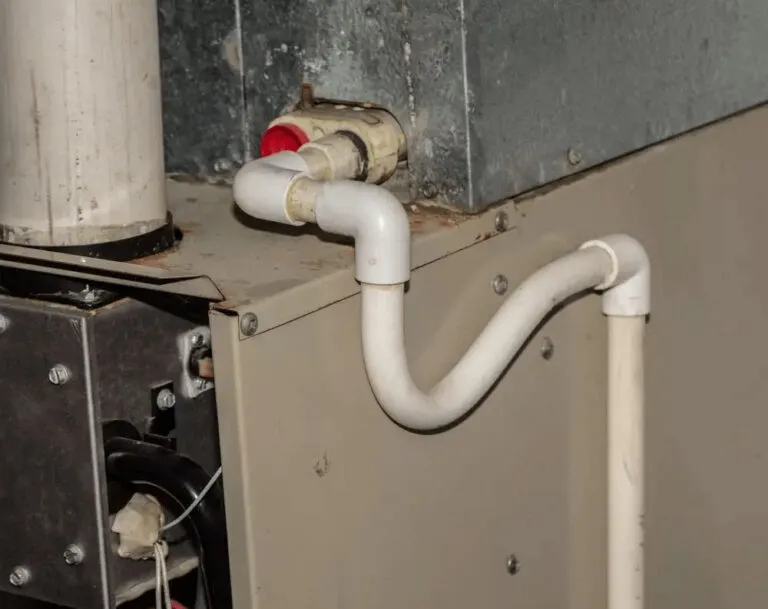
Credit: smashingclean.com
Frequently Asked Questions
Where Is The Air Conditioner Drain Line Located?
The AC drain line is usually near the indoor unit or evaporator coil. It runs outside to release condensation safely. Check near the air handler or furnace for a small PVC pipe or flexible tubing.
How Can I Find A Clogged Ac Drain Line?
Look for water pooling near the indoor unit or dripping inside. Slow drainage or musty smells also indicate a clog. Inspect the drain line outlet outside for blockages or algae buildup.
Why Is The Ac Drain Line Important?
The drain line removes condensation from the AC unit. It prevents water damage and mold growth inside your home. Proper drainage ensures efficient AC operation and indoor air quality.
Can I Clean The Ac Drain Line Myself?
Yes, use a wet/dry vacuum or a vinegar solution to flush the line. Regular cleaning every few months prevents clogs and water leaks. Always turn off power before maintenance.
Conclusion
Locating your air conditioner’s drain line is important. It prevents potential water damage. The drain line helps remove moisture efficiently. Regular checks can ensure it functions properly. Keep an eye out for clogs or leaks. These can cause issues if ignored.
Understanding its location makes maintenance easier. Your air conditioner will work better and last longer. Simple steps can save time and money. Ensure comfort by keeping your system in top shape. Regular maintenance is key. Stay cool and enjoy a trouble-free summer.