Have you ever wondered why your air conditioner suddenly stops working or struggles to cool your home? One common culprit might be the air conditioner capacitor.
But where exactly is this small yet powerful component located? Knowing where your AC capacitor is can save you time and money when troubleshooting or calling a technician. You’ll discover the exact spot to find the capacitor and understand why it’s so important for your air conditioner’s performance.
Keep reading—your cool comfort depends on it!
Credit: www.carrier.com
Capacitor Role In Ac Units
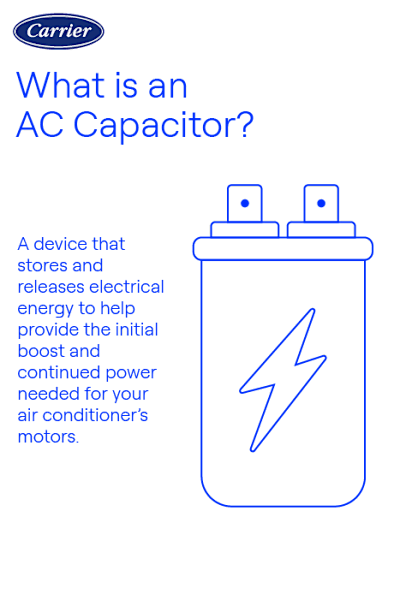
The capacitorin an air conditioner helps start and run the motor. It stores electrical energy and then releases it quickly. This gives the motor the extra push it needs to work smoothly.
Capacitors also keep the motor running at a steady speed. Without it, the AC might not cool properly or could stop working.
- Start Capacitor:Gives a strong boost to start the motor.
- Run Capacitor:Helps the motor run efficiently and saves energy.
- Dual Capacitor:Combines start and run functions in one unit.
Common Capacitor Locations
The air conditioner capacitoris usually found inside the outdoor unit. This unit houses the major parts of the system.
It is often located near the compressor. The capacitor helps start the compressor and fan motors.
Another common place is inside the electrical panelof the outdoor unit. This panel contains many important electrical parts.
Tools Needed To Locate The Capacitor
Before working on an air conditioner capacitor, safety is very important.
- Safety glassesprotect your eyes from sparks or debris.
- Insulated gloveskeep you safe from electric shocks.
- Wear long sleevesand closed shoes for extra protection.
Basic tools help to find and check the capacitor quickly.
- Screwdriverto open the AC cover.
- Multimeterfor testing the capacitor’s charge.
- Flashlightto see inside dark areas.
- Wrenchto remove bolts holding the capacitor.

Credit: www.reddit.com
Step-by-step Location Guide
Turn off the powerto the air conditioner first. This is very important for safety. Use the circuit breaker or unplug the unit. Double-check that no electricity is flowing before opening the unit.
Next, remove the outer panel of the air conditioner. This panel covers the internal parts. Use a screwdriver if needed. Keep screws safe for reassembly later. The capacitor is usually near the compressor or fan motor inside.
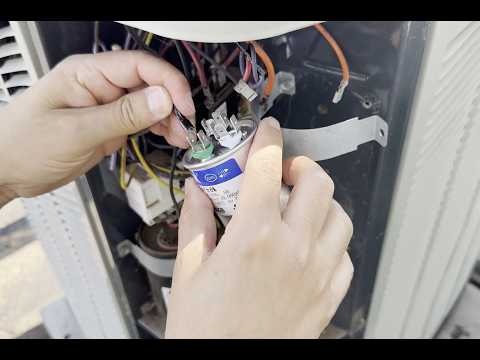
The capacitor looks like a small, round or oval metal can. It has wires connected to its terminals. There may be one or more capacitors in the unit. Look for labels or markings that say “capacitor” or show microfarad (µF) ratings.
Signs Of A Faulty Capacitor
Physical damageto the capacitor is a clear sign it may be faulty. Look for bulges or cracks on the capacitor’s surface. Leaking fluid or rust around the unit also indicates damage. Sometimes, burnt marks or discoloration appear near the capacitor terminals.
Performance issuesoften reveal capacitor problems. The air conditioner may struggle to start or make strange noises. It might cool poorly or stop running suddenly. Fans can run slower than usual or not run at all. These signs mean the capacitor may not be working properly and needs checking.
Replacing The Capacitor Safely
Before handling the capacitor, it is very importantto discharge it safely. Capacitors store electrical energy and can give a strong shock. Use a screwdriver with an insulated handle to touch the capacitor terminals. This will release the stored charge. Wear rubber glovesand safety glasses for extra protection.
To remove the old capacitor, first turn off the powerto the air conditioner. Locate the capacitor inside the unit’s service panel. Note the wire connections or take a photo for reference. Carefully disconnect the wires using pliers if needed. Unscrew or unclip the capacitor from its mount.
Install the new capacitor by placing it in the same position. Attach each wire to the correct terminal. Make sure connections are tight and secure. Close the service panel and restore power. Test the air conditioner to check if it runs smoothly.
When To Call A Professional
Complex repairs on an air conditioner capacitor need special skills. The capacitor stores electrical energy, so handling it can be risky. It is best to let a trained professionalmanage such tasks.
Safety concerns are very important. Capacitors can hold a charge even when the unit is off. This can cause electric shockif touched incorrectly. Professionals have the right tools and knowledge to avoid accidents.
- Do not try to open or test the capacitor yourself.
- Contact a licensed technician for any capacitor issues.
- Always turn off power before inspecting the unit.

Credit: www.reddit.com
Frequently Asked Questions
Where Is The Air Conditioner Capacitor Located?
The air conditioner capacitor is usually found inside the outdoor unit. It is mounted near the compressor and fan motor. This component helps start and run the motor efficiently.
How To Identify The Capacitor In An Ac Unit?
The capacitor is a small, cylindrical or oval-shaped metal canister. It has two or three terminals with wires attached. It is labeled with voltage and microfarad ratings for easy identification.
Can A Faulty Capacitor Cause Ac Not To Start?
Yes, a faulty capacitor can prevent the AC compressor or fan motor from starting. It disrupts the electrical flow and motor operation. Replacing a bad capacitor often fixes startup issues.
Is The Capacitor Easy To Access In An Ac Unit?
Generally, the capacitor is easy to access by removing the outdoor unit’s service panel. However, caution is needed due to electrical components. Always turn off power before inspection or replacement.
Conclusion
Finding the air conditioner capacitor is easier than you think. It usually sits near the compressor or fan motor inside the outdoor unit. Knowing its location helps you spot problems faster. This small part plays a big role in your AC’s performance.
Keep an eye on it to avoid sudden breakdowns. Regular checks can save time and money. Understanding this simple fact makes AC care less confusing. Now, you feel more confident handling basic AC issues yourself.