
Have you ever wondered where the compressor in your air conditioner is actually located? Knowing this can help you understand how your AC works and make it easier to spot problems before they get worse.
Whether you’re trying to fix a noise, improve cooling, or just satisfy your curiosity, finding the compressor is the first step. Keep reading, and you’ll discover exactly where it is and why it’s so important to your comfort.
Compressor’s Role In Air Conditioning
The compressor is a key part of an air conditioner. It helps move refrigerant through the system to cool your home.
Knowing where the compressor is and how it works can help you understand how your air conditioner cools the air.
How The Compressor Works
The compressor is usually found in the outdoor unit of an air conditioner. It presses the refrigerant gas to make it hot and high pressure.
Then, the hot gas moves to the condenser coil where it cools down and changes into a liquid. This process repeats to keep your home cool.
Importance In Cooling Process
The compressor is the heart of the cooling cycle. It pumps refrigerant and keeps the cycle moving.
Without the compressor, the refrigerant would not flow, and the air conditioner would not cool the air inside your home.
- Pumps refrigerant through the system
- Increases refrigerant pressure and temperature
- Helps change refrigerant from gas to liquid
- Keeps the cooling cycle continuous

Credit: atlasacrepair.com
Typical Compressor Locations
The compressor is a key part of an air conditioner. It helps cool the air by compressing the refrigerant. Knowing where the compressor is located helps with maintenance and repair.
Different types of air conditioners have compressors in different spots. The location depends on the design and size of the unit.
Inside The Outdoor Unit
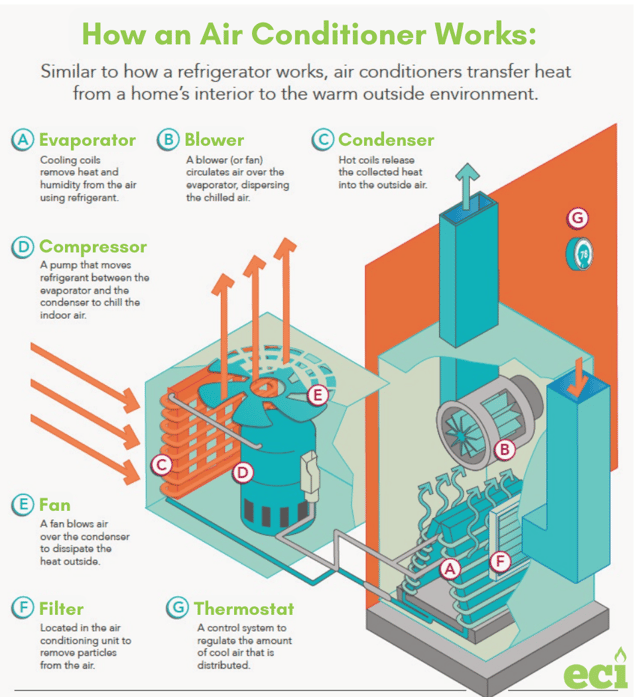
In many air conditioners, the compressor is inside the outdoor unit. This unit is often called the condenser. It sits outside the building to release heat.
The compressor works with the fan and coils in this unit. It compresses the refrigerant gas and sends it to the indoor unit.
Placement In Split Systems
Split air conditioners have two parts: indoor and outdoor units. The compressor is placed in the outdoor unit. This keeps noise and heat away from inside.
The indoor unit handles cooling the air inside. The outdoor unit with the compressor connects to the indoor unit with refrigerant lines.
Position In Window Units
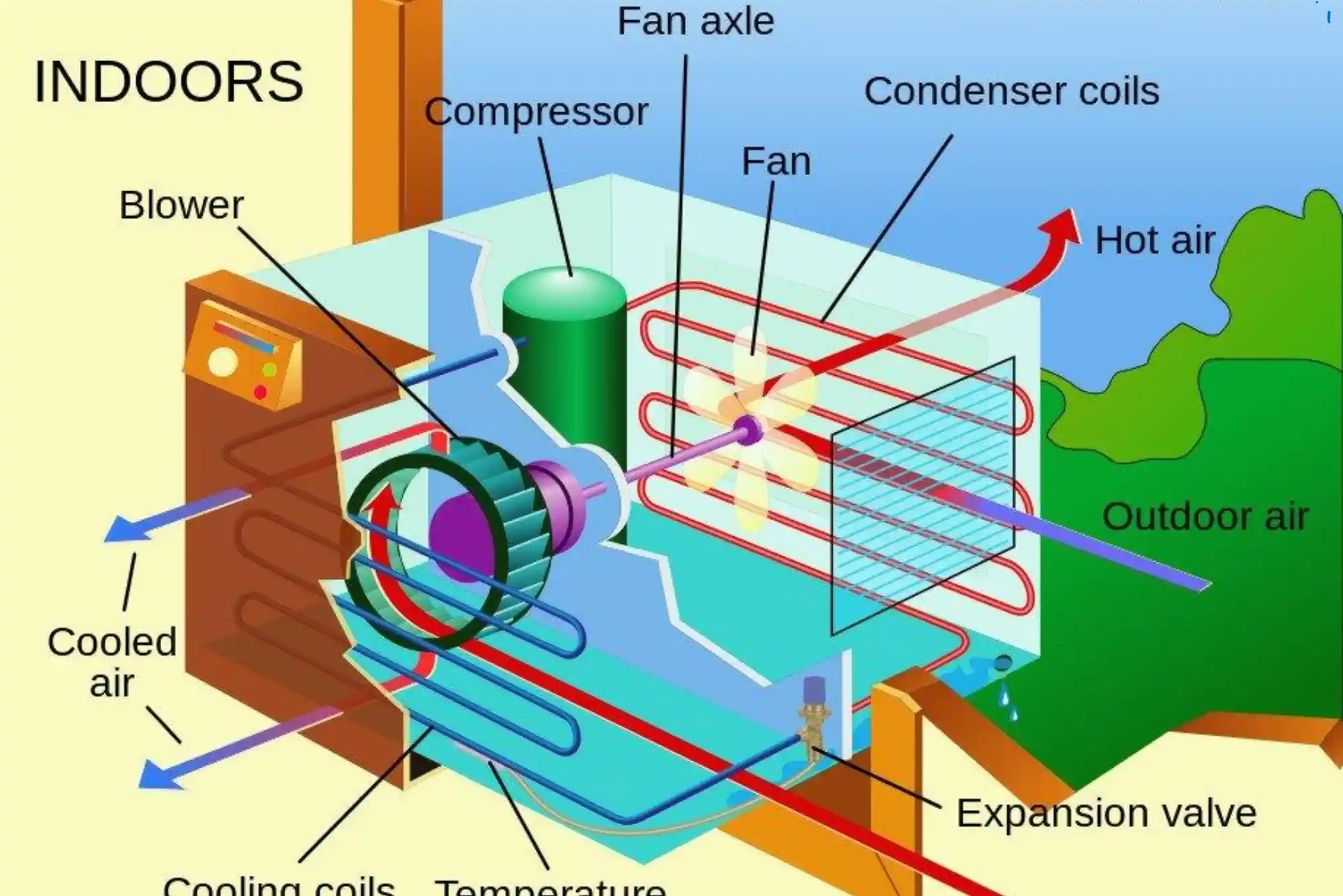
Window air conditioners combine all parts in one box. The compressor sits near the back of this unit. This side usually faces outside.
The front of the window unit blows cool air inside. The compressor at the back compresses the refrigerant and releases heat outside.
Identifying The Compressor
The compressor is a key part of an air conditioner. It helps cool the air by moving refrigerant through the system.
Knowing where to find the compressor can help you understand how your air conditioner works.
Visual Characteristics
The compressor looks like a large metal cylinder. It is usually placed outside the building.
- It is often black or dark gray in color.
- The compressor has thick metal pipes connected to it.
- You can find electrical wires attached to its side.
- It is heavier and larger than other parts around it.
Common Labels And Markings
Manufacturers put labels on compressors to show important details. These labels help identify the part and its specifications.
| Label | Information |
| Brand Name | Manufacturer of the compressor |
| Model Number | Specific model identification |
| Voltage Rating | Required electrical voltage |
| Refrigerant Type | Type of refrigerant used |
| Serial Number | Unique serial for the unit |
Credit: www.ecicomfort.com
Accessing The Compressor
The compressor is a key part of an air conditioner. It helps move refrigerant through the system. It is usually found in the outdoor unit.
Knowing where the compressor is helps with repairs and maintenance. You must access it carefully to avoid damage or injury.
Safety Precautions
Working near the compressor can be dangerous. The unit has electrical parts and moving components. Always follow safety rules to stay safe.
Turn off the power to the air conditioner before opening the outdoor unit. Use insulated gloves and tools. Avoid touching electrical wires or terminals.
- Switch off the main power supply
- Wear protective gloves and goggles
- Keep the area dry to prevent slips
- Do not touch electrical parts directly
- Use caution with sharp edges on the unit
Tools Needed For Inspection
To inspect the compressor, you need a few basic tools. These help you open the unit and check the compressor safely.
Having the right tools makes the job easier and safer. You should also have a flashlight to see inside the unit clearly.
- Screwdrivers (flathead and Phillips)
- Insulated gloves
- Flashlight or headlamp
- Multimeter for electrical tests
- Wrench set for bolts
- Safety goggles
Signs Of Compressor Issues
The compressor is a key part of an air conditioner. It helps cool your home by compressing refrigerant gas. When the compressor has problems, the whole system may stop working well.
Knowing the signs of compressor issues can help you fix problems early. This guide explains common signs to watch for.
Unusual Noises
Noises from the compressor can show it has issues. You might hear banging, rattling, or humming sounds. These sounds can mean parts inside the compressor are loose or damaged.
Ignoring these noises can lead to bigger problems. It is best to check the compressor if you hear strange sounds.
Reduced Cooling Efficiency
If the air conditioner cools less than before, the compressor might be failing. A weak compressor cannot pump refrigerant well, so the cooling drops.
Watch for longer cooling times or rooms that do not get cold. These signs show the compressor is not working right.
System Shutdowns
The air conditioner may shut off by itself if the compressor has problems. This happens because the system protects itself from damage.
Frequent shutdowns or the system not starting are strong signs to inspect the compressor. Fixing it early can save the whole air conditioner.
Credit: hafixer.com
When To Call A Professional
The compressor is a key part of your air conditioner. It is usually outside, in the outdoor unit. If it stops working, your AC will not cool your home.
You should call a professional if the compressor makes strange noises or the AC does not cool well. These problems need expert care to avoid bigger damage.
Repair Vs Replacement
If the compressor breaks, a technician will check if it can be fixed. Repair is often cheaper and faster.
Replacement is needed if the compressor is old or damaged beyond repair. New compressors improve AC efficiency and save energy.
- Repair if the issue is small and parts are available
- Replace if the compressor leaks or has electrical faults
- Consider replacement if your AC is over 10 years old
- Professional advice helps decide the best option
Routine Maintenance Tips
Regular maintenance keeps the compressor and AC running smoothly. Clean the outdoor unit to remove dirt and leaves.
Check the refrigerant levels and electrical connections. Schedule yearly service with a professional to catch problems early.
- Clear debris from the outdoor unit
- Replace or clean air filters every 1-3 months
- Check refrigerant levels for leaks
- Inspect electrical parts and wiring
- Hire a professional for annual tune-ups
Frequently Asked Questions
Where Is The Compressor Located In An Air Conditioner?
The compressor is usually located in the outdoor unit of an air conditioner. It compresses refrigerant gas and helps circulate it through the system. This location allows it to efficiently release heat absorbed from indoors.
Why Is The Compressor Placed Outside The Air Conditioner?
Placing the compressor outside helps dissipate heat efficiently. The outdoor unit has better airflow and cooling, which prevents the compressor from overheating. This setup improves the air conditioner’s overall performance and longevity.
How Can I Access The Compressor In My Ac Unit?
To access the compressor, turn off the power and open the outdoor unit’s metal cover. The compressor is a large cylindrical component inside. Always consult a professional before handling or servicing it for safety.
Does The Compressor Location Affect Air Conditioner Efficiency?
Yes, the compressor’s outdoor location ensures proper heat exchange and airflow. This positioning optimizes cooling efficiency and reduces energy consumption. A well-placed compressor contributes to the AC’s effective and economical operation.
Conclusion
The compressor sits outside in the air conditioner’s unit. It works hard to pump refrigerant through the system. This part is key to cooling your home. Knowing its location helps with maintenance and repairs. Keep the area clean and clear for best results.
Regular checks can prevent big problems later. Now, you understand where the compressor lives and why it matters.