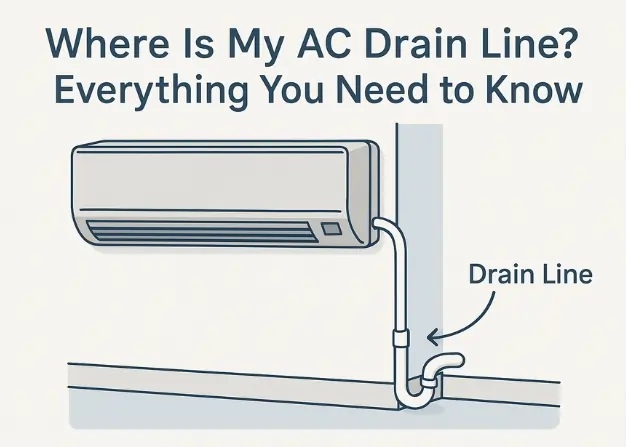
Have you ever wondered where the drain line on your air conditioner is? Knowing its location is key to keeping your AC running smoothly and avoiding costly water damage in your home.
If you’ve noticed water leaking or your unit not cooling properly, the drain line might be the problem. You’ll discover exactly where to find your AC drain line and how to keep it clean and clear. By the end, you’ll feel confident in taking simple steps to protect your air conditioner and your home.
Keep reading to unlock these easy, effective tips!
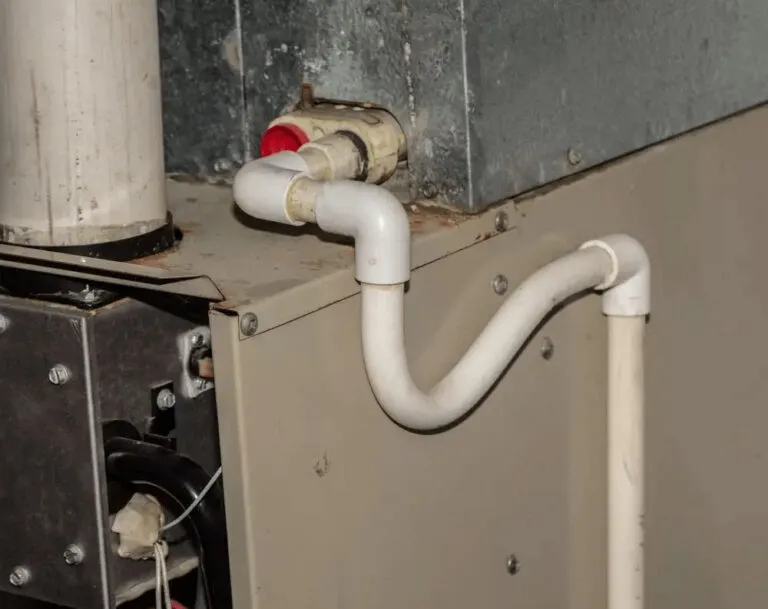
Credit: smashingclean.com
Drain Line Basics
The drain line is a small pipe found on most air conditioners. It helps remove water that builds up inside the system. Without the drain line, water could cause damage or leaks.
Understanding the drain line’s purpose and types can help you keep your air conditioner working well. Let’s look at the main details.
Purpose Of The Drain Line
The drain line carries away the water that forms when your air conditioner cools the air. This water is called condensate. If it does not drain properly, it can cause problems like mold, bad smells, or water damage.
- Removes excess moisture from the air conditioner
- Prevents water damage inside the home
- Helps avoid mold and mildew growth
- Keeps the air conditioner running efficiently
Types Of Drain Lines
There are different kinds of drain lines used in air conditioners. Each type has its own way to move water out of the system. Knowing these types helps in identifying and fixing any problems.
| Drain Line Type | Description |
| PVC Pipe | Common plastic pipe that carries water outside the house. |
| Flexible Tubing | Soft tubing that can bend to fit small spaces. |
| Drain Pan | A tray that collects water and drains it through a pipe. |
| Gravity Drain | Uses natural slope to move water downward. |
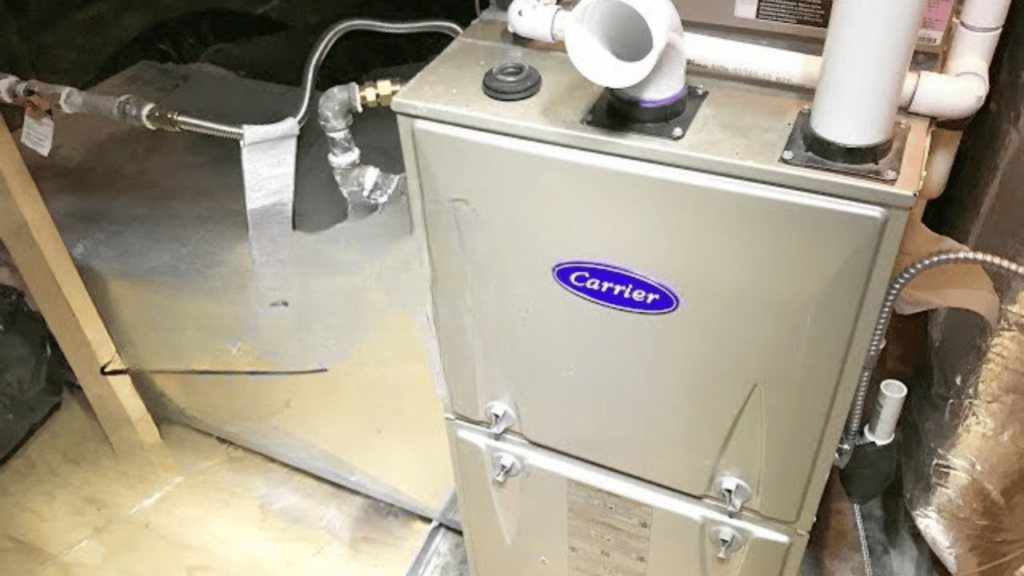
Credit: www.eliterooter.com
Common Drain Line Locations
The drain line in an air conditioner removes water that forms during cooling. It prevents water damage and mold.
Finding the drain line is easy if you know the common spots. It is usually near the indoor and outdoor units.
Indoor Unit Drain Line Spots
The drain line from the indoor unit carries water outside your home. It usually starts at the air handler or evaporator coil.
You can find the indoor drain line near the following places:
- Near the bottom of the air handler or furnace
- Behind or under the indoor unit’s access panel
- Running through a wall or ceiling close to the indoor unit
- Along the baseboard or floor inside the house
- Near a utility closet or basement where the indoor unit is installed
Outdoor Unit Drain Line Areas
The outdoor drain line is where water exits the home. It usually connects to the indoor drain line and leads outside.
Common outdoor drain line locations include:
- Near the outdoor air conditioner or condenser unit
- Along the side of the house close to the indoor unit
- Draining into a garden, yard, or nearby drain
- Next to the foundation or on a concrete pad
- Attached to the exterior wall with a visible pipe
How To Spot The Drain Line Quickly
Finding the drain line on your air conditioner is important for maintenance. It helps you avoid water leaks and damage.
This guide shows easy ways to spot the drain line fast. Use simple clues and tools to find it without trouble.
Visual Clues To Look For
The drain line usually looks like a small pipe or tube. It carries water away from the air conditioner.
- Look for a PVC or plastic pipe near the indoor unit.
- Check for a pipe that slopes downward to allow water flow.
- Find a pipe that ends outside or near a drain.
- Notice any water stains or damp spots around the pipe.
- See if the pipe is connected to the air conditioner’s base pan.
Tools To Help Identify The Line
Using some tools makes it easier to find and check the drain line. These tools are simple and safe.
| Tool | Purpose | How to Use |
| Flashlight | See inside dark spaces | Shine light to spot pipes and water stains |
| Camera or Phone | Take pictures for better view | Capture pipe location and any leaks |
| Water Bottle | Test water flow | Pour water into the drain to check if it drains well |
| Gloves | Protect hands | Wear when handling pipes and water |
Drain Line Maintenance Tips
Keeping the drain line of your air conditioner clean is very important. It helps avoid water leaks and mold growth.
Regular maintenance of the drain line keeps your AC working well and stops costly repairs.
Cleaning The Drain Line
Clean the drain line to remove dirt, mold, and algae. This stops blockages and water damage.
- Turn off the AC before cleaning the drain line.
- Use a wet/dry vacuum to suck out clogs from the drain pipe.
- Flush the line with a mixture of water and vinegar to kill mold and algae.
- Repeat the cleaning every few months for best results.
Preventing Clogs
Prevent clogs by keeping the drain line clear and dry. Watch for signs of blockage.
| Tip | How It Helps |
| Check drain pan regularly | Prevents overflow and leaks |
| Keep area around drain line clean | Stops dirt from entering the pipe |
| Use drain line tablets monthly | Breaks down algae and slime |
| Inspect for cracks or damage | Avoids leaks and mold growth |
Troubleshooting Drain Line Issues
The drain line on your air conditioner removes moisture from the system. It helps keep your AC working well and prevents water damage. Sometimes, this drain line can get clogged or break.
Knowing how to spot and fix these issues can save you from bigger problems. Here are common problems and advice on when to call a professional.
Common Problems
Drain line problems often show up as water leaks or bad smells. The most common issues include clogs, cracks, and disconnected pipes.
- Clogged Drain Line:Dirt and algae can block the drain line. This causes water to back up and leak inside.
- Cracked or Broken Pipe:Pipes may crack with age or pressure. This leads to leaks and water damage.
- Disconnected Drain Line:The line may come loose from the unit or drain pan. Water then spills where it should not.
- Slow Drainage:A partial blockage can slow the flow of water, causing moisture buildup.
Regular cleaning and inspection can help avoid these problems. Use a wet-dry vacuum or a plumber’s snake to clear clogs.
When To Call A Professional
Some drain line issues need a professional’s help. If you see these signs, call an expert right away.
| Problem | Signs | Reason to Call a Professional |
|---|---|---|
| Persistent Clogs | Water leaks continue after cleaning | Deep blockages need special tools |
| Damaged Pipes | Cracks or breaks visible | Pipe replacement or repair required |
| Water Damage | Stains or mold near the unit | Fix leaks and prevent health risks |
| Electrical Issues | AC shuts off unexpectedly | Drain line may affect safety components |

Credit: unitedstatesolutions.com
Frequently Asked Questions
Where Is The Drain Line Located On An Air Conditioner?
The drain line is usually near the indoor unit, close to the evaporator coil. It carries condensation outside. Look for a PVC or flexible plastic pipe exiting the unit.
How To Identify A Clogged Ac Drain Line?
Signs include water leaks around the indoor unit and musty odors. Slow drainage or dripping water indicates a clog. Checking the pipe for blockages or mold helps confirm this.
Why Is The Ac Drain Line Important?
The drain line removes moisture from the air conditioner. It prevents water damage and mold growth inside your home. Proper drainage ensures efficient cooling and prevents system issues.
Can I Clean The Ac Drain Line Myself?
Yes, you can clean it using a wet-dry vacuum or a vinegar solution. Regular cleaning prevents clogs and water damage. Always turn off the AC before cleaning.
Conclusion
Finding the air conditioner’s drain line is important. It helps prevent leaks and damage. Check near the indoor unit for a small pipe or tube. This is the drain line. Regular cleaning keeps your AC running smoothly. Use a soft brush to remove clogs.
Or flush with vinegar and water. This simple task saves costly repairs. Keep your home cool and comfortable. Always take safety precautions when working with appliances. If unsure, consult a professional. Understanding your AC system is key. It ensures long-lasting performance and peace of mind.
Stay cool and worry-free with a well-maintained drain line.