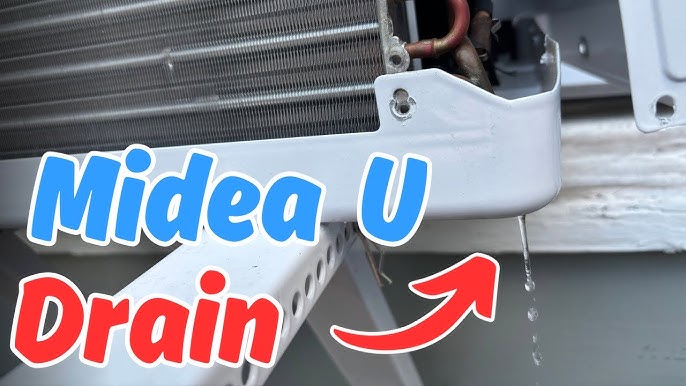
Have you ever noticed water pooling around your window air conditioner and wondered where it’s coming from? Knowing where the drain on your window air conditioner is can save you from messy leaks and costly repairs.
If you want to keep your unit running smoothly and your room dry, understanding how the drainage works is key. You’ll discover exactly where the drain is located and how to maintain it, so you can enjoy cool air without the hassle.
Keep reading—you’ll be surprised how simple it can be!

Credit: northnjhvac.com
Drain Location On Window Ac
Window air conditioners produce water as they cool the air. This water needs to drain out properly. Knowing where the drain is helps keep your AC working well.
Drain location varies by model. Finding it is easy once you know what to look for.
Common Drain Placement
The drain on a window AC is usually at the bottom of the unit. It allows water to escape safely outside.
- Near the bottom edge on the back side
- Small holes or slots for water to drip out
- Sometimes a drain pan underneath catches the water
- Some models have a drain tube to guide water away
Why Drain Position Matters
Drain position affects how well water leaves the unit. Poor drainage can cause leaks or damage.
| Drain Position | Effect on AC |
| Properly placed at bottom | Water drains smoothly, no leaks |
| Blocked or high drain | Water buildup, possible leaks |
| No drain or poor design | Water damage, mold growth |

Credit: www.reddit.com
Signs Of Drainage Issues
Drainage problems in window air conditioners can cause damage and reduce efficiency. Watch for signs that show the drain is not working well.
Knowing these signs early helps you fix the problem before it gets worse. Check your unit often for these symptoms.
Water Leaks Inside
Water leaking inside your room means the drain is clogged or blocked. This can cause stains on walls or floors and damage furniture.
- Look for wet spots under the air conditioner
- Check for dripping water on window sills or floors
- Notice any damp smells or mold growth near the unit
Pooling Water Outside
When the drainage hole is blocked, water may collect outside the unit. This leads to puddles on your window ledge or wall below.
| Cause | Effect |
| Clogged Drain Hole | Water pools outside the unit |
| Improper Installation | Drain water does not flow away |
| Damaged Drain Pan | Water leaks outside, causing stains |
Unusual Noises
Strange sounds from your air conditioner can mean water is stuck or not draining properly. This may cause gurgling or dripping noises.
- Gurgling sound – water trapped in drain pipe
- Dripping noise – leaking water inside the unit
- Hissing or bubbling – air or water blockage in drain system
Accessing The Drain
Window air conditioners collect moisture from the air. This water needs to drain properly to avoid damage. Knowing how to access the drain helps with cleaning and maintenance.
Finding the drain can be easy if you know where to look. This guide shows how to find and access the drain on your unit.
Removing The Front Panel
Start by unplugging the air conditioner for safety. The front panel usually covers the internal parts, including the drain.
Most front panels can be removed by pressing tabs or unscrewing small screws. Gently pull the panel away from the unit to avoid breaking clips.
- Unplug the air conditioner
- Look for screws or tabs on the front panel
- Use a screwdriver if needed
- Pull the panel carefully
Locating The Drain Hole Or Tube
After removing the front panel, look near the bottom or sides of the unit. The drain hole or tube is often small and may be hidden behind parts.
The drain lets water exit the air conditioner. It can be a small hole or a plastic tube leading outside. Check for water buildup around this area.
- Look near the bottom of the unit
- Find a small hole or plastic tube
- Check for water or moisture
- Make sure the drain is clear

Credit: northnjhvac.com
Cleaning The Drain
Window air conditioners have a drain to remove water buildup. Cleaning this drain keeps the unit working well. A clogged drain can cause water leaks and damage.
Regular cleaning helps prevent mold and keeps your air conditioner dry. You can clean the drain with simple tools at home.
Tools Needed
Gather a few basic tools before cleaning the drain. These tools make the job easier and safer.
- A small screwdriver to open parts
- A pipe cleaner or a thin brush
- A wet/dry vacuum or a turkey baster
- White vinegar or mild detergent
- A clean cloth or rag
Step-by-step Cleaning
Start by unplugging the air conditioner. Remove the front panel carefully to reach the drain.
- Locate the drain hole or drain pan inside the unit.
- Use the screwdriver to open any covers if needed.
- Clear visible dirt with a cloth or brush.
- Insert the pipe cleaner or brush into the drain hole.
- Flush the drain with water using a wet/dry vacuum or turkey baster.
- Pour a small amount of vinegar to clean bacteria and mold.
- Wipe the area dry with a clean cloth.
- Reassemble the parts and plug the unit back in.
Preventing Future Clogs
Keep the drain clean by checking it regularly. Simple habits help avoid clogs and water problems.
- Clean or replace air filters every month.
- Keep the area around the unit free of dust and debris.
- Empty the drain pan if your model has one.
- Run the air conditioner regularly during humid seasons.
- Inspect the drain line for blockages often.
Fixing Common Drain Problems
Window air conditioners need proper drainage to work well. Drain problems can cause water leaks and damage. You can fix many drain issues yourself with simple steps.
Below are common problems and ways to fix them. These tips help keep your air conditioner draining properly.
Clearing Blockages
Blockages in the drain can stop water from leaving the unit. Dirt, dust, and debris often clog the drain holes or tubes. Clearing these blockages restores water flow.
- Turn off and unplug the air conditioner.
- Locate the drain hole or tube on the back or side.
- Use a pipe cleaner or thin brush to remove dirt.
- Flush the drain with warm water to clear residue.
- Check for any standing water inside the unit.
Repairing Drain Tubes
Drain tubes can crack or become loose over time. Repairing or securing these tubes stops leaks and improves drainage.
| Problem | Solution |
| Cracked tube | Replace with new drain tube of the same size |
| Loose connection | Reattach tube firmly with clamps or tape |
| Tube kinked or bent | Straighten tube to allow smooth water flow |
Replacing Drain Components
Sometimes drain parts wear out or break. Replacing these components can fix drainage problems and prevent leaks.
Common parts to replace include:
- Drain pans that hold water
- Drain plugs or caps
- Drain hoses or tubes
Use parts made for your air conditioner model. Follow the manual for proper installation.
Maintaining Proper Drainage
A window air conditioner has a drain to remove water that builds up inside. Proper drainage keeps the unit working well and stops water damage.
Knowing where the drain is and how to care for it helps your air conditioner last longer and cool better.
Regular Maintenance Tips
Check the drain hole or drain pan often. Clear any dirt or blockages. This keeps water flowing out freely.
Clean or replace the air filter to reduce moisture build-up. Moisture can clog the drain and cause leaks.
- Look for the drain hole on the back or bottom of the unit
- Use a small brush or cloth to clean the drain hole
- Empty the drain pan if water collects there
- Replace dirty filters regularly
Seasonal Checks
Before summer or winter, inspect the drain system closely. Remove any mold or algae that may have grown.
Test the drainage by pouring a small amount of water inside. Watch if it drains out smoothly.
- Clean the drain pan and hole before use
- Check for cracks or damage in the drain parts
- Ensure the unit is tilted slightly outside for proper flow
- Replace worn parts to avoid leaks
Frequently Asked Questions
Where Is The Drain Located On A Window Air Conditioner?
The drain on a window air conditioner is typically at the bottom rear side. It allows water to exit and prevent buildup inside the unit.
How Does The Drain On A Window Ac Work?
The drain collects condensation formed inside the unit. Gravity pulls this water out through the drain hole to avoid leaks or damage.
Can A Clogged Drain Affect Ac Performance?
Yes, a clogged drain can cause water backup. This may lead to leaks, reduced cooling efficiency, or even unit damage.
How Do I Clean The Drain On A Window Air Conditioner?
You can clean the drain by locating the drain hole and removing any debris. Use a soft brush or compressed air gently.
Conclusion
Finding the drain on a window air conditioner is simple. Locate it at the back or bottom of the unit. Regular maintenance keeps your air conditioner working well. Clean the drain regularly to avoid clogs. This step ensures efficient cooling.
A well-maintained air conditioner lasts longer. Keep an eye out for leaks or unusual sounds. These might signal a problem. Address issues early to save on repair costs. Enjoy cool, comfortable air in your home. Stay cool and relaxed all summer long.