Have you ever noticed water dripping near your air conditioner and wondered where it’s coming from? That’s where the drip pan plays a crucial role.
The drip pan for your air conditioner catches the water that forms during cooling, preventing leaks and damage to your home. But do you know exactly where this drip pan is located and why it matters? Understanding this simple part can save you from costly repairs and keep your AC running smoothly.
Keep reading to discover where your air conditioner’s drip pan is and how to take care of it.

Credit: www.amazon.com
Purpose Of The Drip Pan
The drip pancatches water that forms during air conditioner use. This water comes from moisture in the air. As air cools, moisture turns into water droplets. The drip pan collects this water to keep it from leaking.
This part helps to prevent water damageto walls, floors, and ceilings. Without it, water could cause stains or mold growth. The drip pan also stops water from dripping onto electrical parts, which could cause problems.
In short, the drip pan plays a key role in air conditioning systems. It protects your home and keeps the system running safely and well.

Credit: www.amazon.com
Common Locations Of The Drip Pan
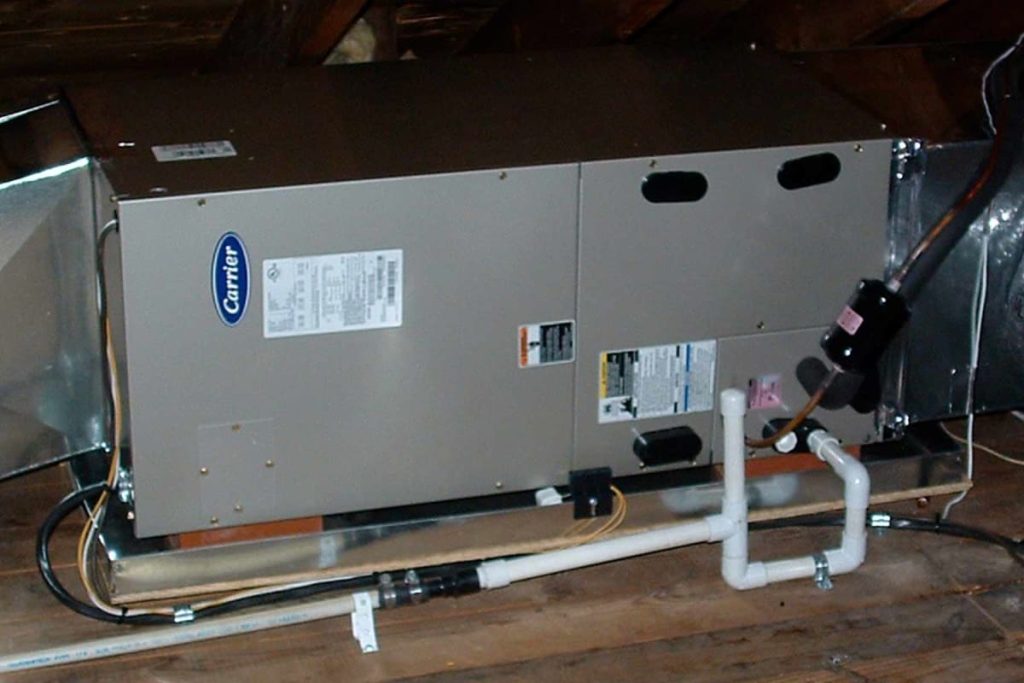
The drip pancollects water from condensation to prevent leaks. It is usually found inside the indoor unit, just below the evaporator coil. This spot catches water that drips during cooling.
Another common place is beneath the air handler. The drip pan sits under this unit to catch excess water. This helps protect floors and walls from damage.
Near the condensate drain line, the drip pan collects water before it drains out. It acts as a safety measure to catch spills or blockages in the drain line.
Signs Of A Missing Or Damaged Drip Pan
Water leaks around the air conditioneroften show a missing or damaged drip pan. The drip pan catches condensation from the unit. Without it, water can pool on floors or walls, causing damage. Look for damp spots or puddles near the AC. This is a clear sign the drip pan is not working or gone.
Unusual odors or mold growthmay also mean a problem with the drip pan. Stagnant water creates a perfect place for mold to grow. Mold smells musty and can cause health issues. Check under and around the AC for any black or green spots. These are signs of mold, often caused by a faulty drip pan.
How To Access The Drip Pan
The drip panis usually located beneath the indoor unit of the air conditioner. To access it, first turn off the power to the AC unit to avoid electric shock. Remove the front cover or panel by gently pulling or unscrewing it. The drip pan will be visible below the evaporator coils. It collects water from condensation and prevents leaks.
Tools Needed
- Screwdriver (usually Phillips or flathead)
- Flashlight for better visibility
- Bucket or container to catch water
- Cleaning cloth or sponge
- Protective gloves
Safety Precautions
- Always turn off the power before opening the unit.
- Wear gloves to protect your hands from sharp edges.
- Handle tools carefully to avoid damage or injury.
- Do not touch electrical parts with wet hands.
- Work in a well-lit area to see clearly.
Cleaning And Maintenance Tips
Remove debrislike leaves and dirt from the drip pan regularly. Standing water can cause mold and bad smells. Use a cloth or sponge to soak up water. Clean the pan with mild soap and water to stop bacteria growth.
Check the drip pan every one to two monthsduring the cooling season. Look for cracks or signs of rust. Fix small problems early to avoid bigger repairs. Keeping a regular inspection schedulehelps your air conditioner work well and last longer.
When To Replace The Drip Pan
The drip pancatches water from your air conditioner. Signs of wear and tearinclude cracks, rust, or water leaks under the unit. If you see mold or a bad smell, the pan may be damaged. A damaged drip pancan cause water damage to your home.
Choosing the right replacement is important for proper function. Look for a pan that fits your AC modeland is made from durable materials. Plastic pans resist rust, while metal pans are strong but may corrode. Consider size and shape to ensure a perfect fit.
Preventing Drip Pan Issues
Proper installation of the drip pan is crucialto avoid water damage. The pan must be placed directly under the air conditionerto catch all condensation. It should be level and securely fixedto prevent leaks. Using the right size pan ensures it can hold enough water without overflowing.
Routine HVAC maintenance helps keep the drip pan and system working well. Regularly check the pan for clogs, cracks, or rust. Clean the pan to prevent mold and blockages. Inspect drain lines to ensure water flows freely. Timely repairs can stop leaksand save money on bigger fixes.
Credit: www.walmart.com
Frequently Asked Questions
Where Is The Air Conditioner’s Drip Pan Located?
The air conditioner’s drip pan is typically located beneath the indoor evaporator coil unit. It collects condensation that drips from the coils. You may need to remove a panel or access door to see it. Ensure it’s clear of debris to prevent overflow and potential water damage.
How Do I Access The Air Conditioner’s Drip Pan?
To access the drip pan, first, turn off the air conditioner. Remove the front panel or access door near the indoor unit. The drip pan is usually located below the evaporator coils. Ensure it’s free from obstructions and regularly cleaned to maintain efficient operation and prevent water damage.
What Size Is A Typical Air Conditioner Drip Pan?
A typical air conditioner drip pan varies based on the unit’s size and model. However, most residential units have drip pans measuring around 24 to 36 inches wide. Always refer to the manufacturer’s specifications for exact dimensions when replacing or cleaning to ensure a proper fit.
How Often Should I Clean The Drip Pan?
It’s recommended to clean the drip pan every three months to prevent mold and clogs. Regular maintenance helps ensure efficient operation and prevents water damage. If you notice any unusual odors or leaks, clean it immediately and check for blockages in the drain line.
Conclusion
The drip pan plays a key role in keeping your air conditioner safe. It catches water that the unit creates while cooling. You can usually find it under or near the indoor unit. Cleaning and checking the drip pan helps stop leaks and mold growth.
Knowing its location helps you maintain your AC better. Take a moment to inspect it regularly. This simple step keeps your home dry and your air conditioner working well. Easy care goes a long way in avoiding costly repairs.