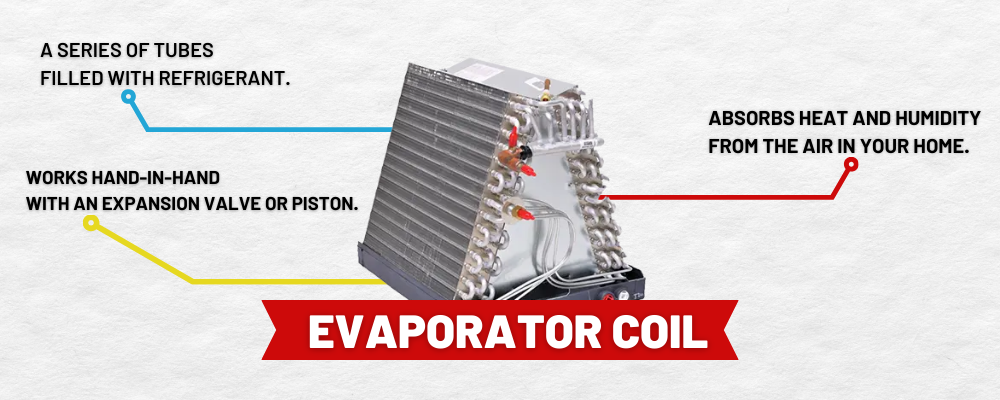
Have you ever wondered what part of your air conditioner actually cools the air you breathe? Knowing where the evaporator coil is located can help you understand how your AC works and why it sometimes stops cooling properly.
If you want to keep your home comfortable and avoid unexpected repairs, understanding this key component is essential. Keep reading to discover exactly where the evaporator coil is in your air conditioner and why it matters to you.
Evaporator Coil Basics
The evaporator coil is a key part of an air conditioner. It helps cool the air inside your home.
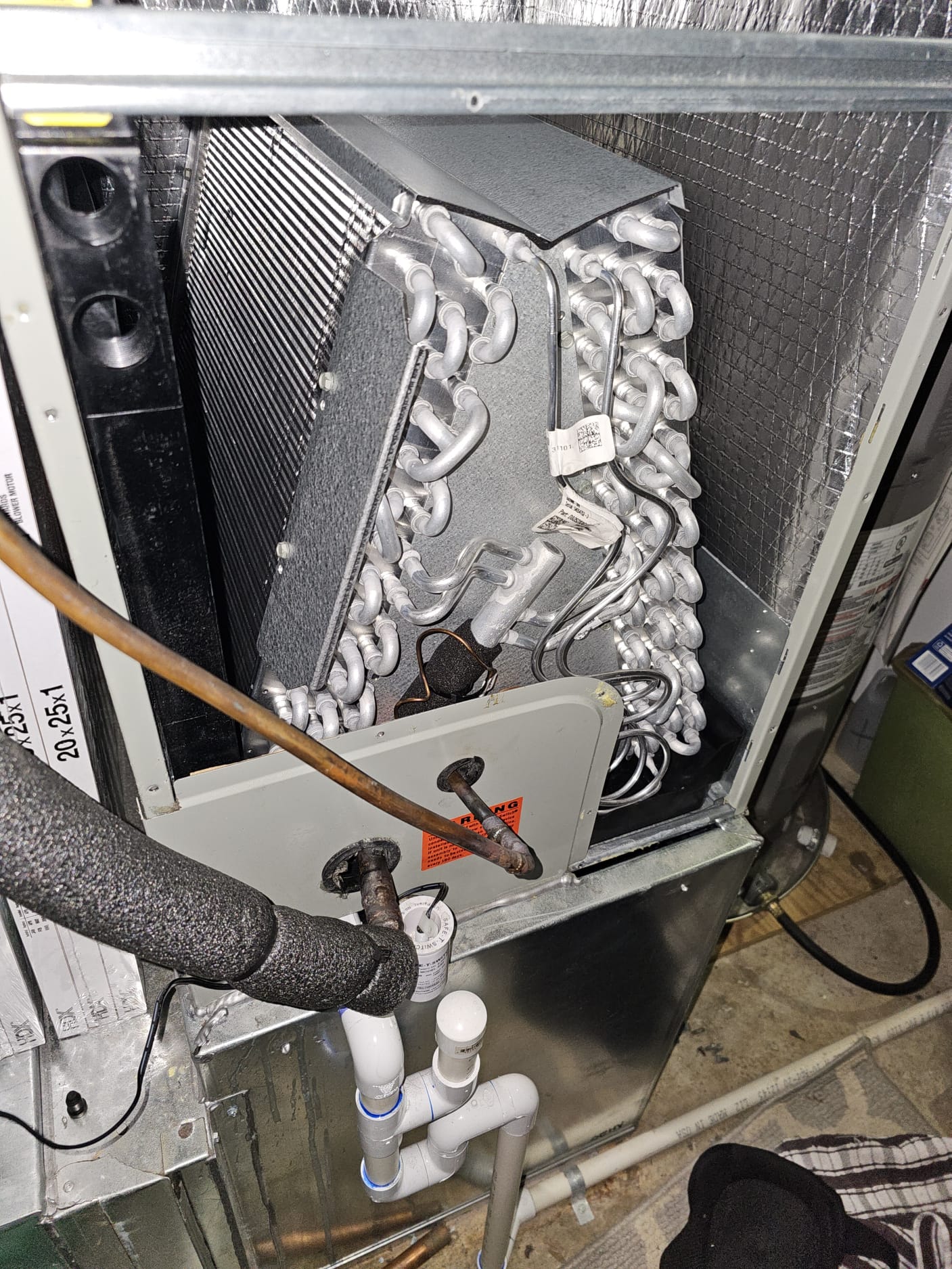
This coil is inside the indoor unit, usually in the air handler or furnace. It works with other parts to remove heat.
Role In Cooling Process
The evaporator coil cools the warm air from your house. It does this by absorbing heat with a cold refrigerant inside the coil.
Air blows over the coil, and the refrigerant inside changes from liquid to gas. This change pulls heat from the air, making it cooler.
Types Of Evaporator Coils
There are different types of evaporator coils. Each type fits specific air conditioner designs.
- Slab Coil:A flat coil that is easy to clean and repair.
- Spine Coil:Has a fin design that improves air flow and heat exchange.
- Microchannel Coil:Uses small tubes for better cooling and less refrigerant.
Credit: www.logan-inc.com
Common Locations In Ac Systems
The evaporator coil is a key part of an air conditioner. It helps cool the air inside your home. Knowing where it is can help with maintenance and repairs.
Evaporator coils are usually placed in specific spots in different AC systems. These spots allow the coils to cool the air effectively and safely.
Inside The Air Handler
In many central AC systems, the evaporator coil sits inside the air handler. The air handler moves air through the system and into your home.
The coil cools the air as the air handler pushes it through. This setup keeps the coil protected and easy to access for cleaning.
Near The Furnace
In some homes, the evaporator coil is located near the furnace. This is common in homes with combined heating and cooling systems.
The coil sits close to the furnace’s blower. This position lets the cool air blend with warm air when heating is off.
In Split System Indoor Units
Split system AC units have two parts: one outside and one inside. The evaporator coil is inside the indoor unit.
The indoor unit holds the coil and the fan. This setup cools the air before it moves through your home’s ducts.
Accessing The Evaporator Coil
The evaporator coil is a key part of an air conditioner. It helps cool the air inside your home. Knowing where it is and how to access it helps with maintenance and repairs.
This guide shows you how to safely access the evaporator coil. Follow each step carefully to avoid damage or injury.
Safety Precautions
Always put safety first when working on your air conditioner. Turn off the power before starting. Wear gloves and eye protection to avoid injury.
- Switch off the main power supply.
- Use insulated gloves to protect your hands.
- Wear safety goggles to guard your eyes.
- Work in a dry area to avoid electrical shocks.
- Keep children and pets away from the work zone.
Tools Needed
Gather these tools before accessing the evaporator coil. Having the right tools makes the job easier and safer.
| Tool | Purpose |
| Screwdriver | Remove access panel screws |
| Flashlight | See inside dark spaces |
| Gloves | Protect hands from sharp edges |
| Multimeter | Check electrical power off |
| Soft brush | Clean dust from the coil |
Step-by-step Access Guide
Follow these steps carefully to find and access the evaporator coil in your air conditioner.
- Turn off the air conditioner and unplug it from the power source.
- Locate the indoor air handler unit where the evaporator coil is housed.
- Use a screwdriver to remove the screws on the access panel.
- Gently remove the access panel to expose the evaporator coil.
- Use a flashlight to inspect the coil for dirt or damage.
- If needed, clean the coil with a soft brush and avoid bending the fins.
- Replace the access panel and secure it with screws.
- Restore power and turn on the air conditioner to test it.
Signs Of Evaporator Coil Problems
The evaporator coil in an air conditioner helps cool your home. It absorbs heat from the air inside your house. If the coil has problems, your AC may not work well.
Knowing the signs of evaporator coil issues can help you fix them early. This keeps your AC running efficiently and saves money.
Reduced Cooling Efficiency
If your air conditioner does not cool the room like before, the evaporator coil might be dirty or damaged. This lowers the cooling power and raises energy costs.
- Longer time to cool the room
- Warm air blowing from vents
- Higher electric bills without more use
- Frequent cycling on and off
Ice Formation
Ice on the evaporator coil or refrigerant lines shows a problem. It can block airflow and stop the AC from cooling.
| Cause | Effect |
| Dirty coil | Reduces heat absorption, causes freezing |
| Low refrigerant | Coil gets too cold, ice forms |
| Poor airflow | Coil temperature drops, ice builds up |
Unusual Noises
Strange sounds from the air conditioner may mean the evaporator coil is damaged or dirty. These noises can warn you of bigger problems.
- Hissing or bubbling sounds
- Rattling or clanking noises
- Whistling during operation
- Buzzing from electrical issues
Maintenance Tips
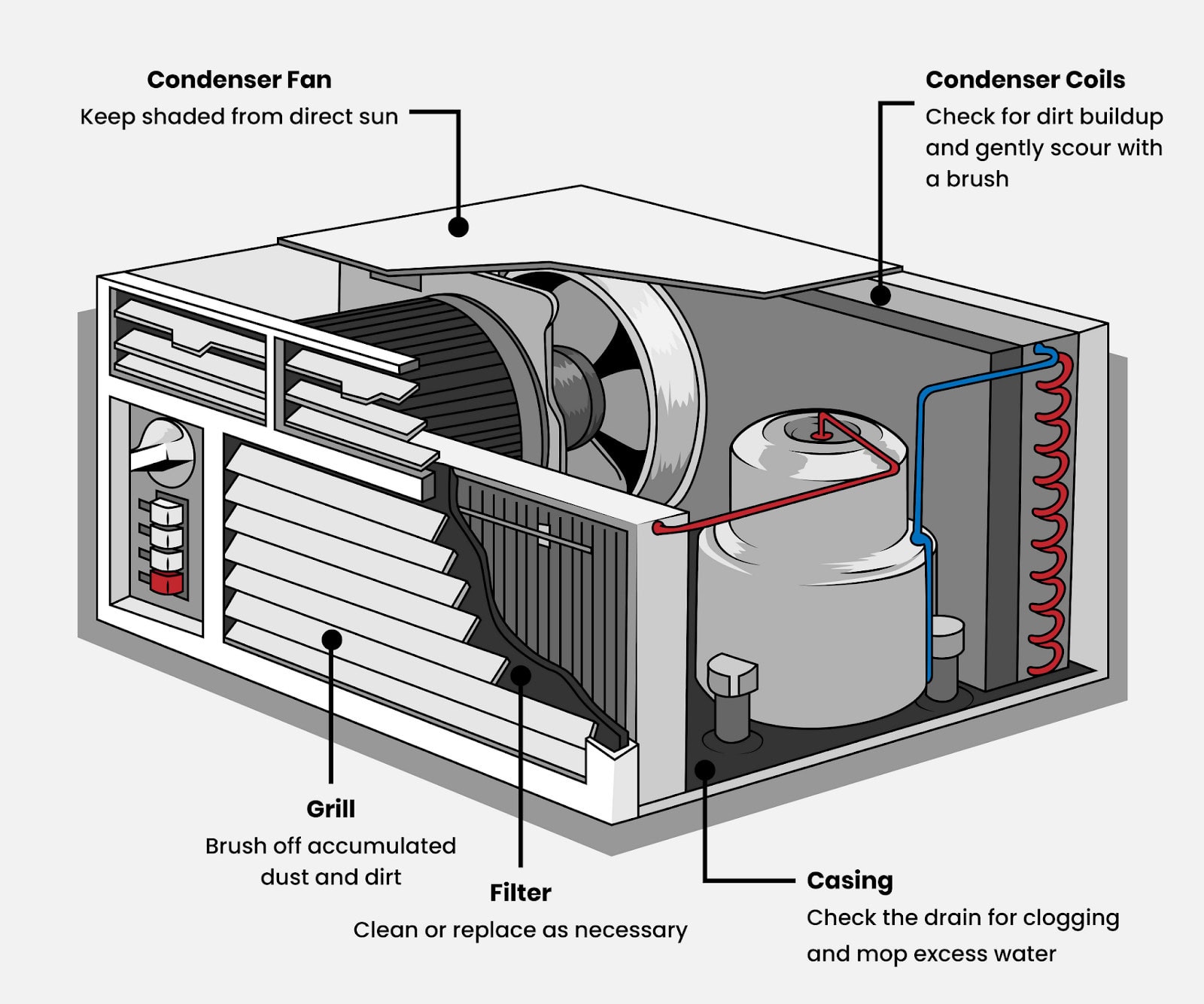
The evaporator coil is a key part of your air conditioner. Keeping it clean helps the system run well. Regular care prevents problems and saves energy.
Below are some simple tips to maintain your evaporator coil. These steps keep your air conditioner working efficiently and extend its life.
Regular Cleaning
Dirt and dust collect on the evaporator coil. Cleaning it often stops buildup that lowers cooling power. Use a soft brush or cloth to remove dust gently.
- Turn off power before cleaning
- Remove debris around the coil area
- Use a no-rinse coil cleaner spray
- Clean fins carefully to avoid damage
- Allow coil to dry before powering on
Filter Replacement
Filters stop dust from reaching the evaporator coil. Dirty filters reduce airflow and cause coil frost. Replace filters regularly to protect the coil and improve air quality.
| Filter Type | Replacement Frequency |
| Basic Fiberglass | Monthly |
| Pleated Filter | Every 3 months |
| High-Efficiency Filter | Every 6 months |
Professional Inspection
Experts check the evaporator coil for leaks, corrosion, and damage. They clean hard-to-reach areas and test system performance. Schedule a yearly inspection to keep your air conditioner in top shape.
- Check coil for dirt and damage
- Test refrigerant levels
- Inspect drain lines and pans
- Examine electrical connections

Credit: www.achrnews.com
When To Replace The Evaporator Coil
The evaporator coil is a key part of an air conditioner. It helps cool the air inside your home. Knowing when to replace the coil can save you money and keep your AC working well.
Replacing the evaporator coil is not common, but sometimes it is needed. This guide explains signs of damage, costs, and how to pick a new coil.
Damage Indicators
Look for signs that the evaporator coil is damaged. These signs show the coil may need replacement.
Common damage indicators include leaks, ice buildup, and poor cooling. If your AC is not cooling well or making strange noises, the coil might be the cause.
- Visible refrigerant leaks on or near the coil
- Ice forming on the coil or pipes
- Warm air blowing from vents
- Unusual smells or noises from the AC unit
- Frequent need to recharge refrigerant
Cost Considerations
Replacing the evaporator coil can be costly. The price depends on the coil type and labor fees. Older units may cost more to fix.
Sometimes, replacing the whole AC system is cheaper than fixing the coil. Ask for a cost estimate before deciding.
- New coil cost ranges from $400 to $1000
- Labor fees usually add $200 to $600
- Older AC units might need more expensive parts
- Replacing the whole system can cost $3000 or more
Choosing A Replacement
Pick a replacement coil that fits your AC model. Using the right coil ensures the system works well and lasts longer.
Consult a professional to find the correct coil size and type. Quality and warranty are also important when choosing a replacement.
- Match the coil size to your AC unit
- Choose coils made from durable materials
- Look for products with good warranties
- Hire a certified technician for installation
Credit: blog.totalhomesupply.com
Frequently Asked Questions
Where Is The Evaporator Coil Located In An Ac Unit?
The evaporator coil is inside the indoor air handler or furnace. It cools the air by absorbing heat from inside your home.
How Can I Access The Evaporator Coil In My Ac?
You can access it by removing the service panel on your indoor unit. Always turn off power before inspecting the coil.
Why Is The Evaporator Coil Important In Air Conditioning?
It absorbs heat from the indoor air, enabling cooling. Without it, the AC cannot effectively lower the room temperature.
What Are Signs Of A Dirty Evaporator Coil?
Reduced cooling, higher energy bills, or ice buildup on the coil indicate dirt. Regular cleaning keeps the coil efficient.
Conclusion
Finding the evaporator coil is important for air conditioner maintenance. It usually sits inside the indoor unit. Often near the blower fan. Knowing its location helps with cleaning. Also aids in troubleshooting issues. Proper care ensures your air conditioner runs efficiently.
Regular checks can prevent costly repairs. Keep your cooling system in top shape. Better performance means comfort in hot months. This knowledge empowers you in home maintenance. Understanding your system saves time and money. Keep cool and comfortable with a well-maintained air conditioner.