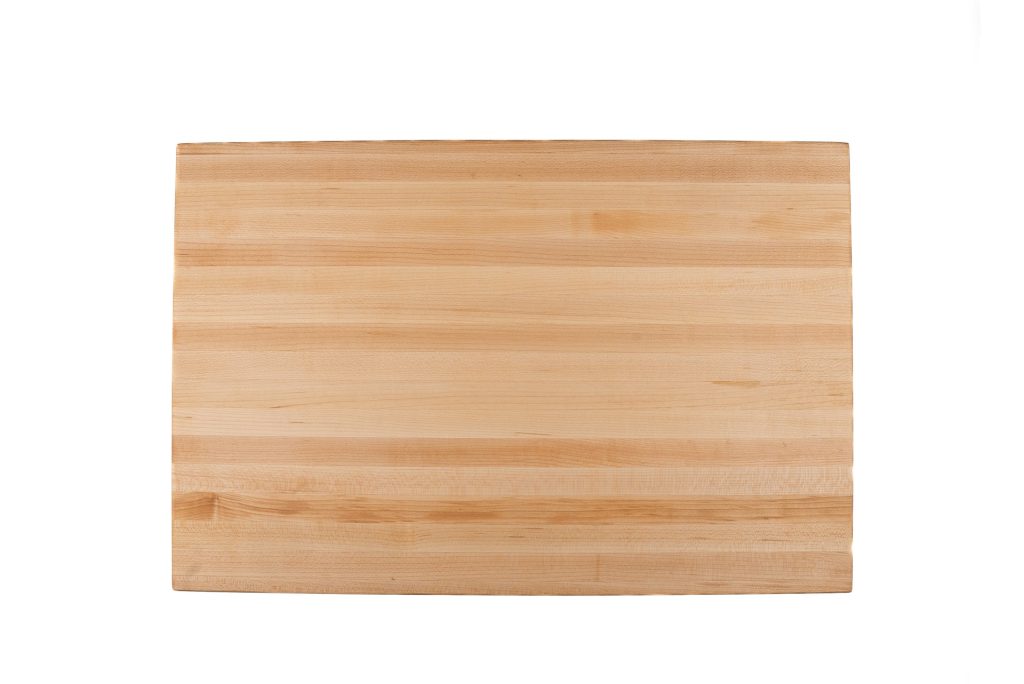
Are you ready to make your own cutting board but unsure where to find the best wood? Choosing the right wood is key to creating a durable, safe, and beautiful board you’ll love using every day.
In this guide, you’ll discover the top places to buy quality wood that fits your budget and project needs. Whether you’re a beginner or a seasoned woodworker, knowing where to get the perfect wood can save you time, money, and frustration.
Keep reading to find out exactly where you should shop to get started on your cutting board today.
Types Of Wood For Cutting Boards
Choosing the right wood is important for making a good cutting board. Wood affects how the board looks and how long it lasts.
Different types of wood have different hardness, grain, and durability. These factors change how safe and easy it is to use the board.
Hardwoods Vs Softwoods
Hardwoods come from trees that lose their leaves. They are usually harder and last longer. Softwoods come from trees with needles and stay green all year. They are softer and not as strong.
Hardwoods are better for cutting boards. They resist cuts and scratches. Softwoods can get damaged easily and may hold bacteria.
Popular Wood Choices
People use many types of wood for cutting boards. Some woods are easy to find, and others are known for their strength.
- Maple – very hard and light in color
- Walnut – dark and strong wood
- Cherry – reddish and smooth texture
- Bamboo – fast-growing grass, hard and eco-friendly
- Teak – oily wood that resists water
Wood Grain And Durability
Wood grain means how wood fibers grow. End grain boards show the wood ends, making a soft cutting surface.
Face grain boards show the side of the wood. They are less durable and can get cut marks faster. End grain boards last longer and are better for knives.
- End grain is softer on knives
- Face grain shows wood pattern clearly
- Harder wood grains last longer
- Close grain woods are less porous
Local Lumberyards And Woodshops
Buying wood for a cutting board from local lumberyards and woodshops offers many benefits. These places provide fresh, quality wood that fits your needs. You can see and feel the wood before buying it.
Local sources often have rare and unique wood types. They support your community and reduce shipping costs. Let’s explore why buying locally is a smart choice for your cutting board project.
Benefits Of Buying Locally
Buying wood locally helps you get fresh and well-maintained materials. You avoid long shipping times and possible damage. Local sellers often provide better advice for your project.
You also support local business and the local economy. This keeps your community strong. It lowers the environmental impact from less transportation.
- Fresh wood with less chance of damage
- Personal advice from experts
- Supports local economy
- Reduces environmental impact
Finding Quality Wood Nearby
Local lumberyards and woodshops often carry hardwoods ideal for cutting boards. Look for maple, cherry, walnut, or oak. These woods are hard, durable, and safe for food use.
Visit the store to check the wood’s grain, moisture, and any defects. Staff can help you pick the best pieces. You may find smaller offcuts perfect for cutting boards too.
- Choose hardwoods like maple or walnut
- Inspect wood grain and moisture levels
- Ask staff for recommendations
- Look for offcuts and smaller pieces
Custom Cutting And Services
Many local woodshops offer custom cutting services. They can cut wood to your exact size and shape. This saves you time and effort at home.
Some shops also provide sanding, planing, or finishing services. This helps you get a smoother and ready-to-use cutting board. Ask about any extra services they offer.
- Custom cuts to fit your project
- Sanding and smoothing services
- Planing for even thickness
- Advice on finishing options
Online Wood Suppliers
Buying wood online is an easy way to get quality materials. Many websites offer wood suitable for cutting boards.
Choosing the right supplier helps you find the best wood type and size. It also saves time and effort.
Top Websites For Wood
Some websites specialize in hardwoods great for cutting boards. They provide clear details on wood types and cuts.
- Woodworkers Source – Offers a wide selection of hardwoods.
- Bell Forest Products – Known for quality cutting board wood.
- Rockler – Supplies various wood species and sizes.
- Amazon – Has many sellers with different wood options.
- Woodcraft – Provides premium wood pieces and kits.
Ordering And Shipping Tips
Check wood dimensions before ordering to fit your project. Confirm the species and grade to ensure quality.
Look for shipping options that protect the wood from damage. Ask about delivery times and return policies.
- Measure the wood thickness and length you need.
- Choose suppliers with good packaging reviews.
- Consider shipping costs in your budget.
- Track your order to avoid delays.
- Contact customer service for questions before buying.
Customer Reviews And Ratings
Reading reviews helps find reliable wood suppliers. Customers share their experiences with wood quality and shipping.
Look for comments about wood condition on arrival and seller support. High ratings often mean good service.
- Check for photos of the wood from buyers.
- Note any issues with damage or delays.
- See if customers mention the exact wood species.
- Compare ratings across different websites.
- Use reviews to decide which supplier suits your needs.
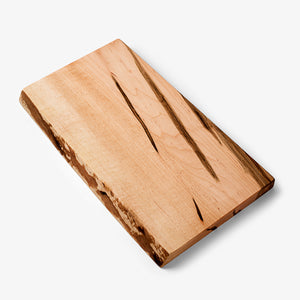
Credit: stinsonstudios.ca
Specialty Wood Sources
Choosing the right wood is important for cutting boards. Specialty woods offer unique looks and qualities. They often have great durability and beauty.
Many woodworkers look for special sources to find wood that stands out. These sources include reclaimed wood, exotic woods, and eco-friendly options.
Reclaimed And Salvaged Wood
Reclaimed wood comes from old buildings, furniture, or other wood items. It has a weathered look and rich history. This wood is often stronger and more stable.
Salvaged wood helps reduce waste. It is a good choice for people who want to reuse materials. Each piece is unique with natural character.
- Old barn wood
- Wood from dismantled furniture
- Wood from old flooring or beams
Exotic And Rare Woods
Exotic woods come from faraway places. They have unusual colors and patterns. These woods can make cutting boards look special and elegant.
Rare woods are harder to find. They may need special care and finishing. These woods often have fine grain and smooth texture.
- Teak from Southeast Asia
- Purpleheart from Central America
- Padauk from Africa
Sustainable And Eco-friendly Options
Sustainable wood comes from forests that are carefully managed. This wood is harvested without harming the environment. It helps protect trees for the future.
Eco-friendly options include woods certified by groups like FSC. These woods are good for people who want to make green choices.
- Bamboo, a fast-growing grass
- Maple from certified forests
- Cherry wood from sustainable sources
What To Look For When Buying Wood
Choosing the right wood is important for making a good cutting board. The wood must be safe, strong, and last a long time.
Look at factors like moisture, wood quality, and size. These affect how the board works and how long it stays in good shape.
Moisture Content And Drying
Wood with too much moisture can warp or crack over time. Dry wood is better for cutting boards because it stays stable.
Look for wood that is well dried or kiln-dried. This type of wood has less water and is less likely to change shape.
- Moisture content should be below 10%
- Air-dried or kiln-dried wood is preferred
- Wet or green wood may warp or split
Wood Quality And Defects
High-quality wood looks even and has no cracks. Avoid wood with knots or holes because they weaken the board.
Check for insect damage or rot. These defects can ruin the wood and make it unsafe to use.
- Choose wood without cracks or splits
- Avoid wood with large knots
- No signs of insect damage or rot
- Look for smooth, tight grain
Size And Thickness Considerations
Cutting boards need enough thickness to be strong. Thin boards can bend or break easily.
Choose wood pieces that are wide and long enough for your board size. This helps reduce joints and weak spots.
- Thickness should be at least 1 inch (2.5 cm)
- Wider boards need wider wood pieces
- Longer boards may require joining wood strips
- Check for flat, even surfaces

Credit: www.amazon.ca
Budgeting For Cutting Board Wood
Choosing wood for a cutting board affects the final cost. Budgeting helps you pick the best wood without overspending.
Different wood types have different prices. Understanding these costs can save money and improve your project.
Cost Comparison Of Wood Types
Some woods cost more because they are rare or hard to work with. Others are cheaper but still good for cutting boards.
| Wood Type | Average Cost per Board Foot | Notes |
|---|---|---|
| Maple | $5 – $8 | Popular, durable, and affordable |
| Walnut | $8 – $12 | Dark color, higher price |
| Cherry | $7 – $10 | Medium price, smooth finish |
| Bamboo | $3 – $6 | Eco-friendly, cheaper alternative |
| Exotic Woods (Teak, Purpleheart) | $15+ | Rare and expensive |
Where To Save And Where To Splurge
Save money on the wood grain that will not show much. Splurge on wood that touches food and gets wear.
Use cheaper wood for the board’s base or sides. Spend more on the cutting surface for durability and safety.
- Save on backing wood or edges
- Splurge on hardwood for the cutting surface
- Use finishes carefully to protect expensive wood
Buying In Bulk Vs Small Quantities
Buying wood in bulk lowers the cost per board foot. It is good if you plan to make many cutting boards.
Small quantities are good for one project. They cost more but reduce waste and storage needs.
- Bulk buying saves money but needs storage space
- Small buys suit single or few projects
- Check local suppliers for best deals

Credit: www.amazon.ca
Frequently Asked Questions
Where Can I Buy Quality Wood For Cutting Boards?
You can buy quality wood at local lumberyards, woodworking stores, or specialty online retailers. Look for hardwoods like maple, walnut, or cherry. These woods are durable and food-safe, making them ideal for cutting boards. Always check for untreated, kiln-dried wood to avoid warping.
What Types Of Wood Are Best For Cutting Boards?
Hardwoods such as maple, walnut, cherry, and oak are best. They are dense, durable, and resistant to bacteria. Avoid softwoods like pine, which can dent easily. Choose wood with tight grain to prevent moisture absorption and increase longevity.
Is It Better To Buy Wood Online Or In-store?
Buying in-store lets you inspect wood quality and grain patterns personally. Online offers wider selections and often better prices. Choose trusted sellers with good reviews for both options. Always verify the wood is untreated and suitable for food use.
How Much Does Quality Cutting Board Wood Cost?
Prices vary by wood type and size but generally range from $5 to $20 per board foot. Exotic woods cost more. Buying in bulk or scrap wood can save money. Always prioritize quality over cost for durability and safety.
Conclusion
Finding the right wood for your cutting board is important. Choose wood that is safe and durable. Local lumberyards and craft stores often have good options. Online stores offer a wide variety and easy delivery. Think about the wood’s hardness and grain before buying.
Quality wood makes your cutting board last longer. Take your time to pick the best fit. Your cutting board will be strong and beautiful with the right wood. Happy woodworking!