Are you wondering where to dispose of your old air conditioner safely and responsibly? You might think it’s as simple as tossing it out with regular trash, but that could harm the environment and even break the law.
Knowing the right places to take your AC unit not only protects the planet but also saves you from potential fines and hassle. You’ll discover easy, practical options for disposing of your air conditioner the right way. Keep reading to learn how to handle your old unit without stress and with a positive impact.

Credit: www.acdirect.com
Why Proper Ac Disposal Matters
Improper disposal of air conditioners can harm the environment. These devices contain harmful chemicalslike refrigerants. When released, they can damage the ozone layerand contribute to global warming. Old units also have metals and plastics that pollute soil and water.
Proper disposal helps protect nature and human health. It ensures that hazardous materialsare handled safely. Recycling parts reduces waste and saves resources.
| Legal Requirements | What It Means |
|---|---|
| Special Handling | AC units must be taken to certified disposal centers. |
| Refrigerant Recovery | Removing refrigerants before disposal is mandatory. |
| Penalties | Fines may apply for illegal dumping or disposal. |
Preparing Your Ac For Disposal
First, turn off the AC unitand unplug it from the power source. This ensures safety during removal. Avoid touching any electrical parts while disconnecting.
Next, remove refrigerants safely. These chemicals can harm the environment if released. Use a certified technician to handle this step. They will properly recover and recycle refrigerants.
Never release refrigerants into the air. Proper handling keeps everyone safe and follows the law.
Local Disposal Options
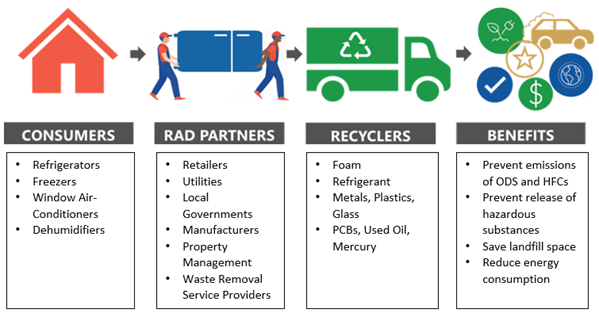
Many cities have municipal waste facilitiesfor disposing of air conditioners. These centers accept old units safely. They handle harmful chemicals like refrigerants properly. This helps protect the environment.
Authorized recycling centers also take old air conditioners. They separate parts to reuse materials like metal and plastic. This process reduces waste and saves resources.
- Check local waste facility hours before visiting.
- Bring proof of residence if required.
- Call recycling centers to confirm accepted items.
- Some places offer free drop-off services.
Credit: nixxitjunk.com
Retailer And Manufacturer Programs
Many retailers and manufacturersoffer programs to help you dispose of old air conditioners safely. These programs ensure that harmful parts are recycled properly.
Take-back programslet you return your used air conditioner to the store or company. They often handle the recycling or safe disposal for you. This helps keep harmful chemicals out of the environment.
Trade-in offersallow you to exchange your old unit for a discount on a new one. This encourages you to replace older, less efficient models with newer, eco-friendly options. It also ensures the old unit is disposed of responsibly.
- Clean the unit before returning
- Check if your retailer offers a take-back program
- Ask about trade-in discounts when buying a new AC
Professional Disposal Services
Hiring certified techniciansensures safe and proper air conditioner disposal. These experts have training to handle refrigerantsand other harmful parts carefully. They follow legal rulesto protect the environment from damage.
Costs may vary depending on the service provider and location. Some companies charge a flat fee, while others price based on unit size or complexity.
| Cost Range | Benefits |
|---|---|
| $50 – $150 |
|
Diy Recycling Tips
Many parts of an air conditioner can be reused or recycled. Motors, compressors, and fansoften work fine after removal. Metal frames and copper tubing can be sold as scrap. Electronic componentslike circuit boards may be useful for repairs. Carefully remove parts without damaging them.
Wear gloves and safety glassesto protect yourself. Disconnect the power source before starting work. Avoid touching refrigerant lines to prevent chemical exposure. Use tools designed for electrical and mechanical work. Dispose of refrigerant properly through a certified service. Keep the work area clean and well-ventilated.
Avoiding Common Disposal Mistakes
Illegal dumpingof air conditioners can harm the environment. It causes pollution and can lead to fines or legal trouble. Dumping AC units in wrong places can hurt plants, animals, and water.
Refrigerantsinside air conditioners are harmful gases. They must be removed carefully by trained people. Ignoring refrigerant handlingcan release these gases, causing damage to the ozone layer and air quality.
Proper disposal helps protect nature and keeps communities safe. Always use licensed recycling centersor services that follow rules for air conditioner disposal.
Resources For Ac Disposal
Many cities have specific rulesfor disposing of air conditioners. These rules help protect the environment and keep harmful chemicals from leaking. Check your city or town’s official website for local disposal guidelines. Some places require you to take the AC to a special recycling center.
Online tools can make finding these places easier. Websites often have search functionswhere you enter your zip code or city. This shows nearby recycling centersor events for collecting old appliances. Some tools also list feesor requirements for dropping off your AC unit.
- Visit local government websites for rules
- Use online search tools by zip code
- Look for special recycling or collection events
- Check for any fees or paperwork needed

Credit: bigrichhauling.com
Frequently Asked Questions
How To Dispose Of An Air Conditioner Safely?
To dispose of an air conditioner safely, contact a local waste management service. They can guide you on proper disposal methods. Many areas offer recycling programs specifically for appliances containing refrigerants. Ensure the refrigerant is handled by a professional to prevent environmental harm.
Can You Recycle An Old Air Conditioner?
Yes, you can recycle an old air conditioner. Many recycling centers accept appliances. They safely extract harmful refrigerants and metals for reuse. Check with local centers for specific procedures. Recycling helps reduce environmental impact and conserves natural resources.
Where Can You Drop Off A Broken Air Conditioner?
You can drop off a broken air conditioner at designated recycling centers. Some retailers also offer take-back programs. Contact your local waste management authority for guidance. They provide details on drop-off locations and handling procedures.
What Are The Environmental Impacts Of Improper Disposal?
Improper disposal of air conditioners releases harmful refrigerants into the atmosphere. This contributes to ozone layer depletion and climate change. Metals and plastics can also harm ecosystems. Always dispose of appliances through proper channels to minimize environmental impact.
Conclusion
Proper disposal of your air conditioner protects the environment. Take your unit to a certified recycling center or a local waste facility. Some stores offer take-back programs when you buy a new AC. Never throw your air conditioner in the trash.
Doing so can release harmful chemicals into the air and water. Follow local rules and guidelines for safe disposal. This helps conserve energy and reduces pollution. Keep these tips in mind to dispose of your air conditioner responsibly. Your actions make a difference for a cleaner, healthier planet.