Are you staring at that old dishwasher, wondering where it belongs now that it no longer fits in your kitchen? Don’t worry, you’re not alone.
Many of us face this dilemma when it’s time to upgrade our home appliances. You know it’s not as simple as putting it out with the regular trash. So, where should you dispose of it responsibly? You’ll uncover the best options that are not only convenient but also eco-friendly.
Imagine feeling the peace of mind knowing you’ve made the right choice for your home and the environment. Ready to discover the perfect solution for your dishwasher disposal? Let’s dive in!
Safe Disposal Options
Disposing of your old dishwasher safely is important for both the environment and your community. You want to avoid simply tossing it out with regular trash, which can harm the planet and may even be illegal in your area. Luckily, there are several responsible ways to get rid of your dishwasher that keep harmful materials out of landfills and allow valuable parts to be reused.
Local Recycling Centers
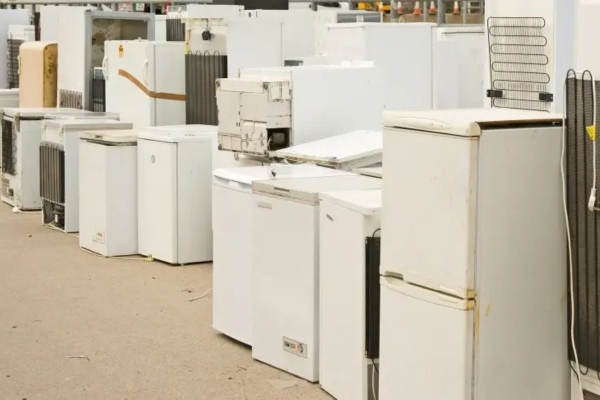
Many communities have recycling centers that accept large appliances like dishwashers. These centers break down the appliance, separating metals, plastics, and electronics for recycling. You can often drop off your dishwasher for free or for a small fee.
Before you go, check the center’s website or call to confirm they accept dishwashers. Some centers require you to remove certain parts or fluids before drop-off. Have you ever noticed how much metal is inside your dishwasher? Recycling it helps reduce the need for mining new materials.
Municipal Waste Programs
Some cities offer special waste collection services for appliances. These municipal programs may include scheduled bulky item pickups or designated drop-off events. This option is convenient if you don’t have a way to transport your dishwasher to a recycling center.
Contact your local waste management office to learn about the schedule and any preparation needed. Sometimes you might need to schedule a pickup in advance or pay a small disposal fee. Do you know if your city has a program like this? It’s worth checking before you toss your dishwasher in the trash.
Retailer Take-back Services
If you’re buying a new dishwasher, many retailers offer take-back services for your old unit. They often handle the pickup and recycling for you, simplifying the process. This is especially helpful if you don’t want to deal with transportation or disposal logistics.
Ask your retailer if they provide this service when you purchase your new dishwasher. Some stores include it for free, while others charge a small fee. Have you ever taken advantage of a retailer’s take-back program? It can save you time and ensure your dishwasher is disposed of responsibly.
Credit: samrinc.com
Donation And Reuse
Donation and reuse offer a great way to give your old dishwasher a second life. This choice helps reduce waste and supports others in need. Many organizations and platforms accept dishwashers that still work or can be fixed. Donating saves resources and benefits communities.
Charity Organizations
Charity organizations often accept appliances for families facing financial difficulties. Your dishwasher can help someone save money on household items. Before donating, check if the appliance works well or needs minor repairs. Some charities offer pickup services for large items like dishwashers.
Community Swap Events
Community swap events allow neighbors to exchange household items without cost. These events promote reuse and reduce trash in landfills. Bring your dishwasher to a local swap meet if it is in good condition. You might find another useful appliance in return.
Online Marketplaces
Online marketplaces connect donors with buyers or people seeking appliances. Websites and apps let you list your dishwasher with photos and descriptions. You can offer it free or at a low price. Make sure to provide honest details about its condition to avoid misunderstandings.
Preparing Your Dishwasher
Getting your dishwasher ready for disposal takes more than just unplugging it. Proper preparation protects your home, the environment, and makes the disposal process smoother. Taking a little time now can save you headaches later.
Cleaning And Draining
Start by removing any leftover dishes or food scraps inside the dishwasher. Run a quick rinse cycle to clear out soap residue and water. After the cycle ends, open the door and leave it ajar to let the interior dry completely—this prevents mold and unpleasant smells.
Next, disconnect the dishwasher from the water supply and drain out any remaining water from the hoses. You can place a shallow pan under the drain hose to catch drips. Have you noticed how much water can still be trapped inside? Draining it all avoids leaks during transport.
Removing Hazardous Components
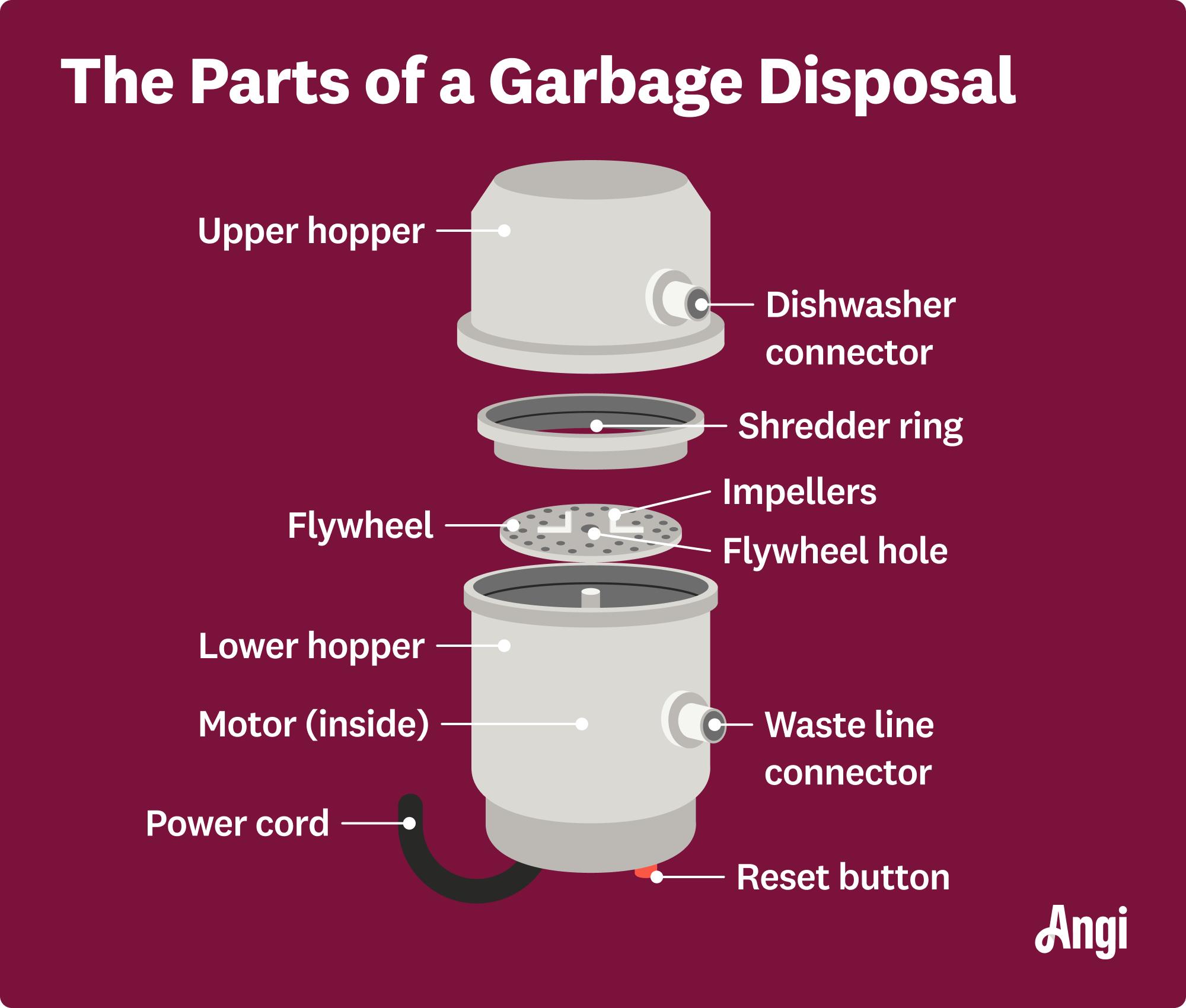
Dishwashers contain parts that need special handling. Check your manual or online resources to identify components like filters, heating elements, or electronic boards. Carefully remove these parts if you can, especially if your local disposal site requests it.
Some dishwashers have refrigerants or other chemicals—rare but possible in certain models. These substances require professional removal. If unsure, contact a certified technician to prevent harm to yourself and the environment.
Disassembling For Transport
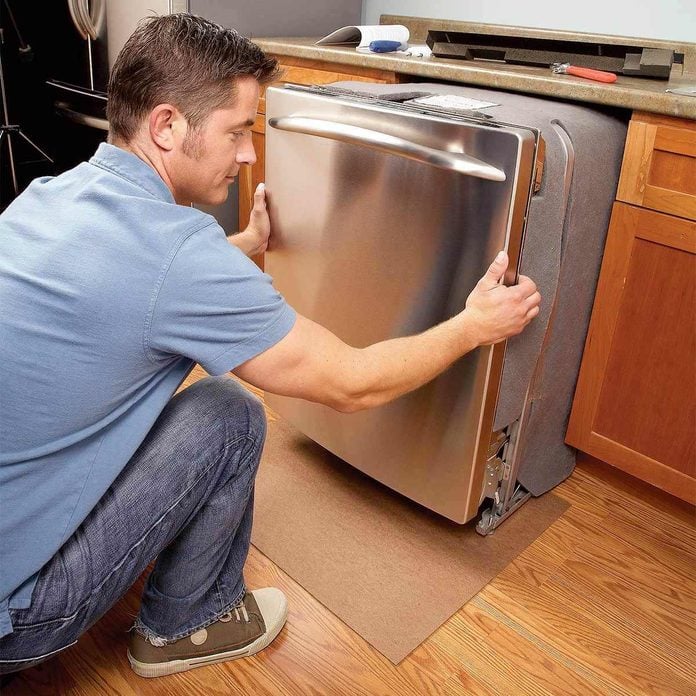
Dishwashers can be bulky and awkward to move. Detach any removable racks, trays, or panels to lighten the load. Wrapping sharp edges with cloth or bubble wrap protects you and your home during the move.
Label any cords or parts you take off so reassembly or recycling centers can easily identify them. Think about how you’ll carry the dishwasher—removing the door or handles might give you a better grip. Have you tried moving a dishwasher without prepping it? It’s more challenging than it seems.
Credit: www.angi.com
Eco-friendly Disposal Benefits
Choosing to dispose of your dishwasher in an eco-friendly way brings more than just peace of mind. It actively contributes to a healthier planet and can even save resources that matter for future generations. Let’s look at how your decision impacts the environment and why it’s worth the effort.
Reducing Landfill Waste
Dishwashers are bulky items that take up a lot of space in landfills. When you recycle or properly dispose of your appliance, you prevent it from adding to the growing mountain of waste. Imagine how much room you free up for items that truly need to be discarded.
Many parts of a dishwasher, like metal and plastic, can be reused. By ensuring these parts don’t end up in a landfill, you help reduce the strain on waste management systems. Have you considered how much easier it would be if fewer appliances clogged landfill sites?
Conserving Resources
Dishwashers contain valuable materials such as steel, copper, and electronic components. Recycling these materials means fewer new resources must be mined or produced. This directly conserves natural resources like ore and water.
Think about the energy saved when recycled metals are used instead of extracting fresh ore. It’s a simple action that reduces the demand on energy-hungry processes. Have you ever thought about how much energy goes into producing just one appliance?
Minimizing Environmental Impact
Improper disposal of dishwashers can release harmful chemicals and pollutants into the soil and water. Eco-friendly disposal methods ensure these toxins are handled safely and don’t harm ecosystems. Your choice can help protect wildlife and maintain clean water sources.
When you take your dishwasher to a certified recycling center, hazardous components like refrigerants and electronic waste are dealt with properly. This stops dangerous substances from entering the environment. What if every appliance owner took this responsibility seriously?
Costs And Incentives
Disposing of your old dishwasher can involve some costs, but there are also ways to save money or even earn a rebate. Understanding the fees and incentives available can help you make a smarter decision. Are you ready to find out how to reduce the cost or get paid for recycling your appliance?
Potential Fees
Some disposal options come with a fee. For example, dropping off your dishwasher at a local landfill or waste facility might cost you between $10 and $30. In certain cities, bulky item pickup services may charge a small fee or require a special sticker.
Keep in mind that improper disposal could lead to fines if local regulations are strict. Always check your area’s rules before tossing out your dishwasher.
Recycling Rebates
Many municipalities and utility companies offer rebates when you recycle your old dishwasher. These incentives encourage environmentally friendly disposal and can sometimes cover part of the cost of a new appliance.
For instance, some programs provide $20 to $50 back after you submit proof of recycling. Are you taking advantage of these money-saving opportunities when you upgrade your kitchen?
Trade-in Offers
Retailers and manufacturers often run trade-in deals to help you swap your old dishwasher for a discount on a new one. These offers can reduce the price by $50 or more, making it easier to invest in energy-efficient models.
When I recently bought a new dishwasher, I saved $75 by trading in my old unit. Before you buy, ask your retailer if they have a trade-in program—it could be a simple way to save money and dispose of your appliance responsibly.
Credit: www.familyhandyman.com
Avoiding Common Mistakes
Disposing of a dishwasher requires care to avoid mistakes. These errors can lead to fines, harm the environment, or waste valuable materials. Understanding the risks helps in making safer and smarter choices. Follow these tips to dispose of your dishwasher responsibly and avoid common pitfalls.
Illegal Dumping Risks
Throwing a dishwasher in unauthorized places is illegal. It can cause pollution and damage local ecosystems. Authorities may impose fines or penalties for dumping. Use approved disposal sites to prevent legal troubles. Always check local rules before disposal.
Neglecting Hazardous Materials
Dishwashers contain parts that may be harmful. Some components hold refrigerants or chemicals that need special handling. Ignoring these materials risks health and environmental safety. Proper disposal ensures these substances do not leak. Contact waste centers for guidance on hazardous parts.
Missing Recycling Opportunities
Dishwashers include metals and plastics that can be recycled. Throwing these away wastes resources and energy. Recycling reduces landfill waste and saves raw materials. Many centers accept appliances for recycling free or at low cost. Separate recyclable parts if possible to make recycling easier.
Frequently Asked Questions
Where Can I Recycle My Old Dishwasher Safely?
You can recycle dishwashers at local recycling centers or scrap yards. Many offer free appliance recycling. Check with your city’s waste management website for locations.
Can I Donate A Working Dishwasher?
Yes, if your dishwasher works well, donate it to charities or thrift stores. This helps others and reduces waste.
How To Dispose Of A Dishwasher Responsibly?
Contact your local waste management for appliance pickup or drop-off. Avoid landfill disposal to protect the environment.
Is There A Fee For Dishwasher Disposal?
Some recycling centers charge a small fee, while others offer free disposal. Confirm fees with your local facility beforehand.
Conclusion
Proper dishwasher disposal helps protect the environment and saves resources. Many local recycling centers accept old dishwashers. Some stores offer take-back programs for your appliance. Avoid throwing dishwashers in regular trash bins. Check for special collection days in your area.
Removing hazardous materials first keeps everyone safe. Recycling parts reduces landfill waste and pollution. Choose the safest, easiest option near you. Small steps like this make a big difference. Dispose of your dishwasher responsibly and help the planet.