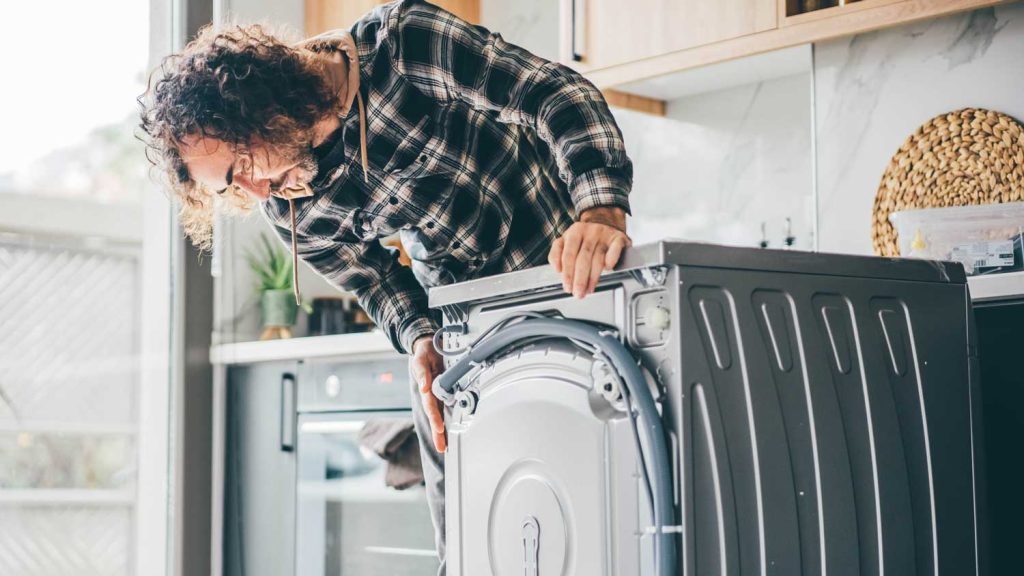
Are you wondering where to dispose of your old washer and dryer? Getting rid of these bulky appliances can feel confusing and overwhelming.
You want to do it the right way—safe for the environment and easy on you. You’ll discover simple, practical options to help you say goodbye to your washer and dryer without any hassle. Keep reading, and you’ll find the best places to drop them off, tips to prepare them for disposal, and ways to even make some money back.
Let’s make your appliance disposal smooth and stress-free.
Local Recycling Centers
Local recycling centers accept washers and dryers for eco-friendly disposal. They help keep harmful materials out of landfills.
Knowing where to take your old appliances saves time and supports recycling efforts in your community.
Finding Nearby Facilities
Use online tools or call your city waste management office to find nearby recycling centers. Many centers list accepted items on their websites.
- Search by your zip code on recycling locator websites
- Check local government or utility company pages
- Ask neighbors or local hardware stores for recommendations
Accepted Appliance Types
Most recycling centers accept common home appliances. Some centers have limits on size or condition.
| Appliance | Accepted Condition | Notes |
| Washing Machines | Working or Non-working | Remove all water before drop-off |
| Clothes Dryers | Working or Non-working | Unplug and clean lint filters |
| Stacked Washer/Dryer Units | Accepted at some centers | Call ahead to confirm |
Preparation Tips
Prepare your washer and dryer before recycling to ensure safe handling and recycling.
- Disconnect power and water supply
- Drain all remaining water from the washer
- Remove detergent and fabric softener trays
- Clean lint trap and remove any debris
- Label cords and hoses separately if required
- Transport appliances safely to avoid damage
Retailer Take-back Programs
Many retailers offer take-back programs for old washers and dryers. These programs help you recycle or dispose of appliances safely. Retailers often handle the pickup and proper disposal.
Using retailer take-back services is a convenient way to get rid of bulky appliances. It also ensures that the appliances are recycled in an eco-friendly way.
Major Retailers Offering Services
- Home Depot
- Lowe’s
- Best Buy
- Sears
- Appliance Warehouse
These retailers usually accept old washers and dryers when you buy a new one. Some also offer recycling services even without a purchase.
Eligibility Criteria
| Requirement | Description |
| New Appliance Purchase | Usually must buy a new washer or dryer |
| Appliance Condition | Old units must be complete and free of major damage |
| Location | Service area limited to store locations or delivery zones |
| Size Limits | Some programs have size or weight limits |
Check with your retailer about specific rules. Each store may have different guidelines and restrictions.
Scheduling Pickups
You can schedule a pickup online or by phone. Some retailers offer free pickup with delivery of your new appliance.
- Contact the retailer to request a pickup
- Provide details about the old washer or dryer
- Choose a convenient pickup date
- Prepare the appliance for removal
- Confirm the pickup appointment
Make sure to ask if there are any fees for the pickup or recycling service.
Municipal Waste Collection
Disposing of washers and dryers through municipal waste collection helps keep communities clean. Local services often provide ways to manage these large items safely. Understanding your options can make disposal easier and more eco-friendly.
Municipal collection programs usually include scheduled pickups and special events. Check with your local waste authority for specific rules and services available in your area.
Curbside Pickup Options
Many cities offer curbside pickup for large appliances like washers and dryers. You may need to schedule a pickup ahead of time. Place the appliance at the designated spot on the correct day to ensure collection.
- Call your local waste department to book a pickup
- Remove all personal items from the appliances
- Set the washer or dryer at the curb by early morning
- Follow any specific guidelines about appliance preparation
Drop-off Events
Some municipalities hold special drop-off events for bulky waste. These events let residents bring washers and dryers to a central location. They often occur a few times per year and help keep hazardous materials out of landfills.
| Event Type | Location | Frequency |
| Bulky Waste Collection Day | City Recycling Center | Quarterly |
| Household Hazardous Waste Event | Community Park | Twice a Year |
| Appliance Recycling Drive | Local Transfer Station | Annually |
Fees And Restrictions
Disposal fees for washers and dryers vary by location. Some cities charge a small fee to cover handling costs. There may also be size or condition restrictions to follow.
Common fees and rules include:
- Flat fee per appliance for curbside pickup
- Free drop-off for residents during special events
- Restrictions on appliances containing refrigerants or hazardous materials
- Requirement to drain water and disconnect power sources

Credit: samrinc.com
Donation And Resale Options
Getting rid of a washer or dryer can be easy and helpful. You can donate or sell these appliances instead of throwing them away.
Donation and resale options help reduce waste and give appliances a second life. Many places accept washers and dryers in good condition.
Charities Accepting Appliances
Some charities take washers and dryers to help families in need. Donating appliances supports community members who cannot afford new ones.
These groups often pick up appliances from your home. They may accept items if they still work well or can be repaired.
- Habitat for Humanity ReStores
- Local church or community centers
- Salvation Army
- Goodwill locations
Selling Used Washers And Dryers
You can sell your washer or dryer if it is in good shape. Selling helps you earn money and keeps appliances in use.
Online marketplaces and local classifieds are good places to list used appliances. Be honest about their condition and age.
- Facebook Marketplace
- Craigslist
- OfferUp
- Local buy-and-sell groups
Repair And Refurbish Centers
Repair centers fix washers and dryers to sell or donate. Refurbishing extends the life of appliances and saves resources.
Some centers accept your old appliances to repair them. They may offer discounts or trade-in deals for your next purchase.
- Local appliance repair shops
- Community refurbish programs
- Manufacturer trade-in programs
Specialized Appliance Recycling
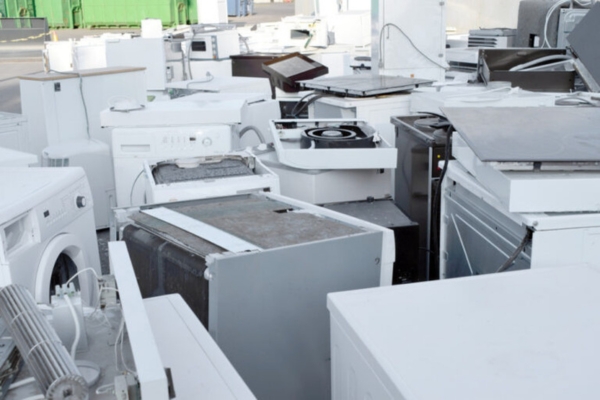
Disposing of washers and dryers properly protects the environment. Specialized appliance recycling centers handle these large items safely and responsibly.
These centers separate materials and recycle parts. This reduces waste and recovers valuable resources.
Environmental Benefits
Recycling washers and dryers lowers landfill waste. It also saves energy and raw materials.
- Reduces pollution from landfills
- Conserves metal, plastic, and glass
- Decreases energy use in manufacturing
- Prevents harmful chemicals from leaking
Hazardous Material Handling
Washers and dryers contain hazardous parts. Refrigerants, oils, and electronic components need careful handling.
| Hazardous Material | Safe Disposal Method |
| Refrigerants | Recovered by certified technicians |
| Oils | Collected and recycled properly |
| Electronics | Disassembled for safe recycling |
Certified Recyclers
Certified recyclers follow strict rules. They ensure appliances are recycled safely and legally.
- Meet environmental and safety standards
- Use approved methods for material recovery
- Provide proper documentation of recycling
- Help reduce illegal dumping
Preparing Appliances For Disposal
Disposing of a washer and dryer requires careful preparation. Properly preparing them ensures safety and environmental responsibility.
Follow these steps to clean, disconnect, and prepare your appliances for disposal. This guide helps you manage the process easily.
Cleaning And Disconnecting
Cleaning your appliances before disposal is important. It prevents the spread of mold and dirt.
- Wipe down the exterior with a damp cloth.
- Clean the drum and filters inside.
- Ensure hoses are free of water and debris.
Disconnecting is the next step. Make sure to turn off the power and water supply.
- Unplug the appliances from the electrical outlet.
- Turn off the water valves and disconnect hoses.
- Secure loose cords and hoses with tape.
Removing Personal Data
Some washers and dryers store personal data. Clearing this data is necessary for privacy.
Check the manual for instructions on resetting the appliance. This helps protect your privacy.
Safety Precautions
Safety is crucial when handling large appliances. Take precautions to avoid injury.
- Wear gloves to protect your hands.
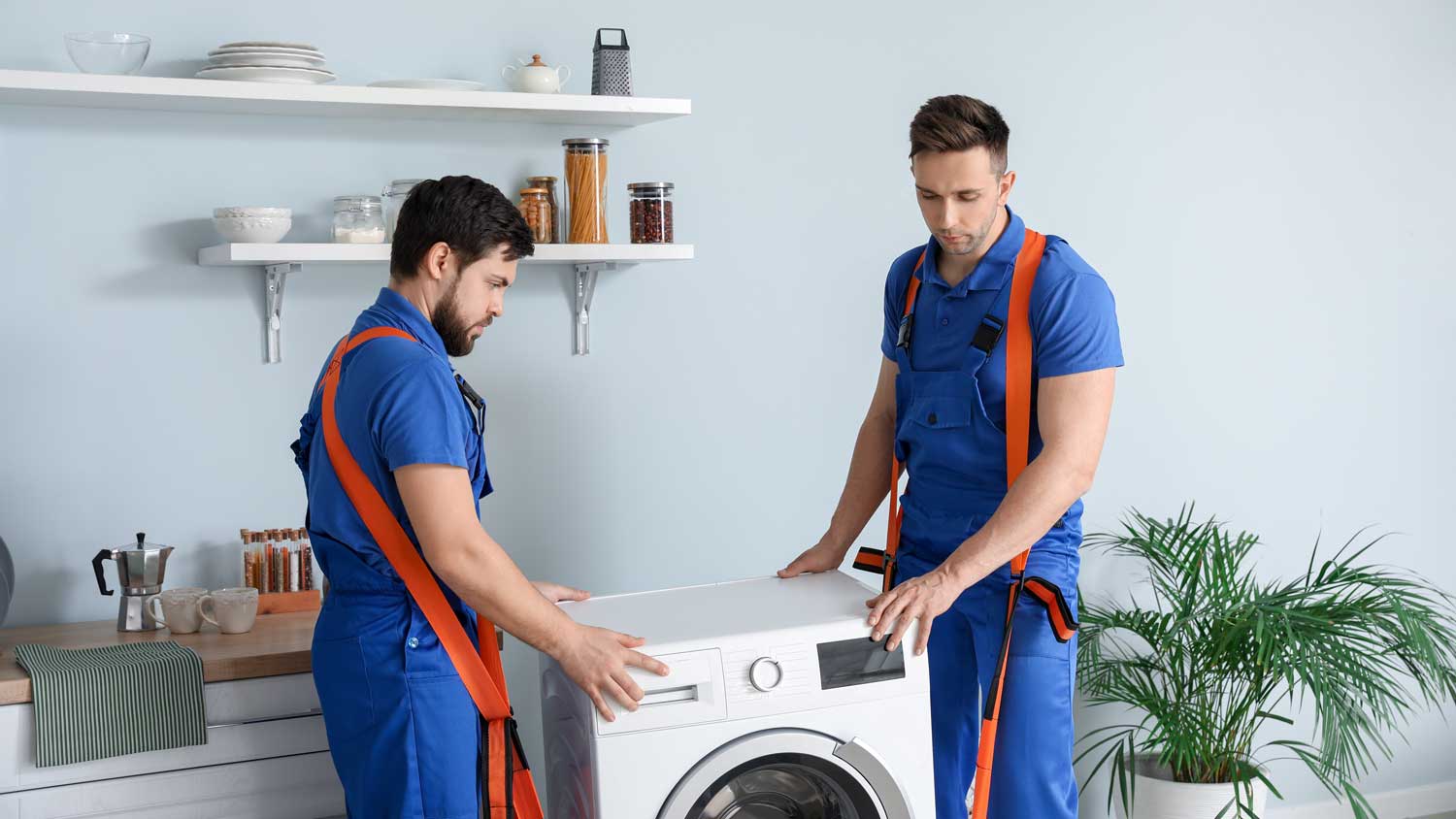
- Use a dolly to move heavy appliances safely.
- Ask for help if the appliances are too heavy.
By following these steps, you can safely and responsibly dispose of your washer and dryer.
Costs And Incentives
Getting rid of an old washer and dryer might cost money. But, there are incentives to help you save.
Let’s explore potential fees, recycling rebates, and government programs. These can make disposal easier and cheaper.
Potential Fees
Disposing of appliances might involve costs. These fees cover the removal and proper disposal of your washer and dryer.
- Local disposal services may charge a pick-up fee.
- Some landfills have entrance fees for large items.
- Retailers might charge a removal fee when delivering new appliances.
Recycling Rebates
Recycling your washer and dryer can earn you money. Many programs offer rebates to encourage recycling.
| Company | Rebate Amount |
| Local Utility | $50 per appliance |
| Appliance Store | $75 credit for new purchase |
| Recycling Center | $25 for drop-off |
Government Programs
The government offers programs to help with appliance disposal. These programs make recycling easier and less costly.
Credit: www.angi.com
Credit: samrinc.com
Frequently Asked Questions
Where Can I Recycle Old Washers And Dryers?
You can recycle washers and dryers at local recycling centers. Many municipalities offer appliance recycling programs. Some retailers also accept old appliances when you buy new ones. Always check for authorized e-waste facilities nearby to ensure safe and eco-friendly disposal.
How Do I Dispose Of A Broken Washer And Dryer?
Broken washers and dryers can be disposed of through bulk waste pickup services. Contact your local waste management for scheduled pickups. Alternatively, many scrap metal yards accept non-functional appliances. Ensure to remove any hazardous components before disposal.
Are There Donation Options For Working Washers And Dryers?
Yes, many charities accept working washers and dryers. Organizations like Goodwill and Habitat for Humanity often take functional appliances. Donating helps those in need and reduces landfill waste. Always confirm the appliance condition and donation guidelines beforehand.
Can I Sell My Used Washer And Dryer?
You can sell used washers and dryers online or at local marketplaces. Platforms like Craigslist, Facebook Marketplace, and eBay are popular options. Ensure the appliances are clean and functional to attract buyers. Include clear photos and detailed descriptions for better sales.
Conclusion
Proper disposal of washers and dryers helps protect the environment. Many local recycling centers accept these appliances. Some stores offer take-back programs for old machines. Donating working units helps those in need. Always check your city’s rules before disposal. Safe disposal prevents hazardous waste problems.
Choose the option that fits your situation best. Keep your home clean and green by disposing responsibly. It’s easier than you think to do the right thing. Take action today and make a positive impact.