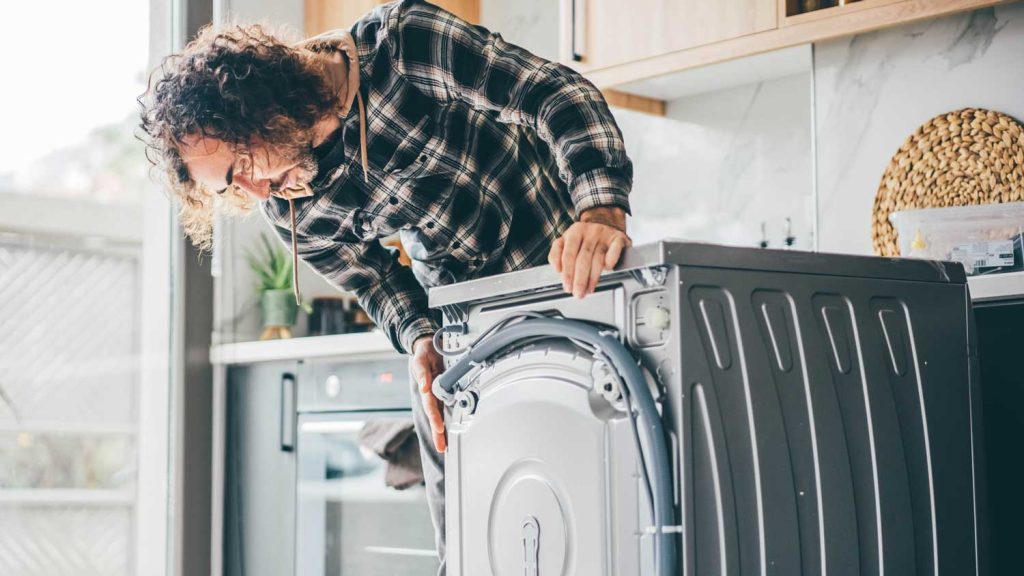
Are you wondering where to dispose of your old washer and dryer? Getting rid of these bulky appliances can feel overwhelming, especially if you want to do it the right way.
You might be worried about the hassle, the cost, or harming the environment. But don’t worry—this guide will show you simple, smart options to safely and responsibly say goodbye to your washer and dryer. Keep reading, and you’ll discover easy steps to free up space without the stress.
Credit: greencitizen.com
Disposal Options For Washers And Dryers
Getting rid of old washers and dryers safely helps protect the environment. Many options exist to dispose of these large appliances. Choose the option that works best for you and your community.
Some methods recycle parts, while others offer donation opportunities. Read on to learn about local centers, waste programs, retailer services, and donation spots.
Local Recycling Centers
Local recycling centers accept washers and dryers for proper recycling. They break down machines to reuse metal and plastic parts. This reduces landfill waste and recovers valuable materials.
- Find your nearest recycling center online or by phone
- Check if they accept large appliances
- Follow their drop-off instructions
- Ask about any fees or appointment needs
Municipal Waste Programs
Many cities offer special waste programs for bulky items. These programs may provide curbside pickup or designated drop-off days for washers and dryers. They ensure safe disposal and environmental compliance.
| Service Type | Details | Typical Cost |
| Curbside Pickup | Schedule a pickup for large appliances | Free or small fee |
| Drop-Off Events | Bring appliances to designated locations on specific dates | Usually free |
| Permanent Collection Site | Visit city waste facilities anytime during hours | May charge a fee |
Retailer Take-back Services
Some retailers offer take-back services when you buy a new washer or dryer. They remove your old appliance and recycle it properly. This service often comes with delivery and installation.
- Ask your retailer if they offer appliance removal
- Schedule pickup during delivery of your new machine
- Confirm if there are any extra costs
- Ensure old appliances are recycled or donated
Donation And Resale Opportunities
If your washer or dryer still works, consider donating or reselling it. Charities and resale shops may accept appliances in good condition. This helps people in need and reduces waste.
- Check if the organization accepts washers and dryers
- Confirm the appliance is clean and functional
- Arrange for pickup or drop-off as needed
- Get a receipt if you want a tax deduction
Preparing Appliances For Disposal
Properly preparing your washer and dryer helps keep the process safe and easy. It also makes disposal cleaner and more efficient.
Follow these steps to clean, disconnect, and check your appliances before disposal.
Cleaning And Disconnecting
Start by unplugging the washer and dryer from the power source. Turn off the water supply to the washer to avoid leaks. Clean the inside and outside to remove dirt and detergent residue.
- Unplug the appliance from the wall outlet.
- Turn off water valves and disconnect hoses.
- Wipe down surfaces with a damp cloth.
- Remove lint from the dryer filter and vent.
Removing Hazardous Components
Some parts of washers and dryers can be hazardous. Remove these parts carefully before disposal. This helps protect the environment and sanitation workers.
| Component | Reason to Remove | How to Remove |
| Water hoses | May contain water and mold | Disconnect and drain completely |
| Lint trap | Flammable lint buildup | Pull out and clean thoroughly |
| Electrical cords | Shock hazard | Cut and remove from appliance |
Checking For Reusable Parts
Many parts can be reused or recycled. Look for components that are still in good shape. These can help reduce waste.
- Motors and belts
- Control panels and buttons
- Metal frames and panels
- Wheels and casters
Environmental Benefits Of Recycling
Recycling washers and dryers helps protect the environment. It stops harmful waste from piling up.
By recycling, we save natural resources and reduce pollution. This keeps our planet cleaner and safer.
Reducing Landfill Waste
Old washers and dryers take up a lot of space in landfills. These machines have metals and plastics that do not break down easily.
Recycling them lowers the amount of trash in landfills. This helps reduce soil and water pollution caused by waste.
Conserving Resources
Recycling recovers valuable materials like steel, aluminum, and copper. Using recycled materials means less mining and drilling.
This saves trees, water, and minerals. It also protects wildlife habitats from being destroyed.
- Steel and metal parts are reused
- Plastic parts are remade into new products
- Less need for new raw materials
Energy Savings From Recycling
Recycling washers and dryers uses less energy than making new parts from raw materials. This lowers carbon emissions.
Energy savings help slow climate change and reduce air pollution. This makes the air cleaner to breathe.
- Less energy to melt and reshape metals
- Reduced power needed for manufacturing
- Lower fuel use for raw material extraction
Credit: www.beyondsurplus.com
Costs And Fees To Expect
Disposing of your old washer and dryer may come with some costs. Knowing these fees helps you plan ahead. Some places charge for pickup or drop-off services.
Recycling fees and possible refunds also affect the total cost. This guide explains what charges to expect and where you might save money.
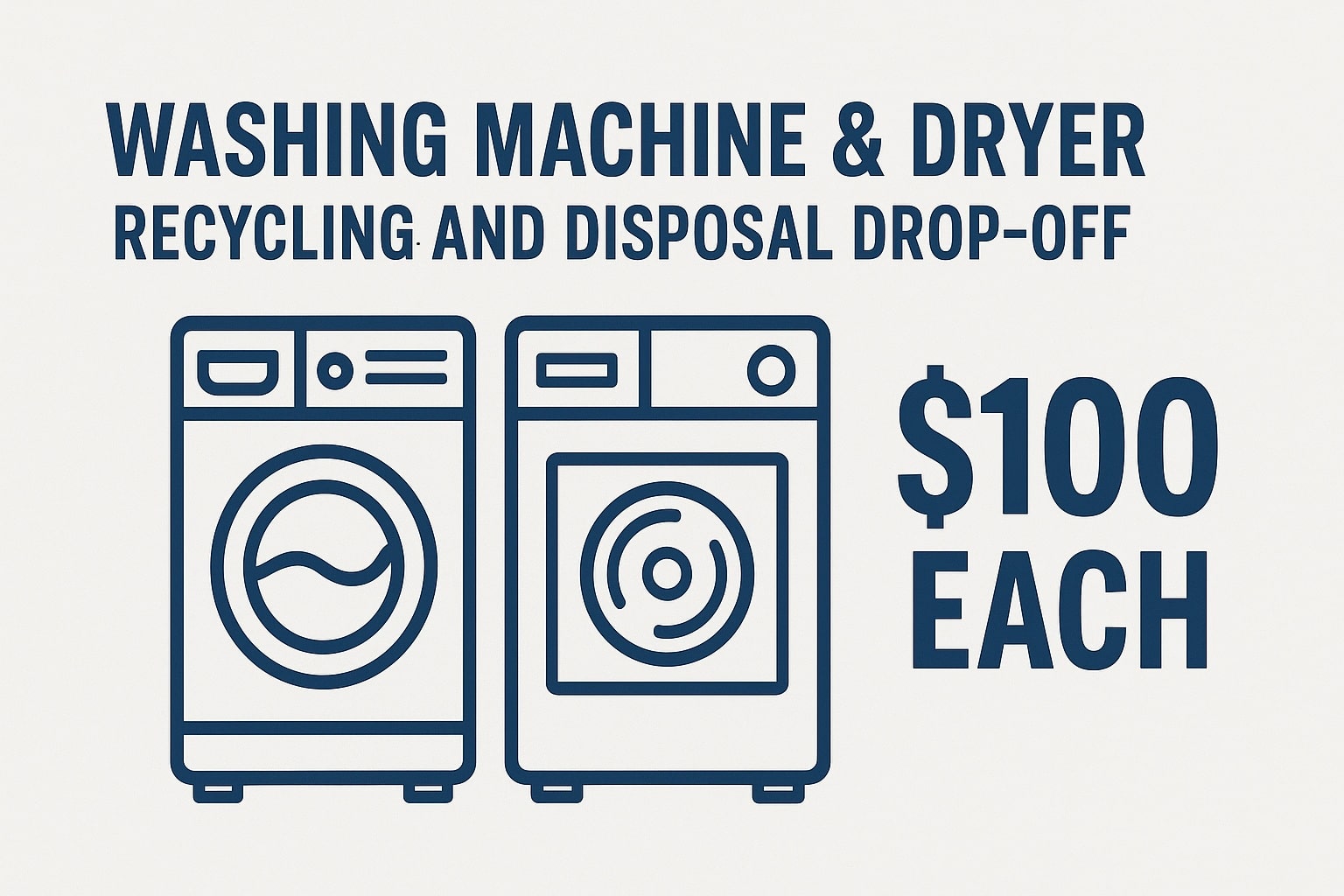
Pickup And Drop-off Charges
Many disposal services charge fees for picking up or dropping off appliances. These charges vary by location and service type.
- Pickup fees usually range from $20 to $50.
- Drop-off fees at recycling centers can be lower or free.
- Some companies include pickup costs in new appliance delivery.
- Extra charges may apply for difficult access or large appliances.
Recycling Fees
Recycling old washers and dryers often requires a fee. This fee covers safe disposal and material processing.
| Type of Appliance | Typical Recycling Fee |
| Washer | $10 – $30 |
| Dryer | $10 – $30 |
| Washer & Dryer Combo | $20 – $50 |
Potential Refunds And Incentives
Some programs offer refunds or incentives to encourage recycling old appliances. These benefits can reduce your costs.
- Utility companies may offer rebates for recycling.
- Retailers sometimes provide discounts on new appliances.
- Local governments may have cash-back programs.
- Check eligibility requirements for each program.
Safety Tips During Disposal
Disposing of washers and dryers safely protects you and others. These appliances are heavy and use electricity. Taking care during disposal prevents accidents.
Follow safety tips to handle the appliances correctly. This guide covers lifting, electrical safety, and transport methods.
Handling Heavy Appliances
Washers and dryers weigh a lot. Use safe ways to lift and move them. Avoid injury by using proper tools and teamwork.
- Wear gloves for a better grip and protection.
- Ask someone to help you lift the appliance.
- Use a dolly or hand truck to move heavy items.
- Lift with your knees, not your back.
- Clear the path before moving the appliance.
Avoiding Electrical Hazards
Unplug appliances before disposal to stop electrical risks. Check cords and plugs for damage. Do not touch wet parts or outlets during removal.
| Safety Tip | Reason |
| Unplug appliance | Stops electric shock |
| Inspect cords | Avoids sparks and shorts |
| Wear rubber-soled shoes | Reduces shock risk |
| Keep dry | Prevents electrocution |
Proper Transportation Methods
Transport washers and dryers carefully to avoid damage or injury. Secure them well in the vehicle to stop shifting during transit.
- Use straps to tie the appliance down tightly.
- Place padding between the appliance and vehicle walls.
- Keep the appliance upright to protect internal parts.
- Drive slowly and avoid sudden stops.
- Unload carefully at the disposal site.
Credit: samrinc.com
Special Considerations For Different Models
Disposing of washers and dryers varies by model. Each type has unique requirements. It’s important to understand these differences before disposal.
Consider space, weight, and recycling options. This helps in making eco-friendly choices.
Stackable Units
Stackable units save space in small homes. Their compact design makes disposal different from standalone models.
- Check if the units are separable for easier handling.
- Contact local recycling centers for size-specific disposal.
- Ensure both units are free from water and detergent residue.
Compact And Portable Appliances
Compact and portable appliances are lightweight. They fit in small spaces but need special attention when discarding.
Ensure the appliance is unplugged. Drain all water to avoid leaks.
Older Vs. Newer Models
Older models may contain hazardous materials. Newer models are often more eco-friendly.
| Model Type | Disposal Tip |
| Older | Check for hazardous components |
| Newer | Contact manufacturer for recycling programs |
Frequently Asked Questions
Where Can I Recycle My Old Washer And Dryer?
You can recycle washers and dryers at local recycling centers or scrap metal yards. Many municipalities offer appliance recycling programs to safely dispose of these items.
Can I Donate A Working Washer And Dryer?
Yes, donating working appliances to charities or thrift stores is a great option. This helps extend their life and supports those in need.
How Do I Dispose Of A Broken Washer And Dryer?
For broken units, contact your local waste management service for bulk pickup or drop-off guidelines. Some areas require special handling for appliances.
Are There Fees For Disposing Of Washers And Dryers?
Fees vary by location and service. Some recycling centers or waste facilities charge disposal fees; check locally for specific costs.
Conclusion
Properly disposing of your washer and dryer helps protect the environment. Local recycling centers often accept old appliances. Some stores offer take-back programs when you buy new ones. Donation centers may take working machines for reuse. Always check for special e-waste collection days in your area.
Avoid throwing appliances in regular trash to prevent harm. Taking these steps makes disposal safe and easy. You save space and help the planet. Simple actions make a big difference. Choose the best option near you today.