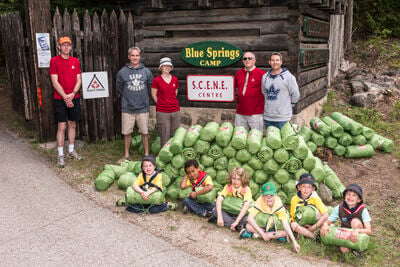
Are you wondering where to donate sleeping bags near you? Your unused sleeping bag could make a big difference for someone facing cold nights without proper shelter.
Finding the right place to give your sleeping bag ensures it reaches those who truly need it. You’ll discover simple, local options to donate your sleeping bag and how your small act can bring warmth and comfort to someone’s life.
Keep reading to find the perfect spot near you and turn your unused gear into hope.
Why Donate Sleeping Bags
Donating sleeping bags helps people who do not have homes. It gives them a warm place to rest during cold nights.
Many people have extra sleeping bags they do not use. Giving them away can make a big difference for others.
Impact On Homeless Communities
Sleeping bags provide warmth and comfort to homeless people. They protect against cold weather and help prevent illness.
Having a sleeping bag can improve safety and rest. It gives hope and dignity to those living on the streets.
- Keeps people warm during cold nights
- Offers protection from rain and wind
- Helps reduce health problems
- Supports mental well-being by providing comfort
Environmental Benefits
Donating sleeping bags helps reduce waste. Instead of throwing them away, items get reused by those who need them.
This lowers landfill waste and saves resources needed to make new products. It also cuts down pollution from manufacturing.
- Reduces trash in landfills
- Conserves materials and energy
- Decreases pollution from production
- Promotes recycling and reuse
How To Prepare Sleeping Bags For Donation
Donating sleeping bags helps people who need warmth and shelter. Preparing them properly makes sure they are useful.
Cleaning and packing sleeping bags carefully shows respect to those who receive them. Follow these tips to get ready.
Cleaning And Maintenance Tips
Clean sleeping bags before donating to remove dirt and odors. Check for any damage that needs fixing.
- Wash sleeping bags according to the care label instructions.
- Use gentle detergent and cold water to protect the fabric.
- Air dry completely to prevent mold and mildew growth.
- Repair small holes or tears with fabric patches or sewing.
- Remove any loose threads or broken zippers.
What To Include With Your Donation
Adding some extras helps the people who receive your donation. Include useful items and information.
- A stuff sack or bag for easy carrying and storage.
- A note with washing instructions if possible.
- Extra blankets or liners if you have them.
- Information about the sleeping bag’s size and type.
- Make sure all items are clean and dry.
Finding Local Charities Near You
Donating sleeping bags is a kind gesture. It helps people who need warmth. Local charities often accept these donations.
Finding the right place to donate is important. You want your gift to reach those in need. Here are some tips to help you find local charities.
Using Online Tools And Maps
The internet is a useful resource. It can help you locate nearby charities. Many websites list places that accept donations.
Maps can also help you find the best routes. Use online maps to check distances and directions. This makes dropping off donations easier.
- Search for “charity donation centers near me”
- Use Google Maps to find locations
- Check charity websites for drop-off details
Community Centers And Shelters
Community centers are great places to donate. They often have connections with local shelters. These centers help distribute items to those in need.
Shelters are always in need of warm items. Sleeping bags can be very helpful. Contact shelters to see if they accept such donations.
- Visit community centers to ask about donations
- Call local shelters for their needs
- Check if they have specific donation days
Top Charities Accepting Sleeping Bags
Many charities accept sleeping bags to help people in need. Donating your sleeping bags is a great way to support your community. It keeps people warm and safe during cold nights.
You can find places nearby that welcome sleeping bag donations. This guide lists top charities and programs that accept these items.
Shelters And Homeless Outreach Programs
Shelters and homeless outreach programs often need sleeping bags. These items provide warmth and comfort to people without homes. They also protect from rain and cold weather.
- Local homeless shelters
- Church outreach programs
- Community centers
- Nonprofit organizations supporting the homeless
Many shelters have drop-off points or scheduled donation days. Call ahead or visit their websites to learn about their needs and policies.
Environmental And Outdoor Organizations
Environmental and outdoor groups also accept sleeping bags. They often use them for rescue missions or to help people camping safely. These organizations may recycle or repurpose donated gear.
| Organization | Purpose | Donation Notes |
| Outdoor Rescue Teams | Use in emergency rescues | Clean and dry bags only |
| Environmental Education Centers | Support camping programs | Check size and condition |
| Gear Recycling Projects | Refurbish and distribute gear | Drop-off locations vary |
Donation Process And Requirements
Donating sleeping bags helps people in need stay warm. Knowing where and how to donate makes the process easy. This guide shows locations, hours, and rules for donations.
Follow these steps to ensure your sleeping bags reach the right hands. Check the drop-off places and understand donation guidelines before giving.
Drop-off Locations And Hours
You can drop off sleeping bags at several local centers. Each location has specific hours for accepting donations. Make sure to visit during open hours to avoid inconvenience.
| Location | Address | Days Open | Hours |
| Community Shelter | 123 Main St. | Monday – Friday | 9 AM – 5 PM |
| Helping Hands Center | 456 Oak Ave. | Tuesday – Saturday | 10 AM – 6 PM |
| Downtown Outreach | 789 Pine Rd. | Monday, Wednesday, Friday | 8 AM – 4 PM |
Donation Guidelines And Restrictions
Sleeping bags must be clean and in good condition. Some centers have rules about the types of sleeping bags they accept.
- Only clean and dry sleeping bags are accepted.
- No torn or heavily damaged items.
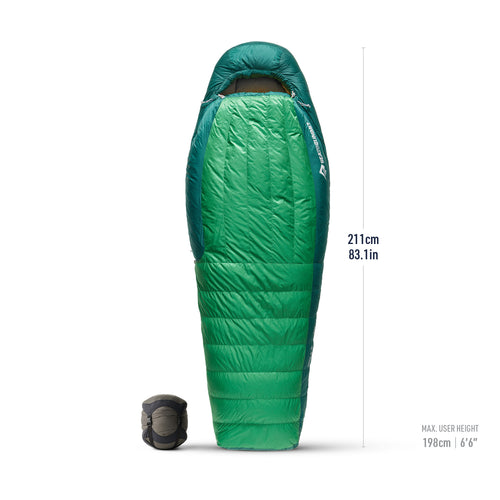
- Down or synthetic fill bags are preferred.
- Zip bags in a plastic bag if possible.
- Do not donate sleeping bags with strong odors.
Credit: seatosummit.com
Alternatives If Local Options Are Limited
Finding places to donate sleeping bags can be hard if local centers do not accept them. You can still help by sending donations to national groups or by starting your own community project.
These choices make sure your sleeping bags reach people who need them most. You do not have to rely only on nearby options to make a difference.
National Organizations Accepting Mail Donations
Many national charities accept sleeping bags by mail. This helps people all over the country. These groups often have clear instructions on how to send your items.
- Check the charity’s website for mailing address and guidelines.
- Package your sleeping bags clean and dry.
- Include any required donation forms or labels.
- Confirm if the organization accepts used or only new sleeping bags.
- Track your shipment for safe delivery.
Organizing Community Drives
Starting a community drive brings people together to collect sleeping bags. It helps raise awareness and gather more items than one person could alone.
| Drive Step | Description |
| Plan | Set dates and find a location for drop-offs. |
| Promote | Use flyers, social media, and local groups to spread the word. |
| Collect | Gather sleeping bags and keep them organized. |
| Donate | Deliver the collected items to a shelter or charity. |
| Thank | Send thanks to donors and volunteers. |
Tips For Supporting Homelessness Beyond Donations
Donating sleeping bags helps people who are homeless stay warm. Giving your time and voice can also make a big difference.
Here are some ways to support homelessness besides just giving items.
Volunteering Opportunities
Volunteering lets you help people directly. Shelters and outreach groups need hands to serve meals, organize supplies, and offer support.
You can meet people who are homeless and learn about their needs. Volunteering also builds community and spreads kindness.
- Help at local homeless shelters
- Join street outreach programs
- Assist with food distribution
- Support homeless youth centers
Advocacy And Awareness
Raising awareness helps change how people see homelessness. Talking to friends, family, and local leaders can create better support systems.
Advocacy pushes for policies that protect and help homeless people. You can also share facts to reduce stigma and encourage kindness.
- Attend city council meetings about homelessness
- Share stories to educate others
- Support laws that increase affordable housing
- Participate in awareness campaigns
Credit: seatosummit.com

Credit: seatosummit.com
Frequently Asked Questions
Where Can I Donate Sleeping Bags Locally?
You can donate sleeping bags to homeless shelters, community centers, or local charities. Check their websites for drop-off locations.
Which Organizations Accept Used Sleeping Bags?
Many shelters, homeless outreach programs, and outdoor gear nonprofits accept used sleeping bags in good condition.
How To Find Nearby Sleeping Bag Donation Centers?
Use online search tools like Google Maps or charity websites. Enter “sleeping bag donation near me” for local options.
Can I Donate Sleeping Bags During Winter?
Yes, winter is the best time to donate sleeping bags. Many people need extra warmth during cold months.
Conclusion
Donating sleeping bags helps people stay warm and safe. Many local shelters and charities welcome your gifts. You can also find donation centers through community websites. Giving your sleeping bag makes a real difference in someone’s life. Small acts of kindness can bring big comfort.
Start today and help those in need find rest. Every donation counts and shows you care. Find a nearby place and share warmth this season.