Are you wondering where to dump your old washer and dryer without hassle? Finding the right place to get rid of these bulky appliances can be tricky.
You want to avoid fines, save time, and maybe even help the environment. You’ll discover simple, smart options for dumping your washer and dryer safely and legally. Keep reading to learn the easiest ways to clear out your space and feel confident about your next step.
Disposal Options
Getting rid of a washer and dryer can be tricky. You need to choose a safe and legal way to dispose of them.
There are several options to help you dump your old appliances responsibly. Each option has its own benefits.
Local Recycling Centers
Many communities have recycling centers that accept old washers and dryers. These centers break down the machines and recycle parts safely.
Recycling helps reduce waste and protects the environment. Call your local center to check if they accept these appliances.
Retailer Take-back Programs
Some stores offer take-back programs for old appliances when you buy new ones. They may pick up your old washer and dryer for recycling.
Ask the retailer about their policies. This option is easy and often free when purchasing replacement machines.
Municipal Bulk Waste Collection
Cities often have special bulk waste collection days. You can leave your washer and dryer at the curb for pickup.
Check your local government website for schedules and rules. This service is usually free but may require advance notice.
Donation And Resale
If your appliances still work, consider donating them. Charities and thrift stores often accept washers and dryers.
You can also sell your old machines online. This helps others save money and reduces waste.
Scrap Metal Yards
Washers and dryers contain metals that scrap yards accept. They pay for metal parts by weight.
Call local scrap yards to ask about their requirements. Removing non-metal parts before drop-off may be needed.
Credit: www.angi.com
Preparation Steps
Getting ready to dump your washer and dryer takes some care. Proper steps make the process safe and easy.
Follow these steps to prepare your machines before disposal or recycling.
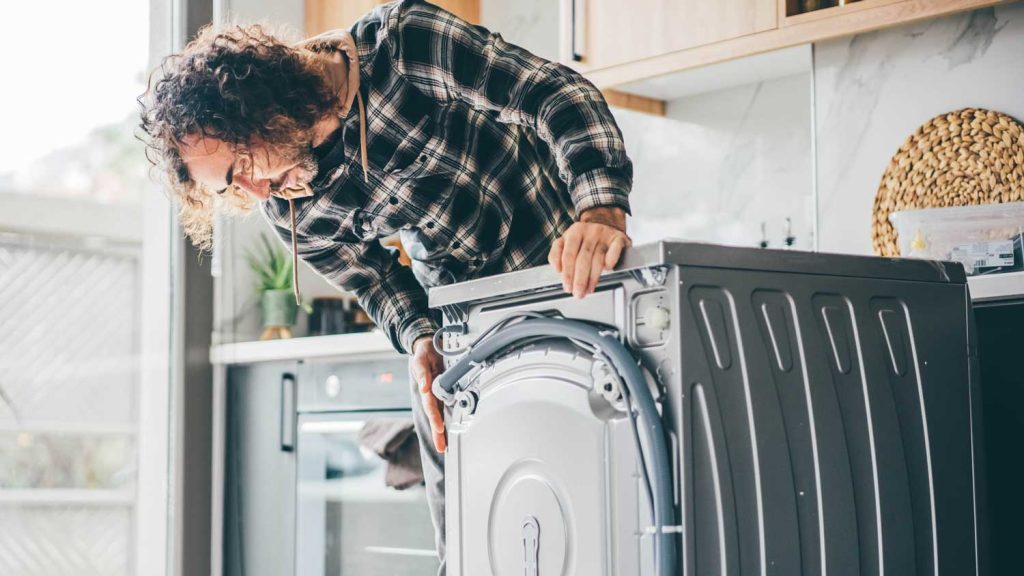
Unplugging And Disconnecting
First, unplug the washer and dryer from the power outlet. This stops any electrical risk.
Next, disconnect the water supply hoses from the washer. Also, detach the dryer vent hose.
- Turn off water valves before removing hoses
- Use pliers to loosen hose connections
- Keep a towel ready to catch water spills
- Carefully remove the dryer vent from the wall
Cleaning And Draining
Drain any remaining water from the washer drum and hoses. This prevents leaks during transport.
Wipe down both machines inside and out. Remove soap residue and dust for cleaner disposal.
- Use a sponge to soak up water inside the washer
- Drain water into a bucket or floor drain
- Clean lint from the dryer filter and vent area
- Wipe surfaces with a damp cloth
Removing Hazardous Parts
Some parts in washers and dryers can be harmful if not removed. Handle them carefully.
Remove batteries, electronic boards, and refrigerants if present. Check your local rules for safe disposal.
- Take out any batteries from control panels
- Remove electronic circuit boards if possible
- Do not release refrigerants into the air
- Use gloves to protect your hands
Checking For Recycling Labels
Look for recycling labels on the washer and dryer. These labels tell you how to recycle parts properly.
Follow the instructions on the labels. This helps reduce waste and protects the environment.
- Find labels with recycling symbols or codes
- Note material types like metal, plastic, or glass
- Separate parts based on label instructions
- Contact recycling centers for guidance if needed
Environmental Considerations
Throwing away washers and dryers needs careful thought. These appliances contain parts that can harm the environment.
Knowing how to dispose of them safely helps protect nature and keeps communities clean.
Proper Handling Of Chemicals
Washers and dryers may have chemicals like refrigerants and oils. These substances can leak and pollute soil and water.
- Drain all fluids before disposal.
- Use certified recycling centers for handling chemicals.
- Never pour chemicals down drains or on the ground.
- Wear protective gloves when handling appliance parts.
Avoiding Landfill Dumping
Throwing appliances in landfills causes space problems and pollution. Many parts do not break down easily.
| Reason | Impact |
|---|---|
| Toxic Chemicals | Leak into soil and water |
| Non-biodegradable Parts | Stay in landfill for decades |
| Lost Resources | Wastes metals and plastics |
Use special drop-off points or pickup services to avoid landfill dumping.
Benefits Of Recycling Appliances
Recycling washers and dryers saves resources and reduces waste. It also lowers pollution and energy use.
- Metal parts can be melted and reused.
- Plastic and glass are processed for new products.
- Recycling cuts the need for mining raw materials.
- It helps lower greenhouse gas emissions.
Costs And Fees
Getting rid of your old washer and dryer can cost money. Fees depend on how and where you dispose of them.
Knowing the possible charges helps you plan your budget better for appliance disposal.
Potential Disposal Charges
Some places charge fees to take old washers and dryers. These fees cover handling and recycling costs.
| Disposal Method | Typical Fee | Notes |
| Local Recycling Center | $10 – $30 | Price varies by location |
| Waste Management Pickup | $20 – $50 | May require appointment |
| Drop-off at Landfill | $15 – $40 | Some landfills accept with fee |
Free Pickup Services
Some companies or local programs offer free appliance pickup. This service helps you avoid disposal fees.
- Utility companies with appliance recycling programs
- Retailers offering haul-away on new appliance delivery
- Community waste collection events
Incentives And Rebates
To encourage recycling, some areas offer money back or discounts for old washer and dryer disposal.
- Cash rebates for turning in old appliances
- Discounts on new energy-efficient washers and dryers
- Tax credits for recycling appliances properly
Legal And Safety Tips
Disposing of your washer and dryer properly keeps you safe and follows the law. Understanding rules helps avoid fines and hazards.
Learn about local laws, transport safely, and avoid illegal dumping to protect yourself and the environment.
Local Disposal Regulations
Every area has rules for dumping large appliances like washers and dryers. Check with your city or county for disposal sites or pickup services.
- Contact local waste management for approved locations.
- Some places require appointments for bulky item pickup.
- Recycling centers may accept appliances for free or a small fee.
- Never leave appliances on public streets or parks.
Safe Transportation Methods
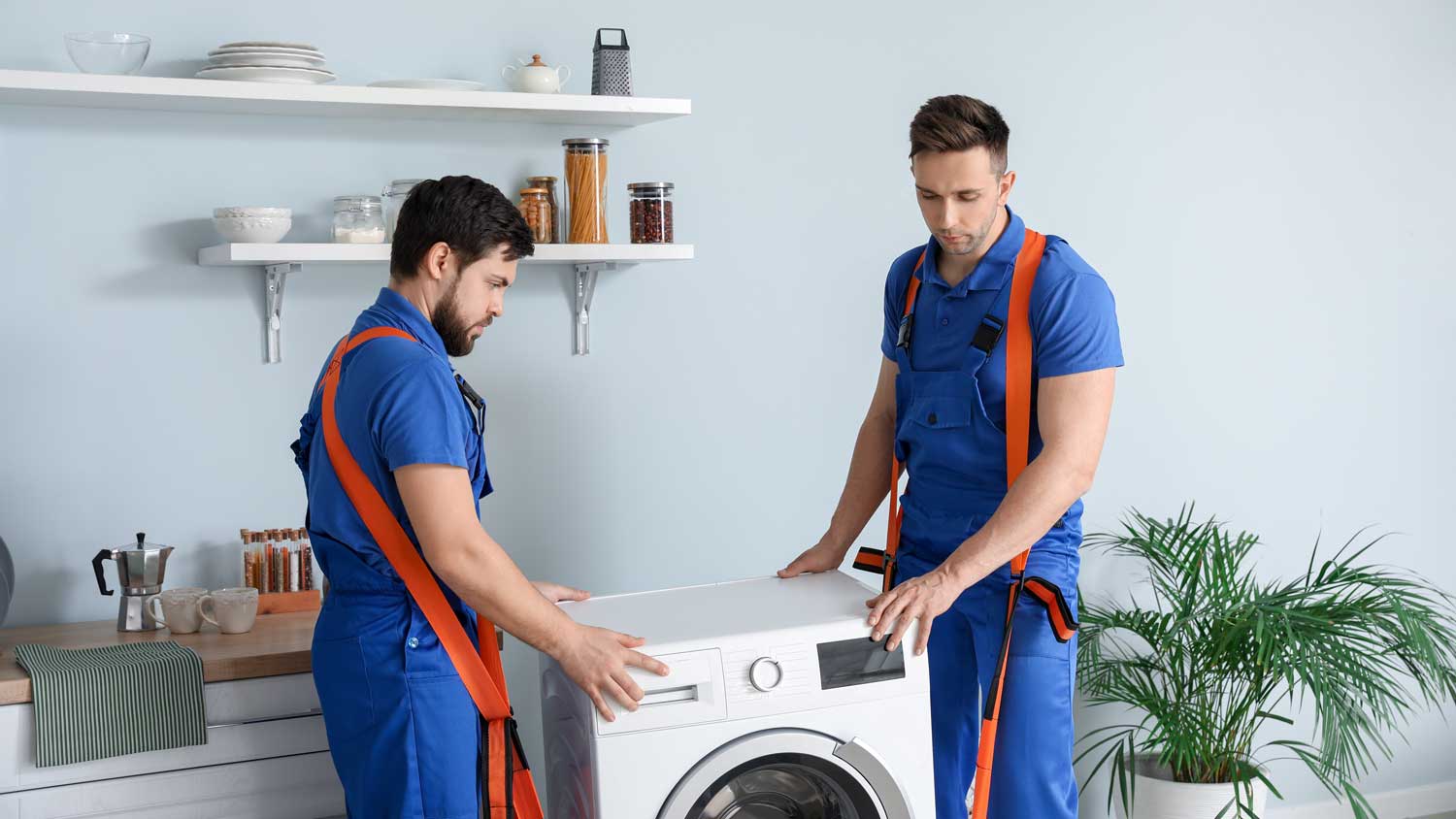
Move your washer and dryer carefully to avoid injuries and damage. Use proper tools and follow safety steps for transport.
| Safety Tip | Details |
| Use a dolly or hand truck | Helps move heavy appliances without strain |
| Secure appliances in vehicle | Prevent sliding or tipping during transport |
| Lift with help | Ask someone to assist to avoid injury |
| Protect floors and walls | Use blankets or pads when moving indoors |
Avoiding Illegal Dumping
Dumping appliances in unauthorized places harms the environment and can lead to fines. Follow rules to dispose of your washer and dryer legally.
- Do not leave appliances on sidewalks or vacant lots.
- Report illegal dumping if you see it in your area.
- Use official disposal or recycling programs.
- Consider donating working appliances to charities.
Credit: greencitizen.com
Credit: greencitizen.com
Frequently Asked Questions
Where Can I Dump An Old Washer And Dryer?
You can dump old washers and dryers at local recycling centers or waste disposal facilities. Some retailers offer appliance pick-up services. Check if your city has special bulk waste collection days for large appliances. Always remove hazardous parts before disposal.
Is It Free To Dump A Washer And Dryer?
Many recycling centers accept washers and dryers for free, but some may charge a small fee. Fees vary by location and facility. Contact your local waste management office to confirm costs. Some retailers offer free pickup when you buy new appliances.
Can I Donate A Working Washer And Dryer?
Yes, you can donate working washers and dryers to charities, shelters, or thrift stores. Many organizations accept appliances in good condition. Donating helps reduce waste and supports those in need. Always verify the donation criteria before dropping off.
What Items To Remove Before Dumping A Washer And Dryer?
Before dumping, remove hoses, cords, detergent trays, and any batteries. Empty all water from the machine to avoid leaks. Removing these parts ensures safe and proper disposal. Check local guidelines for any additional preparation requirements.
Conclusion
Finding a place to dump your washer and dryer does not have to be hard. Local recycling centers often accept old appliances. Some scrap yards pay for metal parts. Donation centers may take working machines for reuse. Always check rules before dropping off items.
Proper disposal helps protect the environment. It also clears space in your home. Take time to find the right spot. This makes the process smooth and stress-free. Simple steps lead to good results.