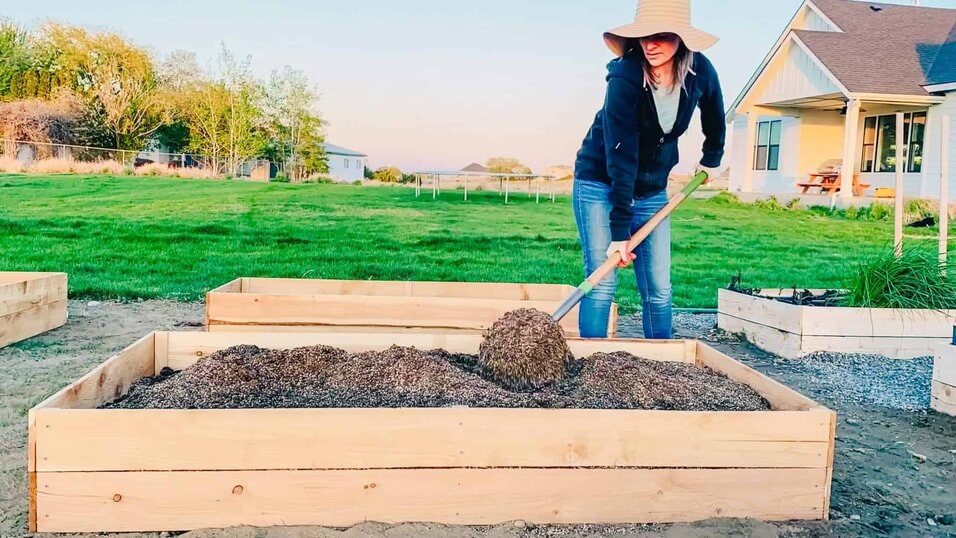
Are you ready to grow a thriving garden but unsure where to find the best soil for your raised garden bed? The right soil can make all the difference between a flourishing patch of green and a disappointing harvest.
You want soil that’s rich, well-draining, and full of nutrients to give your plants the best start. You’ll discover the top places to get quality soil for your raised garden bed—saving you time, money, and frustration. Keep reading to find out how to choose the perfect soil that will help your garden thrive like never before.
Local Garden Centers
Local garden centers offer a great place to find soil for your raised garden bed. They provide a variety of soil types suited for different plants and garden needs.
Buying soil locally supports your community and ensures you get fresh and high-quality products. Let’s explore the benefits and tips for choosing soil at these centers.
Benefits Of Buying Locally
Purchasing soil from local garden centers has many advantages. You get fresh soil that suits your local climate and plants. Local sellers often provide expert advice and guidance.
- Supports local businesses and economy
- Reduces transportation impact on the environment
- Access to soil mixes tailored for local plants
- Opportunity to ask questions and get personalized advice
Types Of Soil Available
Local garden centers usually stock several soil types. Each type has different properties for growing plants in raised beds.
| Soil Type | Use | Key Features |
| Topsoil | General gardening | Rich in minerals, good drainage |
| Compost Blend | Improves soil fertility | High organic content, retains moisture |
| Potting Mix | Container plants and raised beds | Lightweight, well-draining |
| Garden Soil Mix | Vegetable and flower beds | Balanced nutrients and texture |
Tips For Choosing Quality Soil
Not all soil is the same. Use these tips to find the best soil for your raised bed.
- Check for a fresh, earthy smell; avoid sour odors
- Look for soil that is free of large debris and stones
- Ask if the soil has been tested for nutrients and pH
- Consider your plants’ needs for moisture retention and drainage
- Buy only the amount you need to avoid waste

Credit: www.thunderbirddisco.com
Home Improvement Stores
Home improvement stores are a common place to buy soil for raised garden beds. They offer many choices for gardeners of all levels. You can find soil mixes, bags, and bulk options.
These stores often carry popular brands with special blends suited for gardening. They also provide helpful advice and tools for your gardening projects.
Popular Brands And Mixes
Many home improvement stores stock well-known brands. These brands offer mixes designed for raised beds. They usually contain a blend of compost, peat moss, and vermiculite.
- Miracle-Gro Raised Bed Soil
- Black Gold Natural & Organic Potting Soil
- Espoma Organic Potting Mix
- Gardener’s Supply Co. Raised Bed Soil Mix
Bulk Purchase Options
Buying soil in bulk can save money if you need large amounts. Home improvement stores often sell soil by the cubic yard. You may also find large bags of soil for easier transport.
| Purchase Type | Quantity | Common Price Range |
|---|---|---|
| Bagged Soil | 1 to 3 cubic feet | $5 – $15 per bag |
| Bulk Soil | 1 cubic yard or more | $30 – $60 per cubic yard |
| Soil Mix Kits | Varies | $20 – $40 per kit |
Price Considerations
Prices depend on soil quality, brand, and quantity. Organic and enriched soils usually cost more. Buying bulk soil reduces the price per cubic foot.
- Compare prices per volume, not per bag.
- Check if delivery fees apply for bulk soil.
- Look for seasonal sales or discounts.
- Consider the soil mix’s nutrient content.
Nurseries And Plant Shops
Finding the right soil for your raised garden bed is key to a healthy garden. Local nurseries and plant shops offer a variety of options.
These places provide high-quality soil mixes tailored for different plants. You can find expert advice to help you choose the best soil.
Specialized Soil Mixes
Specialized soil mixes are designed for specific plant needs. They provide the right balance of nutrients and drainage.
- Vegetable garden mix for healthy crops
- Cactus and succulent mix for desert plants
- Herb mix for aromatic kitchen gardens
Organic And Specialty Soils
Organic soils are free from chemicals and rich in natural nutrients. Specialty soils cater to unique plant requirements.
| Soil Type | Best For |
| Organic potting soil | Container plants |
| Seed starting mix | Seedlings |
| Compost-enriched soil | Vegetable gardens |
Getting Expert Advice
Nurseries and plant shops often have knowledgeable staff. They can offer guidance on soil selection and plant care.
Credit: www.thunderbirddisco.com
Online Retailers
Finding soil for your raised garden bed is easy through online stores. These retailers offer many soil types for different plants.
You can buy soil from home and have it delivered. Online shopping saves time and effort compared to local stores.
Convenience And Variety
Online retailers provide many soil options in one place. You can compare soil mixes for vegetables, flowers, or herbs.
Shopping online lets you choose soil bags in different sizes. You can buy small bags or bulk amounts for large garden beds.
- Garden soil blends
- Potting mixes
- Compost-enriched soil
- Specialty soils for acid-loving plants
Shipping And Delivery
Online retailers ship soil directly to your home. This saves you from hauling heavy bags from the store.
Delivery times vary by retailer and your location. Some offer fast shipping while others take longer.
- Check shipping costs before ordering
- Look for free or discounted delivery deals
- Confirm soil packaging to avoid spills
Customer Reviews And Ratings
Reading reviews helps you pick the best soil for your garden. Buyers share their experience with soil quality and shipping.
Ratings show how well a product meets customer expectations. Look for consistent positive feedback before buying.
- Soil texture and moisture level
- Plant growth results
- Packaging condition on arrival
- Delivery speed and service
Local Farms And Compost Facilities
Finding good soil for a raised garden bed is important. Local farms and compost facilities offer rich soil options. They provide fresh, natural materials that help plants grow strong.
Using soil from these sources supports your garden and the environment. It also connects you with your community’s natural resources.
Access To Fresh Compost
Local farms often have fresh compost made from plant waste and animal manure. Compost facilities collect organic waste and turn it into nutrient-rich soil. This soil is full of helpful microbes for your garden.
- Contact farms in your area to ask about compost availability.
- Visit compost centers to see the soil quality before buying.
- Check if the compost is free from chemicals and harmful materials.
- Ask about the composting process to ensure it is natural.
Sustainability Benefits
Using soil from local farms and compost facilities helps reduce waste. It lowers the need for synthetic fertilizers and cuts down on transport emissions. This supports a cleaner and greener environment.
| Benefit | Explanation |
| Waste Reduction | Organic waste turns into useful soil instead of landfill. |
| Lower Emissions | Short transport distances mean less fuel use. |
| Natural Fertilizer | Compost adds nutrients without chemicals. |
| Soil Health | Improves structure and moisture retention naturally. |
How To Source And Transport
Getting soil from farms or compost centers needs some planning. You should know how much soil you need and how to move it. Proper transport keeps the soil clean and ready to use.
- Measure the area of your garden bed to estimate soil volume.
- Ask the supplier about soil pickup times and rules.
- Use a tarp or container to keep soil from spilling during transport.
- Consider renting a truck or trailer for large amounts.
- Wear gloves and a mask when handling soil to stay safe.
Making Your Own Soil Mix
Creating your own soil mix for raised garden beds gives you control over soil quality. You can choose ingredients that fit your plants’ needs.
Mixing soil at home saves money and improves plant growth. It also reduces waste from store-bought soil bags.
Essential Ingredients
A good soil mix has three main parts: organic matter, aeration material, and moisture retention.
- Organic Matter:compost or well-rotted manure adds nutrients.
- Aeration Material:perlite or vermiculite helps air reach roots.
- Moisture Retention:coconut coir or peat moss holds water well.
These ingredients create a balanced mix that feeds plants and keeps roots healthy.
Step-by-step Mixing Guide
Start by measuring your ingredients to keep the mix balanced. Use equal parts compost, aeration material, and moisture retention.
Mix all ingredients in a large container or wheelbarrow. Stir well until the mix looks even and crumbly.
- Measure 1 part compost
- Add 1 part perlite or vermiculite
- Add 1 part coconut coir or peat moss
- Mix thoroughly for uniform texture
Customizing For Plant Needs
Adjust your soil mix depending on the plants you want to grow. Some plants need more nutrients or better drainage.
For example, vegetables need richer soil, while succulents prefer well-drained soil with less moisture retention.
- Add extra compost for heavy feeders like tomatoes
- Use more perlite for plants that dislike wet roots
- Mix in sand for plants needing fast drainage
- Include worm castings to boost soil fertility
What To Avoid When Buying Soil
Choosing the right soil is important for your raised garden bed. Some soils can hurt your plants or slow their growth. Knowing what to avoid helps you pick the best soil.
Bad soil can contain harmful things or not have the right nutrients. Avoiding these problems saves time and keeps your garden healthy.
Contaminants And Fillers
Some soils have contaminants like chemicals, salts, or heavy metals. These can harm plants and make vegetables unsafe to eat. Fillers like wood chips or sawdust take up space but do not help plants grow.
- Avoid soil with visible debris or trash
- Check for chemical smells or odd colors
- Stay away from soils with lots of fillers
Overly Processed Products
Some soils are too processed and lose natural nutrients. These soils may look clean but lack the good stuff plants need. Over-processed soil can cause poor drainage and compact easily.
Look for soil that feels loose and crumbly. Avoid soils that are powdery or have strange textures.
Incompatible Soil Types
Not all soils work well in raised beds. Heavy clay soils hold water and may drown roots. Sandy soils drain too fast and lose nutrients quickly. Mixing wrong soil types can harm your plants.
- Do not use pure clay or sandy soil
- Choose soil blends made for raised beds
- Check soil pH and nutrient levels if possible

Credit: migardener.com
Frequently Asked Questions
Where Can I Buy Soil For Raised Garden Beds?
You can buy soil at garden centers, nurseries, and home improvement stores. Online retailers also offer quality soil blends. Choose soil labeled for raised beds or vegetable gardens for best results.
What Type Of Soil Is Best For Raised Beds?
Loamy soil rich in organic matter is best for raised beds. It offers good drainage, aeration, and nutrient retention. Mix compost, peat moss, and topsoil for an ideal growing medium.
Can I Use Backyard Soil In Raised Garden Beds?
Backyard soil can be used if it is clean and free of contaminants. Test for pH and nutrient levels before use. Amend with compost to improve texture and fertility for better plant growth.
How Much Soil Do I Need For A Raised Bed?
Calculate soil volume by multiplying length, width, and depth of the bed. Generally, 6 to 12 inches of soil depth is recommended. Order extra soil to allow for settling over time.
Conclusion
Choosing the right soil for your raised garden bed makes a big difference. Healthy soil helps plants grow strong and produce more. Local garden centers, nurseries, and home improvement stores often have good soil options. You can also find soil from farms or landscaping suppliers.
Mixing compost with soil improves quality and nutrition. Test your soil to ensure it meets your garden’s needs. Good soil leads to a happy, thriving garden. Start with the best soil, and watch your plants flourish. Simple steps create a beautiful garden space.