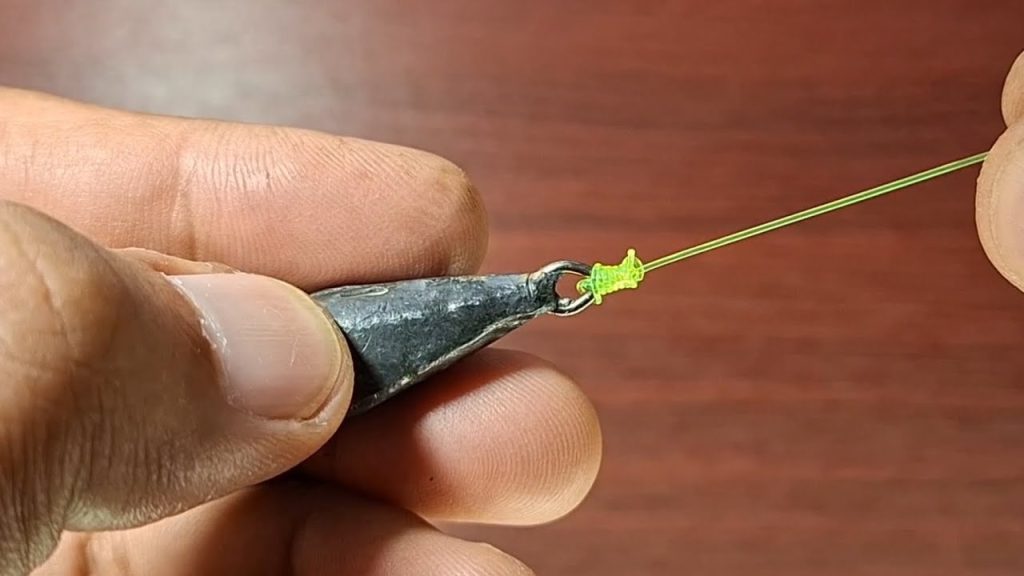
Are you struggling to catch more fish even when your bait looks perfect? One simple change could make all the difference: where you place your sinker on your fishing line.
The right placement can help your bait reach the perfect depth, move naturally, and attract more bites. You’ll discover exactly where to put your sinker to improve your fishing success. Keep reading, and you’ll learn easy tips that can turn your next fishing trip into a real catch fest.

Credit: www.reddit.com
Choosing The Right Sinker
Sinkers help cast your fishing line farther and keep bait near the bottom. Picking the right sinker makes fishing easier and more effective.
This guide explains common sinker types and key factors to consider when choosing one for your fishing needs.
Types Of Sinkers
Sinkers come in many shapes and sizes. Each type works best for certain fishing styles and water conditions.
- Split Shot:Small and round, easy to attach anywhere on the line.
- Egg Sinkers:Oval-shaped, allow line to slide through for natural bait movement.
- Pyramid Sinkers:Pointed bottom, good for sandy or muddy bottoms.
- Bank Sinkers:Long and teardrop-shaped, ideal for strong currents.
- Bullet Sinkers:Shaped like a bullet, used for fishing in heavy cover.
Factors Influencing Sinker Choice
Pick a sinker based on water type, fishing depth, and the bait you use. Weight and shape affect how the sinker moves and holds position.
| Factor | What to Consider |
|---|---|
| Water Current | Heavier or pyramid sinkers hold better in strong currents. |
| Fishing Depth | Lighter sinkers work well in shallow water; heavier for deep water. |
| Bait Type | Use sinkers that do not damage soft bait or allow natural movement. |
| Bottom Type | Choose sinkers suited for sand, rocks, or weeds to avoid snags. |
| Casting Distance | Heavier sinkers help cast farther but may scare fish in clear water. |
Placement Techniques
Sinkers help control the depth of your bait in fishing. The placement of the sinker affects how the bait moves in the water.
Choosing the right sinker setup depends on the type of fish and fishing style. Here are common ways to place a sinker on your fishing line.
Sliding Sinker Setup
This setup lets the sinker move freely along the line. It allows fish to take the bait without feeling the weight of the sinker.
- Slide the sinker onto the main line first.
- Add a small bead to protect the knot.
- Tie a swivel below the bead to stop the sinker.
- Attach the leader line and hook to the swivel.
Fixed Sinker Setup
This method fixes the sinker in one place on the line. It helps keep the bait at a set depth.
| Step | Action |
| 1 | Pinch the sinker onto the main line tightly. |
| 2 | Tie the hook or leader below the sinker. |
| 3 | Check that the sinker does not slide up or down. |
| 4 | Use this setup for shallow or fast-moving waters. |
Dropper Loop Method
This technique adds a loop on the main line to attach the hook separately. The sinker stays below the loop.
- Create a small loop in the main line where you want the hook.
- Tie the hook or bait to the loop.
- Place the sinker below the loop on the main line.
- This keeps the bait off the bottom and visible to fish.
Adjusting For Fishing Conditions
Placing a sinker on your fishing line is crucial. It helps in adjusting to different fishing conditions. Understanding where to place it can improve your catch.
Factors like water current and depth affect sinker placement. Knowing how to adjust can make your fishing more effective.
Current And Depth Considerations
Water current can change how your bait moves. A strong current needs a heavier sinker to keep bait stable. In calm waters, use a lighter sinker for natural movement.
Depth also affects sinker choice. Deep waters need a heavier sinker to reach the bottom. Shallow waters require a lighter one to avoid scaring fish.
- Heavier sinkers for strong currents
- Lighter sinkers for calm waters
- Deep waters need heavier sinkers
- Shallow waters need lighter sinkers
Targeting Different Fish Species
Different fish species prefer different depths. Knowing your target fish helps in sinker placement. Some fish stay near the surface, others at the bottom.
For surface fish, place the sinker higher on the line. For bottom-dwelling fish, position it closer to the hook. This ensures your bait is in the right spot.
- Surface fish need a high sinker position
- Bottom fish need a low sinker position
- Research target fish habits for best placement

Credit: fishingbooker.com
Common Mistakes To Avoid
Placing a sinker on a fishing line needs care. Mistakes can cause poor fishing results.
Learn about common mistakes to avoid. This helps improve your fishing experience.
Improper Sinker Weight
Using a sinker that is too heavy can scare fish away. It also makes casting hard.
A sinker that is too light may not sink properly. Your bait might drift away with the current.
- Heavy sinkers reduce natural bait movement
- Light sinkers fail to keep bait near the bottom
- Choose weight based on water depth and current
Incorrect Positioning
Placing the sinker too close to the hook can hide bait. Fish may not see it clearly.
Putting the sinker far from the hook can cause tangles. It also reduces bite sensitivity.
- Sinker too close blocks bait from moving naturally
- Sinker too far causes line tangling and less feeling of bites
- Place sinker a few inches above the hook for balance
Tips For Better Casting And Sensitivity
Placing a sinker on your fishing line affects how far and accurate you can cast. It also changes how well you feel bites from fish.
Knowing where to put the sinker helps you fish better. It balances weight and keeps the line sensitive to movements.
Balancing Weight And Line Movement
Place the sinker far enough from the hook to keep the bait moving naturally. Too close, and the bait may not move well.
Finding the right balance between weight and line movement helps you feel fish bites clearly. It also improves casting distance and accuracy.
- Put the sinker 12 to 18 inches from the hook for natural bait movement
- Use heavier sinkers for longer casts in strong currents
- Lighter sinkers let you feel bites better in calm water
Using Multiple Sinkers
Using several small sinkers spaced out can improve line sensitivity. It also helps balance the weight for better casting control.
This setup lets the bait float more naturally while the sinkers keep the line steady in the water.
- Space sinkers evenly along the line to spread weight
- Use smaller sinkers to keep the line light and sensitive
- Adjust the number of sinkers based on water depth and current

Credit: www.youtube.com
Frequently Asked Questions
Where Should I Place A Sinker On My Fishing Line?
Place the sinker 12 to 18 inches above the hook for most fishing styles. This helps your bait sink naturally and attracts fish effectively.
How Does Sinker Placement Affect Fishing Success?
Proper sinker placement controls bait depth and movement. It improves casting distance and reduces line tangles, increasing your chances of a catch.
Can Sinker Placement Vary By Fishing Technique?
Yes, sinker placement changes with techniques. For bottom fishing, place it near the hook; for float fishing, position it farther up the line.
What Is The Best Sinker Position For Freshwater Fishing?
In freshwater, place the sinker 12 inches above the hook. This distance allows natural bait movement and better fish attraction in lakes and rivers.
Conclusion
Placing a sinker on your fishing line affects how your bait moves. The right spot helps your bait reach the fish better. Too close or too far can scare fish away. Try different positions to see what works best. Keep it simple and adjust based on water and fish behavior.
Practice makes fishing more fun and successful. Remember, small changes can bring big results. Enjoy your time by the water and happy fishing!