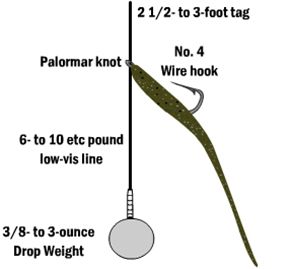
If you want to catch more fish, knowing where to place weights on your fishing line can make all the difference. The right placement helps your bait sink properly, stay in the strike zone longer, and keeps your line from tangling.
But where exactly should you put those weights to get the best results? You’ll discover simple tips and tricks that can improve your fishing game instantly. Keep reading, and you’ll learn how a small change in weight placement can lead to bigger catches.
Choosing The Right Weights
Picking the right weight for your fishing line helps you catch fish better. The weight affects how deep your bait goes and how it moves in water.
Different fishing conditions need different weights. Knowing the types and sizes helps you decide what to use.
Types Of Fishing Weights
Fishing weights come in many shapes and styles. Each type works well for certain fishing methods.
- Split Shot: Small and easy to attach, good for light fishing.
- Bell Sinkers: Round with a loop, used for bottom fishing.
- Egg Sinkers: Oval with a hole, allow the line to slide freely.
- Pyramid Sinkers: Pointed and heavy, ideal for sandy bottoms.
- Bank Sinkers: Long and heavy, used in strong currents.
Weight Sizes And Their Uses
Weights come in different sizes. Smaller weights keep bait near the surface. Bigger weights sink bait faster and hold it in place.
| Weight Size | Common Use |
|---|---|
| 1/16 oz to 1/4 oz | Light fishing in calm water, small fish |
| 3/8 oz to 1 oz | General fishing, moderate currents |
| 1 oz and above | Strong currents, deep water, big fish |

Credit: www.reddit.com
Factors Affecting Weight Placement
Placing weights on a fishing line helps control bait depth and movement. Correct weight placement improves fishing success.
Several factors influence where to put weights on your line. These include water conditions and fishing methods.
Water Depth And Current
Deeper water requires heavier weights or placing weights closer to the bait. This keeps bait at the right depth.
Strong currents push the bait and line downstream. You may need more weight or place it near the hook to hold position.
- Shallow water: use light weights placed further from the bait
- Deep water: heavier weights closer to the bait
- Fast current: heavier weights near the hook
- Slow current: lighter weights spaced out
Fishing Technique And Target Species
Different fishing methods need different weight placements. For example, float fishing uses weights below the float.
Target fish also affect weight choice. Some fish prefer slow-moving bait, so light weights work best.
- Float fishing: weights below the float for balance
- Bottom fishing: weights near the hook to keep bait on the floor
- Drift fishing: moderate weights to control bait movement
- Fast fish: lighter weights for quick bait action
Common Weight Placement Methods
Placing weights on a fishing line is key to successful fishing. Weights help control the bait’s depth and movement.
Different methods suit different fishing conditions. Let’s explore some common weight placement techniques.
Split Shot Placement
Split shot weights are small and easy to use. They clamp onto the line without much effort.
Place them close to the hook to keep the bait steady. Adjust the number of weights based on water current and depth.
- Use for shallow waters
- Easy to adjust
- Ideal for light baits
Slip Sinker Setup
Slip sinkers allow the line to move freely through them. This setup is good for areas with many fish.
Place the slip sinker above a swivel. The bait can move naturally, attracting more fish.
- Great for deep waters
- Lets fish swim with the bait
- Reduces line tension
Egg Sinker Technique
Egg sinkers are oval-shaped and slide on the line. They are perfect for river fishing.
Put the egg sinker above a swivel to prevent tangling. This helps the bait drift naturally with the current.
- Useful in strong currents
- Good for bottom fishing
- Allows smooth casting

Credit: www.reddit.com
Adjusting Weight For Better Casting
Placing weights on your fishing line helps you cast farther and control the bait. The right weight improves your fishing experience.
Adjusting the weight lets you balance the line and bait. It also helps you reach the spots where fish hide.
Balancing Weight And Bait
Put the weight close to the bait to keep it steady in the water. This balance stops the bait from moving too much.
Too much weight far from the bait can make it sink too fast. Too little weight may not cast well or hold the bait in place.
- Place weight 6-12 inches above the bait for balance
- Use lighter weights for small, light baits
- Use heavier weights for bigger, heavier baits
- Adjust weight to match water current and depth
Improving Casting Distance
Adding weight helps the line fly farther when you cast. The weight pulls the line through the air.
Too much weight can cause the line to tangle. Too little weight limits how far you can cast.
- Start with medium weight and adjust as needed
- Use streamlined weights to reduce air resistance
- Place weight 12-18 inches from the hook for longer casts
- Test cast to find the best weight for your rod and bait
Avoiding Common Mistakes
Placing weights on your fishing line correctly helps catch fish better. Mistakes in weight placement can cause problems like losing fish or breaking the line.
Learn where to put weights on the line. This will improve your fishing and keep your gear safe.
Overloading The Line
Using too many weights or weights that are too heavy can strain your fishing line. This can cause the line to break or reduce casting distance.
- Choose weights that match your line strength.
- Do not add extra weights beyond what is needed.
- Check the rod and reel limits before adding weights.
- Balance the weight to avoid stressing the line.
Incorrect Distance From Hook
Placing weights too close or too far from the hook can reduce bait movement and scare fish away.
| Weight Position | Effect |
| Too Close to Hook | Limits bait movement, less attractive to fish |
| Too Far from Hook | Reduces bite sensitivity, harder to detect strikes |
| Correct Distance | Allows natural bait movement and good strike detection |

Credit: mysterytacklebox.com
Tips For Different Fishing Environments
Placing weights on your fishing line changes how your bait moves in the water. Different places need different ways to use weights. Knowing where to put them helps catch more fish.
This guide shows how to place weights in still water, rivers, and saltwater. Each spot has its own tricks for weight placement.
Still Water Strategies
In lakes or ponds, use weights to keep your bait near the bottom or at a steady depth. Place the weight a few inches to a foot above the hook to let the bait move naturally.
Light weights work well here. They help the bait sink slowly and attract fish. Adjust weight size based on water depth and bait type.
- Place weight 6 to 12 inches above the hook
- Use light split shot or small sinkers
- Adjust weight for slow sinking in deep water
Fishing In Rivers And Streams
Currents in rivers and streams move your bait quickly. Place the weight close to the hook to keep the bait near the bottom. This helps stop the bait from drifting too far.
Heavier weights help hold the line steady in strong currents. Make sure to check the flow and adjust your weight size for best control.
- Put the weight 2 to 6 inches from the hook
- Use heavier sinkers to resist the current
- Check current strength and adjust weight accordingly
Saltwater Weight Placement
Saltwater fishing needs strong weights because of waves and tides. Place the weight farther from the hook to avoid scaring fish. This also helps the bait swim more freely.
Use heavier weights to reach deeper water and keep bait steady. If fishing near the bottom, place the weight close to the hook but use a quick-release setup if possible.
- Place weight 12 to 18 inches from the hook for natural bait movement
- Use heavy sinkers for strong waves and deep water
- Consider quick-release weights to avoid snagging
Testing And Fine-tuning Your Setup
Placing weights on your fishing line needs careful testing. Small changes can affect how your bait moves and sinks.
Fine-tuning helps you catch more fish by making your setup work better for each spot.
Trial And Error Techniques
Try different weight placements to see what works best. Move weights closer to the bait or farther up the line.
Test how the bait sinks and moves in the water. Notice which setup gives the best action and distance.
- Start with one weight near the bait
- Shift the weight up the line in small steps
- Watch how the bait swims and sinks
- Adjust weight size and number if needed
- Repeat until you find the best balance
Reading Fish Behavior
Watch how fish react to your bait. Fish may prefer different weight setups based on water conditions.
Notice if fish strike more when the bait sinks fast or moves slowly. Adjust weights to match their behavior.
- If fish stay near the bottom, use heavier weights
- Use lighter weights if fish are near the surface
- Slow sinking bait works well in cold water
- Fast sinking bait may attract active fish
- Change weights as fish change their depth
Frequently Asked Questions
Where Should I Place Weights On A Fishing Line?
Place weights 12 to 18 inches above the hook for balanced casting. This position helps the bait sink naturally and improves lure control. Adjust the distance based on fishing depth and current strength.
Why Place Weights Near The Hook On Fishing Line?
Weights near the hook help the bait sink quickly and reach fish faster. This setup enhances bite detection and improves hook setting. It’s ideal for bottom fishing and still water conditions.
How Does Weight Placement Affect Fishing Line Casting?
Proper weight placement improves casting distance and accuracy. Weights too close to the rod tip reduce control. Positioning weights correctly balances the line and prevents tangling during the cast.
Can I Place Multiple Weights On Fishing Line?
Yes, multiple weights can be spaced evenly for deep or fast currents. This technique stabilizes the bait and controls sinking speed. Use smaller weights to avoid scaring fish.
Conclusion
Placing weights on your fishing line affects how your bait moves underwater. Keep the weight close to the hook for better control and natural movement. Space the weight farther for longer casts and deeper fishing. Try different spots to see what works best for your fishing style.
Remember, small changes can make a big difference. Practice and patience help you catch more fish. Enjoy fishing and keep experimenting with your setup.