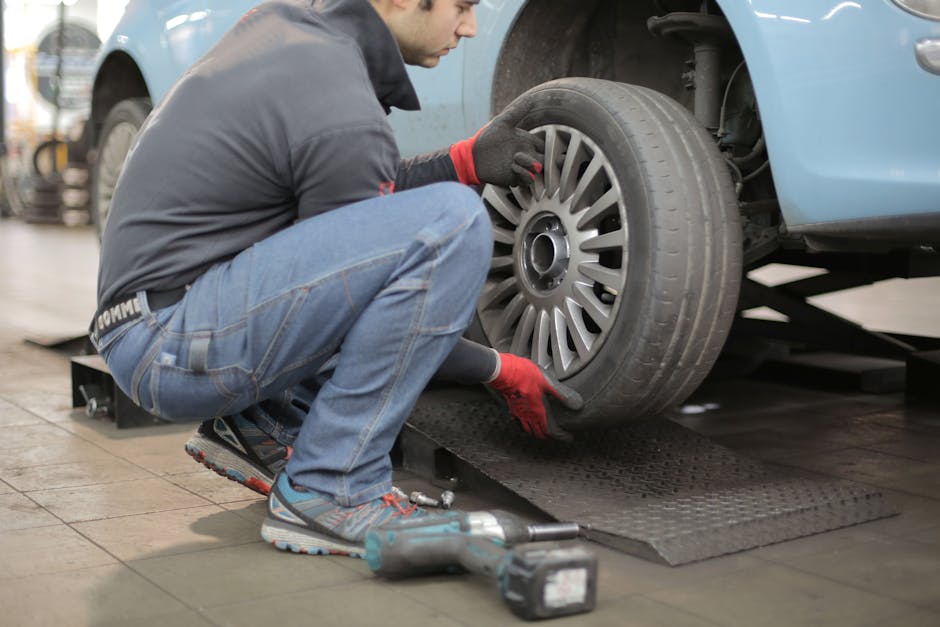
Changing a tire can be stressful, especially if you’re unsure about where to place your car jack. Getting it wrong can damage your vehicle or even cause injury.
But don’t worry—knowing the exact spot to put your car jack makes the whole process safer and easier. You’ll discover simple, clear steps to find the right jack points on your car. By the end, you’ll feel confident handling a flat tire anytime, anywhere.
Keep reading to learn the key tips that could save you time and hassle on the road.
Choosing The Right Jack Point
Using a car jack correctly is important for safety. Picking the right jack point stops damage to your car.
This guide helps you find the best place to put your car jack. Follow these tips to change your tire safely.
Locate Manufacturer’s Jack Points
Car makers design special spots for jacks. These spots are strong and safe for lifting the car.
Check your owner’s manual to find these jack points. They are often marked under the car’s frame or near the wheels.
- Look for small notches or reinforced areas on the frame
- Use the manual’s diagrams to identify jack points
- Do not guess the location without checking
Identify Solid Frame Areas
Strong parts of the car frame can hold the jack safely. These areas stop the car from slipping or falling.
Place the jack on flat, solid metal parts. Avoid parts that bend or feel soft to touch.
- Look for thick metal near the wheels or under the doors
- Use a flashlight to check for rust or damage
- Choose flat surfaces that give good jack contact
Avoid Weak Spots
Some parts of the car can break or bend under pressure. Do not use these parts to lift your car.
Stay away from plastic covers, thin metal panels, and parts near exhaust pipes or fuel tanks.
- Do not place the jack on body panels or bumpers
- Avoid rusted or damaged areas
- Never lift the car from the engine or suspension parts
Credit: www.familyhandyman.com
Tools Needed For Safe Jacking
Changing a tire safely requires the right tools. Using proper equipment helps keep you secure and prevents damage to your car.
Knowing where to place the car jack is important. Along with the jack, other tools make the job easier and safer.
Types Of Car Jacks
There are several types of car jacks. Each type works differently and fits different needs.
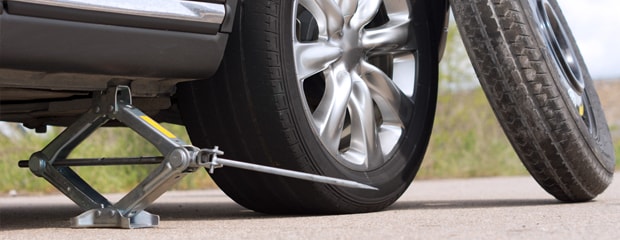
- Scissor Jack:Compact and simple to use. Common in many cars.
- Hydraulic Bottle Jack:Uses fluid pressure. Strong and lifts heavy vehicles easily.
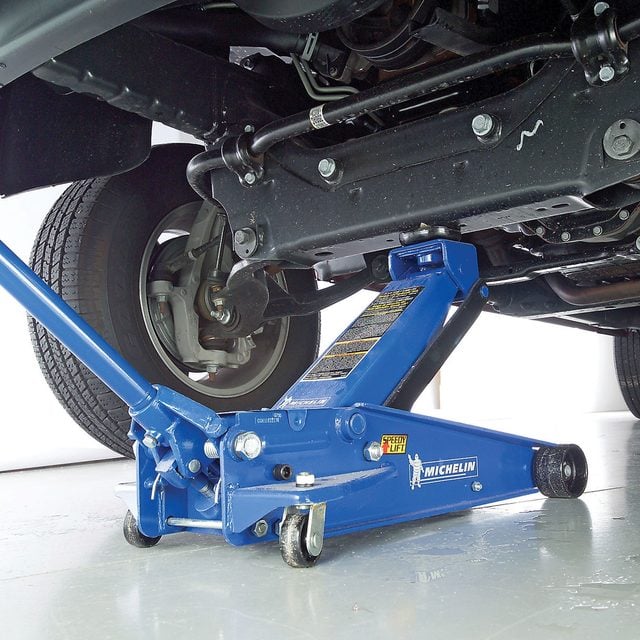
- Floor Jack:Has wheels and a long handle. Provides quick lifting and good stability.
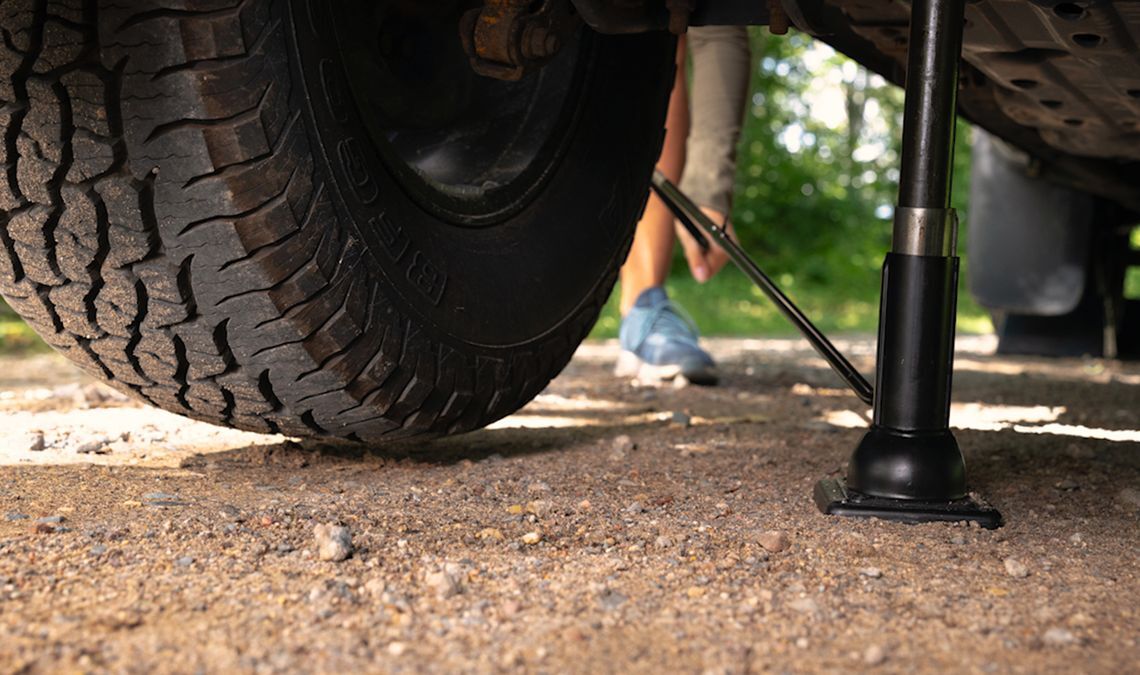
- Hi-Lift Jack:Tall and strong. Best for off-road vehicles and uneven ground.
Choose a jack that fits your vehicle’s weight and space. Always check the jack’s weight limit before use.
Additional Safety Equipment
Using extra safety tools helps protect you during the tire change. They keep the car steady and prevent accidents.
- Wheel Chocks:Place these behind or in front of wheels to stop the car from rolling.
- Jack Stands:Support the car once it is lifted. Never rely only on the jack.
- Gloves:Protect your hands from dirt and sharp parts.
- Flashlight:Helps you see clearly if you change a tire in low light.
- Reflective Vest:Makes you visible to other drivers on the road.
Always use wheel chocks and jack stands for the safest tire change. These tools keep you and the car secure.
Preparing Your Vehicle
Changing a tire needs careful steps to keep you safe. Prepare your vehicle before using the car jack.
Proper preparation helps prevent accidents and keeps the car steady. Follow these key steps before lifting your vehicle.
Park On A Level Surface
Always park your car on flat ground before changing a tire. Avoid hills or slopes that can cause the car to roll.
A level surface keeps the car stable. It makes using the jack safer and easier.
Engage Parking Brake
Set the parking brake to stop the car from moving. This adds an extra layer of safety.
Make sure the brake is fully on before you lift the car with the jack.
Chock The Wheels
Place wheel chocks or blocks on the opposite side of the tire you will change. This stops the car from rolling.
Use strong objects like bricks or wooden blocks if you do not have chocks. Put them firmly against the wheels.
- Place chocks behind rear wheels if front tire is flat
- Place chocks in front of front wheels if rear tire is flat
- Ensure chocks fit tightly against the tires
Step-by-step Jack Placement
Changing a tire needs careful jack placement. Putting the jack in the right spot keeps you safe. It also protects your car from damage.
This guide shows you how to place the jack step-by-step. Follow these steps before raising your vehicle.
Positioning The Jack Correctly
Find the jack point near the tire you want to change. Look under your car for a small notch or mark. This spot is made for the jack.
Place the jack on a flat, firm surface. Avoid soft or uneven ground to stop slipping. Make sure the jack’s top fits snugly under the car’s frame.
- Locate the jack point near the tire
- Use the notch or mark under the car
- Set jack on flat, hard ground
- Align jack top with the car frame
Raising The Vehicle Safely
Turn the jack handle slowly to lift the car. Raise the vehicle until the tire is off the ground. Do not go too high or the car may become unstable.
Check the car’s balance before working. Use wheel chocks on other tires to stop rolling. Never put any part of your body under the car while it is raised.
- Turn jack handle slowly to lift
- Raise car until tire is off ground
- Check car stability before work
- Use wheel chocks on other tires
- Never go under car while raised
Common Mistakes To Avoid
Changing a tire needs careful work to stay safe. Using a car jack is part of this job. Many people make mistakes while placing the jack. These mistakes can cause accidents or damage to the car.
Knowing where to put the jack helps avoid problems. This guide points out the common errors to watch for.
Placing Jack On Unstable Ground
Putting the jack on soft or uneven ground can cause it to slip or sink. This makes the car unsafe and can lead to injury.
Always check the ground before using the jack. Hard, flat surfaces like concrete or asphalt are best.
- Avoid grass, dirt, or gravel if possible
- Use a solid board under the jack on soft ground
- Make sure the jack base is stable and level
Incorrect Jack Point Selection
Cars have special jack points designed to hold the jack safely. Using other parts can damage the car or cause the jack to slip.
Look for the reinforced metal areas near the tire. Check your car manual for exact jack points.
- Do not place the jack under plastic parts or the bumper
- Avoid placing the jack under the exhaust or fuel lines
- Use only factory-approved jack points
Ignoring Safety Precautions
Many people forget simple safety steps when using a jack. This can cause serious accidents.
Always use the parking brake and block the wheels that stay on the ground. Never put any part of your body under the car while it is supported only by the jack.
- Engage the parking brake before jacking up
- Place wheel chocks on opposite wheels
- Use jack stands for extra support if available
- Do not rush the tire change process
Credit: www.johnsonsubaru.com
Special Considerations For Different Vehicles
Using a car jack safely depends on the vehicle type. Different cars have unique jack points.
Knowing where to place the jack protects your car and keeps you safe during a tire change.
Sedans And Compact Cars
Sedans and compact cars usually have clear jack points near the wheels. These points are often marked by small notches or reinforced metal.
- Check the owner’s manual for exact jack locations.
- Place the jack on flat, solid ground to avoid slipping.
- Use the reinforced areas behind the front wheels or in front of the rear wheels.
Suvs And Trucks
SUVs and trucks are heavier and higher off the ground. Their jack points are stronger and often found on the frame.
| Vehicle Type | Common Jack Point Location | Tip |
| SUV | Frame rail near the wheels | Use a jack with enough capacity |
| Truck | Behind front wheels or in front of rear wheels | Place a block under jack for stability |
Electric Vehicles
Electric vehicles have special battery packs under the floor. Avoid placing the jack on these areas.
Safe jack points for electric vehicles include:
- Reinforced metal sections near the wheels
- Designated lift points marked by the manufacturer
- Areas away from battery packs and wiring
Maintaining Your Jack And Tools
Knowing where to place your car jack is important. Keeping your jack and tools in good shape helps you change a tire safely.
Regular care of your jack makes sure it works when you need it. Let’s look at how to keep your tools ready.
Regular Inspections
Check your car jack often for damage or rust. Look for cracks, bends, or broken parts before use.
Test the jack’s movement. It should lift smoothly without sticking or making strange noises.
- Clean dirt and grease off the jack
- Lubricate moving parts with oil
- Replace damaged parts quickly
- Check the jack’s weight limit and safety labels
Proper Storage
Store your jack in a dry place to stop rust. Avoid damp areas like basements or outside sheds.
Keep your jack and tools in a box or case. This protects them from dust and damage.
- Use a tool bag or container for all parts
- Keep the jack in a stable position to avoid falls
- Label your storage area for easy access
- Store near your spare tire if possible
Credit: www.bfgoodrichtires.com
Frequently Asked Questions
Where Should I Place The Car Jack?
Place the car jack under the vehicle’s designated jacking points. These are typically reinforced areas near the tires. Check your vehicle’s owner manual for exact locations. Proper placement ensures safety and prevents damage to your car’s frame.
Can I Use Any Car Jack For All Vehicles?
Not all car jacks are universal. Use the jack designed for your vehicle’s weight and type. Consult your vehicle’s manual for compatible jacks. Using the wrong jack can be unsafe and may not support the vehicle properly.
How Do I Identify The Jacking Point?
Look for notches or reinforced spots near the tire. Many vehicles have indicators or labels at these points. The owner’s manual will have diagrams showing exact jacking locations. Proper identification prevents damage and ensures safety.
Is It Safe To Change A Tire On A Hill?
Avoid changing a tire on a slope. Park on a flat, stable surface. Use wheel chocks to prevent movement. Changing a tire on uneven ground can be dangerous and lead to accidents.
Conclusion
Placing the car jack correctly keeps you safe during a tire change. Always find the vehicle’s recommended jack points near the tire. Avoid soft or uneven ground to stop the car from slipping. Lift the car slowly and check stability before removing the tire.
Taking these steps helps you change tires without problems. Practice this once to feel confident next time. Safety first, every time.