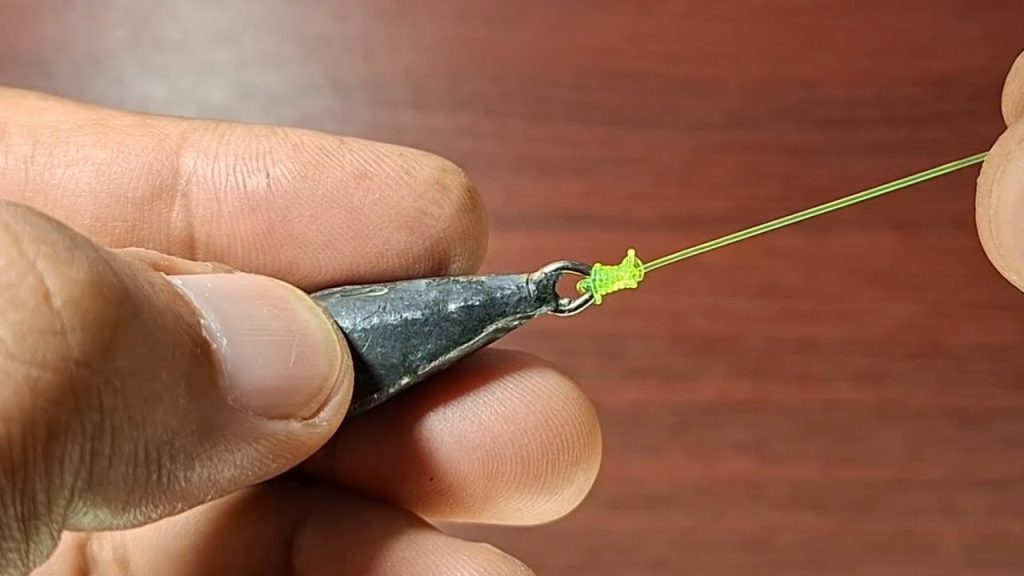
Are you struggling to catch more fish even after hours of patience? One simple change can make a big difference: where you put the sinker on your fishing line.
Placing it in the right spot helps your bait sink just right, making it more attractive to fish. You’ll discover exactly where to put a sinker on your fishing line to improve your chances of a great catch. Keep reading, and you’ll learn easy tips that even beginners can use to fish smarter, not harder.

Credit: www.youtube.com
Choosing The Right Sinker
Sinkers help you cast your fishing line farther and keep the bait deep. Picking the right sinker makes fishing easier and more effective.
Different sinkers work best for different fishing spots and fish types. Learn about the types and weights to find what suits your needs.
Types Of Sinkers
Sinkers come in many shapes and materials. Each type serves a special purpose in fishing.
- Split Shot:Small and easy to attach. Good for light fishing.
- Egg Sinker:Oval-shaped, slides on the line freely. Ideal for bottom fishing.
- Bank Sinkers:Teardrop shape with a hole. Best for strong currents.
- Pyramid Sinkers:Pointed shape holds well in sandy or rocky bottoms.
- Bullet Sinkers:Shaped like a bullet, perfect for fishing in weeds.
Selecting Weight Based On Conditions
Choosing the right weight depends on water depth, current speed, and wind. Heavy sinkers work well in strong currents.
| Condition | Recommended Weight | Reason |
| Calm Water | Light (1-5 grams) | Allows natural bait movement |
| Moderate Current | Medium (6-15 grams) | Keeps bait steady |
| Strong Current or Deep Water | Heavy (16+ grams) | Prevents drifting |
| Windy Conditions | Medium to Heavy | Improves casting distance |
Factors Influencing Sinker Placement
Choosing where to put a sinker on a fishing line changes how the bait moves. This affects the chance of catching fish.
Different factors like water, fish type, and bait affect sinker placement. Knowing these helps you fish better.
Water Depth And Current
Water depth decides how far the sinker should slide on the line. In deep water, the sinker goes lower to reach the fish.
Currents push the bait and sinker. A strong current needs a heavier sinker placed closer to the bait to keep it steady.
- Shallow water: place sinker near the hook
- Deep water: sinker goes higher on the line
- Strong current: use heavier sinker close to bait
- Calm water: lighter sinker works well
Target Fish Species
Different fish swim at different depths. Place the sinker to keep the bait where your target fish usually feed.
Some fish prefer the bottom, so put the sinker close to the hook. Others swim in the middle, so space the sinker away from the bait.
- Bottom feeders: sinker near the bait
- Mid-water fish: sinker placed higher on line
- Surface feeders: light or no sinker needed
Bait Type And Presentation
Live bait moves a lot. Place the sinker away to let it swim naturally. This attracts more fish.
For artificial lures, sinker position changes how the lure moves. A closer sinker makes the lure sink fast. A farther sinker lets it float more.
- Live bait: sinker 12 to 18 inches above hook
- Soft bait: sinker close to hook for control
- Artificial lure: adjust sinker to control sinking speed
Common Sinker Placement Techniques
Sinkers help you cast your fishing line farther and keep the bait in place. Placing them correctly is key to a good fishing setup. Different methods suit different fishing styles and conditions.
This guide explains three common ways to put a sinker on your fishing line. Each method has its own use and benefits.
Fixed Sinker Setup
In a fixed sinker setup, the sinker is tied or fixed at a specific spot on the line. It does not move along the line during casting or fishing.
- Place the sinker about 12 to 18 inches above the hook.
- Tie the sinker securely to prevent sliding.
- This setup works well in slow-moving waters.
- It helps keep the bait near the bottom consistently.
Slip Sinker Setup
A slip sinker can slide freely on the line. It allows the fish to take the bait without feeling the weight of the sinker at first.
| Component | Purpose |
| Slip sinker | Slides on the line to let bait move naturally |
| Bead | Protects knot from sinker rubbing |
| Stop knot | Limits how far the sinker can slide |
| Hook | Holds the bait and catches the fish |
Dropper Loop Method
The dropper loop method uses a loop tied in the main line to hold the hook and bait. The sinker is placed below this loop.
This method offers these advantages:
- Allows multiple hooks on one line
- Keeps bait off the bottom
- Reduces tangling during casting
- Easy to change bait without retying the whole rig

Credit: www.youtube.com
Adjusting Sinker Position For Different Fishing Styles
Sinkers help bait sink to the right depth. Placing them correctly changes how your bait moves.
Different fishing styles need different sinker positions. Adjusting the sinker helps catch more fish.
Bottom Fishing
In bottom fishing, the sinker sits near the hook. It keeps bait on or near the bottom where fish feed.
Place the sinker 6 to 12 inches above the hook. This lets the bait move slightly but stay low.
- Use a heavier sinker to stay on the bottom in currents
- Keep the line tight to feel bites
- Adjust sinker weight to avoid snagging
Float Fishing
Float fishing uses a bobber to show bites. The sinker goes below the float to balance it.
Put the sinker 12 to 18 inches below the float. This helps bait stay at the right depth.
- Move sinker closer to the float for shallow water
- Place sinker farther down for deeper water
- Use smaller sinkers to keep the float sensitive
Casting And Trolling
For casting and trolling, sinkers help cast farther and keep bait down while moving.
Place the sinker a few inches above the hook. This keeps bait near the lure or hook during movement.
- Use heavier sinkers for longer casts
- Keep sinker close to hook to reduce drag
- Adjust sinker weight for water depth and speed
Troubleshooting Sinker Issues
Sinkers help control the depth and stability of your bait. Placing them correctly is key for good fishing. If you face problems with your sinker, simple fixes can improve your experience.
This guide covers common sinker issues and how to solve them. Follow these tips to avoid snags, prevent line twist, and improve your casting distance.
Avoiding Snags
Snags happen when your sinker catches on rocks, weeds, or debris. To reduce snags, place the sinker so it slides freely above the hook.
- Use a slip sinker that moves along the line.
- Place the sinker 12 to 18 inches above the hook.
- Choose a sinker weight that suits the water current.
- Check for underwater obstacles before casting.
Preventing Line Twist
Line twist causes tangles and weakens the line. Positioning the sinker properly helps stop the line from spinning.
| Sinker Type | Placement Tip |
| Split shot | Clamp close to the hook to reduce spin |
| Egg sinker | Use with swivel to allow free movement |
| Bank sinker | Attach above swivel to prevent twist |
Improving Casting Distance
Placing the sinker correctly can help you cast farther. The right balance between sinker weight and placement is important.
- Use a heavier sinker for longer casts in open water.
- Position the sinker at least 18 inches above the hook for better line flight.
- Choose streamlined sinkers to reduce air resistance.
- Keep the line tight during the cast to avoid slack.
Tips From Experienced Anglers
Placing a sinker on a fishing line affects your bait’s depth and movement. Experienced anglers adjust sinker position to catch more fish.
Knowing where to put the sinker helps control the bait’s speed and reach. This guide shares useful tips from anglers who fish often.
Seasonal Adjustments
Fish change their habits with the seasons. Adjusting sinker placement helps match their new patterns.
In colder months, place the sinker closer to the bait to reach deeper waters where fish stay warm. During warmer months, move the sinker farther up to keep the bait near the surface.
- Winter: Sinker 6-12 inches above bait
- Summer: Sinker 12-18 inches above bait
- Spring and Fall: Adjust based on water temperature
Adapting To Weather Changes
Weather affects water currents and fish activity. Change sinker placement to keep bait in the strike zone.
On windy days, use a heavier sinker and place it closer to the hook to hold the bait steady. On calm days, a lighter sinker placed farther from the bait allows more natural movement.
- Windy weather: Sinker 4-8 inches from bait with heavier weight
- Calm weather: Sinker 12-20 inches from bait with lighter weight
- Rainy days: Adjust based on water clarity and flow
Local Knowledge Insights
Local anglers know the best sinker setups for their waters. Ask about common sinker types and placements in your fishing spot.
Some areas need the sinker close to the bait because of strong currents. Others work better with the sinker placed farther away to avoid scaring fish.
- Talk to local bait shops or fishing clubs
- Observe how local anglers set their sinkers
- Test different sinker positions based on local tips

Credit: fishingbooker.com
Frequently Asked Questions
Where Should A Sinker Be Placed On A Fishing Line?
A sinker should be placed above the hook on the fishing line. This positioning helps the bait sink deeper into the water. It also stabilizes the line in moving water. Ensure it’s secure to prevent slipping and tangling. Adjust the distance based on your fishing environment.
How Does Sinker Weight Affect Fishing?
Sinker weight determines how deep the bait sinks and how stable the line stays. Heavier sinkers are ideal for deep waters or strong currents. Light sinkers work well in shallow, calm waters. Choosing the right weight improves casting distance and bait presentation, enhancing fishing success.
What Types Of Sinkers Are Available?
Various sinkers, such as split-shot, egg, and bullet, are available for different fishing needs. Split-shot sinkers are versatile and easy to attach. Egg sinkers are ideal for bottom fishing. Bullet sinkers are commonly used in weed-heavy areas. Select based on your fishing style and environment.
Can A Sinker Affect Bait Movement?
Yes, a sinker can influence bait movement by controlling its depth and stability. Proper sinker placement ensures the bait moves naturally, attracting fish effectively. Adjust the weight to suit water conditions and target species. Experimenting with different weights helps find the best bait presentation.
Conclusion
Placing a sinker correctly helps your bait reach the right depth fast. Keep it close to the hook for better control. Try different positions to see what works best. Adjust based on water type and fish behavior. Practice makes fishing easier and more fun.
Remember, small changes can bring big results. Enjoy your time on the water and happy fishing!