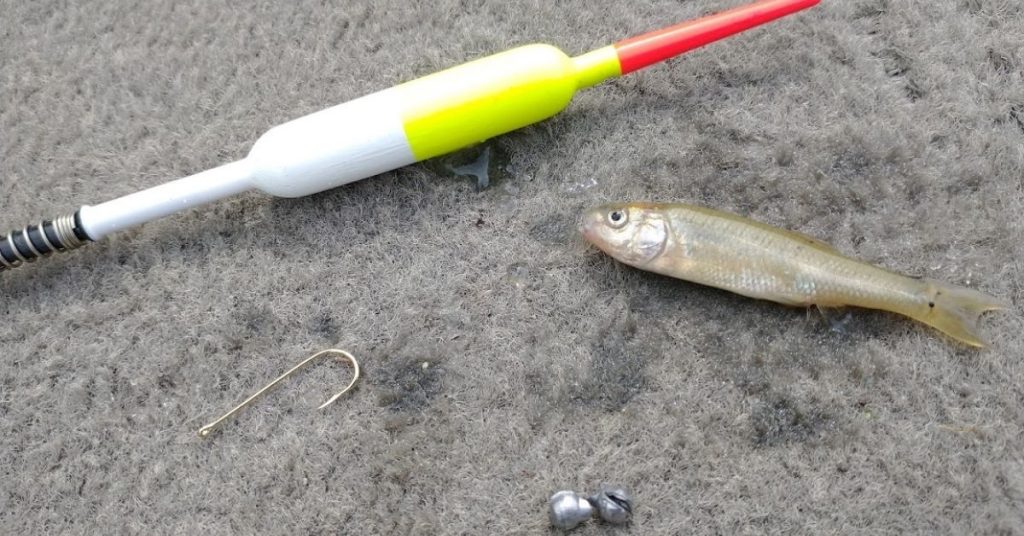
Are you tired of missing bites while fishing? Knowing exactly where to put your bobber on the fishing line can change the way you catch fish.
It’s a simple step, but it makes a huge difference in how your bait moves and how many fish you attract. You’ll discover the easy tricks to position your bobber perfectly every time. Keep reading to learn how this small adjustment can boost your fishing success and make your time on the water more rewarding.

Credit: www.youtube.com
Choosing The Right Bobber
Choosing the right bobber is important for fishing success. It helps you see when a fish bites.
Different bobbers work better for certain types of fishing. Pick one that fits your needs.
Types Of Bobbers
There are several types of bobbers. Each type works well in different fishing conditions.
- Round or Ball Bobbers: These are common and easy to use.
- Slip Bobbers: They slide on the line for deep water fishing.
- Stick Bobbers: Long and thin, good for fast visual bites.
- Bubble Bobbers: Can be filled with water for added weight.
Material Considerations
Bobbers come in different materials. Choose one that lasts and suits your fishing style.
Plastic bobbers are lightweight and affordable. Foam bobbers float well and resist damage.
- Plastic: Durable and bright, good for clear water.
- Foam: Floats well, soft and less likely to break.
- Balsa Wood: Traditional, very light and sensitive.
Size Matters
Choosing the right size bobber depends on the bait and water conditions. Bigger bobbers hold more weight.
Small bobbers work best with light bait and calm water. Large bobbers are good for heavy bait and rough water.
- Small (1/8 to 1/4 oz): For light bait and small fish.
- Medium (1/4 to 1/2 oz): Good all-around size for many fish.
- Large (1/2 oz and up): For heavy bait and strong currents.
Factors Affecting Bobber Placement
Knowing where to put the bobber on your fishing line helps catch more fish. The right spot depends on several key factors. These include the fish you want, how deep the water is, and the conditions outside.
Adjusting the bobber placement improves your chances of attracting fish. It also keeps your bait in the best position to get bites.
Target Fish Species
Different fish swim at different depths. Some fish stay near the surface while others stay near the bottom. You must place the bobber to keep the bait where your target fish swim.
Research the habits of the fish you want. This helps you decide how far from the hook to put the bobber.
- Surface feeders: place bobber close to hook
- Mid-water fish: set bobber halfway down the line
- Bottom feeders: place bobber higher to let bait sink
Water Depth
The depth of the water affects how deep your bait should go. Use a longer distance between bobber and hook in deep water. In shallow water, keep the bobber closer to the hook.
Measure the water depth before fishing. This helps you set your bobber at the right length for the fish to find the bait.
- Deep water: bobber 6-10 feet above hook
- Medium depth: bobber 3-6 feet above hook
- Shallow water: bobber 1-3 feet above hook
Current And Weather Conditions
Strong currents can pull your bait away from fish. Place the bobber higher to keep bait steady. Calm water lets you place the bobber closer to the hook.
Weather also matters. Windy days may require adjusting bobber placement to avoid drifting. Check the weather before fishing to set the bobber properly.
- Fast current: longer line between bobber and hook
- Slow current: shorter line works well
- Windy weather: adjust bobber for less drift
- Calm weather: place bobber closer to hook
Measuring Distance For Bobber Placement
Placing the bobber at the right distance on your fishing line helps you catch more fish. It shows how deep your bait is in the water.
Measuring the distance depends on the water depth and the fishing spot. Knowing how to adjust helps improve your fishing results.
Estimating Water Depth
To estimate water depth, you can use a weight tied to your line. Drop it until it reaches the bottom, then measure the length of the line.
- Use a sinker or weight on your line
- Lower it slowly until it touches the bottom
- Mark the line at the surface level
- Measure the length from the weight to the mark
Adjusting For Different Fishing Spots
Different fishing spots have different water depths and conditions. Adjust your bobber placement to match each spot.
| Fishing Spot | Water Depth | Bobber Distance |
| Shallow pond | 2-4 feet | 1.5-3 feet |
| River | 4-10 feet | 3-8 feet |
| Lake deep area | 10+ feet | 8-12 feet |
Credit: silverspoontheory.com
Techniques For Attaching The Bobber
Choosing the right spot to put a bobber on your fishing line helps catch more fish. The way you attach the bobber changes how your bait moves in the water.
Two common ways to attach a bobber are slip bobber setup and fixed bobber setup. Each works best for different fishing situations.
Slip Bobber Setup
A slip bobber slides freely up and down the line. This lets you change the fishing depth without removing the bobber.
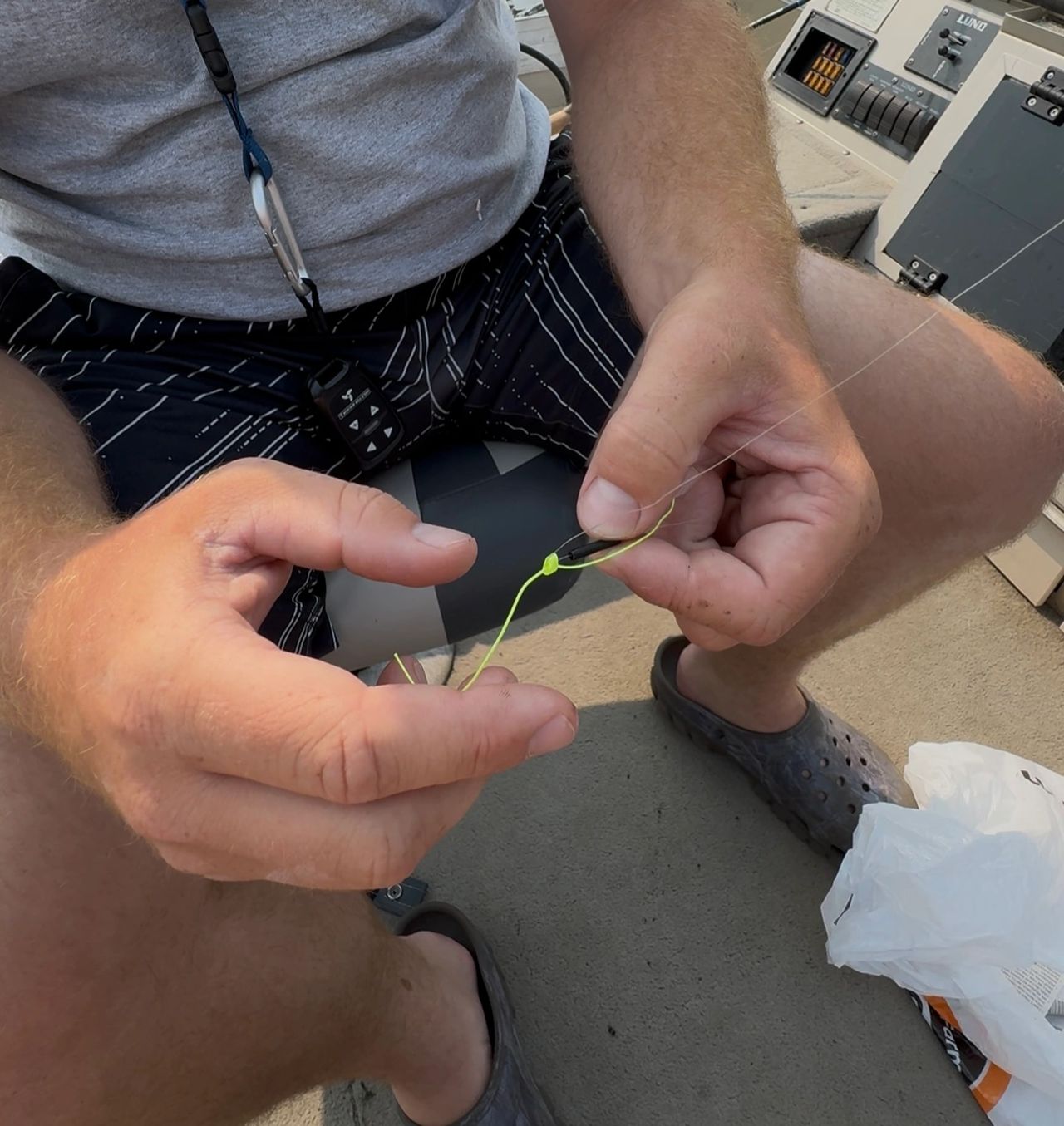
To attach, thread a small bobber stop above the bobber. The stop controls how far the bobber can slide.
- Place a bobber stop above where you want the bobber to stop.
- Slide the slip bobber onto the line below the stop.
- Attach your hook and weight below the bobber.
- Adjust the stop to set your fishing depth.
Fixed Bobber Setup
A fixed bobber stays in one place on the line. It works well in shallow water or when you want a set fishing depth.
To attach, pin the bobber directly to the line. This holds it tight and stops it from moving.
- Pinch the line between the bobber’s clips or hooks.
- Make sure the bobber is secure and will not slide.
- Add your hook and weight below the bobber.
- Cast your line and fish at the fixed depth.
Common Mistakes To Avoid
Putting a bobber on your fishing line seems simple. Many anglers make errors that reduce their catch chances.
Knowing where to place the bobber helps improve your fishing success. Avoid these common mistakes.
Placing Bobber Too Close Or Too Far
Putting the bobber too close to the hook limits how deep your bait goes. Fish may miss it if they swim deeper.
Setting the bobber too far lets the bait sink too deep. Fish near the surface might not see it well.
- Too close means shallow bait; fewer bites from deep fish
- Too far means bait sinks too deep; surface fish miss it
- Adjust bobber distance based on fish type and water depth
Ignoring Environmental Factors
Water conditions change where to place your bobber. Ignoring this makes fishing less effective.
Strong currents can pull your bait away. Wind can move the bobber and confuse your line’s position.
- Check water depth and clarity before setting bobber
- Adjust bobber for currents to keep bait in place
- Watch wind effects to avoid false bites or tangled line

Credit: www.amazon.com
Tips For Improving Bobber Fishing Success
Using a bobber on your fishing line helps you see when a fish bites. It also keeps your bait at the right depth. Adjusting the bobber position can increase your chances of catching fish.
Different baits and times of day need different bobber settings. Learning how to change the bobber position and pick the right bait can make your fishing trips better.
Adjusting Bobber Position Throughout The Day
Fish move to different depths during the day. Early morning and late evening, fish stay near the surface. In the heat of the day, they go deeper to stay cool. Changing your bobber position helps you reach the fish where they are.
- Start with the bobber 2 to 3 feet from the hook in the morning.
- Move the bobber deeper, up to 6 feet, as the sun rises.
- Watch how the bobber moves and adjust if there is no bite.
- Try shallower depths again near sunset.
Using Bobbers With Different Bait Types
Some baits work better with certain bobber setups. Live bait like worms or minnows need a gentle bobber that lets them swim. Heavier baits like dough or corn need a stronger bobber to hold them in place.
| Bait Type | Recommended Bobber | Bobber Position |
| Live worms | Small slip bobber | 2 to 4 feet from hook |
| Minnows | Medium round bobber | 3 to 5 feet from hook |
| Dough bait | Large stick bobber | 1 to 3 feet from hook |
| Corn kernels | Medium slip bobber | 2 to 4 feet from hook |
Frequently Asked Questions
Where Should I Place The Bobber On My Fishing Line?
Place the bobber 1 to 3 feet above the hook. This distance depends on the water depth and target fish species. Adjusting the bobber height helps keep bait at the desired depth for better fish attraction and bite detection.
How Does Bobber Placement Affect Fishing Success?
Proper bobber placement controls bait depth and visibility. It keeps bait suspended near fish feeding zones. Correct positioning improves bite detection and increases catch rates by making your setup more natural and effective.
Can I Change Bobber Position For Different Fish Types?
Yes, adjust bobber height for different fish species. Shallow water fish need bobbers closer to the hook. Deep water fish require bobbers set higher on the line to reach their preferred depth.
What Happens If The Bobber Is Too Close To The Hook?
If too close, bait sinks quickly and may scare fish. The bobber won’t signal bites properly, reducing fishing effectiveness. Proper spacing ensures bait floats naturally and bite detection works well.
Conclusion
Placing the bobber at the right spot helps catch more fish. Adjust the bobber depending on the water depth and fish type. Too close or too far can make fishing less effective. Keep trying different positions until you find the best one.
This simple step makes fishing easier and more fun. Enjoy your time by the water with the right bobber setup.