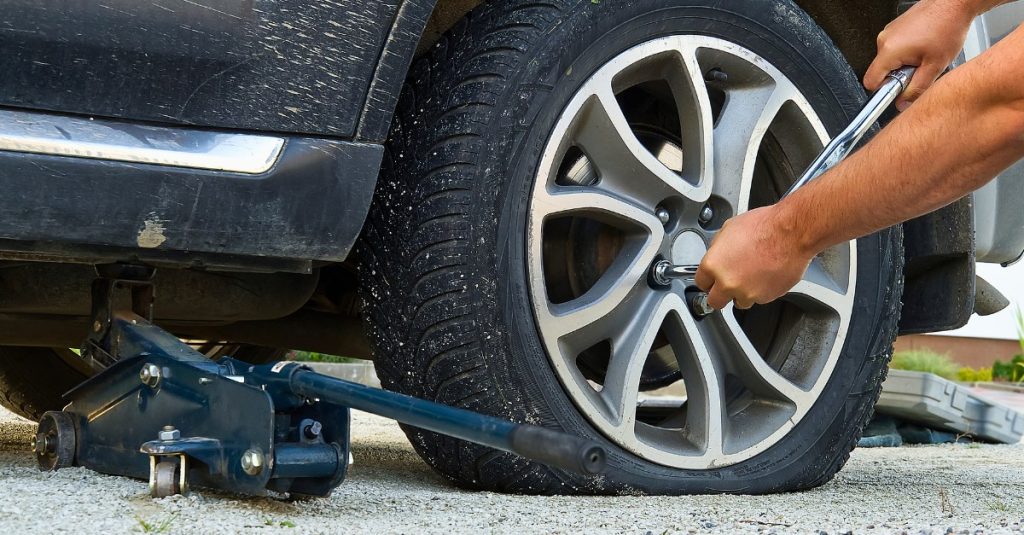
Changing a tire can be stressful, especially if you’re not sure where to place the car jack. Putting the jack in the wrong spot can damage your vehicle or even cause an accident.
You want to be safe and efficient, so knowing exactly where to put your car jack is crucial. You’ll learn the simple steps to find the right spot and lift your car with confidence. Keep reading to make your tire change easier and safer every time.
Credit: www.bfgoodrichtires.com
Car Jack Basics
Using a car jack is important for changing a tire safely. You need to know where to place it under your car.
A car jack lifts the car so you can remove the tire easily. Understanding the basics helps you avoid damage and injury.
Types Of Car Jacks
There are several types of car jacks. Each works in a different way and suits different situations.
- Scissor Jack:Uses a screw mechanism to lift the car. It is common in many cars.
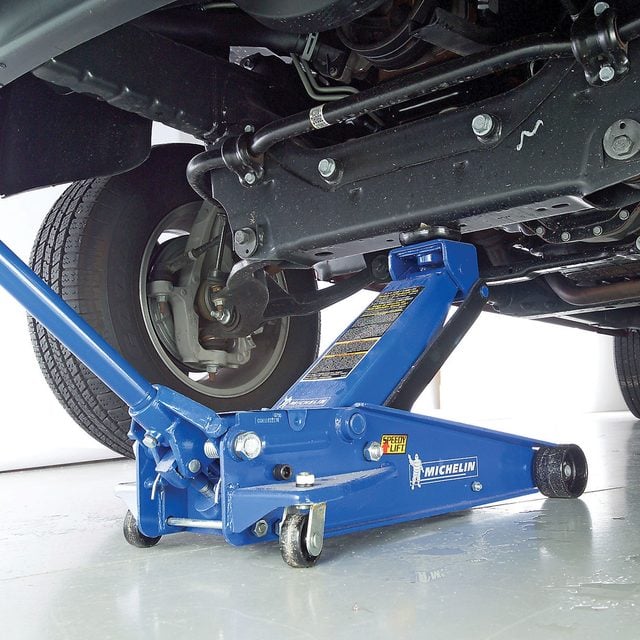
- Hydraulic Floor Jack:Uses fluid pressure to lift heavier vehicles smoothly.
- Bottle Jack:A hydraulic jack shaped like a bottle. It is strong but tall.
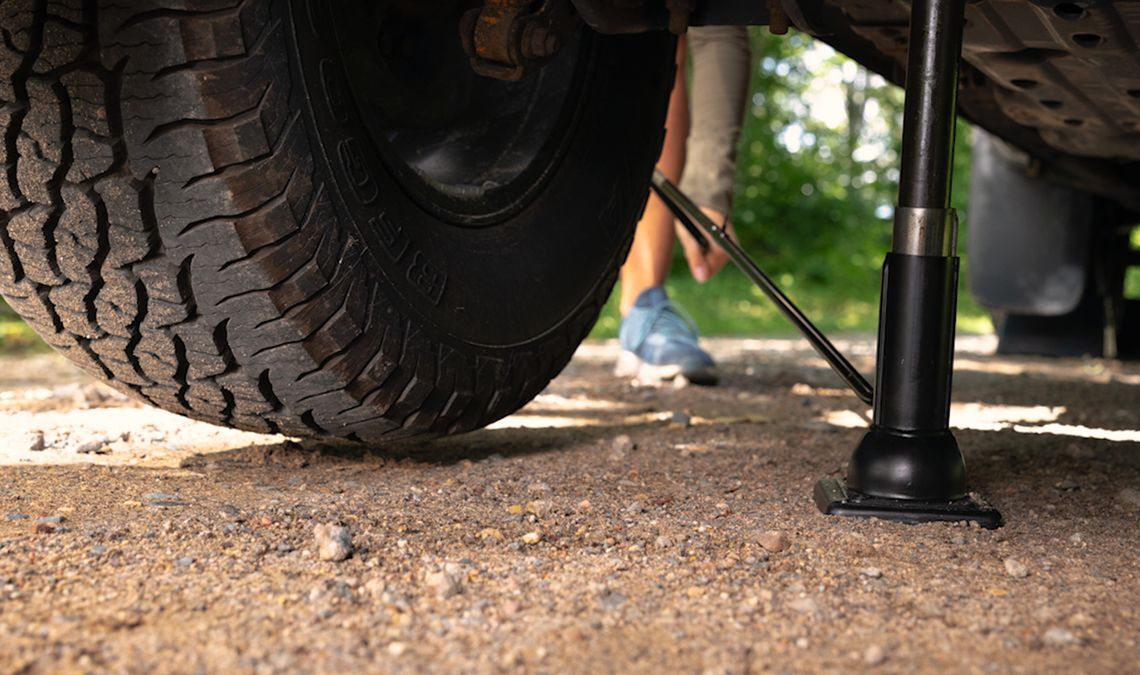
- Hi-Lift Jack:Used for off-road vehicles. It can lift very high but needs care.
How Car Jacks Work
Car jacks work by applying force to lift the vehicle off the ground. This makes tire changing possible.
Most jacks use simple machines like screws or hydraulic pressure to multiply your strength.
- Scissor jacksturn a screw to raise the car slowly and steadily.
- Hydraulic jacksuse fluid pressure in a cylinder to lift with less effort.
- Bottle jackswork like hydraulic jacks but are smaller and taller.
Credit: www.familyhandyman.com
Finding The Jack Points
When changing a tire, it’s important to know where to place the car jack. Incorrect placement can damage your vehicle or cause accidents. Let’s explore how to find the right jack points.
Consulting The Owner’s Manual
The owner’s manual is a crucial resource for vehicle maintenance. It provides detailed instructions on car jack placement.
Look for the section on tire changing. This will guide you to the exact jack points for your car model.
Common Jack Point Locations
Most cars have specific areas for jack placement. These are usually reinforced to handle the weight of the vehicle.
Check these common locations to find the jack points on your car.
- Behind the front wheels
- In front of the rear wheels
- Along the vehicle’s frame
- Near the car’s rocker panels
Preparing Your Vehicle
Changing a tire safely starts with preparing your vehicle correctly. This helps keep you and your car steady during the process.
Follow simple steps to make sure your car will not move or slip while you use the jack.
Ensuring Stable Ground
Park your car on a flat, solid surface. Avoid soft or sloped ground to stop the jack from tipping over.
Look for spots like concrete or asphalt that will hold the weight of the car and jack steady.
Engaging Parking Brake
Always set the parking brake before lifting the car. This keeps the vehicle from rolling.
- Press the brake pedal firmly
- Pull or push the parking brake lever
- Check if the car feels locked in place
Using Wheel Chocks
Wheel chocks stop the wheels from moving. Place them on the opposite side of the tire you are changing.
| Position | Where to Place Chocks |
| Front Tire Change | Behind rear wheels |
| Rear Tire Change | In front of front wheels |
| Both Sides | Both front and rear wheels |
Positioning The Jack
Placing the car jack correctly is important for safety when changing a tire. The jack must be in the right spot to lift the car without slipping.
This guide covers how to position the jack by aligning with jack points, avoiding damage to the vehicle, and securing the jack properly.
Aligning With Jack Points
Jack points are strong areas designed to hold the jack’s weight. These points are usually near the car’s wheels on the frame or under the body.
- Look for small notches or marks on the car’s frame.
- Check the owner’s manual for exact jack point locations.
- Place the jack directly under the jack point to avoid slipping.
- Make sure the jack is flat on the ground before lifting.
Avoiding Damage To Vehicle
Using the jack in the wrong spot can damage the car’s body or frame. Avoid placing the jack on plastic parts, the bumper, or exhaust system.
| Wrong Jack Placement | Possible Damage |
| Plastic trim or panels | Cracks or breaks |
| Bumper edges | Bends or dents |
| Exhaust pipes | Leaks or cracks |
| Floorboard areas | Structural weakness |
Securing The Jack
Securing the jack keeps the car stable during lifting. Always use the parking brake and place wheel chocks on the opposite side.
- Set the jack on a firm, level surface.
- Raise the jack slowly and watch for shifts.
- Do not go under the car unless it is fully supported.
- Lower the jack carefully after the tire change.
Raising The Vehicle Safely
Changing a tire requires lifting your vehicle safely. Using a car jack correctly prevents accidents. This guide helps you find the right jack position and lift your car steadily.
Follow simple steps to avoid damage or injury. Make sure the vehicle stays stable while it is raised.
Lifting Procedures
Start by parking on a flat surface. Engage the parking brake and turn off the engine. Locate the car jack points under your vehicle. These points are usually near the tire and marked in the owner’s manual.
- Place the jack under the designated jack point.
- Turn the jack handle slowly to lift the car.
- Raise the vehicle until the tire is off the ground.
- Use jack stands to secure the vehicle if you need to work under it.
- Never rely on the jack alone for support.
Signs Of Unstable Jacking
Watch for these signs to know if your car jack is unstable:
| Sign | What It Means |
|---|---|
| Car shakes or moves | Jack is not secure or placed wrong |
| Jack tilts or slips | Surface is uneven or jack point is weak |
| Jack handle feels loose | Jack may be damaged or worn out |
| Vehicle lowers without warning | Jack failure or improper setup |
Common Mistakes To Avoid
Changing a tire requires placing the car jack in the right spot. Mistakes can cause accidents or damage. Learn what to avoid to stay safe.
Using the car jack safely is important. Avoid these common errors to protect yourself and your vehicle.
Incorrect Jack Placement
Putting the jack in the wrong place can damage your car’s body or cause the car to slip. Always find the jack point made by the car maker.
Never place the jack under parts like the bumper, exhaust, or plastic trim. These parts are not strong enough to hold the car’s weight.
- Look for a small notch or reinforced area near the tire.
- Check your car manual for exact jack points.
- Make sure the jack sits flat on the ground and the car.
Ignoring Safety Measures
Not using safety tools or ignoring safety steps can lead to injuries. Always use wheel chocks and the parking brake before jacking up the car.
Do not try to change a tire on a slope or soft ground. This increases the risk of the car moving or the jack slipping.
- Engage the parking brake firmly.
- Place wheel chocks on the opposite wheels.
- Work on a flat, stable surface only.
- Wear gloves and stay clear of the car while jacking.
Using Damaged Equipment
Using a damaged jack or tools can cause failure. Check your jack for cracks, rust, or loose parts before use.
Do not use equipment that feels unstable or broken. Replace damaged tools to avoid accidents.
- Inspect the jack for any damage before each use.
- Test the jack by lifting a small weight first.
- Store the jack in a dry place to prevent rust.
Additional Safety Tips
Changing a tire can be risky without proper safety measures. Taking extra precautions helps prevent injuries and accidents.
These tips focus on what to wear, lighting, and having support nearby while using a car jack.
Wearing Protective Gear
Always wear the right protective gear before lifting your car with a jack. This keeps you safe from cuts and bruises.
- Wear sturdy gloves to protect your hands.
- Use closed-toe shoes to shield your feet.
- Consider eye protection if debris is possible.
Working In Well-lit Areas
Good lighting helps you see where to place the jack correctly. It also lets you spot hazards around your workspace.
- Change tires during daylight when possible.
- Use a flashlight or portable work light if dark.
- Set up near street lamps or your vehicle’s headlights.
Having A Helper Nearby
Having someone assist you can speed up the process and provide help if anything goes wrong.
| Helper’s Role | Why It Matters |
|---|---|
| Hold the flashlight | Improves visibility in low light |
| Steady the car jack | Prevents slipping or tilting |
| Call for help if needed | Ensures quick response in emergencies |

Credit: www.youtube.com
Frequently Asked Questions
Where Is The Safest Spot To Place A Car Jack?
Place the car jack under the vehicle’s designated jacking point. These spots are reinforced and prevent damage. Check your owner’s manual for exact locations. Avoid placing the jack on soft ground or near suspension parts to ensure stability and safety.
How To Identify The Correct Jacking Point On A Car?
Look for small notches or reinforced metal areas along the vehicle’s frame. These are usually near the wheel wells. Consult your car’s manual for diagrams. Using the correct spot ensures the jack holds the car securely during tire changes.
Can I Use A Car Jack On Uneven Ground?
No, using a car jack on uneven ground is unsafe. Always find a flat, stable surface before lifting your vehicle. Uneven ground can cause the jack to slip, risking injury or damage. Use wheel chocks for extra safety.
Why Is The Jacking Point Important When Changing A Tire?
The jacking point supports the vehicle’s weight safely during lifting. Using the wrong spot can damage your car or cause the jack to fail. Proper placement ensures stability and protects both you and your vehicle.
Conclusion
Placing the car jack correctly keeps you safe and your car stable. Always find the recommended lifting points near the tire. Avoid placing the jack on soft or uneven ground. Check your car’s manual for exact jack spots. Take your time and lift the car slowly.
Doing this right helps you change tires without trouble. Stay careful and confident during the process. Safe tire changes start with the right jack placement.