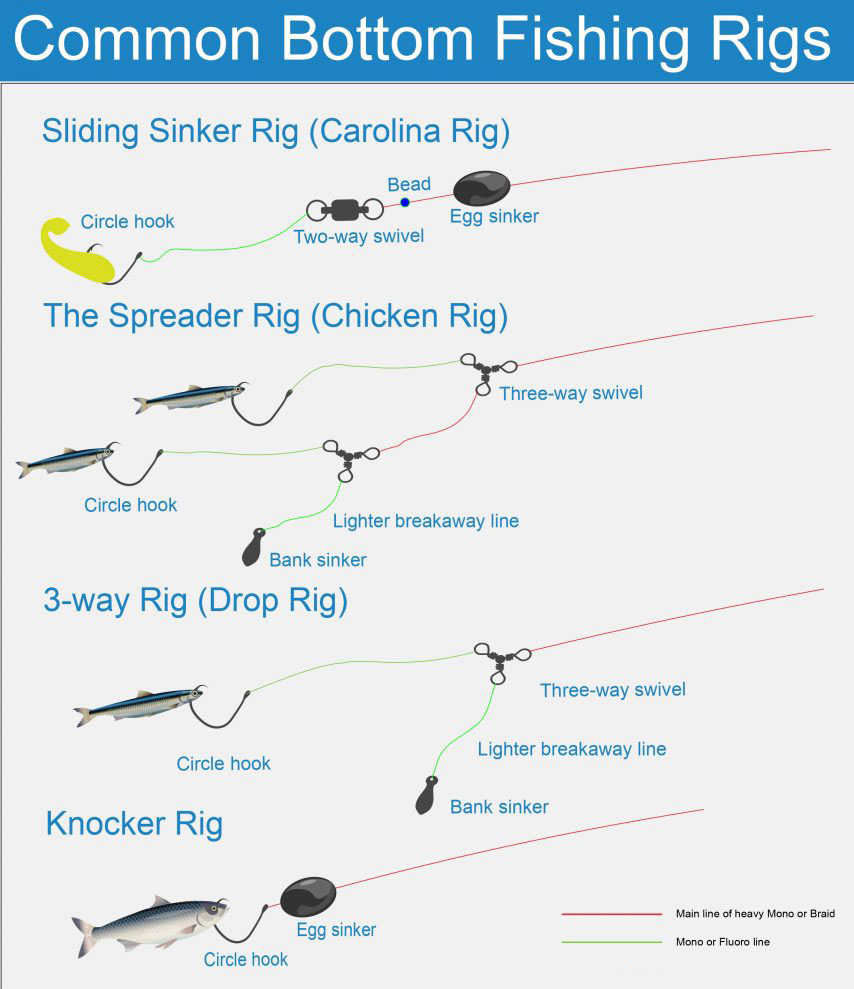
If you want to catch more fish, knowing where to put a sinker on your fishing line is key. The right placement can make your bait look natural, reach the perfect depth, and stay in place even in strong currents.
But where exactly should you put the sinker? Getting this wrong can mean missed bites and wasted time. You’ll discover simple, effective tips to position your sinker perfectly every time. Keep reading to unlock the secret that can turn your fishing trip from frustrating to successful.

Credit: greatdaysoutdoors.com
Choosing The Right Sinker
Sinkers help keep your bait at the right depth. Picking the right sinker improves your fishing success.
Different sinkers work best for different fishing spots and fish types. Learn how to choose the best one for your line.
Types Of Sinkers
There are many sinker types to fit different fishing needs. Each type affects how the bait moves in water.
- Split Shot: Small and easy to attach, good for light fishing.
- Egg Sinkers: Oval shape, slide easily on the line.
- Bank Sinkers: Heavier, used in strong currents.
- Pyramid Sinkers: Pointed shape, hold well in sandy bottoms.
- Bullet Sinkers: Shaped like a bullet, good for fishing in weeds.
Weight Considerations
Choose a sinker weight that matches your fishing spot. Too heavy sinkers can scare fish away.
Light sinkers work well in calm water. Heavier sinkers help in fast currents or deep water fishing.
- Light weight: For still water and small fish.
- Medium weight: For moderate currents and average depth.
- Heavy weight: For strong currents and deep water.
Materials And Shapes
Sinkers come in different materials and shapes. Material affects weight and environmental impact.
Lead sinkers are common but can harm the environment. Alternatives include steel, tungsten, and bismuth.
- Lead: Heavy and cheap but toxic to wildlife.
- Steel: Durable and eco-friendly but lighter than lead.
- Tungsten: Dense and small, good for sensitive fishing.
- Bismuth: Non-toxic and similar to lead in weight.
- Shapes: Round, oval, pyramid, bullet, each suits different fishing conditions.
Placement Techniques
Sinkers add weight to the fishing line. They help the bait sink to the right depth.
Where you put the sinker affects how the bait moves and attracts fish.
Fixed Sinker Setup
In this setup, the sinker stays in one place on the line. It is tied or stopped by knots.
Place the sinker a few inches above the hook. This keeps the bait near the bottom.
- Slide the sinker onto the line
- Tie a knot below the sinker to stop it
- Attach the hook below the knot
Slip Sinker Setup
The sinker slides freely on the line in this setup. It lets fish feel the bait without weight.
Use a small bead between the sinker and knot to protect the knot. The sinker moves above the bead.
- Thread the sinker on the line
- Add a bead after the sinker
- Tie a knot or attach a swivel after the bead
- Attach the hook at the end
Using Bobbers With Sinkers
Bobbers float on the water surface. Sinkers help the bait sink just below the bobber.
Place the sinker a few inches below the bobber. This controls the bait depth precisely.
- Attach the bobber on the line at the desired depth
- Place the sinker 6 to 12 inches below the bobber
- Attach the hook below the sinker
Adjusting Sinker Position
When fishing, placing the sinker correctly can improve your catch. The sinker’s position affects how your bait moves in the water.
Adjusting the sinker helps control depth, casting distance, and adapts to water conditions.
Depth Control
Sinker position is crucial for depth control. It helps place bait at the right water level.
Move the sinker closer to the hook for deeper water. If fishing shallow, keep it further up the line.
- Closer sinker for deep water
- Further sinker for shallow water
Casting Distance
Sinker position affects how far you can cast. A well-placed sinker helps reach distant fish.
For longer casts, position the sinker near the bait. For shorter casts, keep it further up.
- Near bait for long casts
- Further up for short casts
Water Conditions
Adjust sinker position based on water conditions. Calm or rough waters need different placements.
In calm water, place the sinker closer to the hook. In rough water, move it up to prevent tangling.
- Closer for calm water
- Further up for rough water
Common Mistakes To Avoid
Putting a sinker on your fishing line might seem simple. But many anglers make errors that hurt their fishing success.
Knowing where to place the sinker helps your bait work better. Avoid these common mistakes to catch more fish.
Too Much Weight
Using a sinker that is too heavy can scare fish away. It also makes your line sink too fast and lose natural bait movement.
Heavy sinkers can cause your line to break or wear out faster. Use only the weight needed for your fishing spot and water depth.
Incorrect Placement
Placing the sinker too close to the hook can reduce bait action. Fish may notice the sinker and avoid the bait.
Putting the sinker too far from the hook can tangle your line or make casting harder. Find the right spot for balance and control.
- Place the sinker 12-18 inches above the hook for most fishing
- Adjust placement based on current and fish type
- Use sliding sinkers for more natural bait movement
Ignoring Line Type
Different fishing lines need different sinker types and placements. Ignoring your line type can cause problems.
For example, braided lines need heavier sinkers than monofilament. Also, some lines handle sliding sinkers better than others.
- Check your line’s strength and stretch before choosing a sinker
- Match sinker type to your line for smooth casting
- Use lighter sinkers with sensitive or thin lines
Tips For Different Fishing Styles
Knowing where to put a sinker on your fishing line depends on the fishing style you choose. The right placement helps your bait reach the fish and stay in the right spot.
This guide covers sinker placement tips for bottom fishing, float fishing, and trolling. Each style needs a different approach for best results.
Bottom Fishing
In bottom fishing, the sinker should be close to the hook to keep the bait near the lake or sea floor. This helps attract fish that feed at the bottom.
- Place the sinker 6 to 12 inches above the hook.
- Use heavier sinkers to hold in strong currents.
- Adjust sinker weight based on water depth and flow.
- Keep the line tight to feel bites quickly.
Float Fishing
When using a float, put the sinker below it on the line. This helps balance the float and controls how deep the bait goes.
| Sinker Distance Below Float | Target Depth |
| 12 inches | Shallow water (1-3 feet) |
| 24 inches | Medium depth (3-6 feet) |
| 36 inches or more | Deeper water (6+ feet) |
Trolling
For trolling, the sinker placement depends on how deep you want the bait to swim. The sinker helps keep the bait stable behind the moving boat.
Here are tips for sinker placement in trolling:
- Place sinkers farther from the hook for shallow trolling.
- Move sinkers closer to the hook for deep trolling.
- Use multiple sinkers to reach very deep water.
- Adjust sinker size to control bait speed and depth.

Credit: mysterytacklebox.com
Maintenance And Safety
Knowing where to put a sinker on your fishing line is important for safety and care. Proper maintenance helps your gear last longer. It also keeps you safe while fishing.
This guide covers how to check your line, handle sinkers safely, and store your equipment well.
Checking Line Wear
Check your fishing line before adding a sinker. Look for any cuts, frays, or weak spots. A worn line can break easily during use.
Run your fingers along the line slowly. Feel for rough areas or thin spots. Replace the line if you find damage to avoid losing your catch.
Handling Sinkers Safely
Sinkers are often made of heavy metals. Handle them carefully to avoid injury or poisoning. Keep them away from children and pets.
- Hold sinkers firmly to prevent dropping
- Use pliers to attach sinkers to the line
- Wash hands after handling sinkers
- Avoid putting sinkers in your mouth
Always place sinkers on the line where recommended. Avoid putting them too close to the hook or reel to reduce line stress.
Storage Tips
Store your sinkers and fishing line separately in a dry place. Keep them in labeled containers to prevent mix-ups. Proper storage stops rust and tangles.
- Use small containers with lids for sinkers
- Keep fishing lines in spools or reels
- Store gear in a cool, dry place
- Check gear regularly for damage

Credit: www.youtube.com
Frequently Asked Questions
Where Should I Place The Sinker On My Fishing Line?
Place the sinker 6 to 12 inches above the hook for best results. This helps the bait sink naturally and improves casting distance. Adjust based on water depth and fish behavior to optimize your fishing experience.
Why Is Sinker Placement Important In Fishing?
Proper sinker placement controls bait depth and movement. It helps attract the target fish effectively and prevents tangling. Correct positioning ensures better bite detection and improves overall fishing success.
Can I Put The Sinker Too Close To The Hook?
Yes, placing the sinker too close can scare fish and reduce bites. Keeping it a few inches above the hook allows natural bait movement. This setup increases your chances of catching more fish.
How Does Sinker Position Affect Casting Distance?
Sinker placement affects line balance and casting distance. Placing it correctly improves casting accuracy and range. It also prevents line tangles, making your fishing more efficient and enjoyable.
Conclusion
Placing the sinker correctly helps your bait reach the right depth. It improves casting distance and controls how your line moves in water. Try different positions to see what works best for your fishing style. Remember, small changes can make a big difference.
Keep practicing and enjoy your time fishing. Success often comes from simple adjustments.