Are you struggling to get your fishing line just right? Knowing exactly where to put a sinker on your fishing line can make all the difference between a day full of bites and hours of waiting.
You want your bait to sink naturally and reach the perfect spot without scaring the fish away. You’ll discover simple tips that will help you place your sinker like a pro, so you catch more fish and enjoy every moment on the water.
Keep reading—your next big catch might be just a few lines away!

Credit: greatdaysoutdoors.com
Types Of Sinkers
Sinkers help your bait sink to the right depth in water. Different types of sinkers work best for different fishing spots and fish.
Choosing the right sinker keeps your bait where the fish are. Let’s look at common sinker types and where to place them on your fishing line.
Split Shot Sinkers
Split shot sinkers are small and round with a slit to pinch onto the fishing line. They are easy to add or remove.
Place split shot sinkers close to the hook to keep the bait near the bottom. Use several to adjust weight and control depth.
- Good for light tackle and finesse fishing
- Adjust weight by adding or removing split shots
- Pinch gently to avoid damaging the line
Egg Sinkers
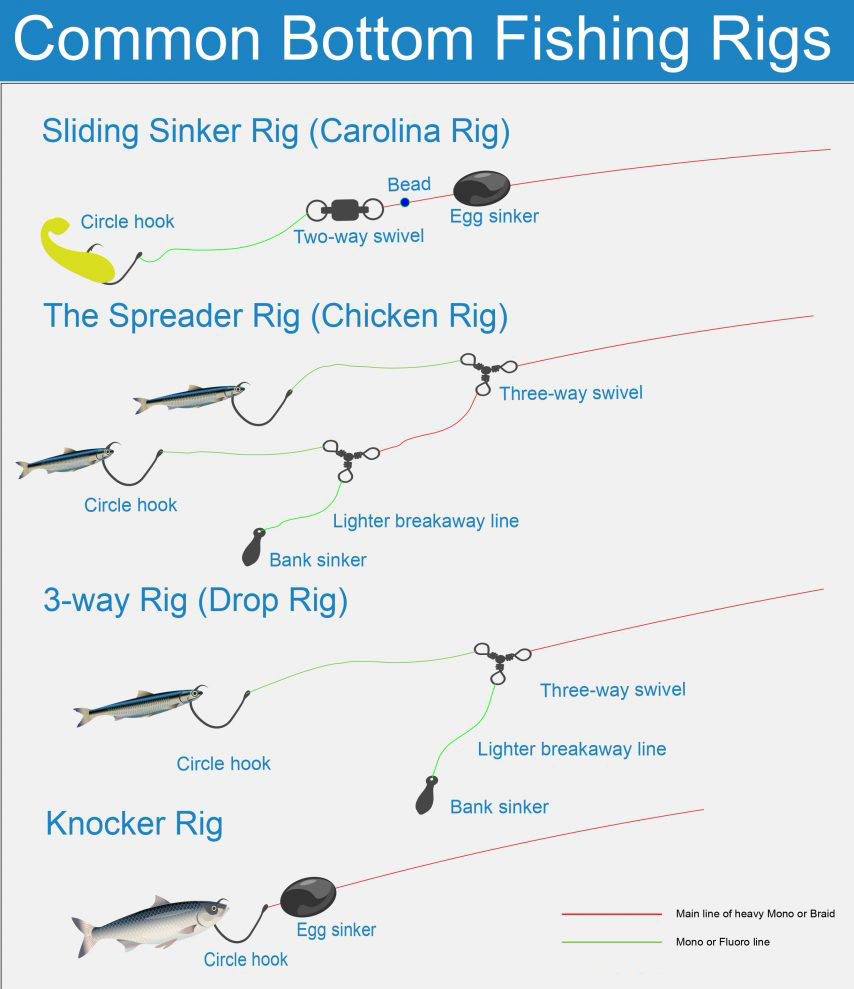
Egg sinkers are oval-shaped and have a hole through the center. The fishing line runs through the hole allowing the sinker to slide freely.
Put egg sinkers above a swivel or hook. The sliding action lets fish bite without feeling the weight of the sinker.
- Ideal for bottom fishing and drifting
- Helps detect bites easily
- Use with a swivel to prevent line twist
Bank Sinkers
Bank sinkers are heavy and shaped like a teardrop or triangle. They hold the bait firmly in place in strong currents.
Attach bank sinkers at the end of the line. They keep your bait from drifting away in rivers or surf fishing.
- Best for strong water currents
- Use with durable fishing lines
- Securely tie to avoid sinker loss
Bullet Sinkers
Bullet sinkers are shaped like a bullet or cone. They slide through weeds and cover easily without snagging.
Place bullet sinkers above a hook or lure. They help your bait reach deeper water quickly and stay in place.
- Popular for bass fishing and Texas rigs
- Works well in heavy cover areas
- Choose size based on water depth and current
Factors Influencing Sinker Placement
Sinker placement on a fishing line affects how your bait moves in the water. It helps control the depth and presentation of the bait.
Knowing where to put the sinker improves your chances of catching fish. Several key factors guide the best sinker position.
Targeted Fish Species
Different fish live and feed at different depths. You must place the sinker to reach the depth where your target fish swim.
Some fish stay near the surface, while others stay near the bottom. Adjust sinker placement to match the fish’s location.
- Surface fish: place sinker far from the bait
- Mid-water fish: place sinker closer to bait
- Bottom fish: place sinker just above the bait
Water Depth And Current
Deep water needs heavier sinkers or different placement to reach the bottom. Strong currents also affect sinker position.
Place sinkers closer to the bait in fast currents to keep it steady. In calm water, sinkers can be farther from the bait.
- Deep water: use heavier sinkers near the bait
- Strong current: place sinker close to bait
- Calm water: sinker can be farther from bait
Bait Type
Live bait moves on its own, so place the sinker to avoid restricting its motion. Artificial bait needs different sinker placement.
Heavier baits may need sinkers farther away. Light or small baits work better with sinkers close to keep them near the bottom.
- Live bait: sinker far from bait for free movement
- Artificial bait: sinker placement varies by style
- Heavy bait: sinker placed farther on line
- Light bait: sinker placed close to bait
Fishing Technique
Different fishing styles need different sinker placements. Float fishing uses sinkers far from the bait. Bottom fishing requires sinkers close to the bait.
Drift fishing needs sinker weight to keep bait near the bottom without dragging. Adjust sinker placement based on how you want the bait to move.
- Float fishing: sinker placed far from bait
- Bottom fishing: sinker placed close to bait
- Drift fishing: sinker weight balances bait movement
Placement Strategies For Different Techniques
Sinkers help keep your bait at the right depth. Different fishing methods need different sinker placements. Correct placement improves your chances of catching fish.
This guide covers sinker placement for bottom fishing, float fishing, drift fishing, and casting and retrieving. Follow these tips to adjust your setup for each method.
Bottom Fishing
Place the sinker close to the hook to keep the bait near the bottom. A sliding sinker allows fish to take the bait without feeling heavy weight. Use a heavier sinker in strong currents.
- Attach a sliding sinker above a swivel.
- Tie a leader line from the swivel to the hook.
- Choose sinker weight based on water depth and current strength.
Float Fishing
Attach the sinker below the float to balance it and control the bait depth. Multiple small sinkers spaced out help keep the bait steady and natural looking in the water.
| Sinker Type | Placement | Purpose |
| Split shot | Below float, spaced out | Control depth, steady bait |
| Egg sinker | Just below float | Allow natural bait movement |
| Bullets | Near hook | Prevent line tangles |
Drift Fishing
Use a sinker that slides freely on the line. This lets the bait drift naturally with the current. Place the sinker several inches above the hook to avoid scaring fish.
- Use a sliding egg sinker above a swivel.
- Attach a leader from the swivel to the hook.
- Adjust sinker weight to match drift speed and water depth.
Casting And Retrieving
Place the sinker close to the hook for quick casting and better control. A fixed sinker helps cast farther and sink faster. Choose lighter sinkers for slow retrieves and heavier ones for faster retrieves.
| Retrieve Speed | Sinker Weight | Placement |
|---|---|---|
| Slow | Light | Near hook |
| Medium | Medium | Near hook |
| Fast | Heavy | Near hook |

Credit: mysterytacklebox.com
Common Mistakes To Avoid
Using sinkers on your fishing line helps control bait depth and casting distance. But placing sinkers wrong can reduce your catch chances.
Avoiding common mistakes with sinker placement improves your fishing results. Let’s look at frequent errors anglers make.
Placing Sinkers Too Close To The Hook
Putting the sinker right next to the hook can scare fish away. The bait moves unnaturally and looks less real.
Keep some space between the sinker and hook. This allows the bait to move freely and attract fish better.
Using Excessive Weight
Heavy sinkers make your line sink fast but can reduce bait movement. Fish may ignore a bait that does not move naturally.
Choose the lightest sinker that works for your fishing spot. Using too much weight wastes energy and scares fish.
Ignoring Water Conditions
Water flow and depth affect how you should place sinkers. Fast currents need heavier sinkers placed differently than calm water.
Adjust sinker weight and position based on water speed and depth. This keeps your bait at the right spot to catch fish.
- Use heavier sinkers in strong currents
- Place sinkers farther from the hook in deep water
- Use lighter sinkers in shallow, calm water
Adjusting Sinker Position For Better Results
Placing the sinker correctly on your fishing line can change how well you catch fish. Adjusting its position helps you control the bait’s movement and depth. This guide shows you how to change sinker placement for better fishing results.
Small changes can make a big difference. Try different positions to see what works best in different fishing conditions and seasons.
Testing And Tweaking
Start by testing sinker positions at various distances from the hook. Moving the sinker closer or farther changes how the bait swims. Test each setup to find the best balance.
- Place the sinker close to the hook for fast sinking.
- Move it farther away for natural bait movement.
- Adjust slowly and note how fish react.
- Try different weights for different water depths.
Adapting To Seasonal Changes
Fish behavior changes with seasons. Water temperature and food sources shift, so adjust your sinker accordingly. Sometimes fish feed near the surface, other times near the bottom.
| Season | Sinker Position | Reason |
| Spring | Far from hook | Fish swim mid-depth |
| Summer | Close to hook | Fish near bottom |
| Fall | Medium distance | Fish move in layers |
| Winter | Close to hook | Fish stay deep |
Reading Fish Behavior
Observe how fish respond to your bait. If they ignore it, change the sinker’s place. Watch for strikes or bites and adjust to improve your chances.
Try this simple checklist while fishing:
- Is the bait sinking too fast or slow?
- Are fish biting near the bottom or surface?
- Does moving the sinker change fish interest?
- Adjust and watch for a better response.

Credit: www.youtube.com
Frequently Asked Questions
Where Should I Place The Sinker On My Fishing Line?
Place the sinker 6 to 12 inches above the hook for most fishing styles. This helps your bait sink naturally and attract fish effectively.
How Does Sinker Placement Affect Fishing Success?
Proper sinker placement controls bait depth and movement. It ensures the bait stays in the strike zone longer, increasing your chances of catching fish.
Can Sinker Position Vary For Different Fish Species?
Yes, sinker placement depends on targeted species and water conditions. Adjust distance from hook to optimize bait presentation for specific fish.
What Is The Best Sinker Type For Deep Water Fishing?
Use heavier sinkers placed higher on the line in deep water. This helps the bait reach the bottom faster and stay stable.
Conclusion
Choosing the right spot for your sinker enhances fishing success. Balance is key. Too close, and it scares fish. Too far, and it loses control. Experience helps refine placement. Experiment with different distances. Adapt to water conditions and fish type.
This increases catch rates. Keep practicing and learning. Patience and observation are your best tools. Each trip teaches something new. Enjoy the process. Happy fishing!