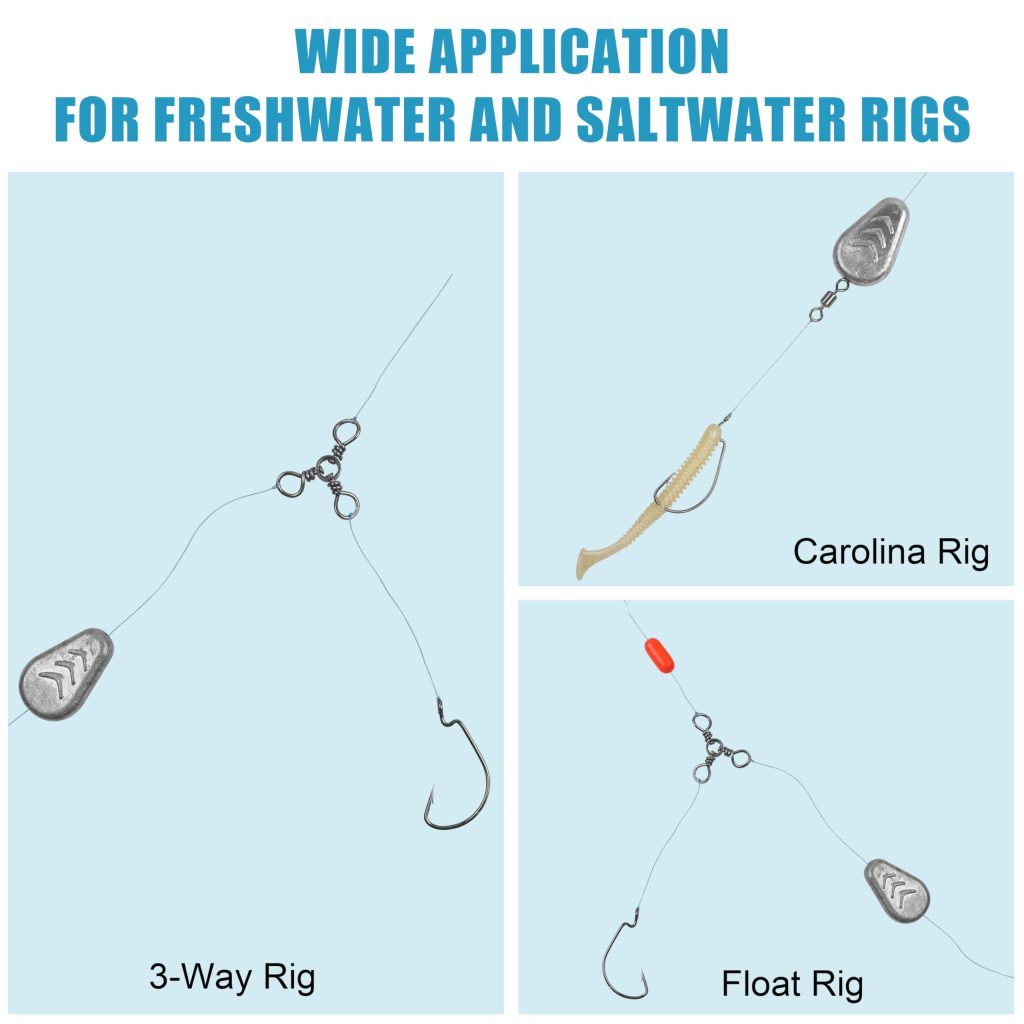
When you’re fishing, placing sinkers on your line might seem simple, but where you put them can make a huge difference in your success. You want your bait to sink just right, not too fast or too slow, so the fish can’t resist it.
If you’ve ever wondered how to position sinkers to get the best results, you’re in the right place. This guide will show you exactly where to put sinkers on your fishing line to improve your catch and make your fishing trips more rewarding.
Keep reading, and you’ll discover tips that can change the way you fish forever.
Choosing The Right Sinkers
Sinkers help your bait sink to the right depth in the water. Picking the right sinker can improve your fishing success. Different situations call for different sinkers.
Consider the type, material, and size of sinkers before placing them on your fishing line. These choices affect how your bait moves and how well you fish.
Types Of Sinkers
There are many types of sinkers. Each type suits different fishing needs. Knowing these can help you choose better.
- Split Shot: Small and round, easy to add or remove.
- Egg Sinkers: Oval-shaped, slide on the line freely.
- Bank Sinkers: Heavier, good for strong currents.
- Pyramid Sinkers: Pointed shape, ideal for sandy bottoms.
- Bullet Sinkers: Streamlined, great for casting distance.
Material Considerations
Sinkers come in different materials. Lead is common but heavier and toxic to the environment. Alternatives include steel, tungsten, and bismuth.
| Material | Weight | Environmental Impact |
|---|---|---|
| Lead | Heavy | High toxicity |
| Steel | Medium | Low toxicity |
| Tungsten | Heavy | Low toxicity |
| Bismuth | Medium | Low toxicity |
Sinker Sizes And Weights
Choose sinker size based on water depth and current strength. Heavy sinkers hold better in strong currents. Light sinkers work well in calm water.
- Light sinkers (1-5 grams) for shallow water and slow current.
- Medium sinkers (6-20 grams) for moderate depth and flow.
- Heavy sinkers (over 20 grams) for deep water or strong currents.

Credit: m.youtube.com
Placement Techniques
Sinkers help your bait sink to the right depth. Placing sinkers on the fishing line affects how the bait moves.
Different setups change how fish see your bait. Learn where to put sinkers for better fishing results.
Single Sinker Setup
Use one sinker to keep your bait near the bottom. Place the sinker about 12 to 18 inches above the hook.
This setup works well for slow-moving fish. It lets the bait float naturally while sinking slowly.
- Place sinker 12-18 inches above the hook
- Keeps bait near the bottom
- Good for calm waters and slow fish
Multiple Sinkers Arrangement
Use several sinkers spaced along the line to control sink speed. This helps your bait sink evenly and stay stable.
Place smaller sinkers near the hook and larger ones higher up. This spreads the weight for better balance.
- Space sinkers 6-12 inches apart
- Smaller sinkers close to the hook
- Larger sinkers farther from the hook
- Helps bait sink evenly and stay steady
Sliding Vs Fixed Sinkers
Sliding sinkers can move freely on the line. They let fish bite without feeling the weight.
Fixed sinkers stay in one spot on the line. They hold the bait firmly but fish may feel the weight more.
- Sliding sinkers slide on the line
- Fish feel less weight with sliding sinkers
- Fixed sinkers stay in place
- Fixed sinkers keep bait steady but fish feel the weight
Fishing Conditions And Sinker Placement
Sinkers help keep your bait at the right depth. Choosing where to put them depends on water and fishing conditions.
Correct sinker placement improves bait presentation. It also helps you catch fish in different environments.
Still Water Strategies
In still water like lakes or ponds, use sinkers to keep your bait near the bottom. This is where many fish feed.
Place the sinker a few inches above the hook. This lets the bait move naturally while staying in place.
- Use a small split shot sinker about 6-12 inches from the hook
- Adjust the distance if the bait moves too much or sinks too fast
- Heavier sinkers help in windy conditions to keep the line steady
Current And River Fishing
In rivers or streams, currents push your bait downstream. Place the sinker to hold the bait near the bottom.
Put the sinker farther from the hook to avoid spooking fish. The bait should drift naturally with the current.
- Use a heavier sinker to resist strong currents
- Place sinker 12-24 inches above the hook for better drift
- Try different sinker sizes based on current speed
Deep Water Adjustments
In deep water, use heavier sinkers to reach the bottom quickly. This keeps your bait in the fish zone longer.
Place the sinker closer to the hook to reduce line slack. This improves bite detection and hook setting.
- Choose sinkers heavy enough to drop fast in deep water
- Keep sinker 6-12 inches above the hook for better control
- Adjust sinker weight if you feel strong currents or wind

Credit: www.amazon.com
Matching Sinkers To Bait And Target Fish
Choosing the right sinker placement helps your bait reach the right depth. Sinkers also affect how natural your bait looks underwater.
Matching sinkers to your bait and target fish improves your chances of a catch. Different baits and fish need different sinker setups.
Live Bait Considerations
With live bait, sinkers should not weigh down or harm the bait. Place the sinker far enough from the hook to keep the bait lively and moving naturally.
- Use small split shot sinkers for delicate live bait
- Position sinkers 12 to 18 inches above the bait to allow free movement
- Adjust sinker weight based on water current and depth
- Heavier sinkers may stress or kill live bait quickly
Artificial Lures Setup
Artificial lures need sinkers to control depth and casting distance. The sinker placement changes the lure’s action and how it moves in water.
| Sinker Type | Placement | Effect on Lure |
| Split shot | Above lure on line | Slows lure sinking, controls depth |
| Sliding sinker | On main line before leader | Allows natural lure movement |
| Bullet sinker | On leader near lure | Improves casting distance |
| No sinker | None | Used for topwater lures |
Species-specific Tips
Different fish species respond to sinker setups differently. Choose sinkers based on fish habits and water conditions.
- Trout: Use light sinkers 6-12 inches above bait to keep it near bottom
- Catfish: Heavier sinkers near the hook hold bait steady in strong currents
- Bass: Use sliding sinkers to let lures move freely and look natural
- Walleye: Position sinkers to keep bait close to bottom but allow some drift
Common Mistakes To Avoid
Placing sinkers on a fishing line seems simple. Yet, many anglers make mistakes that reduce their catch chances.
Knowing where to put sinkers helps your bait reach the right depth and stay stable in the water.
Overloading The Line
Using too many sinkers or heavy ones can overload your fishing line. This causes it to snap or weaken over time.
Heavy sinkers also make your bait sink too fast. Fish may not see it before it hits the bottom.
- Use sinkers that match your line strength
- Start with light sinkers and add weight slowly
- Avoid adding many sinkers close together
Incorrect Sinker Positioning
Putting sinkers in the wrong spot on the line can make your bait look unnatural. Fish may avoid it.
The sinker should not be too close or too far from the hook. The right distance lets the bait move freely.
- Place the sinker 6 to 12 inches from the hook
- Use a sliding sinker for better movement in some cases
- Adjust sinker position based on bait type and fishing style
Ignoring Water Conditions
Water flow and depth affect where to put sinkers. Ignoring these makes fishing less effective.
Strong currents need heavier sinkers placed differently than still water fishing. Depth changes also matter.
- Use heavier sinkers in fast currents
- Place sinkers closer to the hook in deep water
- In calm water, lighter sinkers and longer distances work well
Advanced Tips For Success
Placing sinkers on a fishing line affects how well you feel bites and how far you cast. Using sinkers right helps you catch more fish. These tips show ways to improve your fishing by adjusting sinker placement.
Learn how to use slip sinkers for better sensitivity, adjust sinkers to cast farther, and combine sinkers with floats for more control in the water.
Using Slip Sinkers For Sensitivity
Slip sinkers slide on the line, letting fish pull the bait without feeling heavy weight. This helps you sense even small bites. Place the slip sinker above a swivel or a knot tied to the hook line.
- Use a sinker size that matches your bait weight.
- Slide the sinker 6 to 12 inches above the hook.
- Attach a small bead between sinker and knot to protect the knot.
- Choose a sinker that moves smoothly to avoid scaring fish.
Adjusting Sinkers For Casting Distance
Sinker placement changes how far you can cast. Heavier sinkers help cast longer but reduce sensitivity. Find the right balance by moving the sinker on the line.
| Sinker Position | Casting Distance | Sensitivity |
| Close to Hook | Short | High |
| 6-12 inches Above Hook | Medium | Medium |
| Above Swivel or Weight Slide | Long | Low |
Combining Sinkers With Floats
Using floats with sinkers helps keep bait at the right depth and shows when fish bite. Place the sinker below the float to hold the bait steady.
- Attach the float to the line first.
- Put the sinker 12 to 24 inches below the float.
- Adjust the sinker weight to keep bait just above the bottom.
- Change float size to match sinker weight for better balance.

Credit: greatdaysoutdoors.com
Frequently Asked Questions
How Do I Attach Sinkers To A Fishing Line?
Attach sinkers using a loop knot or a sliding sinker rig. Position the sinker 12-18 inches above the hook. This allows for optimal bait movement and effective casting. Adjust the placement based on the water depth and fishing conditions to improve your chances of catching fish.
What Is The Best Distance For Sinkers From The Hook?
Place sinkers 12-18 inches from the hook. This distance allows the bait to move naturally in the water. Adjust the distance based on water current and fish species. A closer sinker might be necessary for bottom-feeding fish, while a longer distance can improve bait presentation in calm waters.
Can Sinker Position Affect Fishing Success?
Yes, sinker position can significantly affect fishing success. Properly positioned sinkers ensure your bait reaches the desired depth. This attracts more fish. Adjusting the sinker position based on water conditions and fish behavior increases your chances of a successful catch.
Should I Use A Sliding Or Fixed Sinker?
Choose between sliding or fixed sinkers based on fishing conditions. Sliding sinkers allow bait movement and are ideal for active fish. Fixed sinkers provide stability and are suitable for strong currents. Experiment with both to find the best option for your fishing needs and target species.
Conclusion
Placing sinkers correctly helps your bait reach the right depth. It keeps your line steady in the water. Adjust sinker position based on water flow and fish type. Try different placements to see what works best. This simple tip improves your fishing success.
Keep practicing and watch your catches grow.