If you want to catch more fish, knowing exactly where to put split shot on your fishing line can make all the difference. The right placement helps your bait sink naturally and stay in the strike zone longer.
But if you place it too close or too far from your hook, you might scare the fish away or miss bites altogether. You’ll discover simple tips to position your split shot perfectly, so your fishing experience becomes more successful and enjoyable.
Keep reading to learn how a small change can lead to bigger catches.

Credit: www.reddit.com
Choosing Split Shot Size
Choosing the right split shot size is key for fishing success. It helps your bait sink properly and look natural to fish.
Too heavy or too light split shots can scare fish or make it hard to detect bites. Use the right size to match your fishing conditions.
Matching Weight To Bait
Your split shot weight should match your bait size and type. Small baits need light weights to avoid sinking too fast.
- Use light split shots for small live bait like worms or minnows.
- Medium weights work well with soft plastics and small jigs.
- Heavier split shots fit larger baits or when you need to cast farther.
Adjusting For Water Conditions
Water depth and current affect how much weight you need. Strong currents need heavier split shots to keep bait in place.
| Water Condition | Recommended Split Shot Size |
|---|---|
| Calm, shallow water | Small (BB to No. 4) |
| Moderate current or deeper water | Medium (No. 3 to No. 5) |
| Strong current or very deep water | Large (No. 5 and above) |
Ideal Placement On Line
Placing split shot on a fishing line is crucial. It helps control the bait’s depth and movement. Proper placement ensures a successful fishing experience.
Different factors determine where to put the split shot. These include distance from the hook and position relative to the bobber.
Distance From Hook
The distance from the hook affects bait presentation. Split shot should be placed 6-12 inches above the hook. This keeps bait close to the bottom and near fish.
Adjust the distance based on water conditions. In deeper water, place split shot closer to the hook. This helps keep the bait at the desired depth.
Position Relative To Bobber
The position of split shot relative to the bobber is important. It affects how the bait moves in the water. Place split shot at least 1-2 feet below the bobber.
This positioning allows for better bait presentation. It also helps in detecting bites as the bobber responds to fish movements.
- In calm waters, position split shot closer to the bobber.
- In rough waters, keep the split shot farther from the bobber.
Techniques For Attaching Split Shot
Split shot helps add weight to your fishing line. It lets your bait sink to the right depth. Attaching it properly is important for good fishing.
There are simple ways to put split shot on your line. Using the right technique keeps it secure and avoids damage.
Pinching Method
Hold the split shot with your fingers near the line. Pinch it gently but firmly to close it around the line. Make sure it stays in place without moving.
This method works well if you do not have tools nearby. It is quick and simple for light weights. Check the split shot often to keep it tight.
Using Pliers For Secure Fit
Use needle-nose pliers to close the split shot tightly. Place the split shot on the line, then squeeze it with the pliers. This makes a firm hold that will not slip.
Pliers give better control and prevent damage to the line. You can adjust the pressure to avoid crushing the line or the shot. This method is best for larger or heavier split shots.
Adjusting Split Shot For Different Fish
Using split shot on your fishing line helps control bait depth and movement. You can change the placement to target specific fish types.
Adjusting the split shot’s position lets you reach fish near the bottom or those swimming higher in the water.
Targeting Bottom Feeders
Bottom feeders stay close to the lake or river floor. Place your split shot near the bait to sink it quickly. This helps the bait rest near their feeding zone.
Keep the weight close to the hook for better bait control. This setting works well for catfish, carp, and other bottom feeders.
- Pinch the split shot 6 to 12 inches above the hook
- Use heavier split shots for strong currents
- Keep the bait near the bottom without dragging
Fishing For Suspended Species
Suspended fish swim in the water column, not near the bottom. Place the split shot higher on the line to let the bait float above the lake floor.
This lets you present the bait at the fish’s preferred depth. Lighter split shots help keep the bait from sinking too fast.
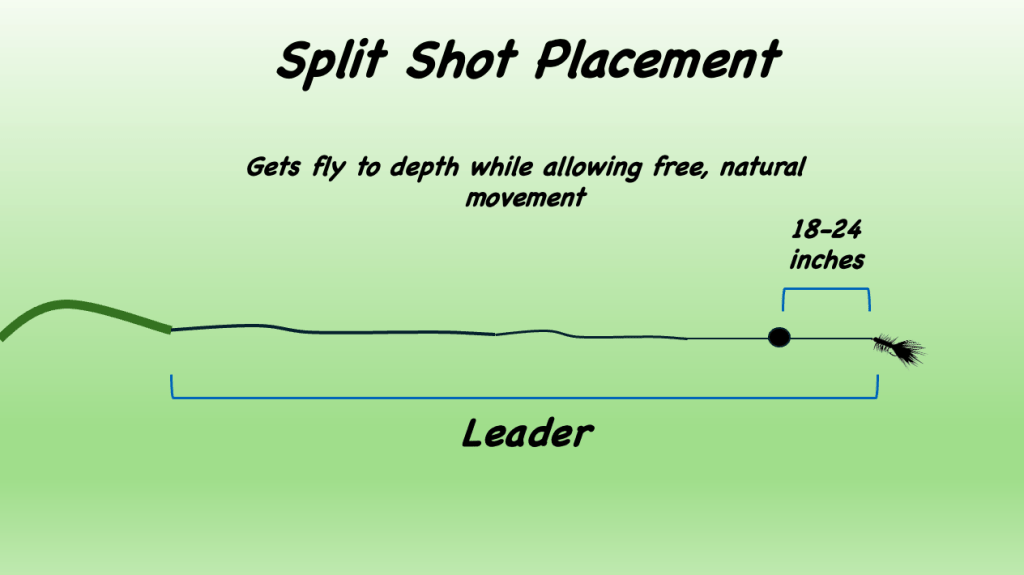
- Pinch the split shot 18 to 24 inches above the hook
- Use smaller weights to slow the bait’s drop
- Adjust the distance for different water depths
Common Mistakes To Avoid
Using split shot on your fishing line helps control bait depth and movement. Placing it wrong can reduce your chances of catching fish.
Learn about common errors to improve your fishing technique and protect your line from damage.
Overweighting The Line
Putting too many split shots or heavy weights makes the line sink too fast. This scares fish and reduces bait action.
- Fish may avoid the bait due to rapid sinking.
- Line tension increases, making bites harder to feel.
- Heavier weight can cause the line to break easily.
- It reduces natural bait movement, lowering attraction.
Placing Split Shot Too Close To Hook
Attaching the split shot right next to the hook limits bait motion. Fish often ignore bait that moves unnaturally.
| Placement | Effect on Bait |
| Right next to hook | Restricted movement, less natural |
| 6-12 inches from hook | Improved bait action |
| Far from hook (over 12 inches) | Less control on bait depth |

Credit: www.youtube.com
Troubleshooting Line Behavior
Knowing where to put split shot on your fishing line helps fix common problems. It affects how your line moves and feels underwater.
Sometimes the line tangles or you miss bites. Correct split shot placement can solve these issues and improve fishing success.
Line Tangling Issues
Split shot placed too close to the hook can cause the line to tangle. The weight pulls the hook in strange ways during casting.
Placing the split shot farther up the line helps it fly straight. This reduces twists and knots that happen when the line spins.
- Move split shot 12-18 inches above the hook for less tangling.
- Use smaller split shots to avoid heavy pulls on the hook.
- Check line twists after every few casts to adjust weight placement.
Detecting Subtle Bites
Placing split shot too close to the bait can hide small bites. The line stays too tight and gives less feel to your hand.
Putting the split shot farther from the hook lets the bait move naturally. You feel light taps and gentle pulls better this way.
- Place split shot 12-18 inches above the bait to sense light bites.
- Use lighter weights to improve bait movement and bite detection.
- Watch the line tip for small twitches when the weight is well placed.

Credit: calflyfisher.com
Frequently Asked Questions
Where Should I Place Split Shot On My Fishing Line?
Place the split shot 6 to 12 inches above the hook. This helps keep the bait natural while sinking smoothly. Adjust placement based on current speed and desired bait depth for best results.
How Does Split Shot Placement Affect Bait Movement?
Split shot near the hook can restrict bait movement. Placing it slightly above allows the bait to move naturally. Proper placement improves bait presentation and increases chances of attracting fish.
Can Split Shot Placement Improve Fishing Accuracy?
Yes, proper split shot placement stabilizes the line during casting. It adds weight to control distance and direction. This leads to more accurate casts and better bait positioning.
Should Split Shot Be Placed Above Or Below The Swivel?
Split shot is usually placed above the swivel or hook. Below the swivel can tangle the line and reduce sensitivity. Above keeps the rig balanced and effective.
Conclusion
Placing split shot on your fishing line helps control bait depth. Try different spots to find what works best. Usually, placing it a few inches above the hook is a good start. Too close or too far can change how the bait moves.
Small changes make big differences. Practice and patience will improve your fishing success. Keep experimenting and enjoy your time on the water. Fishing is about learning and having fun.