When you’re fishing, knowing exactly where to put the weight on your fishing line can make all the difference between a quick catch and a long wait. The right placement helps your bait sink properly, stay in the strike zone, and avoid scaring fish away.
If you’ve ever wondered why your rig isn’t working as well as it should, this guide will clear things up. Keep reading to discover simple tips that can improve your fishing game and help you reel in more fish every time you cast.

Credit: fishingbooker.com
Choosing The Right Weight
Adding weight to your fishing line helps control the bait’s depth and movement. The right weight improves casting and keeps the bait where fish are.
Choosing the right weight depends on the fishing spot, water conditions, and the type of fish you want to catch.
Types Of Fishing Weights
Fishing weights come in several shapes and styles. Each type works best for certain fishing methods and water conditions.
- Split Shot:Small, round weights that pinch on the line. Good for light fishing and small fish.
- Egg Sinkers:Oval-shaped and slide on the line. They let fish move the bait without feeling heavy weight.
- Bullet Weights:Shaped like a bullet. Best for fishing in weeds or fast currents because they slip through easily.
- Bank Sinkers:Heavier and flat-bottomed. They stay put in strong currents or deep water.
Weight Size And Fishing Conditions
Choosing the right size weight depends on water depth, current speed, and the type of fish. Heavy weights sink faster and hold better in strong currents.
Use lighter weights in calm water or shallow areas to avoid scaring fish. Match the weight to the fishing rod and line strength for best results.
| Water Condition | Recommended Weight Size |
|---|---|
| Calm, shallow water | 1/16 to 1/8 ounce |
| Moderate current or medium depth | 1/4 to 1/2 ounce |
| Strong current or deep water | 3/4 to 1 ounce or more |
Optimal Weight Placement
Placing the weight correctly on a fishing line helps improve your fishing success. It affects how the bait moves and where it lands in the water.
This guide explains where to put the weight for different fishing styles. You will learn how to position weights for bottom fishing, float fishing, and casting distance.
Positioning For Bottom Fishing
In bottom fishing, the weight should be near the hook. This keeps the bait close to the bottom where fish often feed.
Use a sinker just above the hook or a sliding weight on the line. This helps the bait stay steady and reach the bottom quickly.
- Place weight 6-12 inches above the hook
- Use heavier sinkers in strong currents
- Sliding weights allow fish to bite without feeling resistance
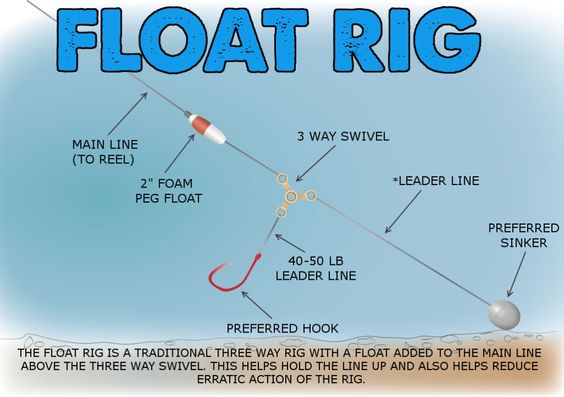
Placement For Float Fishing
For float fishing, place the weight below the float. This balances the float so it sits upright in the water.
The weight should be enough to keep the bait at the right depth. Adjust the weight to control how deep the bait swims.
- Attach small split shot weights below the float
- Start with light weights and add more if needed
- Place weights evenly to keep float stable
Adjusting Weight For Casting Distance
Adding weight helps cast the line farther. More weight gives the bait more momentum to travel long distances.
Too much weight can reduce bait action and scare fish. Find a balance between weight and bait movement.
- Use heavier weights for long casts
- Lighten weight for short, precise casts
- Test different weights to find what works best
Factors Affecting Weight Placement
Where you put the weight on a fishing line changes how your bait moves. It also affects how deep your bait goes and how well you can feel bites.
Several factors guide the best spot for the weight. These include water depth, the type of fish, and your fishing gear.
Water Depth And Current
Water depth is important because the weight helps your bait reach the right level. Deep water needs more weight to sink the bait fast.
Strong currents push your bait away. Placing weight closer to the bait helps keep it steady in moving water.
- In shallow water, use less weight to avoid spooking fish.
- In deep water, place weight farther from the hook to reach the bottom.
- In strong currents, move weight closer to the bait for better control.
Target Fish Species
Different fish swim at different depths. Knowing the fish’s habits helps you place the weight correctly.
Some fish stay near the surface. Others live near the bottom. Adjust your weight to match where the fish are.
- Surface feeders need lighter weights or no weight.
- Mid-water fish need weight that holds bait at a middle depth.
- Bottom feeders need heavier weight to keep bait near the floor.
Rod And Line Strength
Your rod and line can only hold so much weight. Too much weight can break your gear or reduce sensitivity.
Place the weight to balance power and feeling. Make sure the weight does not strain your rod or line.
- Use lighter weights with light rods and thin lines.
- Stronger rods and thick lines can handle heavier weights.
- Keep weight low enough to avoid breaking your gear.

Credit: www.amazon.ca
Common Mistakes To Avoid
Knowing where to put the weight on a fishing line is very important. Many anglers make errors that reduce their chances of catching fish.
This guide explains common mistakes and how to avoid them. Fixing these can improve your fishing experience.
Using Too Much Weight
Using too much weight on your fishing line can cause problems. It makes the bait sink too fast and look unnatural.
- The fish may notice and avoid the bait.
- Your fishing rod can bend too much, causing line breaks.
- It becomes harder to feel bites or movements.
- Extra weight can scare fish in shallow waters.
Incorrect Placement Impact
Placing the weight in the wrong spot changes how the bait moves and looks in water. This can lead to fewer catches.
| Weight Placement | Effect on Fishing |
| Too close to the hook | Bait sinks too fast, looks unnatural |
| Too far from the hook | Line tangles and bait moves oddly |
| Evenly spaced | Bait swims naturally and attracts fish |
Ignoring Environmental Conditions
Not adjusting the weight to match water and weather conditions can hurt your fishing.
- Strong currents need more weight to keep bait in place.
- Clear water requires lighter weight for subtle bait movement.
- Windy days may push the line, needing weight changes.
- Depth changes affect how much weight is needed.
Tips For Different Fishing Techniques
Knowing where to put the weight on a fishing line helps improve your catch. Different fishing styles need different weight setups. This guide covers tips for spinning, baitcasting, fly fishing, and ice fishing.
Adjusting your weight placement can make your lure or bait behave better in the water. It also helps you cast farther or keep your bait at the right depth.
Spinning And Baitcasting
For spinning and baitcasting, the weight usually goes above the lure. This setup helps the line stay tight and lets you cast easily. You can add split shot weights or sliding sinkers.
- Place the weight 12 to 18 inches above the lure for better casting distance.
- Use heavier weights in windy conditions to control your line.
- Adjust the weight size depending on the water depth and current speed.
- Keep the weight close to the lure for a more natural bait movement.
Fly Fishing Adjustments
In fly fishing, weight placement is subtle but key. Adding weight helps your fly sink to the right depth. You use weighted flies or add split shot weights on the leader.
| Weight Type | Placement | Effect |
| Weighted Fly | On the fly itself | Sinks faster, stays near bottom |
| Split Shot | 5 to 10 inches above the fly | Controls depth and drift speed |
| No Weight | None | Floats on surface, best for dry flies |
Ice Fishing Weight Strategies
Ice fishing needs heavier weights to drop bait through the ice hole. Weight placement helps keep the bait steady in cold water and prevents drifting.
- Place the weight just above the bait to hold it near the bottom.
- Use heavier sinkers to fight the current under the ice.
- Adjust weight size based on water depth and fish species.
- Keep the line tight to feel bites quickly.

Credit: mysterytacklebox.com
Testing And Adjusting Your Setup
Knowing where to put the weight on a fishing line can change your catch rate. Testing your setup helps you find the best balance for your fishing style.
Adjusting the weight affects how your bait moves and how fish notice it. Small changes can make a big difference in your success.
Trial And Error Approach
Try different weight positions to see what works best. Start with the weight close to the hook and then move it farther away.
- Move the weight up or down the line
- Test heavier or lighter weights
- Observe how the bait sinks and moves
- Note which setups attract more bites
Reading Water And Fish Behavior
Watch how fish react to your bait and how the water flows. These clues help you place weight where it works best.
| Water Condition | Recommended Weight Position | Reason |
| Calm Water | Close to Hook | Allows natural bait movement |
| Fast Current | Farther from Hook | Keeps bait stable and visible |
| Deep Water | Heavier Weight | Sinks bait quickly to desired depth |
| Shallow Water | Lighter Weight | Prevents scaring fish with sudden drops |
Fine-tuning For Better Results
Make small changes to weight and watch the results. Adjust line length and weight size to improve your setup.
Here are tips for fine-tuning your fishing line weight:
- Adjust the weight in small steps to avoid big changes
- Test different weight types like split shot or sliding sinkers
- Change the distance between the weight and the hook to affect bait action
- Keep notes on what works for different fishing spots
Frequently Asked Questions
Where Should I Place The Weight On A Fishing Line?
Place the weight 12 to 18 inches above the hook. This helps the bait sink naturally and improves casting distance. Adjust based on water depth and fish behavior for better results.
How Does Weight Placement Affect Fishing Line Sensitivity?
Proper weight placement improves sensitivity by reducing slack. It helps detect bites faster and enhances control. Incorrect placement can cause missed strikes and poor bait presentation.
Can Weight Placement Impact Casting Distance?
Yes, placing weight correctly balances the line and improves casting distance. Too close to the hook reduces distance, while too far can tangle the line. Find a balanced spot for smooth casts.
Why Is Weight Placement Important For Different Fishing Techniques?
Different techniques require varied weight placements for optimal bait movement. For example, bottom fishing needs weight near the hook, while float fishing requires it further up. Adjust weight placement to match your fishing style.
Conclusion
Placing the weight correctly on your fishing line helps catch more fish. It controls how your bait moves in water. Too close or too far can spoil your cast. Try different spots to find what works best. This simple tip improves your fishing experience a lot.
Keep practicing and notice the difference each time. Fishing becomes easier and more fun with the right setup. Give it a try on your next trip!