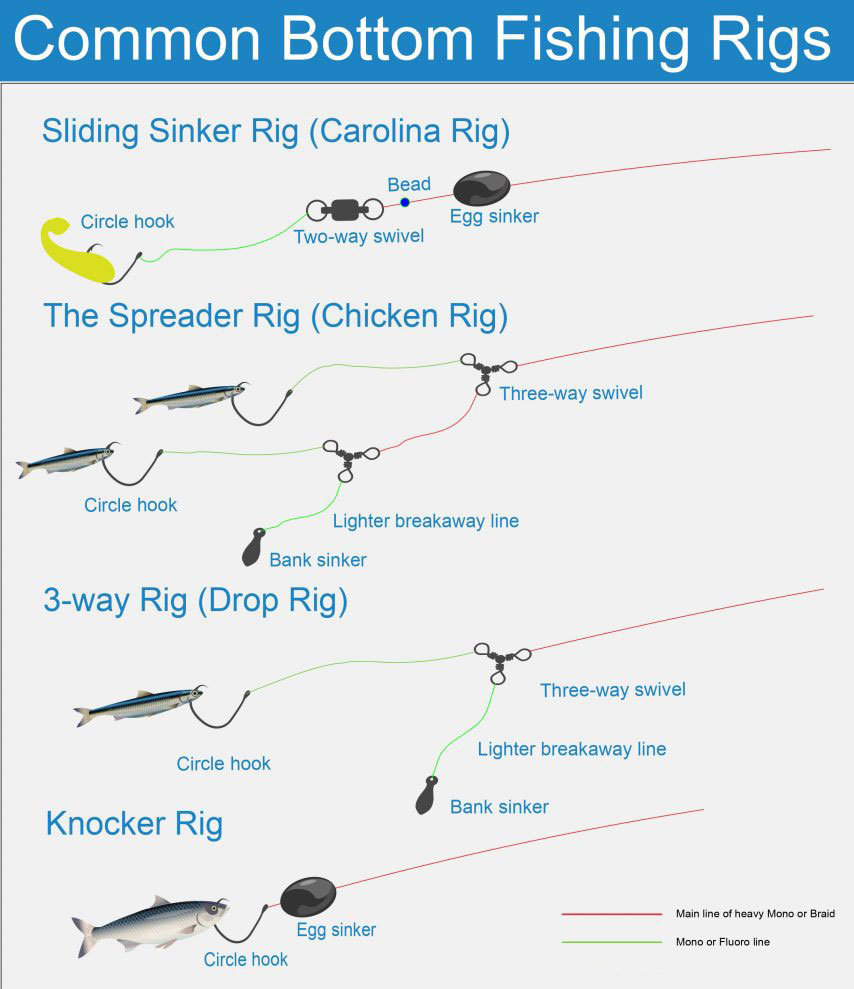
Are you struggling to get your fishing line just right? Knowing exactly where to put weight on your fishing line can make a huge difference in your casting distance, bait presentation, and overall success on the water.
Imagine casting farther, feeling every bite, and landing more fish without changing your gear. You’ll discover simple tips and clear explanations that will transform how you set up your line. Keep reading to learn how a small adjustment can boost your fishing game instantly.
Choosing The Right Weight
Choosing the right weight for your fishing line is important for a good catch. The weight affects how your bait moves and how far you can cast.
Knowing where to put the weight helps control your fishing line better. It depends on many factors like the type of weight, your rod, and the fish you want to catch.
Types Of Weights For Fishing Lines
There are many types of weights you can use on a fishing line. Each one works best in different situations and water conditions.
- Sinker Weights: These are round or egg-shaped and help the bait sink fast.
- Split Shot Weights: Small and easy to attach, good for light fishing.
- Sliding Weights: Move freely on the line, allowing fish to bite without feeling the weight.
- Bank Sinkers: Long and heavy, ideal for strong currents.
- Pyramid Sinkers: Pointed shape, good for holding bait in sandy or muddy bottoms.
Matching Weight To Rod And Reel
Your rod and reel have weight limits. Using the right weight keeps your gear safe and working well.
| Rod Power | Recommended Weight Range |
| Light | 1/16 to 1/4 ounce |
| Medium | 1/4 to 3/4 ounce |
| Heavy | 3/4 to 2 ounces |
| Extra Heavy | Over 2 ounces |
Check your reel’s line capacity to match the weight. Use heavier weights with strong lines and reels made for bigger fish.
Considering Fish Species And Environment
Different fish need different weights. Also, the water type and depth matter when choosing weight.
- Small fish: Use light weights for gentle bites.
- Large fish: Use heavier weights to hold bait in place.
- Deep water: Use heavier weights to reach the bottom quickly.
- Fast currents: Use pyramid or bank sinkers to keep bait steady.
- Clear water: Use lighter weights for natural bait movement.

Credit: mysterytacklebox.com
Optimal Weight Placement
Placing weight on a fishing line affects how the bait moves and how far you can cast. The right position of the weight helps control the fishing setup.
This guide explains where to put weight on your fishing line for best results. It covers placing weight near the hook or further up the line, and how this affects casting and technique.
Near The Hook Vs. Further Up The Line
Putting weight near the hook makes the bait sink faster. It also helps fish see the bait naturally. Weight further up the line keeps the bait lighter and more natural in the water.
- Near the Hook:Better for bottom fishing and slow bait drop.
- Further Up the Line:Good for float fishing and letting bait move freely.
- Near the Hook:Can make the bait less lively if too heavy.
- Further Up the Line:Helps avoid spooking fish with weight near bait.
Impact On Casting Distance And Accuracy
Weight placement changes how far and accurately you can cast. Weight near the hook keeps the line balanced but may reduce distance. Weight up the line adds momentum for longer casts.
| Weight Position | Casting Distance | Casting Accuracy |
|---|---|---|
| Near the Hook | Short to medium | High |
| Further Up the Line | Longer | Medium |
Balancing Weight For Different Techniques
Different fishing methods need different weight setups. Balance your weight to match your technique and water conditions.
- Bottom Fishing:Weight near the hook to keep bait on the bottom.
- Float Fishing:Weight placed further up to keep bait suspended.
- Casting Lures:Balanced weight helps improve casting control.
- Drop Shot:Light weight near the hook with line weight above.
Adjusting Weight For Line Type
Choosing the right spot to put weight on your fishing line depends on the line type. Different lines behave differently with weight placement.
This guide explains where to put weight for monofilament, fluorocarbon, and braided lines.
Monofilament Line Considerations
Monofilament line stretches more than other types. Placing weight close to the lure helps reduce line slack. It also improves casting distance and control.
- Put weight about 12 to 18 inches above the lure
- Use split shot or sliding sinkers for easy adjustment
- Avoid placing weight too far from the lure to keep sensitivity
Fluorocarbon Line Tips
Fluorocarbon sinks faster and has less stretch. Weight placement should be closer to the lure than monofilament. This helps keep the lure at the right depth.
| Weight Type | Recommended Distance from Lure | Reason |
| Split shot | 6 to 12 inches | Maintains lure action and depth control |
| Sliding sinker | 8 to 14 inches | Allows better sensitivity and casting |
| Fixed sinker | 4 to 10 inches | Keeps lure stable in current |
Braided Line Weight Placement
Braided line has almost no stretch and floats on the water surface. Weight placement must help the lure sink properly. Attaching weight too close can cause line damage.
Follow these tips for braided line weight:
- Use a small leader of fluorocarbon between weight and lure
- Place weight 18 to 24 inches above the lure
- Avoid tight knots near the weight to prevent wear
Common Mistakes To Avoid
Putting weight on a fishing line seems simple but many anglers make errors. These mistakes can reduce fishing success and cause line problems.
Knowing where to put weight on the fishing line helps improve casting, bait presentation, and hook setting. Avoid these common errors to fish better.
Overloading The Line
Adding too much weight can overload the fishing line. This can cause the line to break or weaken over time. It also affects casting distance and control.
Overloading makes the line less sensitive. You might miss feeling bites or strikes. Keep the weight within the line’s strength limits.
- Check the line’s pound test before adding weight
- Use lighter weights for thin or light lines
- Avoid heavy sinkers if fishing in shallow water
Incorrect Weight Positioning
Placing weight in the wrong spot on the line can cause problems. If the weight is too close to the hook, it scares fish away.
Weight too far from the hook can tangle the line. It also affects how the bait moves in the water. Find the right balance for your setup.
- Place weight a few inches above the hook for most setups
- Use sliding weights for better bait movement
- Adjust weight position based on fishing depth and current
Ignoring Environmental Factors
Not considering water conditions causes poor weight placement. Currents, depth, and bottom type all affect how weight works.
Ignoring wind and waves can make casting harder. Weight that works well in one spot may fail in another. Adapt to your environment.
- Use heavier weights in strong currents or deep water
- Choose lighter weights for calm, shallow areas
- Check the bottom type to avoid snagging your weight
Expert Tips For Perfect Casting
Placing weight on your fishing line helps you cast farther and control bait depth. Knowing where to put weight improves your fishing success.
This guide shares tips to place weight correctly for better casting and catching fish.
Testing And Adjusting Weight Setup
Try different weight sizes and positions on your line. Testing helps find the best setup for your rod and bait.
Adjust weight placement to change casting distance and bait action. Small changes can improve your cast accuracy.
- Start with weight just above the hook
- Move weight up or down to change bait movement
- Use heavier weight for long casts in wind
- Light weight works best for short, gentle casts
Adapting To Different Water Conditions
Water depth and flow affect where to place weight. Adjust your setup based on the water you fish in.
In fast rivers, heavier weight keeps bait near the bottom. In calm lakes, lighter weight lets bait move naturally.
- Use more weight in deep or fast water
- Less weight works well in shallow or slow water
- Adjust weight to keep bait in the strike zone
Using Visual And Sensory Feedback
Watch how your bait moves after casting. Visual clues help you decide if you need more or less weight.
Feel the line tension and rod tip for bites and drag. Sensory feedback guides your weight adjustments.
- If bait sinks too fast, reduce weight
- If bait floats or drifts away, add weight
- Notice line tightness to detect fish bites

Credit: www.amazon.ca

Credit: www.reddit.com
Frequently Asked Questions
Where Should I Place Weight On A Fishing Line?
Place the weight 12-18 inches above the hook for most fishing setups. This distance helps bait move naturally and improves casting accuracy.
How Does Weight Placement Affect Fishing Line Performance?
Proper weight placement improves casting distance, bait presentation, and hook set efficiency. Incorrect placement can cause tangles and reduce sensitivity.
Can Weight Placement Prevent Fishing Line Tangles?
Yes, placing weight correctly minimizes line twists and tangles. Keep the weight a few inches above the hook to maintain smooth line flow.
What Is The Best Weight Position For Bottom Fishing?
For bottom fishing, place the weight close to the hook to keep bait near the bottom. This setup attracts bottom-dwelling fish effectively.
Conclusion
Choosing the right spot for your fishing weights matters. It affects your fishing success. Proper placement helps your bait move naturally. Experiment with different positions. You might discover what works best for you. Keep it simple. Adjust according to water conditions and fish behavior.
Practice and patience are key. With time, you’ll improve your skills. Catching more fish becomes easier. Enjoy your fishing experience. Stay patient and have fun on the water.