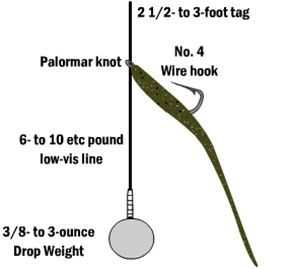
If you’ve ever struggled with casting your fishing line just right or keeping your bait in the perfect spot, the problem might be where you put your weights. Knowing exactly where to place weights on your fishing line can change everything — from how far you cast to how natural your bait moves underwater.
You’ll discover simple tips to help you position your weights for better control, more bites, and a more successful fishing experience. Keep reading, and you’ll soon feel the difference on your next fishing trip.

Credit: www.amazon.com
Choosing The Right Weight
Choosing the right weight for your fishing line helps you cast better and catch more fish. The weight affects how your bait moves and how deep it sinks.
Different fishing situations need different weights. Learn about the types and sizes to pick the best one for your fishing style.
Types Of Fishing Weights
Fishing weights come in many shapes and materials. Each type works best for certain fishing conditions and techniques.
- Sinker:A simple round or egg shape, good for general use.
- Split Shot:Small and easy to attach, perfect for light fishing.
- Bank Sinkers:Long and heavy, good for strong currents.
- Pyramid Sinkers:Pointed shape, holds well in sandy or rocky bottoms.
- Bullet Weights:Shaped like a bullet, used for fishing with soft baits.
Weight Sizes And Their Uses
Weights come in sizes from very light to very heavy. The right size depends on the water conditions and the fish you want.
| Weight Size | Best Use |
| 1/16 oz to 1/8 oz | Light freshwater fishing, small fish |
| 1/4 oz to 1/2 oz | General freshwater fishing, medium fish |
| 3/4 oz to 1 oz | Fishing in rivers with current, larger fish |
| 1 1/2 oz and above | Deep water fishing, strong currents, big fish |

Credit: www.reddit.com
Placement Techniques
Proper placement of weights on a fishing line affects casting and bait presentation. Choosing the right setup depends on the fishing style and target species.
This guide explains two common methods for placing weights: sliding weights and fixed weights. Each has unique advantages and placement tips.
Sliding Weights Setup
Sliding weights move freely along the line. This allows fish to take the bait without feeling resistance from the sinker.
- Place a small stopper knot or bead above the weight to limit its travel.
- Slide the weight down the line before tying on the hook.
- Use sliding weights for deep water or strong currents.
- Adjust the stopper knot to control the distance the weight slides.
Fixed Weights Setup
Fixed weights stay in one place on the line. They provide more control for precise casting and bait placement.
| Placement | Purpose | Common Uses |
| Close to the hook | Keeps bait near bottom | Bottom fishing |
| Several inches above the hook | Prevents tangling | Float fishing |
| Near the swivel or lure | Improves casting distance | Casting with lures |
Factors Affecting Weight Placement
Placing weights on a fishing line affects how your bait behaves underwater. Several factors determine the best placement for these weights.
Understanding these factors helps improve your fishing success. Consider the water depth, target fish, and bait type.
Water Depth And Current
The depth of the water and the strength of the current play big roles in weight placement. You need to balance these to keep your bait where fish are most likely to bite.
- Shallow water: Use lighter weights to avoid sinking too fast.
- Deep water: Heavier weights help reach the bottom quickly.
- Strong currents: More weight keeps the bait in place.
Target Fish Species
Different fish species prefer different depths and bait movements. Knowing your target fish helps decide the correct weight placement.
| Fish Species | Preferred Depth |
| Bass | Mid-level to deep |
| Trout | Shallow to mid-level |
| Catfish | Bottom |
Bait Type And Presentation
The type of bait and how you present it are crucial. Some baits need to move freely, while others should stay still.
For live bait, use lighter weights to allow natural movement. For artificial lures, adjust weight to control depth and action.
Common Mistakes To Avoid
Adding weights to a fishing line helps cast farther and control bait depth. Many anglers make mistakes placing weights. These mistakes reduce fishing success.
Knowing where to put weights on the line improves your catch rate. Avoid these common errors to fish better.
Overweighting The Line
Using too much weight can break your line or scare fish away. Heavy weights also make your bait sink too fast. This reduces your chances to catch fish.
Use the smallest weight that casts well and controls the bait. This keeps the line strong and bait natural.
- Heavy weight breaks light lines easily
- Too much weight sinks bait too quickly
- Fish see the heavy weight and swim away
- Small weights keep the bait moving naturally
Incorrect Distance From Hook
Placing the weight too close or too far from the hook can hurt your fishing. If the weight is too close, the bait moves less naturally. Fish notice this and avoid the bait.
If the weight is too far from the hook, casting becomes harder. It also makes it tough to feel bites. The right distance lets the bait swim freely and helps detect fish.
- Weight too close: less natural bait movement
- Weight too far: poor casting and bite detection
- Ideal distance allows bait to move freely
- Adjust weight distance based on fishing style
Adjusting Weights For Different Conditions
Knowing where to put weights on your fishing line helps you catch more fish. Different water and fishing styles need different weight setups.
Adjusting weights lets your bait move right and stay where fish are. This guide covers calm vs. rough waters and shore vs. boat fishing.
Calm Vs. Rough Waters
In calm water, use less weight so the bait moves naturally. Light weights keep your line from sinking too fast.
In rough water, heavier weights help keep your bait steady. The weight fights strong currents and waves.
- Calm water: light weights, placed close to the bait
- Rough water: heavier weights, placed farther from the bait
- Adjust weight size based on water flow speed
Shore Fishing Vs. Boat Fishing
Shore fishing needs heavier weights to cast far and keep bait near the bottom. Place weights about 12 to 18 inches from the hook.
Boat fishing allows lighter weights. You can drop your bait straight down, so weights stay closer to the hook.
- Shore fishing: heavier weights, 12–18 inches from hook
- Boat fishing: lighter weights, close to hook
- Adjust weight to match water depth and fish type
Tips For Improving Casting And Sensitivity
Adding weights to your fishing line helps you cast farther and feel bites better. The position of these weights changes how your line moves and feels.
Knowing where to place weights can improve your fishing experience. It can make your casts smoother and your bites easier to detect.
Balancing Weight And Line
Place weights so they balance the line and lure. Too much weight near the rod tip can cause poor casts. Too little weight means shorter casts.
Try putting the weight about 12 to 18 inches above the lure. This helps the lure sink right and improves casting distance.
- Weight close to the lure helps it sink fast
- Weight higher on the line improves casting range
- Balance weight to avoid tangles and line twist
Using Weights To Detect Bites
Weights help you feel when a fish bites. When the fish pulls, the weight moves, giving you a clear signal.
Using a small split shot weight just above the lure makes it easier to sense even light bites. It keeps the line tight and sensitive.
- Use light weights for clear bite detection
- Weights close to the lure increase sensitivity
- Adjust weight size based on water depth and fish type

Credit: www.reddit.com
Frequently Asked Questions
Where Should I Place Weights On A Fishing Line?
Place weights about 12 to 18 inches above the hook. This helps the bait sink naturally and improves casting distance. Adjust placement based on water depth and fishing conditions for best results.
Why Is Weight Placement Important On Fishing Lines?
Weight placement controls bait depth and movement. Proper placement ensures natural bait presentation, attracting more fish. It also helps avoid snags and improves casting accuracy.
Can I Put Weights Directly On The Hook?
No, placing weights directly on the hook can scare fish. Weights should be placed above the hook on the line to keep the bait lively and natural.
How Does Weight Placement Affect Casting Distance?
Correct weight placement balances the line and bait. This allows longer and more accurate casts. Improper placement can reduce casting range and cause tangles.
Conclusion
Placing weights on your fishing line affects how your bait moves in water. Put weights close to the hook for better control and natural bait movement. Use sliding weights to cast farther and feel bites easier. Test different positions to find what works best for your fishing spot.
Remember, small changes can improve your catch. Keep practicing and enjoy fishing more each time.