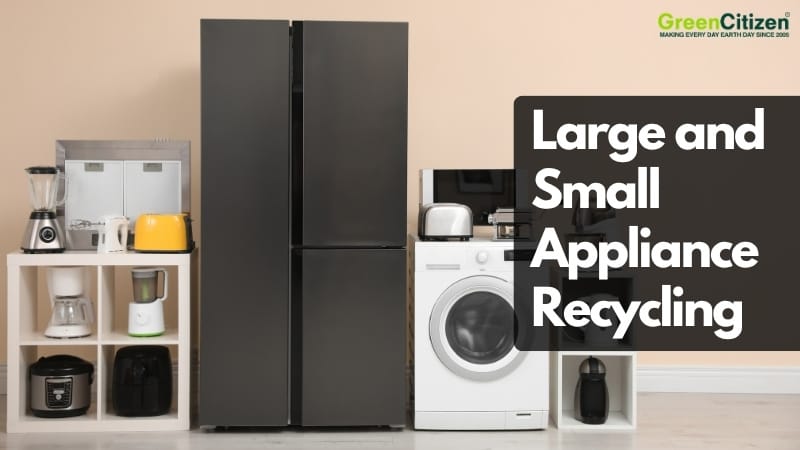
Are you wondering what to do with your old washer and dryer? Tossing them in the trash isn’t the answer.
These bulky machines contain materials that can harm the environment if not handled properly. But where exactly can you recycle your washer and dryer? You’ll discover simple, practical places to take your appliances. By the end, you’ll know exactly how to get rid of them responsibly—and maybe even save some money or help your community.
Keep reading to find out how easy it can be to recycle your washer and dryer the right way.
Why Recycle Washers And Dryers
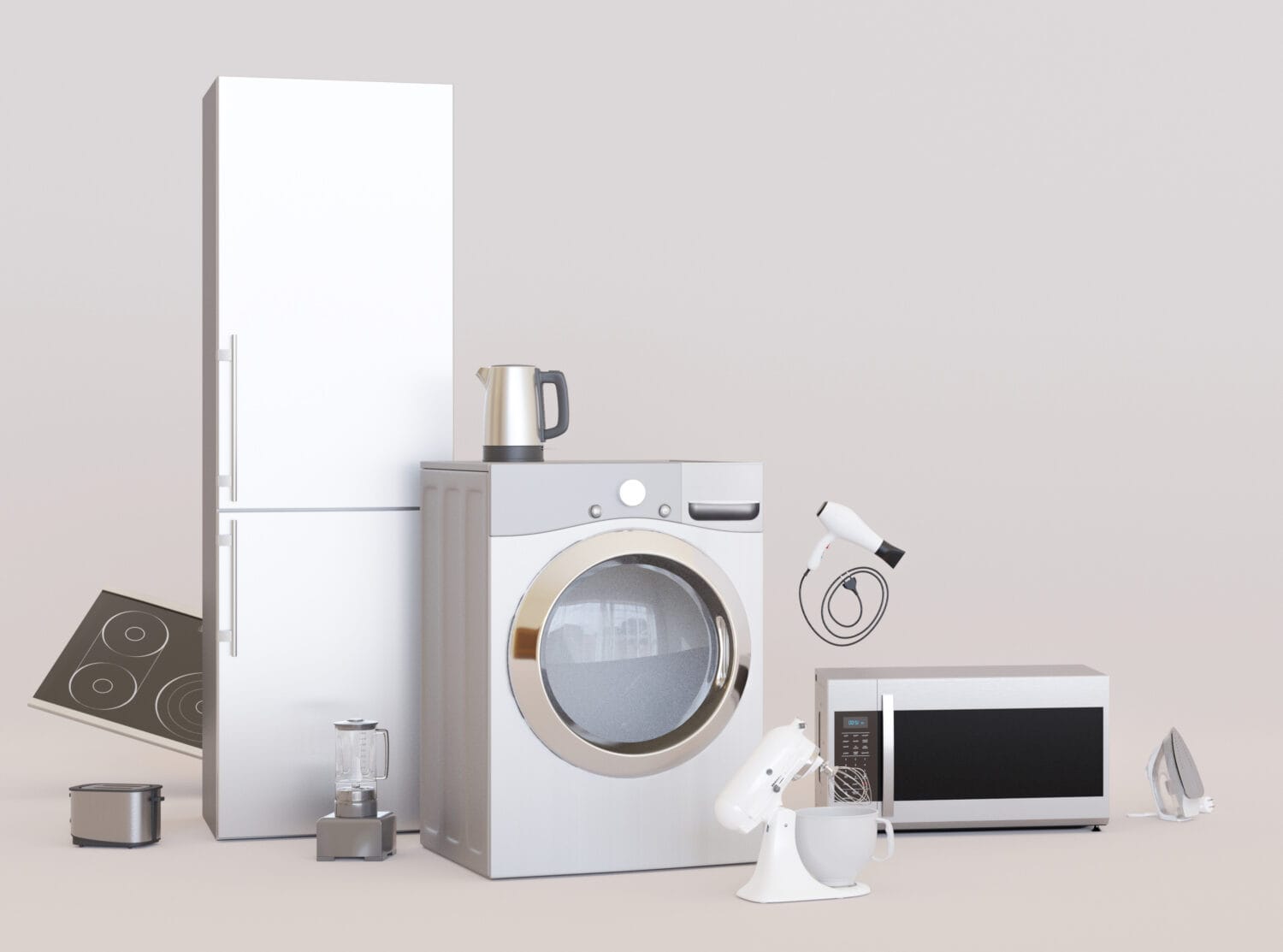
Recycling washers and dryers helps protect the environment. Old machines can harm nature if not disposed of properly.
Learn why recycling these appliances matters for our planet and future.
Environmental Benefits
Recycling washers and dryers reduces pollution. It stops harmful chemicals from leaking into the soil and water.
Reducing Landfill Waste
Old appliances take up space in landfills. Recycling them lowers the amount of trash in these sites.
- Prevents landfills from filling too fast
- Reduces the need to build new landfill areas
- Helps keep neighborhoods clean and safe
Conserving Resources
Washers and dryers contain metals and plastics. Recycling saves these materials for new products.
| Material | Benefit of Recycling |
| Steel | Less mining needed |
| Aluminum | Energy saved in production |
| Plastic | Reduces new plastic waste |
Credit: www.sbcrecycle.com
Preparing Appliances For Recycling
Recycling your washer and dryer helps protect the environment. Proper preparation makes recycling easier and safer.
Follow simple steps to clean, disconnect, and check your appliances before recycling them.
Cleaning And Disconnecting
Clean your washer and dryer to remove dirt and debris. This helps recycling centers process them better.
Unplug the appliances from power sources. Turn off water valves connected to washers. Disconnect hoses safely.
- Wipe down the exterior and interior
- Remove detergent and fabric softener trays
- Turn off electricity and water supply
- Detach hoses and cords carefully
Removing Hazardous Materials
Washers and dryers may contain hazardous materials. These include chemicals, oils, and refrigerants.
Remove any leftover detergents or cleaning agents. Do not throw hazardous parts in regular trash.
- Empty detergent compartments
- Check for refrigerant in dryers
- Dispose of chemicals safely
- Follow local hazardous waste rules
Checking Manufacturer Guidelines
Look at the user manual for recycling advice. Some brands have specific instructions for safe disposal.
Manufacturer guidelines help avoid damage and ensure proper recycling methods are used.
- Find the manual online or with your appliance
- Follow any special disassembly instructions
- Note if the manufacturer offers recycling programs
- Contact customer support if unsure
Local Recycling Centers
Recycling your old washer and dryer helps protect the environment. Local recycling centers accept these large appliances for proper disposal.
Finding the right place to recycle makes the process easier and ensures your appliances are handled correctly.
Finding Nearby Facilities
Start by searching for recycling centers in your city or town. Many communities have special locations for appliance recycling.
You can also check your local government website or call city offices for information on nearby drop-off points.
- Use online maps to locate centers
- Ask about hours of operation
- Check for appliance recycling programs
Accepted Items And Requirements
Most local recycling centers accept washers and dryers, but they may have rules about condition and size.
Some centers require you to remove parts or drain fluids before drop-off. It is important to follow their guidelines.
- Washer and dryer units without major damage
- Remove hoses and cords if requested
- No hazardous materials inside appliances
- Check if you need to schedule a drop-off
Drop-off Procedures
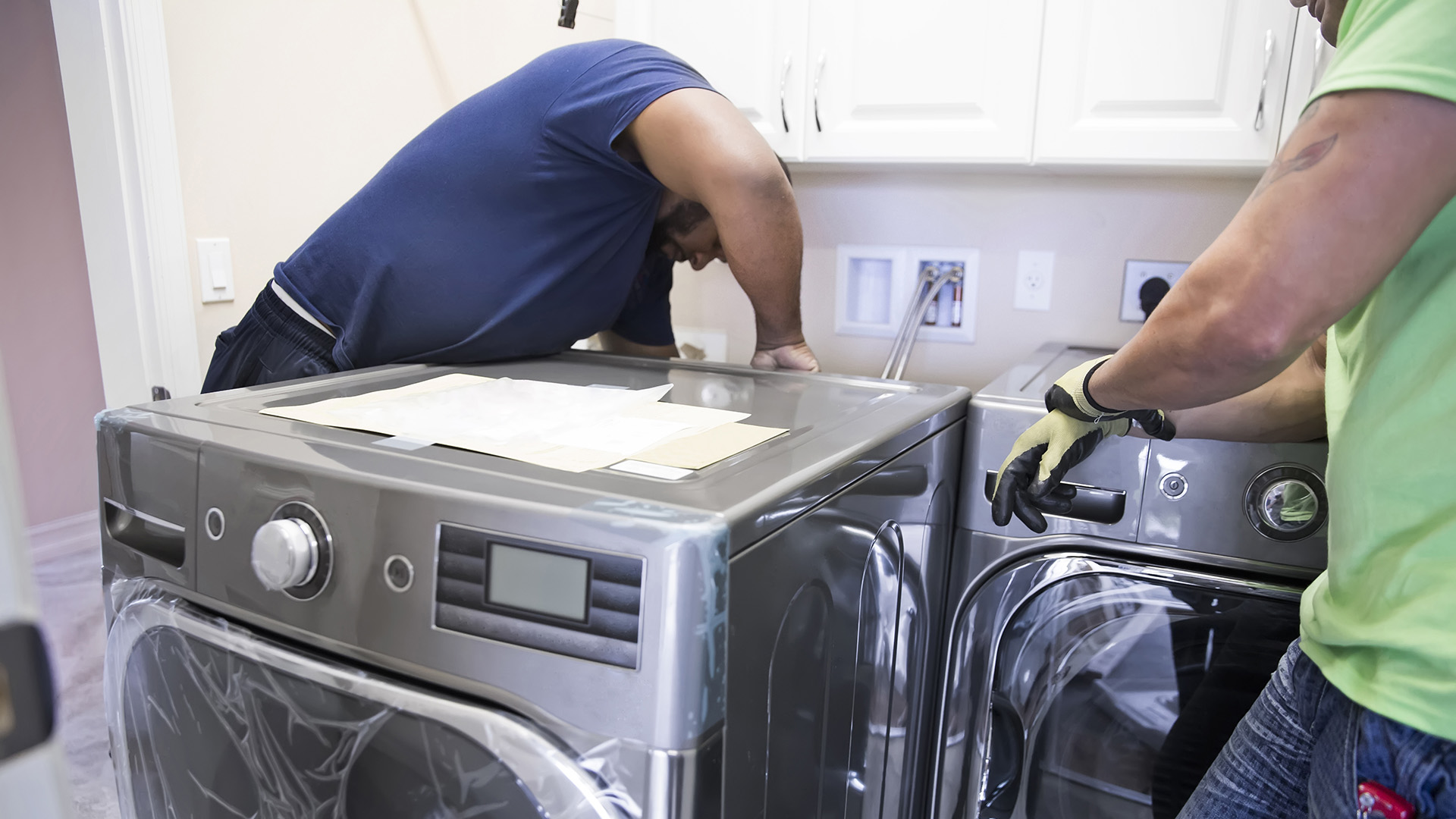
When you arrive at the recycling center, follow their instructions for unloading your appliances safely.
Some centers may ask you to sign a form or show proof of residence. Staff will guide you to the correct area for dropping off washers and dryers.
- Park in designated unloading zones
- Use helpers or equipment to move heavy appliances
- Follow safety signs and staff directions
- Keep any paperwork for your records
Credit: consumerenergyalliance.org
Retailer Take-back Programs
Many retailers offer programs to take back old washers and dryers. These programs help you recycle appliances safely. They also make it easy to dispose of bulky items.
Using a retailer’s take-back program can save you time and effort. Retailers often handle the recycling process for you.
Major Appliance Stores
Large appliance stores usually accept old washers and dryers when you buy new ones. Some stores recycle these appliances for free or for a small fee. Check with your local store for specific details.
Trade-in Options
Trade-in options let you get a discount on new appliances by giving your old ones back. Many retailers list eligible models and offer clear trade-in rules. This helps you save money and recycle responsibly.
- Check which models qualify for trade-in
- Prepare your appliance for pickup or drop-off
- Bring proof of purchase for the new appliance
- Confirm trade-in value and conditions with the retailer
Scheduling Pickups
Some retailers offer pickup services for old washers and dryers. You can schedule a pickup when your new appliance is delivered. This service is often included or available at a small cost.
| Service | Details | Cost |
| Delivery Pickup | Old appliance taken during new delivery | Usually free |
| Scheduled Pickup | Set a day for separate appliance removal | May have a fee |
| Drop-off | Bring old appliance to store or recycling center | Free or low cost |
Community Recycling Events
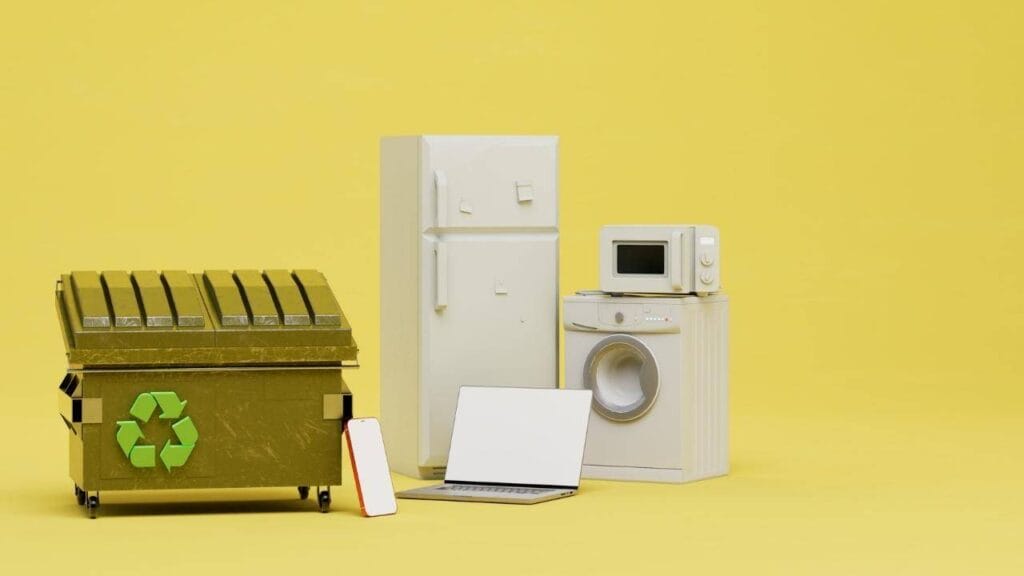
Community recycling events help people recycle washers and dryers safely. These events keep old appliances out of landfills.
Many towns hold special drives to collect large appliances. These events make recycling easy and free for residents.
Seasonal Collection Drives
Seasonal drives happen a few times a year. They focus on collecting washers, dryers, and other big items. Drives often take place in spring and fall.
- Spring appliance drop-off
- Fall electronic recycling days
- Holiday season recycling events
- Local community center collection points
How To Participate
Joining these events is simple. Check your city’s website for dates and locations. Register if needed before the event.
- Find the event near you
- Prepare your washer or dryer by unplugging it
- Transport the appliance to the collection site
- Follow staff instructions for drop-off
Benefits Of Community Programs
| Benefit | Description |
| Environmental | Reduces landfill waste and pollution |
| Convenience | Easy access to recycling options |
| Cost Savings | Often free or low cost for residents |
| Community Support | Brings neighbors together for a good cause |
Credit: greencitizen.com
Donation And Resale Options
Recycling washers and dryers helps the environment. You can donate or sell them. This guide explains how to do it.
Giving away or selling old appliances benefits others. It also reduces waste. Read on to learn where and how.
Charity Organizations
Charities accept washers and dryers in good condition. They help families who need appliances. Check if your local charities accept these items.
- Goodwill takes working appliances for resale in their stores.
- Salvation Army provides washers and dryers to families in need.
- Habitat for Humanity ReStores sell appliances to support their projects.
Selling Or Giving Away
You can sell or give away your washer and dryer. Use online platforms to find buyers or people in need. This is a simple way to recycle.
- Use Craigslist to list your appliances for free or for sale.
- Facebook Marketplace connects you with local buyers or those in need.
- Freecycle helps you give away appliances without selling them.
Ensuring Appliance Condition
Make sure your washer and dryer are in good condition. Clean them before donating or selling. This helps charities and buyers trust your appliances.
Check if the machines work properly. Fix any small issues. A well-maintained appliance is more likely to be accepted by charities or buyers.
- Clean the exterior and interior of the appliances.
- Test the machines to ensure they are operational.
- Repair minor issues like leaks or strange noises.
Professional Recycling Services
Recycling washers and dryers is important for the environment. Professional services make it easy and safe. These services ensure that old appliances are handled properly.
By hiring experts, you can be sure your appliances are recycled responsibly. They have the right tools and knowledge to manage this task.
Hiring Certified Recyclers
Certified recyclers are trained to handle old appliances. They ensure harmful materials are disposed of safely. Certification means they follow strict guidelines.
- Look for recyclers with proper licenses
- Check their experience in appliance recycling
- Ask for references from past customers
Costs And Benefits
Recycling services may have costs, but the benefits are worth it. You help the environment by reducing waste. Proper recycling prevents pollution.
Some services offer free pickup for large appliances. This can save you time and effort. Always ask about potential fees before hiring a service.
Service Areas
Professional recycling services often cover many areas. They may offer services in cities and rural locations. It’s important to check if they service your area.
- Contact local services to confirm their coverage
- Some companies offer nationwide services
- Check online for local recycling options
Safety And Compliance Tips
Recycling washers and dryers helps protect the environment. It also keeps harmful parts out of landfills. Follow safety and compliance tips to recycle correctly.
This guide covers handling electrical parts, following local rules, and avoiding illegal dumping. Proper care ensures safe recycling and legal compliance.
Handling Electrical Components
Washers and dryers contain electrical parts that can be dangerous if not handled properly. Always disconnect the appliance from power before recycling.
- Unplug the machine before moving or dismantling.
- Wear gloves to protect from sharp edges and wires.
- Do not attempt to repair electrical parts yourself.
- Remove batteries if the appliance has any.
- Take appliances to certified recycling centers that handle electronics safely.
Following Local Regulations
Each area has rules for recycling large appliances. Check your local laws to avoid fines and delays. Many places require using approved recycling sites.
| Region | Recycling Rule | Contact |
| City A | Drop off at city recycling center | 555-1234 |
| County B | Schedule a special pickup | 555-5678 |
| State C | Use licensed appliance recycler | www.statec.gov/recycling |
Avoiding Illegal Dumping
Illegal dumping harms the environment and can cause legal trouble. Always dispose of washers and dryers at legal sites.
- Never leave appliances on streets or public land.
- Use official recycling centers or scheduled pickups.
- Report illegal dumping to local authorities.
- Educate neighbors about proper disposal methods.
Frequently Asked Questions
Where Can I Recycle My Old Washer And Dryer Locally?
You can recycle washers and dryers at local recycling centers or scrap yards. Check municipal websites for nearby locations. Many appliance stores also offer take-back programs when delivering new units. Always confirm if they accept large appliances before visiting.
Are There Special Programs For Recycling Washers And Dryers?
Yes, many cities run special recycling or bulky waste pickup programs for appliances. These programs ensure proper disposal and material recovery. Contact your local waste management authority for details and scheduled pickup days.
Can I Donate A Working Washer Or Dryer For Reuse?
If your washer or dryer still works, consider donating it. Charities, shelters, or community organizations often accept appliances. This helps reduce waste and supports those in need. Ensure the appliance is clean and in good condition before donating.
Is It Safe To Recycle Washers And Dryers?
Yes, recycling washers and dryers is safe when done through certified facilities. These centers handle hazardous components responsibly. They also recover valuable metals and materials, reducing environmental impact. Avoid illegal dumping to prevent safety and environmental risks.
Conclusion
Recycling your washer and dryer helps protect the environment. Many local centers accept old appliances for recycling. You can also check with retailers or donation programs. Proper recycling keeps harmful materials out of landfills. It saves energy and resources by reusing parts.
Take a moment to find the nearest recycling spot. Small actions make a big difference for the planet. Start recycling today and support a cleaner future. Easy, responsible steps lead to lasting positive change.