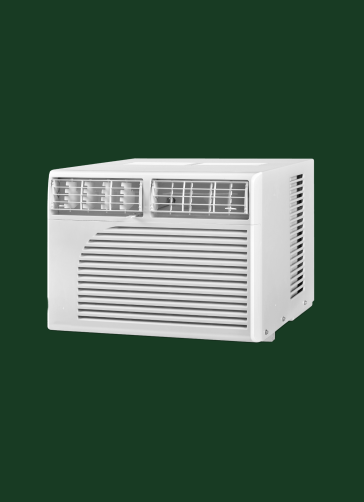
Got an old air conditioner sitting around, and you’re not sure what to do with it? Holding onto it can take up space and might even be unsafe.
But simply throwing it away isn’t the answer either. You need the right place to take your old AC where it can be handled properly, keeping your home safe and the environment protected. Keep reading, and you’ll discover exactly where to bring your old air conditioner—making the process easy and stress-free for you.

Credit: www.greenapplemechanical.com
Why Recycle Old Air Conditioners
Old air conditioners contain materials that can harm the environment. Recycling them helps keep these materials out of landfills.
Recycling also recovers valuable parts that can be reused or safely disposed of. This process supports cleaner air and safer communities.
Environmental Benefits
Air conditioners have chemicals like refrigerants that can damage the ozone layer. Proper recycling stops these chemicals from leaking into the air.
- Prevents release of harmful gases
- Reduces waste in landfills
- Saves raw materials by reusing metals and plastics
- Protects wildlife and natural habitats
Legal Requirements
Many countries have laws that require old air conditioners to be recycled properly. These laws aim to protect the environment and public health.
Here is a simple table showing common rules for air conditioner recycling:
| Country | Recycling Rule | Penalty for Non-Compliance |
|---|---|---|
| USA | Certified recycling required | Fines up to $5,000 |
| UK | Proper disposal and recycling | Fines and legal action |
| Australia | Mandatory refrigerant recovery | Fines and license loss |
Energy Savings
Recycling parts from old air conditioners helps save energy. It takes less energy to reuse materials than to make new ones.
- Reduces energy needed to mine and process metals
- Lowers carbon emissions from manufacturing
- Supports production of more efficient cooling units
Preparing Your Air Conditioner For Recycling
Recycling an old air conditioner helps protect the environment. Proper preparation makes the recycling process safe and efficient. Follow these steps to get your unit ready.
Removing harmful parts and cleaning the unit prevents pollution. Checking for reusable parts can save resources. Each step is important before recycling your air conditioner.
Removing Hazardous Materials
Air conditioners contain dangerous chemicals and materials. It is important to remove these safely before recycling.
- Drain refrigerants like Freon carefully
- Remove oils and coolants following safety rules
- Take out batteries if present
- Wear protective gloves and goggles
- Use certified disposal services for hazardous waste
Cleaning And Disassembling
Cleaning the air conditioner removes dirt and dust. Disassembling separates parts for easier recycling.
| Task | Details |
| Cleaning | Wipe surfaces and clean filters |
| Disassembly | Remove screws, panels, and wiring |
| Separate Materials | Sort metal, plastic, and glass parts |
Checking For Valuable Parts
Some air conditioner parts can be reused or sold. Check the unit carefully for these items.
- Motors and compressors
- Copper coils and wiring
- Fans and blades
- Electronic control boards
- Metal frames and casings
Local Recycling Centers
Old air conditioners should not be thrown in the trash. Local recycling centers help handle them safely. These centers recycle parts and keep harmful chemicals out of the environment.
Finding the right place to take your old air conditioner is important. Many centers accept them, but rules may vary by location.
Finding Nearby Facilities
Search online for recycling centers near your home. Use terms like “air conditioner recycling near me.” Call local waste services for information. Some hardware stores also offer drop-off points.
- Check city or county waste websites
- Ask about special electronic recycling days
- Look for certified appliance recyclers
Accepted Items And Restrictions
Recycling centers accept most types of air conditioners. This includes window units, portable models, and split systems. Some centers may not take units with freon or other chemicals.
Items often accepted:
- Window air conditioners
- Portable air conditioners
- Split system components
- Parts like compressors and coils
Restrictions may include:
- Units with leaking refrigerants
- Damaged or broken appliances
- Items without proper documentation
Drop-off Procedures
Before dropping off, call the center to confirm hours and rules. Some centers require appointments. Bring your air conditioner safely secured in a vehicle.
At the center, staff may ask you to fill out a form. Follow instructions for placing the unit in the correct area. Some centers may charge a small fee.
- Call ahead to check requirements
- Prepare the unit by removing dirt and water
- Use a vehicle that fits the appliance
- Follow staff directions on site
Retailer Take-back Programs
Many retailers offer take-back programs for old air conditioners. These programs help you recycle your unit safely. You can drop off your old air conditioner at the store when you buy a new one.
Take-back programs reduce waste and protect the environment. They also make it easy to dispose of old appliances without extra cost or effort.
Major Brands Offering Recycling
Several major brands run recycling programs for old air conditioners. These brands work with retailers to collect and recycle units responsibly.
- Brand A accepts old units at their authorized dealers.
- Brand B partners with local stores for recycling drop-offs.
- Brand C provides free pickup for large appliances.
- Brand D offers in-store recycling bins for small units.
Trade-in And Discount Options
Many retailers offer trade-in deals when you recycle your old air conditioner. You may get discounts on new models or store credits.
| Retailer | Trade-in Offer | Discount Details |
| Store X | Up to $50 credit | Applies to new air conditioner purchase |
| Store Y | Free recycling service | 10% off select models |
| Store Z | Trade-in bonus | $30 off any cooling product |
How To Participate
To join a retailer take-back program, follow these steps:
- Check if your local retailer offers a take-back program.
- Bring your old air conditioner to the store.
- Fill out any required recycling forms.
- Receive your trade-in credit or discount.
- Purchase your new air conditioner if desired.
Municipal Waste Collection Events
Old air conditioners should never be thrown in regular trash. These units contain harmful chemicals. Many cities hold special waste collection events. These events help residents dispose of old air conditioners safely.
Municipal waste collection events are easy to find and use. They keep the environment clean. They also prevent damage from toxic parts in air conditioners.
Scheduled Recycling Drives
Local governments often schedule recycling drives for electronic waste. These drives include old air conditioners. They happen a few times each year. Residents bring their old units to a drop-off point.
- Check your city’s website for dates.
- Look for announcements in local newspapers.
- Find the nearest recycling center or event location.
- Bring your old air conditioner on the scheduled day.
Registration And Guidelines
Some events require registration before dropping off items. This helps organizers plan for space and safety. Guidelines keep the process smooth and safe for everyone.
| Requirement | Details |
| Pre-registration | May be required online or by phone |
| Unit Condition | Must be whole, no loose parts |
| Proof of Residence | May need to show ID or utility bill |
| Drop-off Times | Follow scheduled hours only |
Benefits Of Community Programs
Community recycling programs offer many benefits. They reduce pollution and keep hazardous waste out of landfills. These programs also save resources by recycling parts.
- Protect the environment from harmful chemicals.
- Create safer neighborhoods by removing bulky waste.
- Support local recycling and reuse efforts.
- Help residents save money on waste disposal fees.
Credit: www.georgiaairrepair.com
Professional Recycling Services
Old air conditioners contain materials that need careful handling. Professional recycling services ensure safe and eco-friendly disposal.
These services prevent harmful substances from polluting the environment. They also recover valuable parts for reuse.
Pickup And Disposal Options
Many recycling companies offer pickup services. They collect your old air conditioner from your home or business.
Some places have drop-off centers where you can bring the unit yourself. Check local waste management facilities for this option.
- Scheduled home pickup by recycler
- Drop-off at a recycling center
- Special collection events held by communities
Costs And Fees
Recycling old air conditioners might have a fee. Costs depend on size and materials in the unit.
Some programs offer free recycling to encourage proper disposal. Ask your local recycler about any charges before scheduling.
- Small units usually cost less to recycle
- Large or complex units may have higher fees
- Community programs might offer free disposal days
Certified Recyclers To Consider
Choose recyclers with proper certification. Certified companies follow environmental laws and safety standards.
Look for certifications like R2 or e-Stewards. These prove responsible recycling practices for electronic waste.
- R2 Certified recyclers handle electronics safely
- e-Stewards Certified ensure no illegal dumping
- Local government-approved recyclers offer reliable service
Tips For Choosing The Best Recycling Spot
Finding the right place to recycle old air conditioners is important. It helps protect the environment and saves resources.
Use these tips to pick a recycling spot that fits your needs and keeps your community safe.
Proximity And Convenience
Choose a recycling spot close to your home or workplace. This saves time and fuel when you drop off your air conditioner.
Check the spot’s hours of operation. Make sure they fit your schedule for easy drop-off.
- Look for locations within a short drive
- Confirm opening days and times
- See if they offer pickup services
Environmental Standards
Pick recycling centers that follow strict environmental rules. This ensures harmful chemicals are handled safely.
Ask if the spot recycles parts or disposes of them properly. Proper recycling helps reduce pollution.
- Check if the center is certified by authorities
- Confirm safe handling of refrigerants
- Verify recycling of metals and plastics
Customer Reviews
Read reviews from other people who used the recycling spot. This shows how well the center works.
Look for comments about customer service, ease of drop-off, and environmental care.
- Check ratings on trusted websites
- Look for positive feedback on service
- Avoid spots with many complaints
What Happens To Recycled Air Conditioners
Old air conditioners contain valuable materials that can be reused. Recycling helps save resources and reduce pollution.
The process of recycling air conditioners involves several important steps. These steps ensure parts are recovered and waste is minimized.
Material Recovery Process
Recycled air conditioners go through careful dismantling. Metals like copper and aluminum are separated for reuse. Plastic and glass parts are also sorted.
- The unit is drained of refrigerants safely.
- Metal frames and coils are removed.
- Plastic covers and insulation are separated.
- Electronic components are taken out for recycling.
Reuse Of Components
Many parts from old air conditioners can be reused. This saves energy and raw materials needed for new products.
| Component | Reuse Purpose |
| Compressor | Used in repair or remanufacture |
| Copper Coils | Re-melted for new wiring |
| Plastic Parts | Recycled into new plastic products |
| Electronic Boards | Refurbished or recycled for metals |
Reducing Landfill Waste
Recycling air conditioners lowers the amount of waste sent to landfills. It keeps harmful chemicals out of the environment.
Benefits of reducing landfill waste include:
- Less soil and water pollution
- Lower greenhouse gas emissions
- Conservation of natural resources
- Reduced need for new landfill sites

Credit: www.youtube.com
Frequently Asked Questions
Where Can I Recycle Old Air Conditioners Safely?
You can recycle old air conditioners at local recycling centers or hazardous waste facilities. Many cities offer special e-waste collection events. Always check with your municipality for approved drop-off locations to ensure proper handling and environmental safety.
Can Hardware Stores Take Old Air Conditioners?
Some hardware stores and appliance retailers accept old air conditioners for recycling when you purchase a new unit. Confirm with the store beforehand, as policies vary. They often partner with certified recyclers to dispose of units responsibly.
How To Dispose Of An Old Air Conditioner Legally?
To dispose of an old air conditioner legally, use certified recycling centers or municipal waste programs. Avoid dumping in landfills, as refrigerants harm the environment. Always follow local regulations to ensure eco-friendly and lawful disposal.
Are There Programs For Free Air Conditioner Pickup?
Yes, some utility companies and local governments offer free pickup programs for old air conditioners. These programs promote energy efficiency and proper disposal. Check your area’s official websites or contact waste management services to find available options.
Conclusion
Recycling old air conditioners helps the environment. It reduces landfill waste. Many local recycling centers accept them. Some stores offer trade-in programs. Check for special recycling events in your area. Proper disposal prevents harmful chemicals from leaking. It protects our planet.
Consider donating working units. They help those in need. Always follow local guidelines for disposal. Safe recycling benefits everyone. It keeps our communities clean. Explore these options today. Make a positive impact. Every action counts. Your choice matters. Let’s keep our world green.