Are you tired of noisy air conditioners disturbing your peace? Finding the quietest air conditioner can change how you experience comfort at home or work.
Imagine enjoying cool air without the constant hum or buzz distracting you. You’ll discover which air conditioners offer the quietest operation, so you can relax, focus, and sleep better. Keep reading to find out how to choose the perfect silent cooling solution for your space.
Credit: bobsac.com
Factors Affecting Ac Noise Levels
Air conditioners create noise during operation. Understanding what affects this noise helps in choosing a quiet model.
Noise levels vary by design, parts, and where the AC is installed. These factors impact comfort in your home or office.
Decibel Ratings Explained
Decibel (dB) ratings measure how loud an air conditioner is. The higher the number, the louder the AC sounds.
Typical window AC units run between 50 and 60 dB. Quiet models may be below 50 dB, similar to a soft conversation.
| Decibel Level (dB) | Noise Description |
| 30 dB | Whisper |
| 50 dB | Quiet office |
| 60 dB | Normal conversation |
| 70 dB | Busy street |
Compressor And Fan Design
The compressor and fan create most of the AC noise. Their design affects how loud the unit runs.
- Scroll compressors run quieter than piston types.
- Larger, slower fans reduce noise by moving air gently.
- Better fan blade design lowers air turbulence sounds.
- Vibration dampeners on compressors cut noise sharply.
Installation And Placement Impact
Where and how the AC is installed changes noise levels. Proper placement helps keep noise low.
Key installation tips to reduce noise:
- Place the unit on a flat, solid surface to avoid vibrations.
- Keep the AC away from bedroom windows and living spaces.
- Use foam or rubber pads under the unit to absorb sound.
- Ensure enough clearance around the unit for airflow and noise reduction.
Types Of Quiet Air Conditioners
Choosing a quiet air conditioner can make your home more peaceful. Noise levels differ by type and design.
This guide explains the main types of quiet air conditioners to help you decide.
Window Ac Units
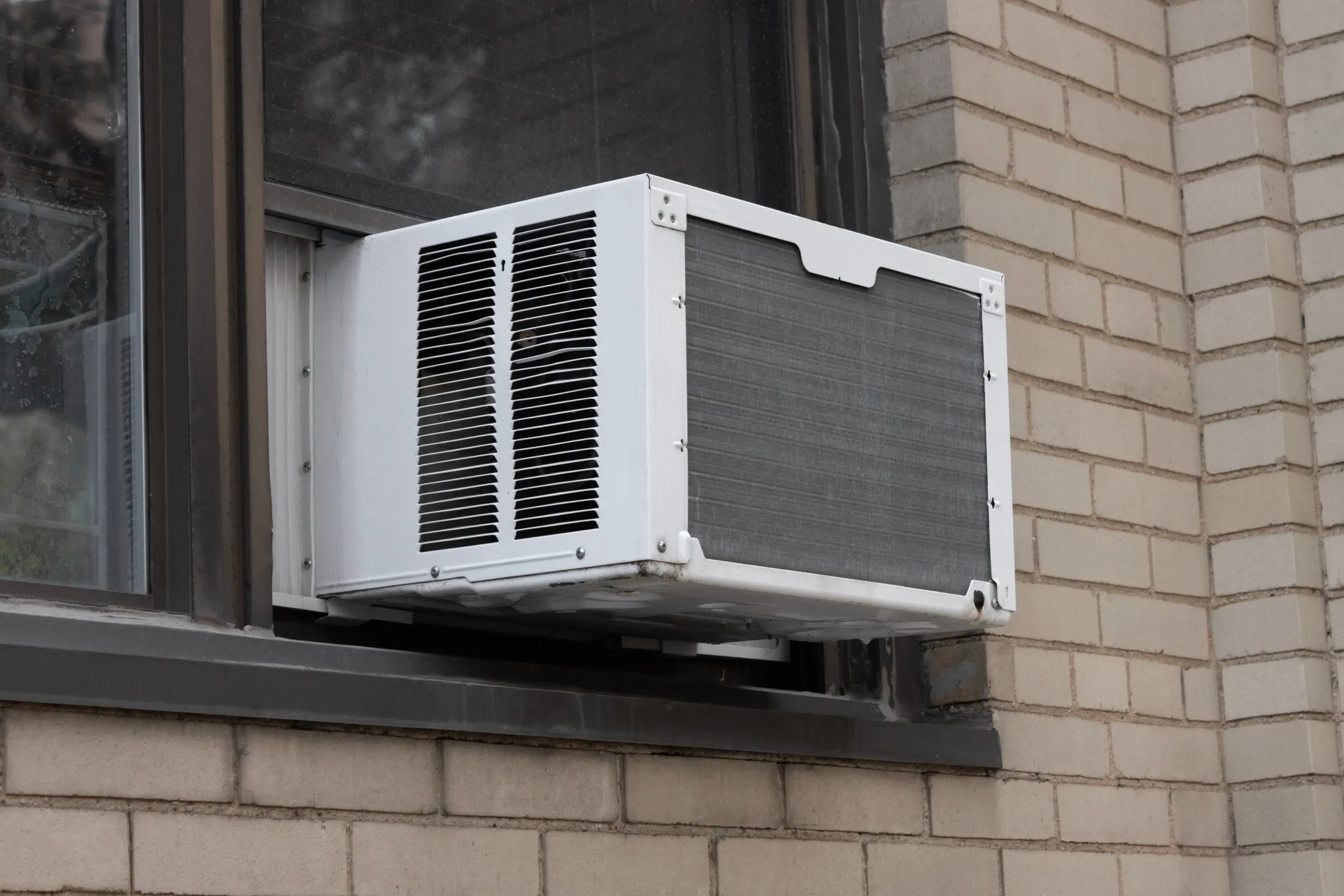
Window AC units are installed in a window or wall opening. They cool one room at a time. Some models are designed to run quietly.
Look for window ACs with sound ratings below 50 decibels for quiet operation. Features like insulated compressors reduce noise.
Split Ac Systems
Split AC systems have two parts: an indoor unit and an outdoor compressor. The compressor is outside, so indoor noise is low.
- Indoor unit runs quietly, often under 30 decibels
- Outdoor compressor noise is separated from living spaces
- Good for cooling multiple rooms with minimal sound
Portable Acs
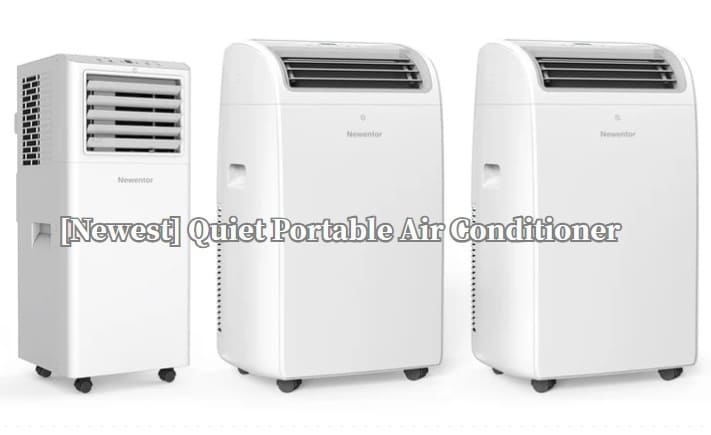
Portable ACs are easy to move and need no permanent installation. They tend to be louder than other types because all parts are inside.
| Model | Noise Level (dB) | Best Use |
| Portable AC A | 55 | Small Rooms |
| Portable AC B | 50 | Bedrooms |
| Portable AC C | 60 | Living Areas |
Ductless Mini-splits
Ductless mini-splits are similar to split systems but smaller. They offer quiet cooling with no ducts needed.
Mini-splits use inverter technology for smooth, quiet operation. They often run under 25 decibels inside.
Top Silent Air Conditioners Reviewed
Choosing a quiet air conditioner can make your home more peaceful. Noise can disturb sleep and relaxation.
This guide reviews top silent air conditioners. It covers window, split, and portable ACs with low noise levels.
Best Window Ac For Quiet Operation
Window air conditioners are easy to install and save space. Some models run very quietly, ideal for bedrooms.
Look for ACs with noise levels under 50 decibels. Features like variable fan speeds help reduce noise.
- Noise level: 40-50 dB is very quiet for window units
- Energy Star certified models often have quieter compressors
- Models with sleep mode reduce fan speed and noise at night
Quietest Split Ac Models
Split air conditioners have indoor and outdoor units. Indoor units usually operate very quietly.
Look for models with noise levels below 45 decibels inside. Inverter technology helps keep noise low.
- Indoor noise levels often range from 19 to 45 dB
- Inverter compressors adjust speed for quieter running
- Anti-vibration mounts reduce operational sounds
Portable Acs With Low Noise
Portable air conditioners are flexible but often louder. Some models focus on quiet operation.
Choose units with noise ratings under 55 decibels. Dual hose models usually run quieter than single hose.
- Noise levels between 50-55 dB are quiet for portable ACs
- Look for multiple fan speeds to lower noise at night
- Dual hose systems reduce pressure and noise
Energy Efficiency And Noise Balance
Efficient air conditioners save energy and often run quieter. Less power means less noise from the compressor.
Energy Star rated ACs balance noise and power use well. Choose models with inverter technology for smooth, quiet operation.
- Energy efficient units reduce electricity bills
- Lower compressor speed cuts down noise
- Inverter ACs adjust power to match cooling needs
Credit: newentor.com.au
Tips To Reduce Ac Noise
Air conditioner noise can disturb your peace at home. Quiet ACs make your space more comfortable.
This guide covers ways to reduce noise from your air conditioner effectively.
Proper Installation Techniques
Correct installation helps lower AC noise levels. Place the unit on a stable surface.
- Use vibration pads under the AC unit to absorb sound.
- Keep the unit away from bedroom walls to reduce noise impact.
- Ensure the unit is level to avoid extra vibrations.
- Install the outdoor unit in a shaded, well-ventilated area.
Regular Maintenance Practices
Maintaining your AC regularly prevents noise caused by dirt and wear.
| Maintenance Task | How It Reduces Noise |
| Clean or replace filters | Prevents airflow blockages that cause humming |
| Tighten loose parts | Stops rattling and clanking noises |
| Lubricate moving parts | Reduces friction noise from the motor |
| Clear debris from outdoor unit | Improves airflow and reduces strain noise |
Using Soundproofing Accessories
Soundproofing products help block and absorb AC noise effectively.
- Install acoustic panels around the outdoor unit to absorb sound.
- Use soundproof curtains near indoor AC vents.
- Add weatherstripping to windows and doors to block noise leaks.
- Place a noise barrier fence around the outdoor unit.
Choosing The Right Quiet Ac For Your Space
Finding a quiet air conditioner helps keep your space calm and cool. It is important to pick one that fits your room and needs.
Quiet ACs use special technology to reduce noise. This makes them great for bedrooms, offices, and study areas.
Room Size And Cooling Needs
Measure your room before choosing an AC. Bigger rooms need stronger units to cool well.
ACs with the right capacity run less and stay quiet. Too small units work harder and get noisy.
- Small rooms (up to 150 sq ft): 5,000–6,000 BTU
- Medium rooms (150–300 sq ft): 7,000–10,000 BTU
- Large rooms (300+ sq ft): 12,000+ BTU
Budget Considerations
Quiet ACs can cost more than regular models. Think about how much you want to spend before buying.
Look for energy-efficient models to save money on power bills. They may cost more at first but save money later.
- Set a clear budget before shopping
- Check energy ratings for savings
- Balance price with quietness and features
Additional Features For Comfort
Extra features can make your AC more comfortable and quiet. Look for modes like sleep or eco mode.
Some quiet ACs have smart controls to adjust settings without noise. Filters and timers add convenience too.
- Sleep mode lowers noise at night
- Eco mode saves energy and reduces sound
- Remote or app control for easy use
- Good filters improve air quality quietly

Credit: www.youtube.com
Frequently Asked Questions
What Makes An Air Conditioner The Quietest?
The quietest air conditioners use advanced compressor technology and sound-insulating materials. They operate at low decibel levels, reducing noise without sacrificing cooling performance. Variable speed compressors and well-designed fans also help minimize sound, making them ideal for bedrooms and offices.
Which Ac Type Is The Quietest For Home Use?
Ductless mini-split air conditioners are among the quietest for homes. Their compressors are located outside, significantly reducing indoor noise. Additionally, they feature variable speed fans that adjust to cooling needs, providing efficient and silent operation compared to window or portable AC units.
How Do Decibel Levels Affect Ac Noise?
Decibel levels measure sound intensity; lower decibels mean quieter operation. Most quiet air conditioners operate below 50 dB, which is comparable to a quiet conversation. Choosing an AC with low decibel ratings ensures minimal disturbance during sleep or work.
Are Inverter Air Conditioners Quieter Than Traditional Ones?
Yes, inverter air conditioners are generally quieter because they adjust compressor speed to match cooling demand. This reduces noise from frequent starts and stops typical in traditional ACs. The steady operation leads to smoother and quieter performance.
Conclusion
Finding a quiet air conditioner makes life more comfortable. Noise levels matter. Consider decibel ratings before buying. Lower numbers mean less noise. Brands like LG, Mitsubishi, and Daikin offer quiet options. Check reviews for real-life experiences. Energy efficiency is also important.
It saves money and benefits the environment. Look for Energy Star ratings. Installation affects noise too. Professional setup ensures optimal performance. Choose wisely, and enjoy a peaceful home.