Choosing a breast pump can feel hard and confusing. There are many types and brands. You want to find one that fits your life and needs. This guide will help you understand the different options. You will learn what to look for and how to pick the best pump for you.
Why Do You Need a Breast Pump?
A breast pump helps you get milk from your breasts. You may need one if you want to feed your baby with a bottle. Some mothers use pumps to increase milk supply. Others use them to relieve pain or fullness. A pump can also help if you go back to work or travel.
Knowing why you want a pump helps you choose the right one. Think about your daily routine and how often you will pump.
Types of Breast Pumps
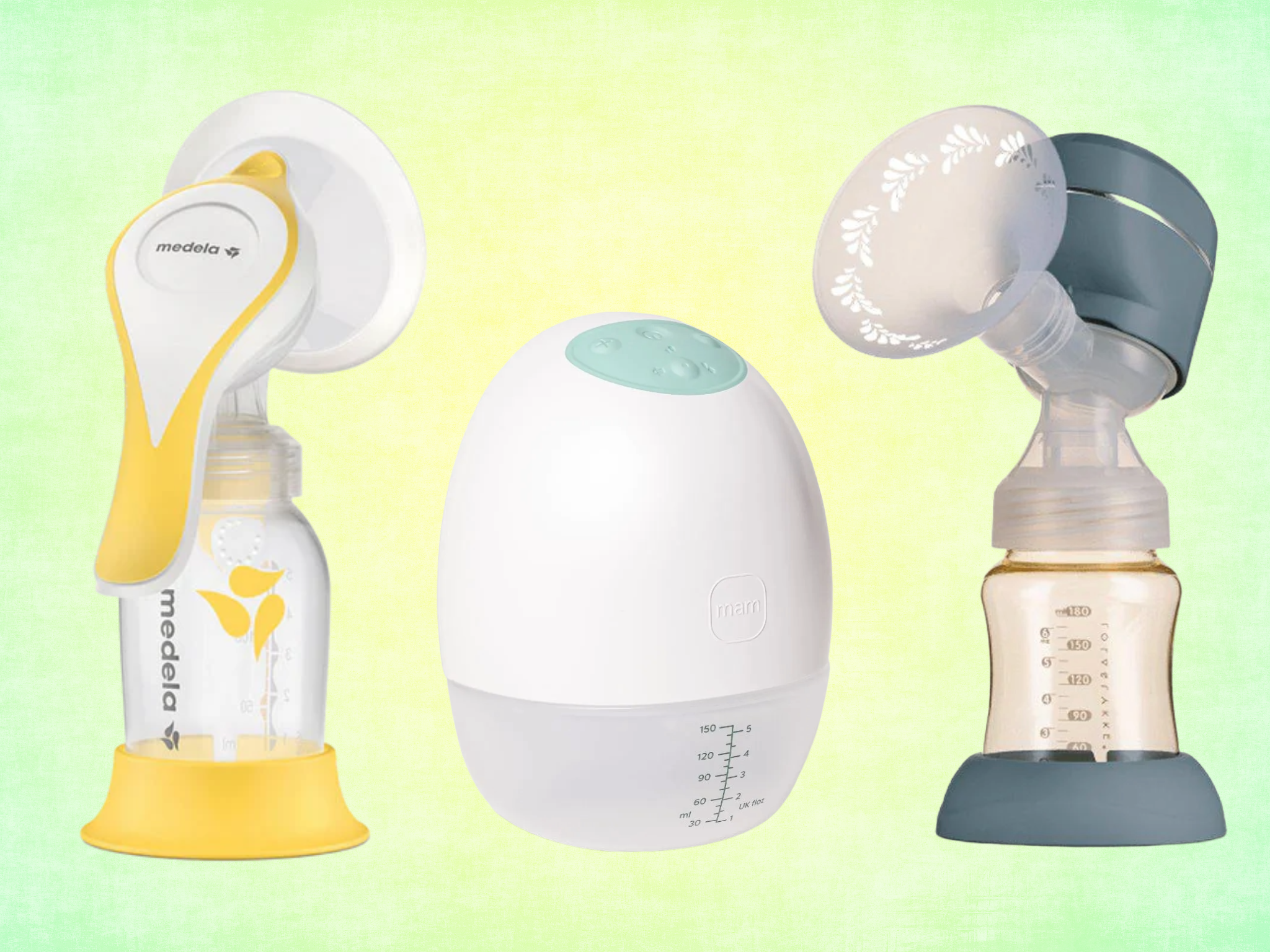
There are three main types of breast pumps:
- Manual Pumps
- Electric Pumps
- Hospital-Grade Pumps
Manual Pumps
Manual pumps work by hand. You squeeze a handle to make suction. They are small and light. You can use them anywhere. They are also the least expensive. But you have to pump by yourself, which can be tiring.
Best for moms who pump sometimes or need a pump for emergencies.
Electric Pumps
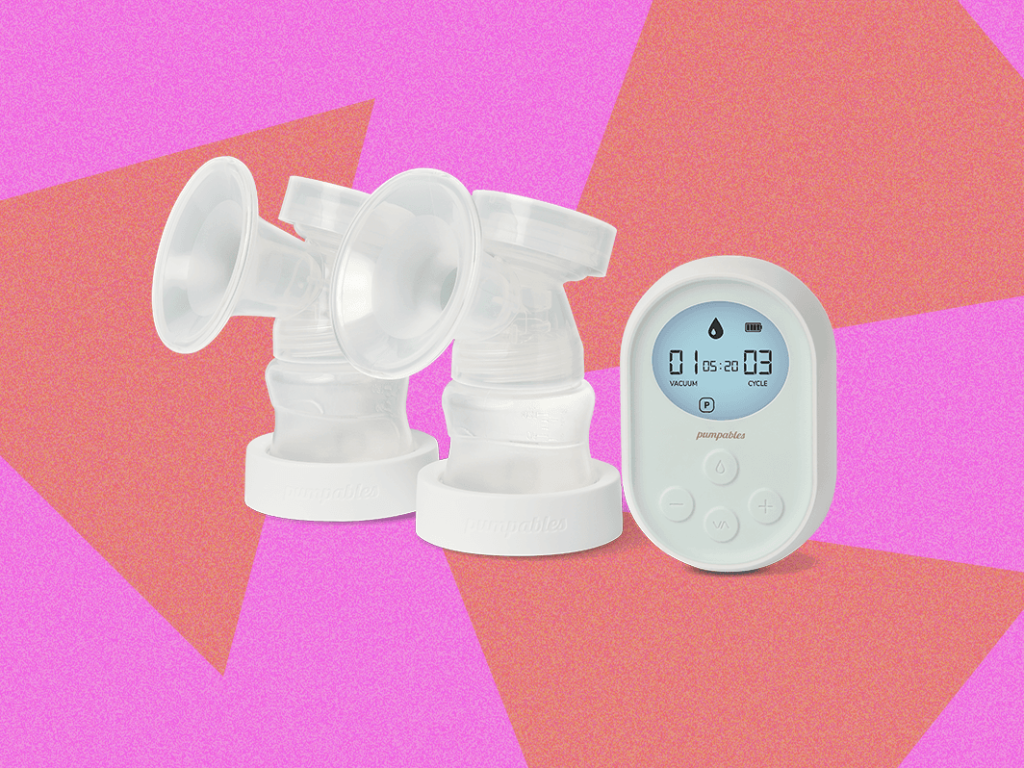
Electric pumps use power to create suction. They can be single or double pumps. Single pumps pump one breast at a time. Double pumps work on both breasts at once. Electric pumps save time and effort. They are good for regular use.
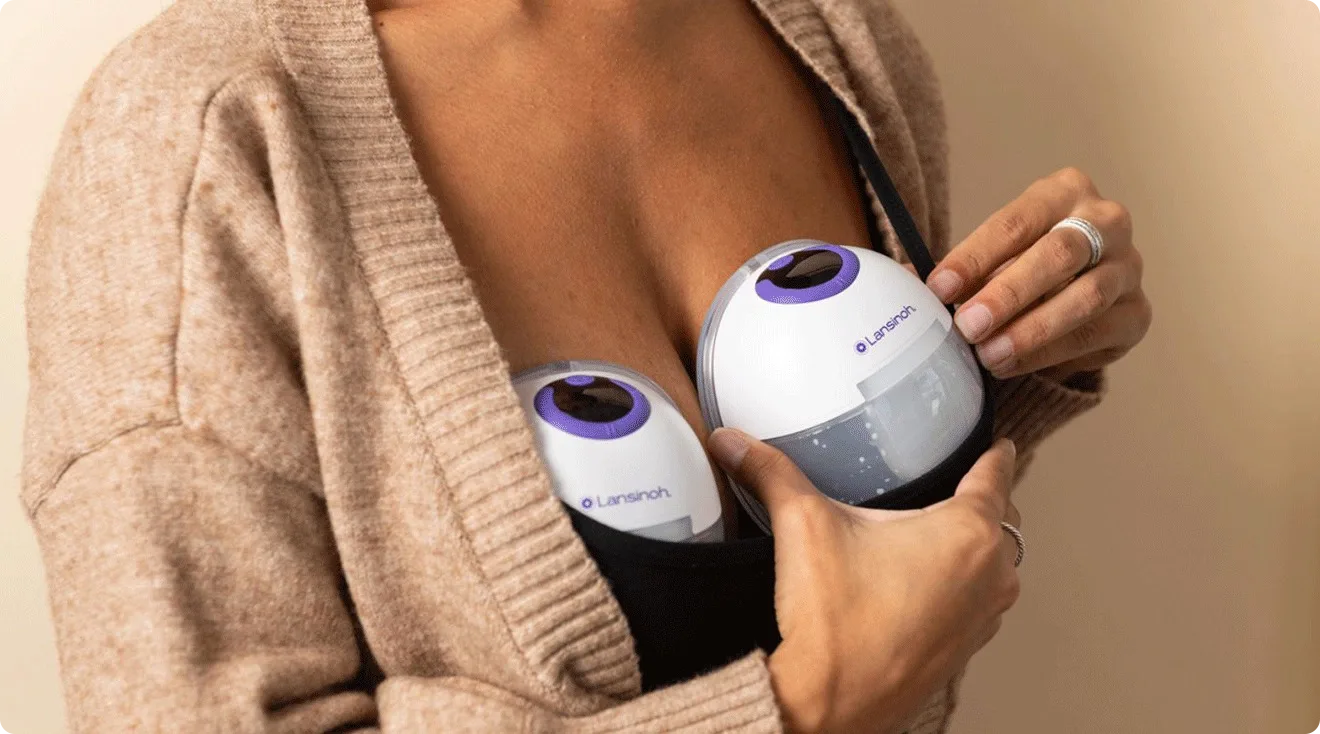
Some models are portable and have rechargeable batteries. This makes them easy to use on the go.
Hospital-grade Pumps
Hospital-grade pumps are very strong. They are used in hospitals and by moms with special needs. These pumps are expensive. They can be rented for home use. They are often the best choice for moms who pump a lot or have trouble with milk supply.
What to Consider When Choosing a Breast Pump
Before buying, think about these things:
| Factor | Why It Matters | What to Look For |
|---|---|---|
| Frequency of Use | How often you will pump milk. | Manual for occasional use. Electric for frequent use. |
| Portability | Do you need to pump outside home? | Look for lightweight and battery options. |
| Comfort | Pumping can take time and feel strange. | Choose soft flanges and adjustable suction. |
| Price | How much you want to spend. | Manual pumps are cheapest. Hospital-grade are costly. |
| Ease of Cleaning | Milk parts need good cleaning to stay safe. | Simple parts that come apart easily. |
| Noise Level | You may pump when baby sleeps or at work. | Look for quiet models if needed. |
| Warranty and Support | Helps if pump breaks or parts wear out. | Choose brands with good customer service. |
Credit: www.independent.co.uk
Manual vs. Electric Pumps: Which One Suits You?
If you pump less than once a day, a manual pump may work. They are easy to carry and simple. But they take more time and effort. You use your hand to squeeze and create suction.
Electric pumps are better for moms who pump often. They save time and are less tiring. Double electric pumps can pump both breasts at once. This cuts pumping time in half.
Electric pumps are more expensive. But they are faster and easier to use.
Single vs. Double Pumps
Single pumps work on one breast. They cost less but take longer. Double pumps work on both breasts at the same time. They are more expensive but save time.
If you pump many times daily, double pumps are better. They help keep your milk supply steady. For occasional pumping, single pumps may be enough.
Portable Breast Pumps for Moms on the Go
Some electric pumps are small and light. They have batteries or rechargeable power. This means you can pump anywhere. At work, in the car, or at a park.
Portable pumps give freedom and flexibility. But they may have less power than big electric pumps.
Comfort: Why It Matters
Comfort is very important. Pumping should not hurt. If it does, you may stop using the pump.
Look for pumps with soft, flexible flanges. Flanges are the parts that touch your breast. Adjustable suction helps you find a gentle setting.
Try to test pumps before buying if you can. Comfort can be different for every mom.
Cleaning and Maintenance
All pumps need cleaning. Milk can grow bacteria if parts are dirty. Look for pumps with simple parts. Parts that are easy to take apart and wash.
Some parts can go in the dishwasher. Others need hand washing. You should clean the pump parts after every use.
Price Range of Breast Pumps
Breast pumps vary in price. Here is a simple guide:
| Type | Price Range | Notes |
|---|---|---|
| Manual Pumps | $20 – $50 | Good for occasional use. |
| Electric Single Pumps | $100 – $200 | For regular use, one breast at a time. |
| Electric Double Pumps | $150 – $350 | Save time, pump both breasts simultaneously. |
| Hospital-Grade Pumps | $300 – $500 (rental) | Strong suction, for heavy use or milk issues. |
Other Features to Think About
- Battery Life: Good for portable pumps.
- Noise Level: Quiet pumps are better for night use.
- Size: Smaller pumps are easier to carry.
- Extra Parts: Some pumps come with extra bottles or bags.
- Warranty: A good warranty helps if the pump breaks.
How to Use a Breast Pump
Using a pump is simple. First, wash your hands well. Assemble the pump parts. Put the flange gently on your breast. Turn on the pump or start squeezing the handle. Start with low suction. Increase slowly until comfortable.
Try to relax while pumping. It helps milk flow better. Pump for about 15 minutes or until milk slows. Store the milk safely in clean bottles or bags.
Credit: www.thebump.com
Tips for Choosing the Right Breast Pump
- Think about how often you will pump.
- Choose a pump that fits your budget.
- Look for comfort and ease of cleaning.
- Check if you need a portable pump.
- Read reviews from other moms.
- Ask your doctor or lactation consultant for advice.
Frequently Asked Questions
What Types Of Breast Pumps Are Available?
There are manual, electric, and battery-operated breast pumps for different needs.
How To Choose The Best Pump For Daily Use?
Look for comfort, ease of use, and suction strength for regular use.
Are Double Electric Pumps Better Than Single Pumps?
Double pumps save time by pumping both breasts at once efficiently.
Can I Use A Breast Pump For Occasional Pumping?
Yes, manual or single electric pumps are good for occasional use.
Conclusion
Choosing the right breast pump is important. It makes feeding your baby easier. Think about your needs and lifestyle. Manual pumps are good for occasional use. Electric pumps are better for regular pumping. Hospital-grade pumps help moms with special needs.
Check comfort, price, and portability before you buy. Use the pump often and clean it well. This will help you and your baby enjoy feeding time.