Are you struggling to decide between a window air conditioner and a portable air conditioner for your space? Choosing the right cooling option can make a big difference in your comfort and energy bills.
You want something that cools quickly, fits your room, and is easy to use. But which one really cools better? You’ll discover the key differences, benefits, and drawbacks of both types. By the end, you’ll know exactly which air conditioner suits your needs best—and finally beat the heat without any guesswork.
Keep reading to find out!
Window Air Conditioner Basics
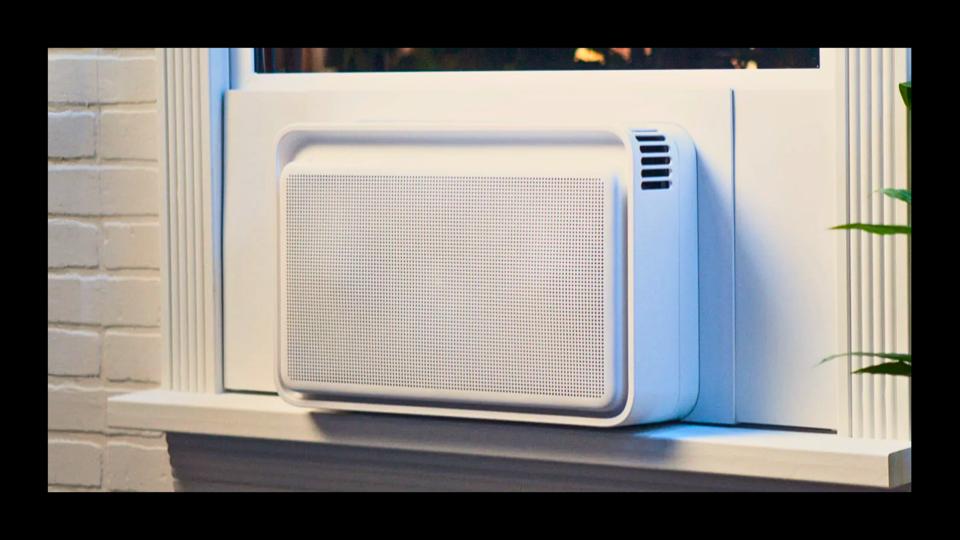
Window air conditioners are a common choice for cooling single rooms. They fit into a window frame, taking up little space inside the room.
These units work by pulling warm air from the room and blowing cool air back in. Understanding their design and features helps decide if they cool better than portable units.
Design And Installation
Window air conditioners have a compact design that fits in most standard windows. Installation requires mounting the unit securely and sealing gaps around it.
- Mounts in a window frame, saving floor space
- Needs proper sealing to prevent air leaks
- Requires some tools for installation
- Stable and fixed once installed
Cooling Capacity
Cooling capacity shows how much air a unit can cool. It is measured in BTUs (British Thermal Units). Higher BTUs cool larger rooms better.
| Room Size | Recommended BTUs |
| Up to 150 sq ft | 5,000 – 6,000 |
| 150 – 250 sq ft | 6,000 – 8,000 |
| 250 – 350 sq ft | 8,000 – 10,000 |
| 350 – 450 sq ft | 10,000 – 12,000 |
Energy Efficiency
Energy efficiency shows how well a unit cools without using much electricity. Window air conditioners often have an Energy Efficiency Ratio (EER) rating.
Tips to improve energy efficiency:
- Choose a unit with a high EER rating
- Keep windows and doors closed while running
- Clean or replace filters regularly
- Use curtains to block direct sunlight

Credit: www.popularmechanics.com
Portable Air Conditioner Features
Portable air conditioners offer a flexible way to cool rooms. They differ from window units in many features.
This article looks at key features like mobility, cooling, and power use of portable ACs.
Mobility And Setup
Portable air conditioners are easy to move. Most have wheels for simple relocation between rooms.
- No permanent installation needed
- Can be used in different rooms
- Requires venting through a window or wall
- Setup time is usually under 30 minutes
Cooling Performance
Cooling power varies by size and model. Portable units cool smaller areas compared to window ACs.
| Feature | Portable AC | Window AC |
| Cooling Area | Up to 400 sq ft | Up to 600 sq ft |
| BTU Range | 8,000 to 14,000 | 5,000 to 18,000 |
| Noise Level | 50-60 dB | 45-55 dB |
Power Consumption
Portable air conditioners often use more power than window units for the same cooling. This is due to design and efficiency.
Energy tips for portable AC users:
- Use energy saver mode if available
- Close doors and windows to keep cool air in
- Maintain filters for better airflow
- Turn off unit when not needed
Cooling Effectiveness Comparison
Choosing between a window air conditioner and a portable air conditioner depends on how well they cool your space. Both types cool rooms but work differently.
This comparison focuses on key factors that affect their cooling power and efficiency.
Room Size And Layout
Window air conditioners usually cool rooms faster in small to medium spaces. Portable units can work in various room sizes but may struggle in larger areas.
| Air Conditioner Type | Best Room Size | Notes |
| Window AC | Small to Medium | Mounts on window, seals well |
| Portable AC | Small to Large | Flexible placement, less sealed |
Airflow And Ventilation
Window units push hot air outside through the window, which helps keep cool air inside. Portable units need a vent hose to remove hot air but can lose cool air if not sealed properly.
- Window AC vents directly outside
- Portable AC uses a hose for venting
- Poor venting reduces cooling efficiency
- Good airflow improves comfort
Temperature Control
Most window and portable air conditioners have temperature settings and timers. Window units often have more precise controls and cool more evenly.
Portable units can be less consistent because they rely on room air circulation and can create hot spots.
Energy Efficiency And Costs
Choosing between a window air conditioner and a portable air conditioner depends on energy use and cost. Both cool rooms but use energy differently.
Understanding how much electricity they use and their expenses helps you save money and energy.
Electricity Usage
Window air conditioners generally use less electricity. They cool spaces by venting hot air outside efficiently.
Portable air conditioners use more power. They need extra energy to push hot air through a hose outside.
- Window units use about 500 to 1,500 watts.
- Portable units use about 900 to 1,600 watts.
- Window units cool rooms faster with less energy.
- Portable units may raise electricity bills more.
Operating Expenses
Window air conditioners cost less to run over time. They have fewer parts and simpler design.
Portable units can cost more to operate. They often need more maintenance and may use more electricity.
- Window ACs have lower electricity bills.
- Portable ACs may need filter cleaning more often.
- Repairs for portable units can be pricier.
- Window units usually last longer with less cost.
Environmental Impact
Window air conditioners have a smaller environmental footprint. They use energy more efficiently and last longer.
Portable air conditioners use more electricity, leading to more greenhouse gas emissions from power plants.
- Lower energy use means less pollution for window units.
- Portable units increase energy demand and emissions.
- Longer lifespan of window AC reduces waste.
- Choosing energy-efficient models helps the environment.
Installation And Maintenance
Choosing between a window air conditioner and a portable air conditioner involves thinking about installation and maintenance. Each type has different needs for setup and upkeep.
Understanding these differences helps you pick the best option for your space and lifestyle.
Ease Of Setup
Window air conditioners need a window for installation. You must fit the unit securely in the window frame. This can take some time and tools. Portable air conditioners only need a flat surface and a nearby window for the exhaust hose. They are easier to move and install.
- Window AC: Requires mounting in a window.
- Portable AC: Just place on the floor and connect the hose.
- Window AC: Usually more permanent installation.
- Portable AC: Can be moved between rooms easily.
Cleaning And Upkeep
Both types need regular cleaning to work well. Window air conditioners have filters that you remove and wash. Portable units also have filters, but some models need water tanks emptied if they have a dehumidifier function.
| Maintenance Task | Window AC | Portable AC |
| Filter Cleaning | Remove and wash every few weeks | Remove and wash regularly |
| Water Drainage | No water tank | Empty water tank if needed |
| Exhaust Hose | No hose | Check hose for blockages |
Durability And Lifespan
Window air conditioners tend to last longer because they are fixed in one place. Portable air conditioners may wear out faster due to moving around and hose connections.
- Window AC units usually last 8 to 12 years.
- Portable AC units last about 5 to 8 years.
- Careful maintenance can extend both lifespans.
Noise Levels And Comfort
Choosing between a window air conditioner and a portable air conditioner depends on noise and comfort. Both cool your space but sound levels can affect your daily life.
This guide helps you understand how noise impacts comfort for each type of air conditioner.
Sound Output
Window air conditioners often make more noise because they have larger compressors. Portable units are usually quieter but still produce some sound.
Noise levels vary depending on the brand and model, but window ACs can reach 55-65 decibels. Portable ACs often run around 50-60 decibels.
- Window ACs: louder due to external compressor
- Portable ACs: quieter but still noticeable
- Both types create a humming or fan noise
Impact On Sleep And Work
Noise from air conditioners can disturb sleep and reduce focus. Window ACs may cause more interruptions due to higher sound output.
Portable ACs are better for bedrooms or offices since they usually make less noise. Still, loud models can be distracting.
- Window AC noise can wake light sleepers
- Portable AC noise is less likely to disturb work
- Both types can affect concentration if too loud
Noise Reduction Tips
You can lower noise from both air conditioner types with some simple steps. These tips help create a quieter and more comfortable room.
- Place the unit on a soft surface to reduce vibrations
- Use weather stripping around window AC to block sound leaks
- Keep filters clean to avoid noisy operation
- Run the AC at lower settings for less noise
- Use a white noise machine to mask AC sound if needed
Suitability For Different Spaces
Choosing between a window air conditioner and a portable air conditioner depends on your space size and needs.
Each type cools differently and fits best in certain rooms or setups.
Apartments And Small Rooms
Window air conditioners usually fit well in apartments and small rooms. They mount on the window and cool the space efficiently.
Portable air conditioners work too but may take more floor space and can be less quiet.
- Window ACs save floor space
- Portable ACs are easy to move
- Window units often cool better in small rooms
Large Rooms And Open Areas
Large rooms need stronger cooling power. Window ACs with high BTU ratings are better for this.
Portable ACs may struggle to cool open areas fully but are useful for spot cooling.
| Type | Cooling Strength | Best Use |
|---|---|---|
| Window Air Conditioner | High | Large rooms, open areas |
| Portable Air Conditioner | Moderate | Small zones, spot cooling |
Temporary Vs Permanent Use
Window ACs usually stay in one place for a long time. They need installation on the window frame.
Portable ACs work well for short-term use or if you move often.
- Window AC: permanent setup, stable cooling
- Portable AC: easy to move, no installation needed
- Portable units need venting through a window or door

Credit: www.garvee.com
Cost Considerations
Choosing between a window air conditioner and a portable air conditioner involves looking at costs. Understanding initial and ongoing expenses helps make a smart decision.
Each type has unique costs that affect your budget differently over time. We will explore these costs in three key areas.
Initial Purchase Price
Window air conditioners usually cost less upfront than portable units. The price depends on size and cooling power. Portable air conditioners often come with a higher price tag because of their design and features.
- Window AC units start around $150 and can go up to $400.
- Portable AC units typically cost between $250 and $600.
- Installation costs for window units may add to the price.
- Portable units often need no installation fees.
Long-term Savings
Energy use affects your electric bill. Window air conditioners tend to be more energy-efficient than portable models. Over time, this can save money.
| Type | Average Energy Use (kWh) | Estimated Annual Cost |
| Window Air Conditioner | 500 | $60 |
| Portable Air Conditioner | 700 | $85 |
Value For Money
Value depends on how you use the unit. Portable units offer flexibility. Window units provide better cooling for the price.
- Window units cool rooms efficiently but stay in one place.
- Portable units can move to different rooms but use more power.
- Think about your space and how often you move the unit.
Common Issues And Troubleshooting
Both window and portable air conditioners can face problems that affect cooling. Understanding these common issues helps you fix them fast.
This guide covers performance problems, installation challenges, and maintenance tips for better cooling.
Performance Problems
Air conditioners may not cool well due to blocked filters, low refrigerant, or incorrect settings. These reduce airflow and cold air output.
- Dirty air filters block airflow and lower cooling power.
- Low refrigerant causes the unit to blow warm air.
- Incorrect thermostat settings prevent the unit from running properly.
- Leaky seals around window units let hot air inside.
- Portable units need proper venting to remove hot air.
Installation Challenges
Installing window or portable air conditioners can be tricky. Poor installation reduces efficiency and causes noise or leaks.
| Issue | Window AC | Portable AC |
| Improper sealing | Gaps around unit let warm air in | Incorrect window vent placement |
| Support problems | Unit may sag or fall without proper brackets | Vent hose kinks or stretches too far |
| Drainage issues | Water may leak inside if not angled properly | Condensate tank may overflow if not emptied |
Maintenance Tips
Regular care keeps air conditioners running well and cool longer. Simple tasks prevent many common problems.
- Clean or replace air filters every month during use.
- Check and clear the vent hose on portable units.
- Inspect window seals and use weather stripping if needed.
- Drain water from portable AC tanks frequently.
- Schedule professional service yearly to check refrigerant and parts.
Choosing The Right Option
Deciding between a window air conditioner and a portable air conditioner can be tricky. Both cool your room but have different features.
Think about what fits your space and needs before choosing one. This guide helps you decide based on key factors.
Personal Needs And Preferences
Consider the size of the room and how often you will use the air conditioner. Window units fit well in fixed spaces. Portable units offer flexibility for moving between rooms.
- Window AC cools larger rooms effectively.
- Portable AC can be moved to different rooms.
- Window AC requires an available window for installation.
- Portable AC needs space to vent hot air through a window or door.
Budget Constraints
Price varies between window and portable air conditioners. Also, consider installation and running costs over time.
| Type | Initial Cost | Installation Cost | Electricity Use |
| Window AC | Lower | May need professional help | Generally efficient |
| Portable AC | Higher | Usually no installation needed | Can be less efficient |
Lifestyle Factors
Your lifestyle affects which air conditioner fits best. Think about noise, space, and maintenance needs.
- Window ACs tend to be quieter since part of the unit is outside.
- Portable ACs take up floor space and may be noisier.
- Window units need proper sealing to avoid air leaks.
- Portable units require regular emptying of water collected from humidity.

Credit: www.youtube.com
Frequently Asked Questions
Which Cools Better, Window Or Portable Air Conditioner?
Window air conditioners generally cool rooms more efficiently than portable units. They have better airflow and energy efficiency. Portable ACs offer flexibility but usually have lower cooling power and higher noise levels.
Are Window Air Conditioners More Energy-efficient?
Yes, window air conditioners are typically more energy-efficient. They use less electricity and cool spaces faster. Portable units often consume more power due to less effective heat exhaust systems.
Can Portable Air Conditioners Cool Large Rooms Effectively?
Portable air conditioners struggle to cool large rooms efficiently. They work best in small to medium-sized spaces. For larger areas, window units or central AC systems are usually better options.
Do Window Air Conditioners Require Professional Installation?
Window air conditioners usually need simple installation by the user but may require professional help for large units. Portable ACs are easier to set up without professional assistance.
Conclusion
Choosing between a window or portable air conditioner depends on your needs. Window units cool rooms quickly and save energy. Portable units offer flexibility and easy setup. Both types have pros and cons to consider. Think about room size, budget, and where you want to place the unit.
The right choice helps you stay cool and comfortable. Simple and clear decisions make summer days easier.