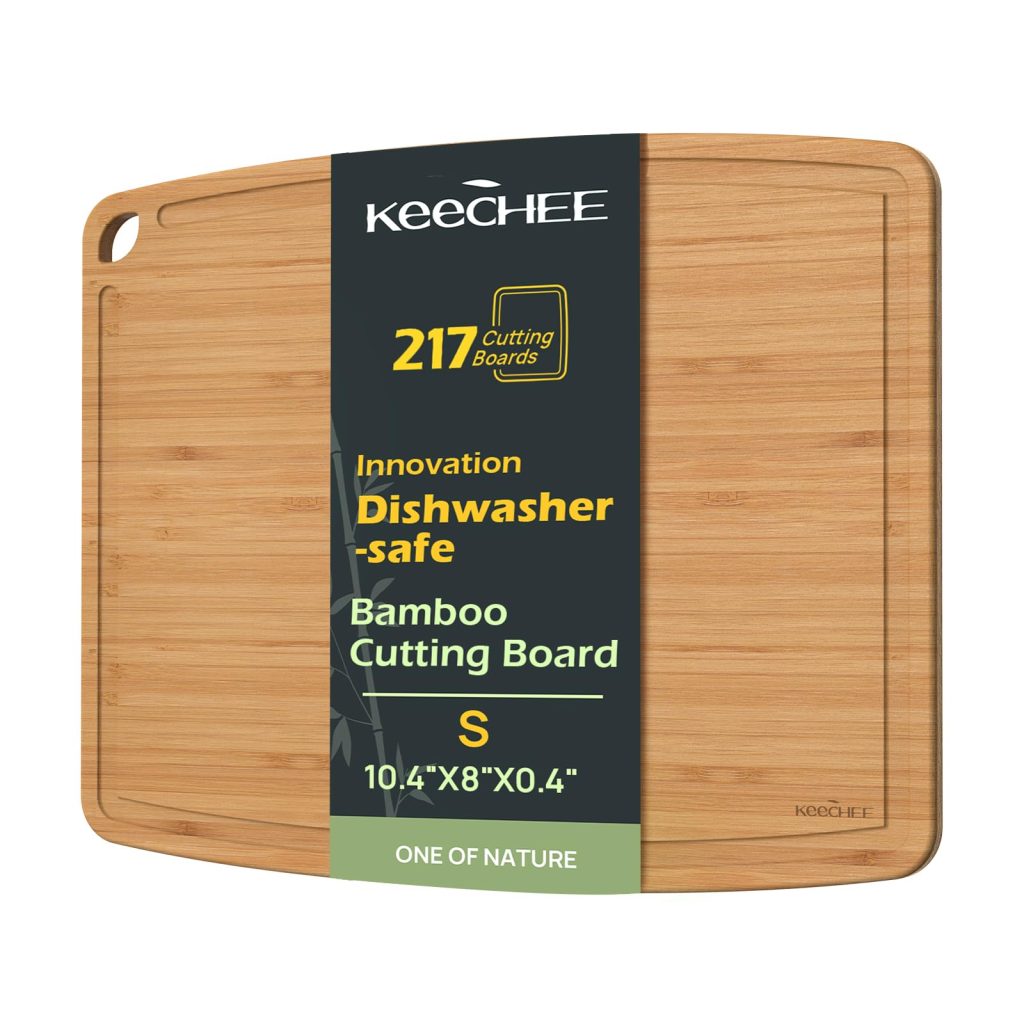
When it comes to preparing food, the cutting board you choose can affect more than just your cooking experience—it can impact your health. You might think all cutting boards are the same, but some materials hide bacteria better, last longer, and keep your kitchen safer.
If you want to protect yourself and your family from foodborne illnesses, knowing which cutting boards are the safest is a must. Keep reading, and you’ll discover simple tips to pick the perfect cutting board that fits your needs and keeps your meals clean and healthy.

Credit: finance.yahoo.com
Material Types
Choosing a safe cutting board is important for food hygiene. Different materials affect how clean and safe your board stays.
This guide explains common cutting board materials. It helps you pick the safest option for your kitchen.
Wooden Boards
Wooden cutting boards are popular and natural. They resist bacteria because wood fibers absorb moisture and trap germs.
They require regular oiling to stay smooth and prevent cracking. Avoid soaking them in water.
Plastic Boards
Plastic boards are light and easy to clean. They do not absorb moisture, so they dry quickly.
- Safe for dishwasher cleaning
- Can develop deep cuts which may harbor bacteria
- Replace when worn or heavily scratched
Bamboo Boards
Bamboo boards are eco-friendly and hard. They resist knife marks better than soft wood.
Bamboo is less porous than wood, making it less likely to hold bacteria. It needs less oiling than wooden boards.
Glass And Acrylic Boards
Glass and acrylic boards are non-porous and easy to clean. They do not absorb bacteria or odors.
They can dull knives quickly and may crack or chip. Use them mainly for cutting cooked food or serving.
Composite Boards
Composite boards mix wood fibers with resin. They are strong and resistant to moisture.
| Feature | Benefit |
| Durability | Long-lasting and resists warping |
| Hygiene | Non-porous surface resists bacteria |
| Maintenance | Easy to clean with soap and water |
| Knife Friendly | Gentle on knife edges |
Health Risks
Choosing the right cutting board is important for your health. Some boards can hold bacteria or chemicals. This can cause food poisoning or other health problems.
We will look at three main risks: bacterial growth, cross-contamination, and chemical concerns. Knowing these can help you pick safer cutting boards.
Bacterial Growth
Bacteria grow easily on cutting boards that have deep cuts or are made from porous materials. Wooden boards can trap bacteria if not cleaned well. Plastic boards can also develop grooves where germs hide.
- Use boards that are easy to clean and do not soak up liquids.
- Replace boards that have many deep cuts or cracks.
- Wash boards thoroughly with hot soapy water after each use.
Cross-contamination
Cross-contamination happens when bacteria move from one food to another. Using the same cutting board for raw meat and vegetables can spread germs. Color-coded boards can help avoid this problem.
| Color | Food Type |
| Red | Raw Meat |
| Green | Vegetables |
| Blue | Fish and Seafood |
| Yellow | Cooked Meat |
Chemical Concerns
Some cutting boards are made with chemicals that can be harmful. Plastic boards may contain BPA or other toxins. Wooden boards with finishes or treatments can also release chemicals into food.
- Choose boards labeled BPA-free or food-safe.
- Avoid boards with shiny finishes or strong smells.
- Consider natural wood or bamboo boards without chemicals.
Cleaning And Maintenance
Keeping cutting boards clean helps stop germs from spreading. Regular care also makes boards last longer.
Different boards need different cleaning methods to stay safe and strong.
Proper Cleaning Techniques
Wash cutting boards right after use. Use hot, soapy water and a sponge or brush. Rinse well and dry completely.
- Use separate boards for meat and vegetables to avoid cross-contamination.
- Scrub boards with a stiff brush to remove food particles.
- Dry boards standing up to air dry fully.
- Avoid soaking wooden boards in water to prevent warping.
Sanitizing Methods
Sanitize cutting boards to kill bacteria after cleaning. Use safe household products or natural options.
| Sanitizing Method | How to Use | Notes |
| Bleach Solution | 1 tablespoon bleach in 1 gallon water, soak 2 minutes | Rinse well after |
| White Vinegar | Spray or wipe on board, let sit 5 minutes | Natural and safe |
| Hydrogen Peroxide | Apply 3% solution, let bubble 10 minutes | Rinse before use |
| Dishwasher | Use if board is dishwasher-safe | Good for plastic boards |
Avoiding Damage
Keep cutting boards safe by avoiding actions that cause cracks or warping.
- Do not put wooden boards in the dishwasher; heat can crack them.
- Do not use harsh scrubbers that can scratch the surface.
- Oil wooden boards regularly with food-safe mineral oil to prevent drying.
- Replace boards that have deep cuts or cracks to avoid bacteria buildup.
Durability And Lifespan
Choosing the safest cutting boards means looking at how long they last. Durability affects safety and hygiene over time.
A durable cutting board resists damage and stays smooth. This helps keep your food safe from bacteria.
Wear And Tear
Cutting boards face constant use and knife marks. Wear and tear can cause grooves that trap bacteria.
Boards made of hard wood or high-quality plastic last longer. They resist deep cuts better than soft materials.
- Hardwoods like maple and walnut handle wear well
- Plastic boards with dense surfaces resist cuts
- Soft woods wear out quickly and need replacement
Resistance To Cracks
Cracks can form from drying, impact, or heavy use. They are hard to clean and can hold germs.
Boards that resist cracking keep food safe longer. Materials like bamboo and plastic usually resist cracks well.
- Bamboo boards resist cracking due to strong fibers
- Plastic boards flex slightly to avoid cracks
- Wood boards need proper care to prevent cracks
Impact On Safety
Worn or cracked boards can hide bacteria and cause cross-contamination. This risks foodborne illness.
Using durable, crack-resistant boards helps keep your kitchen safer. Clean boards reduce the chance of germs.
- Smooth surfaces are easier to clean
- Less damage means fewer places for bacteria
- Replacing damaged boards improves food safety
Environmental Impact
Choosing safe cutting boards also means thinking about the environment. Some materials harm nature more than others. It is important to pick cutting boards that protect our planet.
We will look at how materials affect the environment and which choices are eco-friendly. This helps you make a smart and safe choice for your kitchen.
Sustainability Of Materials
Cutting boards come from many materials. Some are natural, some are synthetic. Natural materials like wood can be renewable if harvested well. Plastic boards usually come from fossil fuels, which harm the environment.
- Wood is biodegradable and renewable
- Bamboo grows fast and is easy to replace
- Plastic boards are made from non-renewable resources
- Composite boards mix wood fibers with resin
- Glass and metal boards have high energy costs to produce
Eco-friendly Choices
| Material | Environmental Benefit | Consideration |
|---|---|---|
| Wood | Renewable, biodegradable | Needs responsible sourcing |
| Bamboo | Fast-growing, sustainable | Check for chemical treatments |
| Plastic | Durable, low initial cost | Not biodegradable, fossil fuel-based |
| Composite | Uses wood waste | Contains resin, harder to recycle |
| Glass/Metal | Long-lasting | High energy to produce, not biodegradable |
Credit: vocal.media
Choosing The Right Board
Choosing the right cutting board helps keep your kitchen safe and clean. Different boards suit different needs and preferences.
It is important to think about how you will use the board. This guide covers purpose, budget, and personal choice.
Purpose And Usage
Cutting boards serve different roles. Some are better for meat, others for vegetables or bread. Using the right board avoids cross-contamination.
- Wood boards absorb less bacteria if cleaned well
- Plastic boards are easy to sanitize
- Bamboo boards are hard and resist knife marks
- Glass boards are hygienic but can dull knives
Budget Considerations
Cutting boards come in many price ranges. Some last longer and need less care, which can save money over time.
| Type | Price Range | Durability |
| Plastic | Low | Moderate |
| Wood | Medium | High |
| Bamboo | Medium | High |
| Glass | Medium to High | Low |
Personal Preferences
Some people like the feel and look of wood. Others want easy cleaning or lightweight boards. Your choice depends on your kitchen style and habits.
Consider these factors:
- Weight and size of the board
- Ease of cleaning and maintenance
- How it looks in your kitchen
- Knife friendliness

Credit: www.mychemicalfreehouse.net
Frequently Asked Questions
What Materials Are Safest For Cutting Boards?
Wood, bamboo, and plastic are considered safe materials for cutting boards. Wood has natural antibacterial properties and is gentle on knives. Bamboo is eco-friendly and durable. Plastic is easy to clean and dishwasher safe. Regular cleaning and maintenance of any cutting board are crucial for safety.
Are Wooden Cutting Boards Hygienic?
Yes, wooden cutting boards are hygienic when properly maintained. They have natural antibacterial properties that help prevent bacterial growth. Regularly clean them with hot, soapy water and let them air dry. Avoid soaking them in water to prevent warping. Regular oiling helps maintain their condition.
How Often Should I Replace Cutting Boards?
Replace cutting boards every few years or when they become deeply scarred. Deep grooves can harbor bacteria, making them unsafe. Regular inspection for signs of wear and tear is essential. If you notice odors, stains, or persistent knife marks, it’s time for a replacement.
Is Bamboo Better Than Plastic For Cutting Boards?
Bamboo is eco-friendly and more durable than plastic. It resists knife scarring and is gentle on blades. Bamboo cutting boards are also lightweight and easy to maintain. Plastic boards are dishwasher safe but can develop deep grooves over time. Both have advantages, depending on personal preference.
Conclusion
Choosing the safest cutting board helps keep your kitchen clean and healthy. Wood and plastic boards both have pros and cons. Wood resists bacteria well but needs good care. Plastic boards are easy to clean and dishwasher safe. Always replace boards with deep cuts or stains.
Clean your cutting boards regularly with hot water and soap. Use separate boards for meat and vegetables to avoid germs. Safe cutting boards protect your food and family. Simple steps make a big difference in kitchen safety. Keep your cutting boards in good shape to cook with confidence.