Are you sure your food is stored the right way in your fridge? Knowing which food has been refrigerated correctly can protect you and your loved ones from foodborne illnesses.
Imagine reaching for leftovers only to wonder if they’re still safe to eat. You’ll discover simple tips to spot properly refrigerated food and avoid common mistakes that could spoil your meals or harm your health. Keep reading to make your fridge a safer place for your food—and your family.
Signs Of Proper Refrigeration
Proper refrigeration keeps food safe and fresh for longer. It prevents bacteria growth and spoilage. Knowing the signs of correct refrigeration helps avoid eating spoiled food. These signs include the right temperature, packaging, and the food’s appearance.
Temperature Guidelines
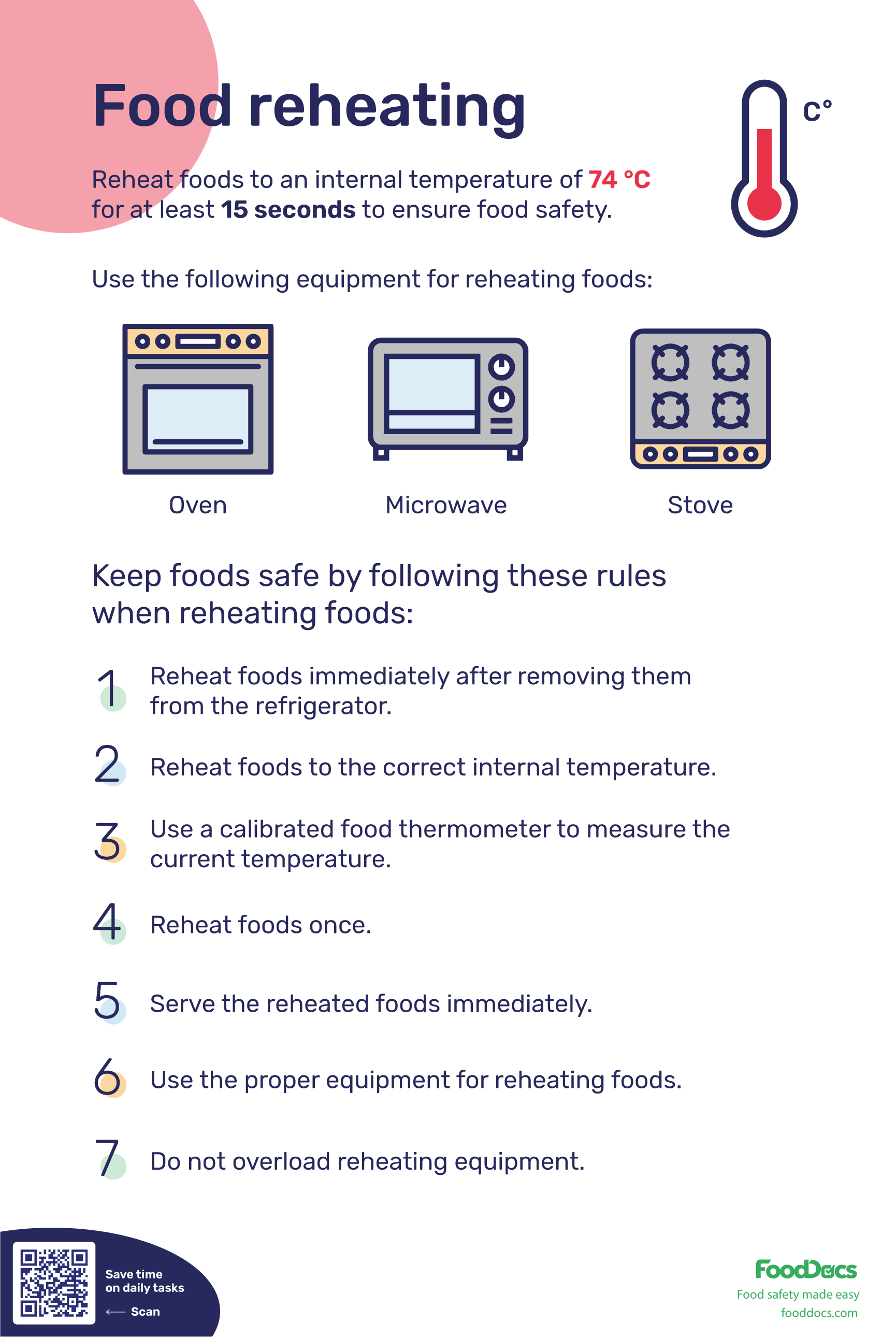
The fridge should stay between 34°F and 40°F (1°C to 4°C). This range slows down bacteria growth. A thermometer inside the fridge helps check the temperature. Food stored above 40°F can spoil quickly. Freezer temperature should be 0°F (-18°C) or lower.
Packaging Integrity
Food must be sealed tightly to avoid air and moisture. Look for sealed containers or wrapped food without tears. Damaged packaging lets bacteria enter and food dries out. Vacuum-sealed packages keep food fresh the longest. Avoid containers with loose lids or broken seals.
Appearance And Texture
Fresh food looks natural with no signs of spoilage. Check for mold, discoloration, or slimy surfaces. Properly refrigerated meat is firm and moist, not sticky. Vegetables stay crisp, not wilted or soggy. If food smells off or feels sticky, it may be spoiled.

Credit: www.womensweekly.com.au
Common Refrigeration Mistakes
Many people make simple mistakes that harm food quality and safety in the fridge. These errors cause faster spoilage and food waste. Learning common refrigeration mistakes helps keep food fresh longer and safer to eat.
Overcrowding The Fridge
Putting too much food inside blocks air circulation. Cold air cannot reach all items evenly. This causes some foods to stay warm and spoil faster. Leave space between items for proper cooling. Avoid stuffing the fridge to keep food fresh.
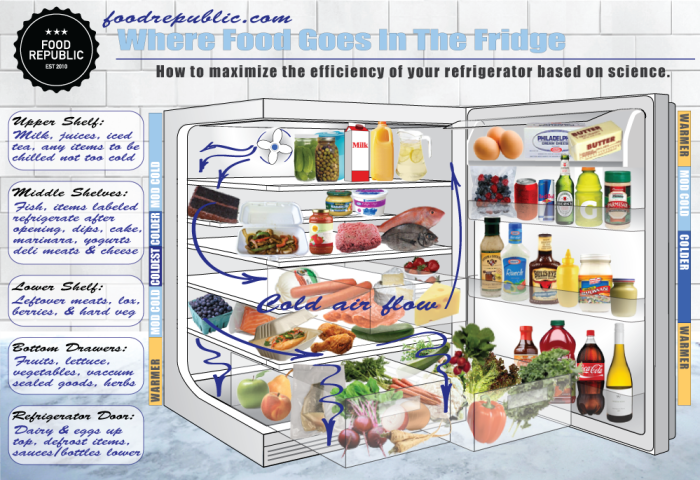
Improper Storage Zones
Different fridge areas have different temperatures. Some spots are colder, others warmer. Placing food in the wrong zone can cause quick spoilage. Store raw meat on the bottom shelf to prevent drips. Keep fruits and vegetables in the crisper drawers for best freshness.
Ignoring Expiry Dates
Many ignore or forget expiration dates on packages. Eating expired food risks illness and bad taste. Always check dates before storing. Use older items first to reduce waste. Expiry dates guide safe food consumption and storage time.
Food Types And Storage Tips
Proper refrigeration keeps food fresh and safe to eat. Understanding how to store different food types can extend their shelf life. This guide provides practical tips for refrigerating common foods.
Meat And Seafood
Store meat and seafood on the bottom shelf. Keep them in sealed containers to prevent leaks. Raw meats should be used within a few days. Freeze if not consumed promptly. Seafood should be stored on ice or in the coldest part of the fridge.
Dairy Products
Dairy products like milk should be stored in the main fridge compartment. Avoid placing them in the door; it’s the warmest spot. Use airtight containers for cheese. Consume dairy products before their expiration date for best quality.
Fruits And Vegetables
Store fruits and vegetables in separate drawers. Some fruits emit gases that can spoil vegetables. Keep berries in their original packaging. Wash fruits and vegetables just before eating to prevent moisture buildup. Leafy greens should be kept in perforated bags to maintain freshness.
Credit: www.fooddocs.com
Using Thermometers Effectively
Using thermometers effectively is key to ensuring food stays fresh and safe in the fridge. A thermometer shows the exact temperature, helping prevent spoilage. It also stops bacteria from growing on your food. Understanding how to choose and use a thermometer keeps your food stored correctly.
Choosing The Right Thermometer
Pick a thermometer designed for refrigerators. Digital thermometers are easy to read and accurate. Some models have probes to check food temperature directly. Look for a device with a clear display and simple controls. Avoid old or broken thermometers that might give wrong readings.
Monitoring Fridge Temperature
Place the thermometer in the middle shelf for the best reading. Check the temperature daily to catch any changes early. The fridge should stay between 34°F and 40°F (1°C to 4°C). Write down the readings to track consistency. If the temperature rises, food safety could be at risk.
Adjusting Settings For Safety
Use the thermometer’s reading to adjust your fridge settings. Turn the dial colder if the temperature is above 40°F (4°C). Avoid setting it too cold to prevent freezing soft foods. Check again after adjusting to confirm the new temperature. Maintain a stable temperature to keep food fresh longer.
Preventing Cross-contamination
Preventing cross-contamination is key to keeping food safe in the fridge. It stops harmful bacteria from spreading between foods. Proper storage and cleaning help maintain freshness and health.
Separating Raw And Cooked Foods
Keep raw meats, poultry, and seafood on the bottom shelves. This prevents their juices from dripping onto ready-to-eat foods. Store cooked foods on higher shelves or in sealed containers. Use separate cutting boards and utensils for raw and cooked items to avoid mix-ups.
Cleaning Storage Containers
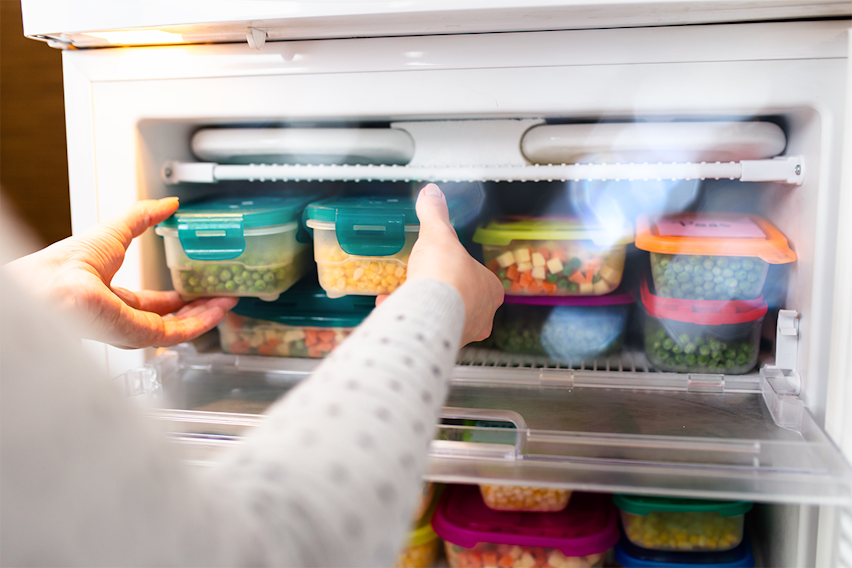
Use clean containers with tight lids to store food. Wash containers thoroughly before reuse to remove bacteria. Avoid using cracked or damaged containers as they can harbor germs. Glass or BPA-free plastic containers are best for safe storage.
Regular Fridge Maintenance
Clean the fridge shelves and drawers regularly. Wipe spills immediately to stop bacteria growth. Check expiry dates and throw away old or spoiled food. Keep the fridge temperature below 40°F (4°C) to slow bacteria growth and keep food fresh.
Credit: erudus.com
Frequently Asked Questions
Which Foods Stay Fresh Longest When Refrigerated?
Fresh vegetables, dairy products, and cooked meats last longest in refrigerators. Proper storage in airtight containers helps maintain freshness and safety.
How To Tell If Food Is Refrigerated Correctly?
Check for consistent cold temperature (below 40°F/4°C). Food should be sealed well, and no signs of spoilage like odor or mold should be present.
Can All Fruits Be Refrigerated Safely?
Not all fruits should be refrigerated. Berries and apples do well in cold, but bananas and tomatoes lose flavor and texture when chilled.
Why Is Proper Refrigeration Important For Food Safety?
Correct refrigeration slows bacterial growth, preventing foodborne illnesses. It also preserves taste, texture, and nutritional value of foods.
Conclusion
Proper refrigeration keeps food fresh and safe to eat. Cold temperatures slow down bacteria growth. Foods like dairy, meat, and leftovers need quick cooling. Store fruits and vegetables in separate drawers to stay fresh longer. Check expiration dates regularly and discard spoiled items.
Clean your fridge often to avoid bad smells and germs. Good habits help reduce food waste and save money. Keep your food cold and enjoy meals without worry. Safe storage protects your health and your family’s well-being. Simple steps make a big difference every day.