Have you ever wondered how plants keep their energy ready for tough times? Understanding which parts of a plant involve food storage can change the way you see the green world around you.
This knowledge isn’t just for scientists—it can help you grow healthier plants and appreciate nature’s hidden tricks. Keep reading, and you’ll discover the amazing ways plants save their food and why it matters to you.
Credit: spoonfuls.org
Types Of Food Storage In Plants
Plants store food to use when they need energy. This helps them grow and survive during tough times.
There are different types of food storage in plants. The main types are starch, oil, and protein storage.
Starch Storage
Starch is the most common food stored in plants. It is a carbohydrate that plants make from sugars.
Plants store starch in parts like roots, tubers, and seeds. This stored starch gives energy when the plant grows.
Oil Storage
Some plants store food as oil. Oils have more energy than starch and are found in seeds and fruits.
- Oils are light and easy to store.
- They provide energy for seed germination.
- Examples include sunflower seeds and olives.
Protein Storage
Proteins are another form of food storage in plants. They help in growth and repair of plant cells.
| Plant Part | Type of Stored Food | Function |
| Seeds | Protein | Supports seed growth |
| Roots | Starch | Energy reserve |
| Fruits | Oil | Energy source |
Plant Organs That Store Food
Plants store food in different parts of their bodies. This stored food helps plants survive tough times. It also supports growth and reproduction.
Food storage happens mainly in roots, stems, seeds, and fruits. Each part has a special way to keep food safe.
Roots As Storage Organs
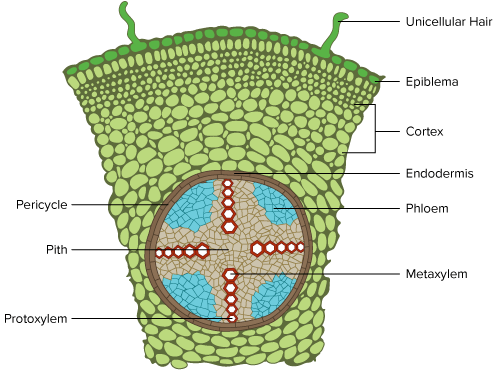
Roots often store food in the form of starch. They grow larger to hold more food. Carrots, beets, and radishes are examples.
These roots provide energy for the plant during winter or dry seasons. Animals also eat these roots for nutrition.
- Carrot stores sugar and starch
- Beetroot holds pigments and nutrients
- Sweet potato stores starch
Stems And Tubers
Some plants store food in their stems. Tubers are thickened stems that hold starch. Potatoes are common tubers.
These stems help plants survive cold or dry times. They also help new plants grow from old ones.
- Potato stores starch in tubers
- Ginger stores food in underground stems
- Onion stores food in fleshy stem bases
Seeds And Fruits
Seeds store food to feed the growing baby plant. This food is usually starch, oils, or proteins. It helps the seed sprout.
Fruits protect seeds and sometimes store food too. Fruits attract animals that spread seeds to new places.
- Beans store protein in seeds
- Sunnflower seeds store oil
- Apples store sugars in fruit
Cellular Structures For Storage
Plants store food in specialized structures within their cells. These structures help plants survive when resources are low.
Understanding these structures helps us learn how plants manage energy and nutrients. Let’s explore some key storage structures in plant cells.
Amyloplasts And Starch Grains
Amyloplasts are special plant cell organelles. They store starch, a type of carbohydrate. Starch grains are found inside these amyloplasts.
Plants convert sugar into starch for storage. When needed, they break down starch back into sugar for energy.
- Amyloplasts are found in tubers, seeds, and roots.
- Starch grains vary in size and shape.
- They are key for energy storage in plants.
Oil Bodies In Cells
Oil bodies are another storage structure in plant cells. They store lipids, which are fats and oils. These are important for energy and cell membrane structure.
Oil bodies are small and round. They have a membrane that keeps the oil separate from the rest of the cell.
- Found in seeds like sunflower and soybean.
- Provide energy for seed germination.
- Help in long-term energy storage.
Protein Bodies
Protein bodies store proteins in plant cells. They are important for growth and development. Proteins are broken down into amino acids when needed.
These structures are often found in seeds. They help young plants grow by providing essential nutrients.
- Common in legumes like beans and peas.
- Essential for seedling development.
- Contain enzymes for protein digestion.

Credit: www.mdpi.com
Functions Of Food Storage In Plants
Plants store food in different parts to use later. This stored food helps plants grow and survive. It also supports reproduction.
Food storage is important for plants to manage energy and face changes in the environment.
Energy Reserve For Growth
Plants save food as starch or sugars in roots, stems, or leaves. This stored energy helps new shoots and roots grow fast. It supports growth during the early stages.
- Provides energy for seed germination
- Supports root and shoot development
- Helps plants grow when photosynthesis is low
Survival During Adverse Conditions
Stored food helps plants survive in bad weather. During drought or cold, plants use this reserve for energy. It keeps them alive until conditions improve.
| Condition | Role of Food Storage |
| Drought | Energy supply when water is scarce |
| Winter | Supports metabolism despite low sunlight |
| Soil Nutrient Deficiency | Provides nutrients for survival |
Support For Reproduction
Food storage helps plants produce flowers, fruits, and seeds. It gives energy needed for reproduction. Without stored food, plants may fail to reproduce well.
- Energy for flower formation
- Supports fruit development
- Feeds growing seeds until they mature
Examples Of Storage Plants
Plants store food in various parts like roots, tubers, seeds, and stems. This stored food helps them survive through tough conditions.
Many plants we eat are known for their ability to store food. These plants provide important nutrition to people worldwide.
Potatoes And Sweet Potatoes
Potatoes and sweet potatoes store food in their thick underground stems called tubers. These tubers hold starch that the plant uses later.
- Potato tubers grow underground and are rich in carbohydrates.
- Sweet potatoes store food in their fleshy roots, which taste sweet.
- Both types can last for months when stored properly.
Carrots And Beets
Carrots and beets store food in their thick, fleshy roots. These roots grow underground and hold sugars and starches.
| Plant | Storage Part | Main Stored Food |
| Carrot | Taproot | Sugar and starch |
| Beet | Root | Sugar and starch |
Legumes And Cereals
Legumes and cereals store food mainly in their seeds. These seeds contain proteins, starch, and oils for the growing plant.
Examples include:
- Beans and peas from legumes
- Wheat, rice, and corn from cereals
- Seeds provide energy and nutrients for sprouting

Credit: blog.machinefinder.com
Factors Affecting Food Storage
Food storage in plants is important for their growth and survival. Different factors affect how food is stored inside plants.
Understanding these factors helps us improve plant health and crop yield. Three main areas influence food storage in plants.
Environmental Influences
The environment around plants changes how they store food. Temperature, light, and water availability are key factors.
Cold or hot weather can slow down or speed up food storage processes. Light helps plants make food through photosynthesis.
- Temperature affects enzyme activity in storage
- Light intensity controls food production
- Water availability influences nutrient transport
Genetic Factors
Genes control how plants store food. Some plants store more starch, others store sugars or oils.
Different species and varieties have unique storage abilities. These differences come from their genetic makeup.
- Some plants store food in roots or tubers
- Others store food in seeds or fruits
- Genetic traits affect storage efficiency
Harvesting And Post-harvest Handling
How plants are harvested affects stored food quality. Proper timing keeps food fresh and nutritious.
After harvest, good handling stops spoilage. Clean storage and correct temperature help preserve food.
- Harvest at the right maturity stage
- Use clean tools and containers
- Store in cool, dry places
Frequently Asked Questions
What Parts Of Plants Store Food?
Roots, stems, and leaves commonly store food in plants. Tubers, bulbs, and rhizomes are specialized storage organs. These parts accumulate starch, sugars, and other nutrients for energy and growth during scarcity or dormancy periods.
Why Do Plants Store Food?
Plants store food to survive during unfavorable conditions. Stored food provides energy for growth, reproduction, and repair. It helps plants endure winter, drought, or nutrient-poor soil by maintaining metabolic functions.
How Do Plants Store Food Chemically?
Plants store food mainly as starch and sugars. Starch is a carbohydrate stored in plastids like amyloplasts. Sugars like sucrose circulate and accumulate in storage organs for later use.
Which Plants Are Best For Food Storage?
Potatoes, carrots, onions, and sweet potatoes are excellent food-storing plants. These plants have specialized storage organs like tubers and bulbs rich in nutrients. They are commonly used for human consumption and agriculture.
Conclusion
Plants store food to survive and grow during tough times. This process happens mainly in roots, stems, and leaves. Storing food helps plants stay healthy and produce seeds. Understanding food storage in plants shows how nature works. It also helps farmers grow better crops.
Remember, plants use simple ways to save energy. This knowledge can improve gardening and farming results. Food storage in plants is a key part of life on Earth. It keeps the green world strong and thriving every day.