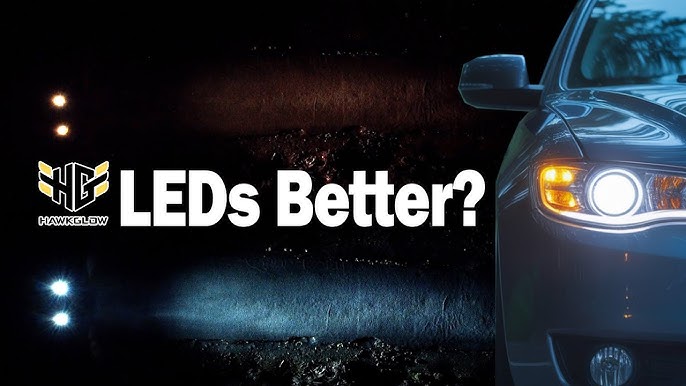
Choosing the right headlights for your car can make a big difference in how safe and comfortable your driving experience is. You might be wondering: which is better for your car—LED or halogen lights?
Both have their fans, but knowing the key differences can help you make the best choice. You’ll discover how each light performs, what fits your needs, and which one gives you the most value. Keep reading to find out which option will brighten your road ahead.

Credit: www.pakwheels.com
Led Lights Basics
LED lights are popular for car lighting. They use less energy than halogen lights. LED means Light Emitting Diode.
This technology lasts longer and shines brighter. Many drivers prefer LED for these reasons.
How Led Lights Work
LED lights create light with tiny chips. When electricity flows, these chips light up. The process is called electroluminescence.
- Electric current passes through a semiconductor.
- The semiconductor emits photons (light).
- The light is focused with lenses or reflectors.
- No filament is needed, unlike halogen bulbs.
Types Of Led Car Lights
Cars use several types of LED lights. Each type serves a different purpose for safety and style.
| Type | Function | Common Use |
| LED Headlights | Bright light for night driving | Main front lights |
| LED Daytime Running Lights | Increase visibility in daytime | Front or rear of the car |
| LED Brake Lights | Signal when the car slows or stops | Rear lights |
| LED Turn Signals | Show direction changes | Front and rear corners |

Credit: www.reddit.com
Halogen Lights Basics
Halogen lights are common in many cars today. They use a special bulb with halogen gas inside.
This type of light gives a bright and clear beam for driving at night or in low light.
How Halogen Lights Work
Halogen lights work by heating a tungsten filament inside a glass bulb. The bulb is filled with halogen gas.
The gas helps the filament last longer and keeps the bulb bright. When electricity passes through, the filament glows.
Types Of Halogen Car Lights
- Low Beam: Used for normal night driving without blinding other drivers.
- High Beam: Provides a strong light for better visibility on empty roads.
- Fog Lights: Positioned low to help see in foggy or rainy conditions.
- Daytime Running Lights: Stay on during the day to increase car visibility.
Brightness And Visibility
Choosing the right headlights affects how well you see while driving. Brightness and visibility are key factors.
This article compares LED and halogen lights for cars on these points.
Light Output Comparison
LED lights produce a brighter and whiter light than halogen bulbs. Halogen lights give off a yellowish glow.
| Light Type | Brightness (Lumens) | Color Temperature (Kelvin) |
| LED | 3000-4000 | 5000-6500 (white) |
| Halogen | 700-1500 | 3200-3500 (yellow) |
Impact On Night Driving
Better visibility helps drivers spot obstacles and signs faster at night.
- LED lights improve road coverage with clearer edges.
- Halogen lights have shorter range and less sharp beams.
- LED brightness reduces eye strain during long drives.
- Halogen bulbs may cause more glare for oncoming cars.

Credit: www.lasfit.com
Energy Efficiency
Choosing the right car lights affects energy use and battery life. LED and halogen lights differ in how much power they consume.
This section looks at how energy efficient these two light types are for cars.
Power Consumption Rates
LED lights use less electricity than halogen bulbs. This saves energy and lowers fuel use in some cars. Halogen lights need more power to produce the same brightness.
- LED lights typically use 15 to 45 watts of power.
- Halogen lights usually consume about 55 watts or more.
- Lower power use means less energy is drained from the battery.
- LEDs maintain brightness with less heat loss.
Effect On Vehicle Battery
Since LEDs use less power, they put less strain on the car battery. Halogen bulbs can drain the battery faster, especially if used often or for long periods.
| Light Type | Average Power Use (Watts) | Battery Drain Impact |
| LED | 15 – 45 | Low |
| Halogen | 55 and above | High |
Lifespan And Durability
Choosing the right car lights is important for safety and cost. LED and halogen lights differ in how long they last and how strong they are.
This guide looks at their average lifespan and how they handle vibration and heat.
Average Lifespan Of Led Vs Halogen
LED lights last much longer than halogen bulbs. This means fewer replacements and less hassle over time.
| Light Type | Average Lifespan |
|---|---|
| LED | 25,000 to 50,000 hours |
| Halogen | 450 to 1,000 hours |
While LEDs have a higher upfront cost, their lifespan makes them a practical choice for long-term use.
Resistance To Vibration And Heat
Car lights face constant shaking and heat. How well they resist these factors affects their durability.
- LED Lights:Solid-state design means they resist vibration well.
- Halogen Lights:Fragile filaments can break from strong vibrations.
- Heat Resistance:LEDs run cooler, which helps them last longer.
- Halogen bulbsget very hot and may burn out faster.
Cost Factors
Choosing the right car light means looking at how much it costs. Both LED and halogen lights have different price points. You should think about buying and upkeep costs.
Understanding these costs can help you decide which light fits your budget better. This guide breaks down the main cost factors for each light type.
Initial Purchase Price
Halogen lights usually cost less when you buy them. They use older technology and are cheaper to make. LED lights cost more at first. They use newer technology and special materials.
- Halogen bulbs cost about $15 to $30 per bulb.
- LED bulbs cost about $50 to $100 or more per bulb.
- Halogen lights are easy to replace and widely available.
- LED lights may need special fittings or adapters.
Long-term Maintenance Costs
Halogen bulbs burn out faster and need regular changes. LED lights last much longer and need fewer replacements. This affects how much you spend over time.
| Cost Factor | Halogen Lights | LED Lights |
|---|---|---|
| Average Lifespan | 500 to 1,000 hours | 15,000 to 30,000 hours |
| Replacement Frequency | High | Low |
| Energy Use | Higher | Lower |
| Maintenance Cost Over 5 Years | Higher due to frequent bulb changes | Lower due to durability and efficiency |
Installation And Compatibility
Choosing between LED and halogen lights for your car depends on how easy they are to install. Compatibility with your vehicle also matters. This helps avoid extra costs and time.
Both types of lights offer different installation experiences. Knowing these can help you pick the right one for your car.
Ease Of Installation
Halogen lights are easy to install. They fit most cars without extra parts. You can replace them by just unplugging the old bulb and plugging in the new one.
LED lights need more care during installation. Some require special adapters or resistors. This prevents errors like flickering or warning signals on your dashboard.
- Halogen bulbs use standard sockets and connectors
- LED bulbs may need extra wiring or adapters
- Halogen installation usually takes less time
- LED installation can be tricky without experience
Compatibility With Different Vehicles
Halogen lights work with almost all car models. They have been the standard for many years. This means you rarely face compatibility problems.
LED lights might not fit every vehicle. Some cars need changes to the headlight housing or electrical system. Check your car’s manual before buying LED lights.
- Halogen bulbs fit most factory sockets
- LED bulbs may need housing adjustments
- Some cars need CAN bus systems for LED bulbs
- Always check bulb size and power requirements
Safety And Regulations
Choosing the right car lights affects safety on the road. LED and halogen lights have different rules and effects. Understanding these helps drivers make better decisions.
This article looks at legal rules and road safety related to LED and halogen car lights.
Legal Considerations
Car lights must meet laws to be safe and legal. These laws control brightness, color, and placement of the lights. Both LED and halogen lights need to follow these rules.
- Halogen bulbs are widely accepted and fit most vehicle standards.
- LED lights must have proper certification in many regions.
- Unauthorized LED upgrades can cause legal fines.
- Some areas limit LED brightness to avoid blinding other drivers.
- Headlight color must remain within legal limits, usually white or yellow.
Effect On Road Safety
Both LED and halogen lights affect how well drivers see and are seen by others. Each type has safety pros and cons.
| Light Type | Visibility Range | Glare Risk | Energy Use |
| Halogen | Short to medium | Lower glare | Higher |
| LED | Longer | Potentially higher glare | Lower |
Good road safety means using lights that show the road clearly without hurting other drivers’ vision. Proper installation and alignment are important for both light types.
Aesthetic Appeal
Car lights change how your vehicle looks at night. They add style and personality to your car.
LED and halogen lights offer different styles. Choosing the right one affects your car’s appearance.
Design And Color Options
LED lights come in many shapes and sizes. They often have a modern look that suits new cars well.
Halogen lights have a classic round or rectangular shape. They give cars a traditional look.
- LED lights offer cool white or bright blue colors
- Halogen lights show warm yellow or soft white light
- LEDs can create sharp, clear beams
- Halogens produce a softer, more diffused light
Customization Possibilities
LED lights allow more customization. You can change colors and light patterns easily.
Halogen lights have fewer options. They mostly come in one color and style.
- LEDs can use RGB technology for color changes
- Some LED lights can flash or pulse
- Halogen bulbs are simple to replace but less flexible
- LED systems may need special controls for custom modes
Choosing The Right Light
Choosing the right car light can improve your driving safety. Two common types are LED and halogen lights.
Each type has its own benefits and uses. Understanding them helps you make the best choice for your vehicle.
Factors To Consider
Brightness is important. LED lights usually offer brighter and whiter light. Halogen lights give a warm yellow glow.
Energy use matters too. LEDs use less power, which can save your car’s battery. Halogen bulbs use more energy.
Cost affects your choice. Halogen bulbs cost less upfront. LED lights cost more but last longer.
- Brightness level
- Energy efficiency
- Cost and lifespan
- Heat output
- Installation ease
Best Use Cases For Each Type
LED lights are good for drivers who want bright, clear light and long-lasting bulbs. They work well in all weather.
Halogen lights suit budget-conscious drivers. They are easier to replace and work fine for city driving.
| Light Type | Best Use | Advantages | Disadvantages |
| LED | Long trips, night driving | Bright, energy-efficient, lasts long | Higher initial cost |
| Halogen | City driving, budget cars | Low cost, easy to replace | Less bright, uses more energy |
Frequently Asked Questions
What Are The Main Differences Between Led And Halogen Car Lights?
LED lights use less energy and last longer than halogen bulbs. Halogen lights are cheaper but consume more power and have shorter lifespans. LEDs provide brighter, whiter light, while halogens emit a warmer, yellowish glow. Each type suits different needs and budgets.
Which Car Lights Offer Better Visibility At Night?
LED car lights offer better visibility at night due to their brighter, whiter light. They illuminate the road more evenly and reduce eye strain. Halogen lights are less bright and have a shorter range, making them less effective in dark conditions.
Are Led Car Lights More Energy-efficient Than Halogen Bulbs?
Yes, LED car lights are significantly more energy-efficient than halogen bulbs. LEDs consume up to 80% less power while producing more light. This efficiency reduces strain on the vehicle’s electrical system and can improve fuel economy slightly.
Do Led Lights Last Longer Than Halogen Lights In Cars?
LED lights last much longer than halogen bulbs. On average, LEDs can last 25,000 to 50,000 hours, while halogens last about 500 to 1,000 hours. This longevity reduces replacement frequency and maintenance costs for car owners.
Conclusion
Choosing between LED and halogen lights depends on your needs and budget. LED lights last longer and use less energy. Halogen bulbs cost less and are easier to replace. Both types improve car visibility at night. Consider how often you drive and road conditions.
Brightness, lifespan, and price all matter. Pick the light that fits your driving style best. Clear vision keeps you safe on the road.