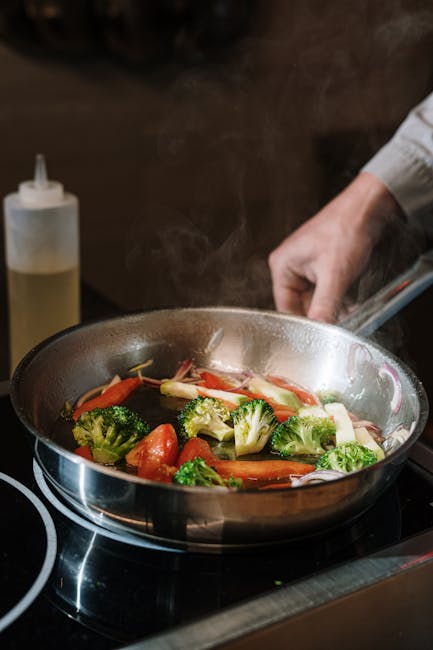
When it comes to choosing cookware, you want the best for your kitchen and your health. But with so many options, it’s easy to get confused—especially between nonstick and ceramic pans.
Which one really cooks better? Which one lasts longer? And most importantly, which one is safer for you and your family? If you’ve ever stood in the store aisle wondering which to pick, this article is for you. Keep reading to discover the key differences that will help you make the right choice for your cooking style and your home.
Nonstick Cookware Features
Nonstick cookware is popular for its smooth cooking surface. It helps food not stick and cooks with less oil.
This type of cookware has special features that affect cooking quality and ease of use.
Material Composition
Nonstick pans usually have an aluminum or stainless steel base. The cooking surface is coated with polytetrafluoroethylene (PTFE) or other nonstick materials.
These coatings create a smooth and slippery layer that stops food from sticking.
Heat Distribution
Nonstick cookware often heats quickly and evenly. The aluminum base helps spread heat across the pan’s surface.
| Material | Heat Conductivity | Effect on Cooking |
| Aluminum Base | High | Even and fast heating |
| PTFE Coating | Low | Protects surface, no direct heat conduction |
| Stainless Steel Base | Medium | Good heat spread, slower than aluminum |
Durability And Lifespan
Nonstick coatings can wear off with time. Using metal utensils or high heat can reduce their lifespan.
- Coatings last from 1 to 5 years depending on care.
- Scratches damage the nonstick surface.
- Proper use extends cookware life.
Ease Of Cleaning
Cleaning nonstick cookware is simple. Food rarely sticks, so washing takes less effort.
Soft sponges and mild detergents keep the surface safe. Avoid harsh scrubbers to prevent damage.

Credit: nymag.com
Ceramic Cookware Features
Ceramic cookware is popular for its nonstick surface and stylish look. Many cooks like it for healthy cooking with less oil.
This type of cookware uses a ceramic coating over a metal base. It offers different benefits compared to traditional nonstick pans.
Material Composition
Ceramic cookware has a metal core, usually aluminum or stainless steel. The cooking surface is coated with a layer of ceramic.
The ceramic layer is made from natural minerals like sand. It creates a smooth, hard surface that does not stick easily.
Heat Distribution
The metal core helps spread heat evenly across the pan. This reduces hot spots and burns on your food.
Ceramic coatings can handle high heat without releasing harmful fumes. This makes them good for searing and frying.
Durability And Lifespan
Ceramic coatings are harder than traditional nonstick layers. They resist scratches better but still need gentle care.
Over time, the ceramic layer can wear down or chip. Avoid using metal utensils to help your cookware last longer.
Ease Of Cleaning
Ceramic cookware is easy to clean because food does not stick. Warm water and mild soap usually remove residue.
- Use soft sponges to protect the ceramic surface
- Do not use abrasive cleaners or steel wool
- Hand washing extends the cookware’s life
Health And Safety Factors
Choosing between nonstick and ceramic cookware affects your health and safety. Both types have different coatings and cooking properties. Understanding these can help you cook safely.
This guide looks at chemical coatings, heat resistance, fumes, food release, and oil use for both kinds of pans.
Chemical Coatings And Risks
Nonstick pans often use PTFE coatings, which can release harmful chemicals if overheated. Ceramic pans use a natural, inorganic coating that is free from PTFE and PFOA chemicals.
- Nonstick coatings can degrade at high temperatures.
- Ceramic coatings are usually free from toxic chemicals.
- Old or damaged nonstick pans may release harmful particles.
- Ceramic coatings are less likely to peel or chip.
Heat Resistance And Fumes
Nonstick pans can start to break down and release fumes above 500°F (260°C). These fumes may cause flu-like symptoms in humans and are toxic to birds.
Ceramic pans tolerate higher heat without releasing fumes. They are safer for high-temperature cooking like searing or frying.
| Cookware Type | Safe Max Temperature | Fume Risk |
| Nonstick | up to 500°F (260°C) | High if overheated |
| Ceramic | up to 850°F (450°C) | Low |
Food Release And Oil Usage
Nonstick pans provide excellent food release, reducing the need for oil. Ceramic pans also have good release but may require a little more oil for best results.
- Nonstick pans need less oil, helping reduce calories.
- Ceramic pans may need some oil to prevent sticking.
- Both types make cleaning easier than traditional pans.
- Using less oil helps keep food healthier.
:max_bytes(150000):strip_icc()/sea-kyocera-ceramic-nonstick-frying-pan-ashlee-redger-02-d95740220a4b47c7af8384b77714fc28.jpeg)
Credit: www.seriouseats.com
Performance In Cooking
Choosing between nonstick and ceramic cookware affects how your food cooks. Each type has unique features that impact cooking results.
This guide looks at their performance in cooking, focusing on nonstick capabilities, heat retention, and food suitability.
Nonstick Capabilities
Nonstick pans have a smooth coating that stops food from sticking. This makes cooking and cleaning easier. Ceramic pans use a natural, nonstick surface but may require more oil.
- Nonstick pans need less oil or butter.
- They are ideal for cooking eggs, pancakes, and delicate fish.
- Ceramic coatings can wear out faster if scratched.
- Nonstick surfaces often last longer with proper care.
Heat Retention And Cooking Style
Ceramic pans hold heat longer and distribute it evenly. This helps in slow cooking and simmering. Nonstick pans heat up quickly but lose heat faster.
| Cookware Type | Heat Retention | Best Cooking Style |
|---|---|---|
| Nonstick | Low to Medium | Quick frying, sautéing |
| Ceramic | High | Slow cooking, simmering |
Suitability For Different Foods
Nonstick pans suit soft or sticky foods that need easy release. Ceramic pans work well for foods that cook longer and require steady heat.
- Nonstick: eggs, crepes, fish fillets
- Ceramic: stews, rice dishes, vegetables
- Nonstick is less ideal for high-heat searing.
- Ceramic handles browning better without damage.
Maintenance And Care Tips
Choosing between nonstick and ceramic cookware means knowing how to care for each type. Proper maintenance helps your pans last longer and work better.
Simple cleaning and storage habits can keep the surfaces smooth and safe for cooking.
Cleaning Techniques
Clean your pans gently to avoid scratching the surface. Use warm water and mild dish soap. Avoid abrasive scrubbers that can damage coatings.
- Let the pan cool before washing
- Use a soft sponge or cloth
- Remove stuck food with baking soda paste
- Rinse thoroughly to remove soap residue
- Dry with a soft towel or air dry
Storage Advice
Store your cookware carefully to prevent scratches and dents. Keep nonstick and ceramic pans separate or use protective layers.
| Storage Method | Benefit |
| Stack with paper towels between pans | Prevents scratching of surfaces |
| Hang pans by handles | Reduces contact and damage |
| Use pan protectors or liners | Adds cushion and protection |
| Store in dry, cool place | Prevents moisture damage and warping |
Avoiding Damage
Avoid high heat and metal utensils. These can harm the nonstick or ceramic coating and reduce the pan’s life.
- Use wooden, silicone, or plastic utensils only
- Cook on low to medium heat
- Do not use cooking sprays that build residue
- Avoid sudden temperature changes, like cold water on a hot pan
- Inspect pans regularly for chips or peeling
Cost And Value Comparison
Choosing between nonstick and ceramic cookware depends on cost and value. Both have different prices and lifespans. Understanding these factors helps make a smart choice.
This comparison focuses on initial cost, durability, and overall investment. It guides you to find which option suits your budget and needs.
Initial Purchase Price
Nonstick pans usually cost less at first. Ceramic pans tend to be more expensive because of their materials. The price also varies by brand and size.
- Nonstick cookware often starts at a lower price.
- Ceramic cookware can cost 20% to 50% more than nonstick.
- Higher price for ceramic may mean better quality or design.
Longevity And Replacement
Nonstick coatings wear out faster and need replacing every few years. Ceramic pans last longer if treated well but can chip or crack. Both types need care to extend their life.
| Cookware Type | Average Lifespan | Replacement Frequency |
|---|---|---|
| Nonstick | 2 to 3 years | More frequent replacements |
| Ceramic | 4 to 6 years | Less frequent replacements |
Overall Investment
Think about total cost over time. Cheaper nonstick pans may cost more because of replacements. Ceramic pans cost more upfront but last longer, saving money in the long run.
- Nonstick: Lower start cost, higher replacement cost
- Ceramic: Higher start cost, lower replacement cost
- Care affects how long both types last
- Choose based on your cooking habits and budget
Environmental Impact
Choosing between nonstick and ceramic cookware affects the environment. Both types have different impacts from making to throwing away.
Understanding these effects helps you make a better choice for the planet.
Manufacturing Processes
Nonstick cookware is made by adding a chemical coating to metal pans. This process uses chemicals that can harm the environment. It needs high heat and energy.
Ceramic cookware is made from natural clay and minerals baked at high temperatures. This process uses less harmful chemicals but still requires energy.
- Nonstick coatings use synthetic chemicals
- Ceramic uses natural materials like clay
- Both need high heat during production
- Nonstick may release pollutants during coating
Disposal And Recycling
Nonstick pans are hard to recycle because of their coatings. These coatings can break down and pollute landfills.
Ceramic cookware is also difficult to recycle but breaks down more naturally over time. Both types often end up in landfills.
- Nonstick pans have chemical coatings that resist recycling
- Ceramic pans are fragile and tough to recycle
- Both usually go to landfills when discarded
- Ceramic breaks down slower but is less toxic
Sustainability Considerations
Nonstick cookware may wear out faster, needing replacement sooner. This creates more waste over time.
Ceramic pans tend to last longer if cared for well. Using long-lasting products reduces waste and environmental harm.
- Nonstick pans can degrade and peel with use
- Ceramic pans are more durable but can chip
- Long-lasting cookware reduces waste
- Choosing natural materials helps the environment
:max_bytes(150000):strip_icc()/sea-kyocera-ceramic-nonstick-frying-pan-ashlee-redger-01-5056104f479c4f5eaf2bf8dddfdb666e.jpeg)
Credit: www.seriouseats.com
Choosing The Right Cookware
Choosing between nonstick and ceramic cookware depends on your needs. Both types have pros and cons.
Think about how you cook and what matters most before buying cookware.
Cooking Habits And Preferences
Nonstick pans are great for low-fat cooking and quick meals. Food does not stick easily.
Ceramic cookware works well with high heat and browning food. It is more durable with proper care.
- Use nonstick if you cook eggs, pancakes, or delicate foods often
- Choose ceramic for frying, sautéing, or baking at higher temperatures
- Consider what utensils you prefer: ceramic handles heat better
Budget Constraints
Nonstick cookware usually costs less than ceramic sets. It is a good choice for tight budgets.
Ceramic cookware can be more expensive but may last longer with care. It often resists scratches better.
- Nonstick pans cost less upfront
- Ceramic pans may save money over time
- Check for sales or sets to reduce cost
Health Priorities
Ceramic cookware is free from chemicals like PFOA and PTFE. It is often seen as safer for health.
Nonstick pans can release fumes if overheated. Use them on low to medium heat for safety.
- Ceramic is a good choice for chemical-free cooking
- Nonstick needs careful use to avoid damage
- Always follow manufacturer safety instructions
Frequently Asked Questions
What Are The Benefits Of Nonstick Cookware?
Nonstick cookware is easy to clean and requires less oil for cooking. It is perfect for low-fat meals. These pans heat quickly and evenly, saving energy and time. They are ideal for cooking eggs, pancakes, and delicate dishes without sticking.
Are Ceramic Pans Healthier Than Nonstick?
Ceramic pans are free from harmful chemicals like PFOA and PTFE. They provide a toxin-free cooking surface, making them a healthier choice. Ceramic coatings withstand higher temperatures, reducing the risk of releasing harmful fumes. They are eco-friendly and often made from natural materials.
How Durable Is Ceramic Cookware?
Ceramic cookware is generally durable but can chip or crack if mishandled. It is less prone to scratching compared to nonstick pans. Proper care, like avoiding metal utensils, extends its lifespan. Quality ceramic pans can last several years with regular use and proper maintenance.
Can Nonstick Pans Be Used On High Heat?
Nonstick pans are not ideal for high heat cooking. High temperatures can damage the nonstick coating and release harmful fumes. It’s best to use medium to low heat for nonstick pans. For searing or high-heat cooking, consider using stainless steel or cast iron instead.
Conclusion
Choosing between nonstick and ceramic depends on your cooking needs. Nonstick pans are easy to clean and great for low-fat cooking. Ceramic pans offer better heat tolerance and scratch resistance. Both have pros and cons to consider. Think about how often you cook and what you cook most.
Your budget also matters. Either choice can work well with proper care. Pick the one that fits your kitchen style and cooking habits best. Simple and practical decisions lead to happy cooking.