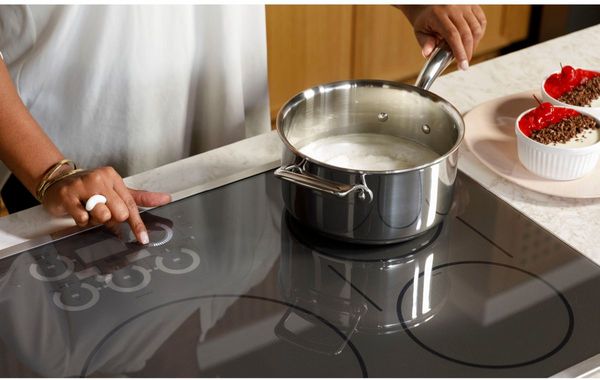
When it comes to choosing a cooktop for your kitchen, you might find yourself torn between two popular options: radiant and induction cooktops. Each promises a unique cooking experience, but which one is truly better for you?
The decision can be overwhelming, leaving you wondering if you are making the right choice for your culinary needs. Imagine preparing your favorite meal with the efficiency and ease you’ve always wanted. Picture yourself saving time, energy, and even money while cooking, without compromising on the taste and quality of your dishes.
This blog post will guide you through the essential differences, benefits, and potential drawbacks of both radiant and induction cooktops. By the end of the article, you’ll have a clear understanding of which cooktop suits your lifestyle and cooking preferences the best. Stay with us as we unravel the mysteries of these innovative kitchen appliances, ensuring you make a confident, informed decision. Your perfect cooking companion awaits!
Radiant Cooktop Basics
Understanding the basics of radiant cooktops can help you decide if they fit your cooking style and kitchen needs. Radiant cooktops use electric heating elements beneath a smooth glass surface to cook your food. This design offers a sleek look and simple cleanup, but there’s more to consider before choosing one for your kitchen.
How Radiant Cooktops Work
Radiant cooktops heat up through electric coils placed under a ceramic glass surface. When you turn on the cooktop, electricity heats the coils, which then transfer heat to the glass above. This heat cooks your pots and pans directly.
Since the surface itself gets hot, it stays warm even after you turn off the cooktop. This can serve as a useful reminder but also requires caution to avoid burns. Have you noticed how the heat spreads evenly across the glass? That’s part of why cooking on a radiant surface feels consistent.
Common Features
- Smooth Glass Surface:Easy to clean with a simple wipe, no crevices for spills to hide.
- Multiple Heating Zones:You can use different sized burners depending on your pot or pan.
- Heat Indicator Lights:These warn you when the surface is still hot after cooking.
- Touch or Knob Controls:Many models offer precise temperature adjustments at your fingertips.
You might find models with timers or child safety locks, which add convenience and safety to daily use.
Pros And Cons
| Pros | Cons |
|---|---|
|
|
Have you ever waited impatiently for a burner to cool down? That’s a common experience with radiant cooktops. But if you prefer simplicity and don’t mind the wait, this type might be the right match.
Induction Cooktop Basics
Induction cooktops offer a modern approach to cooking. They use magnetic technology to heat pots and pans directly. This method makes cooking fast and energy-efficient. Understanding the basics helps to see why many choose induction over other types.
How Induction Cooktops Work
Induction cooktops use an electric coil beneath a glass surface. When turned on, the coil creates a magnetic field. This field heats only the cookware that is magnetic. The cooktop surface stays cool, reducing burn risks. Heat transfers quickly and evenly to the food.
Common Features
- Touch controls for easy temperature adjustment
- Automatic pan detection for safety
- Timer settings to avoid overcooking
- Power boost for rapid heating
- Child lock to prevent accidents
Pros And Cons
| Pros | Cons |
|---|---|
| Heats up very quickly | Requires compatible cookware |
| Energy efficient and eco-friendly | Usually costs more than other cooktops |
| Easy to clean, smooth surface | Cooktop surface can scratch easily |
| Precise temperature control | Noise from fan or buzzing |
Performance Comparison
Comparing the performance of radiant and induction cooktops helps to choose the right one. Both types use electricity but work differently. This affects how fast they heat, control temperature, and use energy. Understanding these factors makes cooking easier and more efficient.
Heating Speed
Induction cooktops heat food faster than radiant ones. They use magnetic fields to heat the pot directly. This means less time waiting for food to cook. Radiant cooktops heat the surface first, then the pot. This takes longer to reach cooking temperature.
Temperature Control
Induction cooktops offer precise temperature control. The heat changes instantly when adjusted. This helps avoid overcooking or burning food. Radiant cooktops respond slower to changes. The heat lingers even after lowering the setting.
Energy Efficiency
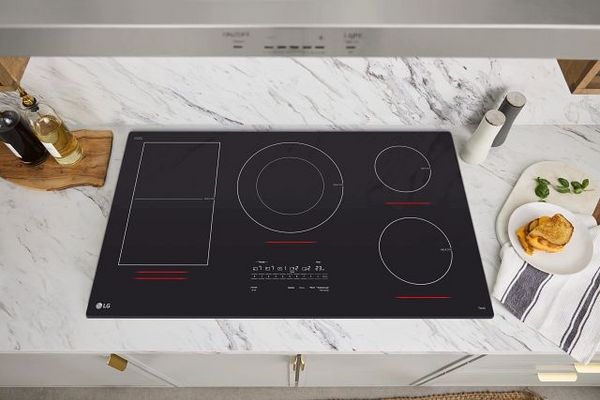
Induction cooktops are more energy efficient. They heat only the pot, wasting less energy. Radiant cooktops lose heat to the air and countertop. This makes them less efficient and costs more electricity.
Credit: www.spencerstv.com
Safety Considerations
Safety is a top priority when choosing between a radiant and an induction cooktop. Both have different designs and technologies that affect how safe they are to use in everyday cooking. Understanding these safety aspects can help you make the best choice for your kitchen and family.
Burn Risks
Radiant cooktops heat the entire surface, so the glass top stays hot long after cooking. This can cause accidental burns if you touch it too soon. Induction cooktops, on the other hand, heat only the cookware and keep the surface relatively cool.
This means induction cooktops reduce the chance of burns significantly. Have you ever reached for a hot stove surface without realizing it? Induction helps prevent that mistake by staying cool to the touch.
Child Safety Features
Both types often come with safety locks to prevent children from turning on the cooktop by accident. Induction cooktops usually have more advanced safety settings like automatic shut-off when no pan is detected.
Radiant cooktops can remain hot and dangerous even after cooking, which could be risky if curious kids are nearby. Induction’s cooler surface and quick shut-off features offer peace of mind if you have little ones running around.
Electrical Safety
Induction cooktops require stronger and more precise electrical connections because of their advanced technology. It’s important to have a certified electrician install them to avoid electrical hazards.
Radiant cooktops use simpler heating elements, which can be easier to maintain and less likely to cause electrical issues. Still, regular checks on wiring and connections are necessary for both types to keep your kitchen safe.
Cookware Compatibility
Cookware compatibility plays a key role in choosing between radiant and induction cooktops. Using the right pots and pans can affect cooking performance and durability. Each cooktop type demands specific cookware materials to work effectively. Understanding these needs helps avoid wasted money and frustration.
Types Of Cookware Needed
Radiant cooktops work with almost all cookware types. Glass, ceramic, aluminum, copper, and stainless steel pots are fine. Induction cooktops require magnetic cookware. Cast iron and stainless steel with a magnetic base work best. Non-magnetic materials like glass or aluminum will not heat on induction.
Cost Of Cookware
Radiant cooktops do not require special cookware, so costs stay low. Induction cooktops may need new pots and pans. Magnetic cookware tends to be pricier than regular sets. Replacing all your cookware for induction can increase initial costs. Choosing versatile magnetic cookware can reduce the need for multiple sets.
Versatility In Cooking
Radiant cooktops offer more freedom with cookware choices. You can use any pot or pan you have. Induction cooktops limit options but heat faster and more evenly. Some magnetic cookware may not work well on induction. Testing your current pots with a magnet helps decide if they fit induction.
Maintenance And Cleaning
Keeping your cooktop spotless and in great shape affects not only its look but also its performance. Maintenance and cleaning vary between radiant and induction cooktops, so knowing the right way to care for each can save you time and extend your appliance’s life.
Cleaning Tips For Radiant Cooktops
Radiant cooktops have a smooth glass surface that heats up with electric coils beneath. You’ll want to clean spills right after cooking to avoid burnt-on stains that are tough to remove.
- Use a soft cloth or sponge with warm soapy water for daily cleaning.
- For stubborn stains, a special glass cooktop cleaner or a baking soda paste works well without scratching.
- Avoid abrasive pads or harsh chemicals that can damage the glass surface.
- Always wait until the cooktop is completely cool before wiping it down.
Have you noticed how quickly grease can bake onto radiant surfaces? Regular attention keeps your cooktop looking like new and prevents buildup that affects heating efficiency.
Cleaning Tips For Induction Cooktops
Induction cooktops use magnetic fields to heat pots directly, so the surface stays cooler than radiant models. This makes cleaning easier but still requires proper care.
- Wipe spills immediately with a damp cloth to prevent them from drying on the surface.
- Use mild, non-abrasive cleaners or a vinegar-water solution for daily cleaning.
- For tougher spots, a plastic scraper designed for glass cooktops helps remove residue without scratching.
- Do not use steel wool or harsh scrubbers that can cause permanent damage.
Since induction surfaces don’t get as hot, you might think cleaning is less urgent, but neglect can still cause stains and affect sensor performance. How often do you clean your cooktop after cooking?
Durability And Longevity
Both radiant and induction cooktops can last many years if maintained properly. Radiant cooktops tend to show wear faster due to higher surface temperatures and heating elements underneath.
Induction cooktops usually last longer because the surface stays cooler and less prone to cracking. However, they require you to use compatible cookware, or the system won’t work efficiently.
Think about how often you cook and your cleaning habits. Which cooktop will fit better with your lifestyle and give you the longest, hassle-free use?
Cost And Value
Understanding the cost and value of radiant versus induction cooktops can help you make a smart kitchen investment. It’s not just about the price tag; it’s about what you get for your money over time. Let’s break down the key financial aspects so you can decide which option fits your budget and cooking style best.
Initial Purchase Price
Radiant cooktops usually come with a lower upfront cost. You can find reliable models starting at a few hundred dollars, making them accessible for many budgets. Induction cooktops, on the other hand, tend to be pricier initially, often costing several hundred dollars more due to their advanced technology.
If you’re upgrading your kitchen on a tight budget, radiant might seem like the obvious choice. But ask yourself: Are you willing to spend more now for potentially greater efficiency and features?
Operating Costs
Induction cooktops are known for their energy efficiency. They heat up quickly and transfer energy directly to the cookware, which means less wasted electricity. Radiant cooktops use more energy because they heat the element and then transfer heat to the pan, which can increase your electric bill over time.
Consider how much you cook daily. If your kitchen is your busiest room, saving on monthly operating costs could add up to significant savings. Have you checked your local electricity rates? This simple step can clarify which cooktop is more cost-effective in your area.
Long-term Value
Radiant cooktops may cost less initially but often require more maintenance and have shorter lifespans. Their heating elements can wear out faster, leading to replacement expenses. Induction cooktops, while pricier upfront, tend to last longer and need less maintenance, offering better value over the years.
Think about how long you plan to keep your cooktop. Investing a bit more now might save you hassle and money later. What matters more to you: the upfront savings or the peace of mind that comes with durability and efficiency?
Credit: www.snowappliance.com
User Experience
Choosing between a radiant and an induction cooktop often comes down to how they feel in daily use. User experience covers everything from how easy the cooktop is to operate, to the noise it makes, and what other users say about their time with it. Understanding these factors can help you pick a cooktop that fits your kitchen habits and lifestyle.
Ease Of Use
Radiant cooktops work by heating coils beneath a smooth glass surface, so they heat up gradually. This means you have a bit more control over cooking temperatures, especially if you’re used to traditional electric stoves. If you like a simple interface without needing special cookware, radiant models might feel more familiar and straightforward.
Induction cooktops, on the other hand, heat pots directly using electromagnetic energy. This makes them faster and more energy-efficient but requires compatible magnetic cookware. Some users find the precise temperature control exciting, while others may struggle initially with the need for specific pots.
Noise Levels
One surprising factor is the noise a cooktop makes during use. Radiant cooktops tend to be very quiet because they rely on heating elements rather than fans or electromagnetic pulses. If you prefer a silent kitchen environment, radiant might be the better choice.
Induction cooktops often emit a faint humming or buzzing sound, especially at higher power levels. This can be distracting if you’re sensitive to background noise or like to have quiet conversations while cooking. Have you noticed this noise in your kitchen, and does it bother you?
Customer Feedback
Many users praise radiant cooktops for their simplicity and consistent heat. They often highlight the ease of cleaning the smooth surface and the lower upfront cost. However, some mention slower heating as a drawback, especially when rushing meal prep.
Induction cooktop users frequently mention the speed and precision as major benefits. Many appreciate how quickly water boils and food cooks evenly. Still, some customers report frustration over needing special cookware and the occasional noise during operation.
Which experience aligns more with your cooking style? Would you prioritize speed and precision, or simplicity and quietness?
Which Cooktop Suits You
Choosing between a radiant and an induction cooktop depends a lot on your cooking style, space, and needs. Each type has strengths that fit different lifestyles and skill levels. Understanding which cooktop suits you can save you money and improve your cooking experience.
Best For Casual Cooks
If you cook occasionally or prefer simple meals, a radiant cooktop might be your best match. It heats evenly and works with any cookware, so you don’t have to invest in special pots or pans. Plus, it’s straightforward to use—just like a traditional electric stove, but sleeker.
Imagine making your favorite pasta or a quick stir-fry without fussing over the right pan. Radiant cooktops provide consistent heat, which helps avoid burnt spots. You get reliable performance without extra learning curves or costs.
Best For Professional Chefs
Professional chefs often prefer induction cooktops for their precise temperature control and rapid heating. If you demand quick adjustments during complex recipes, induction gives you that edge. It’s highly responsive, so you can go from simmer to boil in seconds.
Think about searing a steak perfectly or melting chocolate without scorching it. Induction cooktops allow you to manage heat with accuracy. This control can make a real difference in the quality and consistency of your dishes.
Best For Small Kitchens
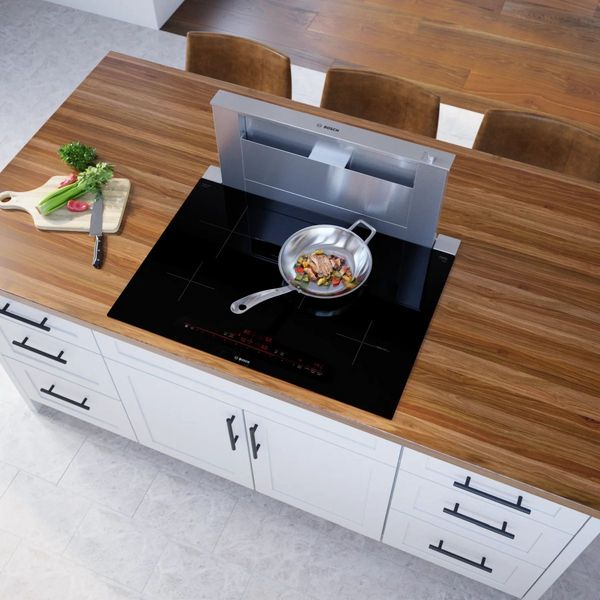
When space is tight, induction cooktops often come out on top. They tend to be thinner and more compact, freeing up counter space. Their flat surfaces also make cleaning faster and easier, which is a huge plus in small areas.
Radiant cooktops can work too, but they usually take up more room and cool down slowly, which might feel inconvenient. If your kitchen is limited, ask yourself: Would you benefit from a cooktop that cools quickly and maximizes space? Induction might just be the smarter choice.
Credit: www.spencerstv.com
Frequently Asked Questions
Which Cooktop Heats Food Faster, Radiant Or Induction?
Induction cooktops heat food faster using electromagnetic energy. Radiant cooktops rely on electric heating elements, which take more time. Induction is ideal for quick cooking and energy efficiency. Radiant cooktops offer gradual heating, suitable for slow cooking methods.
Are Radiant Or Induction Cooktops More Energy Efficient?
Induction cooktops are more energy efficient because they directly heat cookware. Radiant cooktops lose heat to the surrounding air, wasting energy. Induction reduces cooking time and energy consumption. Radiant cooktops consume more electricity due to slower heating.
Which Cooktop Is Safer, Radiant Or Induction?
Induction cooktops are safer since their surface stays cooler during cooking. Radiant cooktops have hot surfaces that pose burn risks. Induction automatically shuts off without cookware. Radiant cooktops lack this safety feature, making induction preferable for families.
Can All Cookware Be Used On Induction Cooktops?
No, only magnetic cookware works on induction cooktops. Stainless steel and cast iron are suitable, but glass and aluminum are not. Radiant cooktops work with any cookware type. Check for a magnet test to confirm induction compatibility.
Conclusion
Choosing between radiant and induction cooktops depends on your needs. Radiant cooktops work well with all pots and heat evenly. Induction cooktops heat faster and save energy but need special cookware. Both types have benefits and some limits. Think about your cooking style, budget, and kitchen setup.
This helps you pick the right cooktop for your home. Either way, cooking can be easy and enjoyable with the right choice.