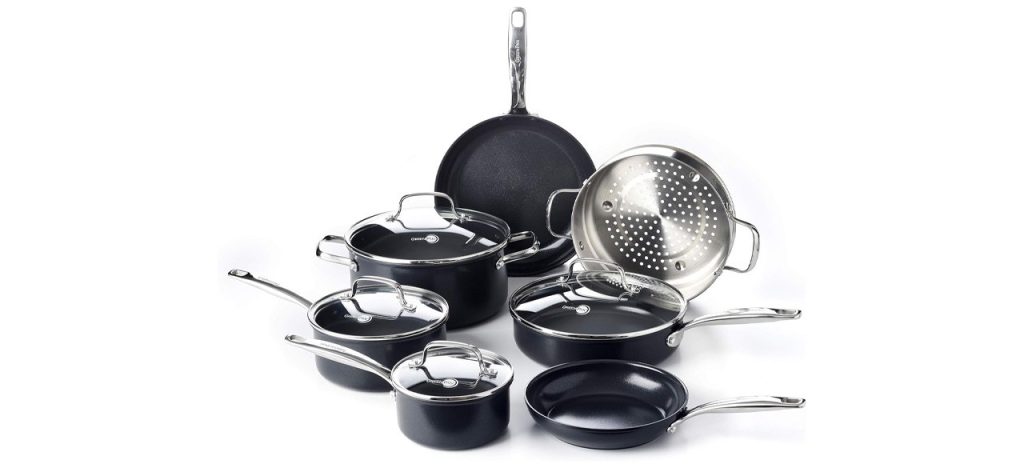
When it comes to choosing cookware, you want the best for your health and your kitchen. But with so many options, it’s easy to feel confused.
Ceramic and hard anodized cookware are two popular choices, each promising durability and safety. So, which one truly supports your well-being? You’ll discover the key differences that matter to your health and cooking habits. Keep reading to find out which cookware fits your lifestyle and helps you cook smarter and healthier every day.
Ceramic Cookware Basics
Ceramic cookware has gained popularity for its non-stick surface and eco-friendly nature. Many people choose it for cooking because it does not use harmful chemicals.
This type of cookware offers a good balance of safety and cooking performance. Understanding its features helps to decide if it fits your kitchen needs.
Material Composition
Ceramic cookware is made from natural materials. It typically has a metal base coated with a layer of ceramic.
- The base is often aluminum or stainless steel for even heating.
- The ceramic coating comes from sand and minerals baked at high temperatures.
- This coating is free from PTFE, PFOA, and other chemicals.
- Ceramic surfaces are smooth and non-porous.
Cooking Performance
Ceramic cookware heats evenly and quickly. It works well for low to medium heat cooking.
| Feature | Details |
| Heat Distribution | Even and consistent |
| Non-stick Quality | Good, easy food release |
| Safe Temperature | Up to 450°F (232°C) |
| Suitability | Saute, simmer, light frying |
Durability And Maintenance
Ceramic cookware needs careful handling to last longer. It can chip or crack if dropped.
- Use soft utensils to avoid scratching.
- Hand wash with mild soap; avoid abrasive cleaners.
- Do not overheat empty pans to protect the coating.
- Store carefully to prevent damage.
Hard Anodized Cookware Essentials
Hard anodized cookware is popular for its durability and cooking performance. It offers a tough surface that resists scratches and corrosion. Understanding its key features helps you choose the right cookware.
This guide covers the manufacturing process, heat distribution, and how to care for hard anodized cookware. These points explain why it is a good choice for many kitchens.
Manufacturing Process
Hard anodized cookware is made by electrochemically treating aluminum. This process thickens the natural oxide layer on the surface. The result is a dense, hard coating that is non-reactive and strong.
- The aluminum is cleaned and polished first.
- It is then submerged in an acid bath.
- An electric current passes through to create the anodized layer.
- The cookware is sealed to close pores and increase durability.
Heat Distribution
Hard anodized cookware heats evenly across its surface. This quality helps cook food uniformly and prevents hot spots. It also responds well to temperature changes.
| Feature | Description |
| Material | Aluminum with anodized coating |
| Heat Conductivity | Excellent, spreads heat evenly |
| Heat Resistance | Can withstand high cooking temperatures |
| Cooking Control | Quick response to temperature changes |
Longevity And Care
Proper care can extend the life of hard anodized cookware. The coating resists scratches but still needs gentle handling. Avoid metal utensils and harsh cleaners.
- Use wooden or silicone utensils.
- Wash with mild detergent and soft sponges.
- Do not use dishwasher if the manufacturer advises against it.
- Dry cookware completely before storage to prevent damage.
Health Factors In Cookware
Choosing the right cookware affects your health. Some materials release chemicals when heated. This can change the safety of your food.
Ceramic and hard anodized cookware are popular options. Each has benefits and risks. Let’s look at their health factors closely.
Chemical Safety
Ceramic cookware is usually free from metals like aluminum or lead. It does not release harmful chemicals during cooking. Hard anodized cookware has a tough layer that resists corrosion. This layer prevents metals from leaching into food.
- Ceramic cookware is often free of PTFE and PFOA chemicals.
- Hard anodized cookware’s layer is non-reactive and safe.
- Both types reduce the risk of chemical contamination.
Non-toxic Surfaces
Ceramic surfaces are smooth and do not stick easily. They contain no toxic coatings. Hard anodized pans have a dense surface that resists scratching. This helps keep the pan safe over time.
| Cookware Type | Surface Material | Toxic Coatings |
| Ceramic | Natural ceramic glaze | None |
| Hard Anodized | Anodized aluminum layer | None |
Potential Health Risks
Overheating can cause risks in some cookware. Ceramic can crack if dropped, which may expose unsafe materials. Hard anodized pans can lose their protective layer if scratched deeply.
- Do not cook ceramic cookware on very high heat.
- Avoid metal utensils on hard anodized surfaces.
- Replace cookware if it shows damage or wear.
Comparing Cooking Efficiency
Choosing the right cookware affects how well your food cooks. Ceramic and hard anodized pans work differently. Understanding their cooking efficiency helps you pick the best one.
This comparison looks at heat retention, ease of cleaning, and compatibility with cooktops. These factors affect daily cooking and meal quality.
Heat Retention
Hard anodized cookware heats up quickly and keeps heat evenly. This helps cook food faster and saves energy. Ceramic pans heat slower and lose heat faster. They can create hot spots that cook unevenly.
Ease Of Cleaning
- Ceramic pans have a smooth, non-stick surface. Food sticks less and cleaning is easy.
- Hard anodized pans resist scratches but may need gentle cleaning to keep the coating.
- Both types usually clean well with warm, soapy water.
- Avoid harsh scrubbers to protect the surface on both cookware types.
Compatibility With Cooktops
| Cookware Type | Gas Stove | Electric Stove | Induction Stove |
|---|---|---|---|
| Ceramic | Works well | Works well | Usually not compatible |
| Hard Anodized | Works well | Works well | Works if base is magnetic |
Environmental Impact
Choosing cookware affects the environment. Ceramic and hard anodized options differ in their impacts.
Understanding these impacts helps make better choices for a healthier planet.
Sustainability Of Materials
Ceramic cookware mainly uses natural clay and minerals. These materials are abundant and non-toxic.
Hard anodized cookware is made from aluminum. Aluminum mining can harm land and water.
- Ceramic uses natural, earth-based materials
- Aluminum mining can cause pollution
- Ceramic materials are often renewable
- Aluminum is recyclable but energy-intensive to produce
Manufacturing Footprint
Making ceramic cookware requires high heat to harden the clay. This uses a lot of energy.
Hard anodized cookware needs electricity to treat aluminum. This process also uses energy.
- Ceramic firing uses natural materials but high energy
- Hard anodizing involves electricity and chemicals
- Both processes emit greenhouse gases
- Energy source affects total carbon footprint
End-of-life Disposal
Ceramic cookware breaks down naturally over time. It can be crushed and reused in soil.
Hard anodized cookware lasts long but is harder to recycle. Aluminum recycling helps reduce waste.
- Ceramic is biodegradable and eco-friendly
- Aluminum can be recycled but needs proper facilities
- Throwing away cookware adds to landfill waste
- Recycling reduces environmental harm

Credit: www.amazon.ca
Cost And Value Analysis
Choosing between ceramic and hard anodized cookware depends on cost and value. Both have unique price points and benefits. Understanding these helps you buy wisely.
This section breaks down the initial costs, upkeep, and long-term gains of ceramic and hard anodized pans.
Initial Investment
Ceramic cookware usually costs less at first. It is cheaper to make and sell. Hard anodized cookware is pricier because of its durable build.
- Ceramic sets can cost 20% to 40% less than hard anodized sets.
- Hard anodized pans offer more strength and heat control.
- Buying high-quality cookware raises the price but adds value.
Maintenance Expenses
Ceramic pans need gentle care to avoid chipping. Cleaning is simple with mild soap and a soft sponge. They may lose non-stick quality faster.
Hard anodized cookware is tougher. It resists scratches and warping. You can clean it with regular dish soap and scrubbers without damage.
| Cookware Type | Care Needed | Replacement Frequency |
| Ceramic | Handle carefully; avoid metal tools | Every 1-3 years |
| Hard Anodized | Dishwasher safe; metal tools allowed | Every 5-7 years |
Long-term Benefits
Hard anodized pans last longer and offer better heat distribution. They save money over time due to durability.
- Ceramic cookware is lighter and often free of chemicals.
- Hard anodized pans resist wear and perform well for years.
- Choosing long-lasting cookware reduces waste and replacement costs.
User Experiences And Reviews
Many people choose between ceramic and hard anodized cookware for health reasons. Both types offer non-stick surfaces but differ in material and coating.
User reviews reveal how these cookware types perform in daily use. They share opinions on safety, durability, and cooking results.
Common Complaints
Some users find ceramic cookware chips or cracks over time. This can reduce its non-stick ability and cause concern about safety.
Hard anodized cookware may have issues with the coating wearing off after heavy use. Some notice discoloration or stickiness after months.
- Ceramic surfaces may lose smoothness after frequent use.
- Hard anodized pans can become less non-stick if scratched.
- Both types need careful cleaning to avoid damage.
Preferred Features
Users like ceramic cookware for its chemical-free coating. It heats evenly and cooks food without added oils.
Hard anodized cookware is praised for its strong, scratch-resistant surface. It can handle metal utensils better than ceramic.
- Ceramic pans are lightweight and easy to clean.
- Hard anodized pans heat quickly and hold heat well.
- Both types avoid harmful chemicals like PFOA and PTFE.
Brand Recommendations
Users often mention brands that balance quality and price. For ceramic cookware, brands with thick coatings last longer.
Hard anodized cookware brands with solid warranties get good reviews. These brands offer durable pans that keep their non-stick surface.
- Ceramic: GreenPan, Caraway, and Blue Diamond
- Hard Anodized: Calphalon, Circulon, and Anolon
- Look for brands with good customer support and clear care instructions.

Credit: www.youtube.com
Credit: www.debuyer-usa.com
Frequently Asked Questions
What Are The Benefits Of Ceramic Cookware?
Ceramic cookware is known for its non-stick properties, making it easy to clean. It’s free from harmful chemicals like PFOA and PTFE, promoting healthier cooking. Additionally, ceramic cookware retains heat well, ensuring even cooking. Its vibrant designs and colors can also enhance kitchen aesthetics.
Is Hard Anodized Cookware Safe To Use?
Yes, hard anodized cookware is safe. It’s made by electrochemically treating aluminum, enhancing durability and resistance to corrosion. This process makes the cookware non-reactive, preventing any unwanted chemical leaching into food. Its non-stick surface requires less oil, making meals healthier.
How Does Ceramic Cookware Compare In Durability?
Ceramic cookware is generally less durable than hard anodized options. It can chip or crack if dropped. However, with proper care, it can last long. Avoid using metal utensils and high heat to prolong its life. It offers excellent heat retention and even cooking.
Which Cookware Is Easier To Maintain?
Ceramic cookware is easier to maintain due to its non-stick surface. It requires minimal scrubbing and is often dishwasher safe. Hard anodized cookware is also easy to clean but may require hand washing. Both types should be handled carefully to avoid damage.
Conclusion
Choosing between ceramic and hard anodized cookware depends on your needs. Ceramic cookware offers a non-toxic, easy-to-clean surface. Hard anodized pans are durable and heat evenly. Both options can support healthy cooking with less oil. Think about what fits your cooking style best.
Your health and safety matter most in the kitchen. Pick cookware that makes cooking simple and safe for you.