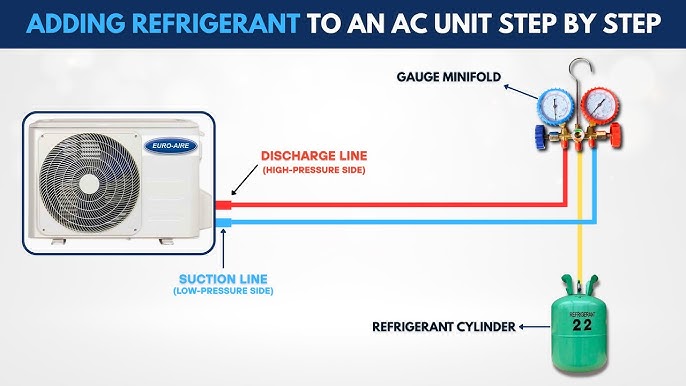
Have you ever wondered which line on your air conditioner is the suction line? Knowing this simple detail can save you time and money when maintaining or troubleshooting your AC unit.
If you’re not sure how to spot it, you might miss important signs of trouble or even cause damage without realizing it. You’ll discover exactly how to identify the suction line quickly and easily. By the end, you’ll feel confident handling your air conditioner like a pro—and avoid costly mistakes.
Keep reading to learn the key signs that point straight to the suction line on your AC.
Role Of Suction Line
The suction linein an air conditioner is a crucial part of the cooling system. It carries the refrigerant gas from the indoor unit back to the compressor. This line is usually larger in diameterthan the discharge line. It is also the cooler pipe, often covered with insulation to stop heat gain. The suction line helps keep the refrigerant at a low pressure and temperature before compression.
Without a properly working suction line, the air conditioner cannot cool effectively. It ensures the refrigerant returns safely to be compressed again. This line must be checked for leaks or damage during maintenance.
Physical Features To Identify
The suction linein an air conditioner is usually larger in diameterthan the liquid line. This is because it carries refrigerant gas back to the compressor at low pressure. The size difference helps in easy identification.
The suction line is often covered with thick insulation. This insulation stops the line from sweating or losing cold. The material of the suction line is usually copper, like other refrigerant lines, but the insulation makes it stand out.
Its locationis another key feature. The suction line runs from the evaporator coilto the compressor. It is the path for the cool refrigerant gas returning to be compressed again.
Visual Differences From Other Lines
The suction lineon an air conditioner carries cool, low-pressure refrigerant gas back to the compressor. It is usually thickerand insulatedto keep the gas cold. The discharge line, by contrast, carries hot, high-pressure gas and is thinner without insulation.
In split systems, the suction line runs from the indoor unit to the outdoor compressor. It is often wrapped in black foam insulation. The discharge line goes from the compressor to the indoor coil and is usually bare metal.
| Feature | Suction Line | Discharge Line |
|---|---|---|
| Size | Thicker | Thinner |
| Insulation | Insulated (black foam) | No insulation |
| Temperature | Cold gas | Hot gas |
| Markings | Sometimes labeled “Suction” or “Low Pressure” | Sometimes labeled “Discharge” or “High Pressure” |

Credit: www.carid.com
Tools To Aid Identification
Pressure gaugeshelp check the pressure inside the AC lines. The suction line usually has lower pressurethan the discharge line. This tool gives a quick way to spot which line is which.
Temperature measurementcan also help. The suction line is often coolerbecause it carries cold gas back to the compressor. A simple infrared thermometer or temperature probe works well.
A manifold gauge setshows both pressure and vacuum readings. It connects to the service ports on the AC unit. This tool clearly shows the suction line by its low pressure and temperaturereadings.
Common Mistakes To Avoid
Many confuse the suction linewith the liquid line. The suction line is usually larger in diameterand carries cool gas back to the compressor. The liquid line is smaller and carries liquid refrigerant.
Insulation is a key clue. The suction line is always insulatedto keep the gas cold. The liquid line has little or no insulation.
System layout helps too. The suction line runs from the evaporator coil to the compressor. The liquid line runs from the condenser to the evaporator.
- Don’t mix up line sizes.
- Look for thick insulation on the suction line.
- Follow the path from the compressor to find the suction line.

Credit: www.callacs.com
Tips For Safe Handling
Proper insulation keeps the suction linecool and prevents moisture buildup. Use thick foam sleeves to cover the line fully. Check insulation often for cracks or wear. Replace damaged insulation quickly to avoid energy loss.
Leaks in the refrigerant can cause poor coolingand damage the system. Avoid bending or stretching the suction line. Tighten all connections but do not overtighten. Watch for oil stains; they may signal leaks.
Call a professional if you notice strange noises or weak cooling. Let experts handle refrigerant to avoid harm. Regular maintenance by a pro keeps your air conditioner running well.

Credit: www.achrnews.com
Frequently Asked Questions
What Is The Suction Line In An Air Conditioner?
The suction line is the larger, insulated pipe carrying cool refrigerant gas back to the compressor. It absorbs heat from indoors.
How To Identify The Suction Line On Ac Units?
Look for the thicker, insulated pipe connected to the outdoor unit’s compressor. It usually has a cold surface.
Why Is The Suction Line Insulated On Air Conditioners?
Insulation prevents heat gain, keeping the refrigerant cool. This improves efficiency and stops condensation from forming.
Can The Suction Line Cause Ac Problems?
Yes, leaks or blockages in the suction line reduce cooling efficiency and may damage the compressor if ignored.
Conclusion
Identifying the suction line is crucial for air conditioner maintenance. It ensures efficiency and longevity. Always look for the larger, insulated pipe. This pipe carries the refrigerant back to the compressor. Regular checks can prevent costly repairs. If unsure, consult a professional for guidance.
Proper understanding aids in better air conditioner care. Keep your system running smoothly by knowing this simple detail. Regularly inspect and maintain your air conditioner. You’ll enjoy a cooler home and peace of mind. Understanding the basics can make a big difference.
Stay informed, and your air conditioner will thank you.