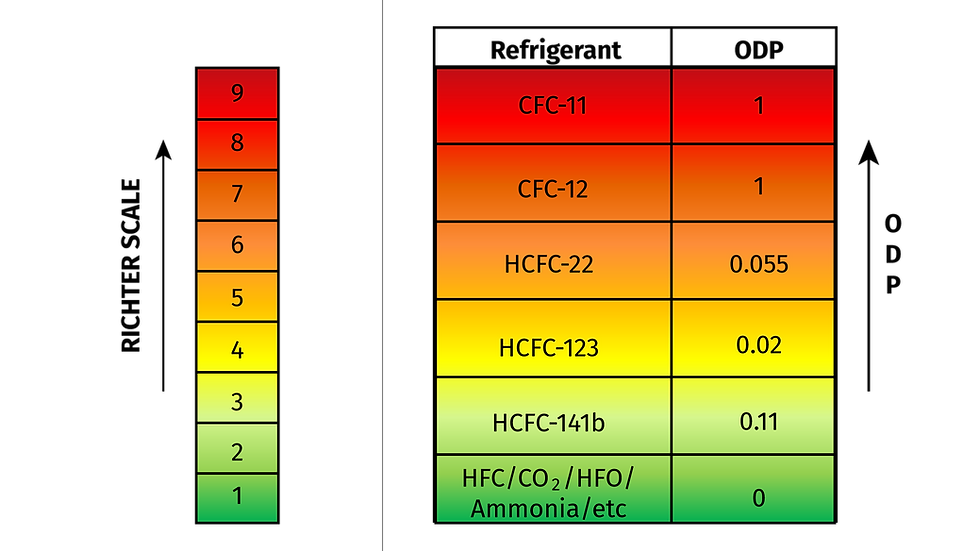
Are you curious about the different types of refrigerants and which ones contain chlorine? Understanding this can help you make safer choices for your home, business, and the environment.
Knowing which refrigerants have chlorine is important because it affects everything from energy efficiency to environmental impact. You’ll discover clear answers that make it easy to understand the role of chlorine in common refrigerants. Keep reading to find out exactly which refrigerants contain chlorine and why it matters to you.

Credit: www.achrnews.com
Common Refrigerants With Chlorine
Many common refrigerants contain chlorine, which plays a key role in their chemical structure and cooling properties. Understanding which refrigerants include chlorine can help you make better choices for your HVAC systems and environmental impact. Let’s look closely at the types of chlorine-containing refrigerants and what that means for your equipment and the planet.
Chlorofluorocarbons (cfcs)
CFCs are among the earliest refrigerants that contain chlorine. They were widely used in air conditioners, refrigerators, and aerosol sprays for decades.
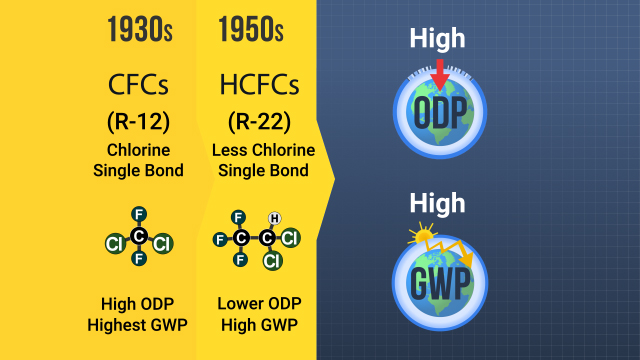
One well-known example is R-12, also called Freon, which helped cool homes and cars effectively. However, CFCs have a high ozone depletion potential because chlorine atoms break down the ozone layer.
Have you ever wondered why older refrigerators are no longer in use? That’s partly due to the environmental damage caused by CFCs, leading to their phase-out in many countries.
Hydrochlorofluorocarbons (hcfcs)
HCFCs were introduced as a less harmful alternative to CFCs but still contain chlorine atoms. R-22 is a common HCFC refrigerant, often found in older air conditioning systems.
Although HCFCs have a lower ozone depletion potential than CFCs, they still contribute to ozone layer damage and global warming. Many governments have set timelines to reduce or eliminate HCFC use.
Using HCFC-based systems today means you should plan for eventual replacement or retrofitting, as these refrigerants are becoming less available.
Environmental Impact Of Chlorine-based Refrigerants
Chlorine in refrigerants is a major factor in ozone layer depletion. When released into the atmosphere, chlorine atoms react with ozone molecules, causing thinning of the ozone layer.
This depletion leads to increased ultraviolet radiation reaching the Earth’s surface, raising risks of skin cancer and environmental harm. Additionally, many chlorine-based refrigerants have high global warming potential, contributing to climate change.
Are you aware of the refrigerants your cooling systems use? Choosing alternatives without chlorine can reduce your environmental footprint and comply with evolving regulations.
Chlorine-free Refrigerant Alternatives
Chlorine-free refrigerant alternatives offer safer and eco-friendly cooling solutions. They avoid harmful chlorine compounds found in some older refrigerants. These options reduce environmental damage and protect the ozone layer. Many industries now prefer chlorine-free choices for refrigeration and air conditioning.
Hydrofluorocarbons (hfcs)
HFCs are synthetic refrigerants without chlorine atoms. They replaced older chlorinated refrigerants like CFCs and HCFCs. HFCs do not harm the ozone layer. Common HFCs include R-134a, R-410A, and R-404A. Despite no chlorine, some HFCs have a high global warming potential. Efforts continue to find lower-impact alternatives.
Natural Refrigerants
Natural refrigerants are chlorine-free and eco-friendly. They come from natural sources like plants or the earth. Examples include ammonia (NH3), carbon dioxide (CO2), and hydrocarbons like propane (R-290). These refrigerants have low global warming potential and zero ozone depletion. They require special handling due to flammability or toxicity.
Benefits Of Chlorine-free Options
- Protect the ozone layer by avoiding chlorine-based chemicals
- Lower environmental impact with less global warming potential
- Comply with international regulations on harmful refrigerants
- Improve system efficiency and reduce energy consumption
- Support sustainable and responsible cooling technologies
Identifying Chlorine In Refrigerants
Identifying chlorine in refrigerants is crucial for environmental safety. Chlorine-containing refrigerants harm the ozone layer. Knowing which refrigerants contain chlorine helps in making eco-friendly choices. This section explores how to identify chlorine in refrigerants.
Reading Chemical Formulas
Understanding chemical formulas helps to spot chlorine. Chlorine is often represented by the symbol ‘Cl’. When you see ‘Cl’ in a refrigerant formula, it contains chlorine. For example, R-12 has CCl₂F₂ in its formula, indicating chlorine presence. Familiarize yourself with these symbols for accurate identification.
Common Refrigerant Codes
Refrigerant codes provide quick information about their composition. Codes starting with ‘R’ followed by numbers are standard. R-11 and R-12 are common chlorine-containing refrigerants. Recognizing these codes helps in identifying chlorine content easily. Keep a list of these codes handy for reference.
Safety And Handling Considerations
Handling refrigerants with chlorine requires caution. They can be harmful to health and the environment. Always wear protective gear when dealing with these substances. Ensure proper ventilation in work areas to minimize exposure. Follow safety guidelines to handle and dispose of them responsibly.
Regulations Affecting Chlorine Refrigerants
Chlorine-containing refrigerants have faced increasing scrutiny due to their environmental impact, especially on the ozone layer. Various regulations now govern their production, use, and disposal. Understanding these rules helps you make informed decisions about which refrigerants to choose for your cooling systems.
Montreal Protocol Impact
The Montreal Protocol is a global agreement aimed at protecting the ozone layer by phasing out substances that deplete it, including many chlorine-containing refrigerants.
This treaty has led to significant reductions in the use of chlorofluorocarbons (CFCs) and hydrochlorofluorocarbons (HCFCs), both of which contain chlorine atoms harmful to ozone.
Because of this, manufacturers and users must comply with strict controls, pushing the industry toward safer alternatives.
Phase-out Timelines
Regulations set clear deadlines for phasing out chlorine-based refrigerants. For instance, many countries stopped producing CFCs years ago and are now working to eliminate HCFCs.
These timelines vary by region but generally require users to transition to non-chlorine refrigerants within a defined period.
Are you aware of your local phase-out schedule? Staying updated ensures compliance and avoids costly penalties.
Global Trends In Refrigerant Use
Worldwide, the shift away from chlorine-containing refrigerants is gaining momentum. Alternatives like hydrofluorocarbons (HFCs) and natural refrigerants are becoming more popular.
However, some HFCs have high global warming potential, so regulators are now encouraging even greener options, such as hydrocarbons and ammonia.
Choosing the right refrigerant today means balancing environmental impact, efficiency, and future regulations. How prepared is your system for these ongoing changes?
Choosing The Right Refrigerant
Choosing the right refrigerant is a crucial decision that impacts system performance, environmental safety, and overall costs. With various options available, it’s important to understand which refrigerants contain chlorine and how that affects your choice. Your decision can influence energy efficiency, compliance with regulations, and even the future of our planet.
Performance Factors
Refrigerants containing chlorine, such as CFCs and HCFCs, often provide reliable cooling performance. However, they may require specific system designs to handle their chemical properties safely. You should consider pressure levels, temperature range, and compatibility with existing equipment.
Think about how your system will operate under different conditions. Are you prioritizing quick cooling or long-term durability? Your choice affects maintenance frequency and overall efficiency.
Environmental Concerns
Chlorine-containing refrigerants are notorious for their ozone-depleting effects. Many countries are phasing out or banning CFCs and HCFCs because they harm the ozone layer. This raises a critical question: is short-term convenience worth long-term environmental damage?
Alternatives like HFCs and natural refrigerants offer lower environmental risks. You need to weigh the impact of your choice on global warming potential and local regulations. What responsibility do you hold in reducing harmful emissions?
Cost And Availability
Chlorine-based refrigerants may be cheaper upfront due to established production lines. Yet, their future availability is uncertain as regulations tighten worldwide. This can lead to price spikes and supply shortages.
Consider the total cost of ownership, including potential retrofitting or replacement expenses. Are you prepared for the financial impact if your refrigerant is phased out? Balancing cost with performance and environmental safety is key to a smart choice.

Credit: www.youtube.com
Credit: www.vectorsolutions.com
Frequently Asked Questions
Which Refrigerants Contain Chlorine Atoms?
Refrigerants like CFCs and HCFCs contain chlorine atoms. Chlorine helps in cooling but harms the ozone layer. Examples include R-12 and R-22.
Why Are Chlorine Refrigerants Harmful To The Environment?
Chlorine in refrigerants breaks down ozone molecules. This depletion increases harmful UV radiation reaching Earth. It causes skin cancer and environmental damage.
Are All Chlorinated Refrigerants Banned Globally?
Many chlorinated refrigerants like CFCs are banned under the Montreal Protocol. However, some HCFCs are still in use but are being phased out gradually.
How To Identify Refrigerants With Chlorine?
Refrigerants with chlorine often have “CFC” or “HCFC” in their names. Check chemical formulas for chlorine (Cl) presence to identify them correctly.
Conclusion
Chlorine in refrigerants affects the environment and safety. Some common refrigerants do contain chlorine, like CFCs and HCFCs. These chemicals can harm the ozone layer. Newer refrigerants often avoid chlorine to reduce damage. Knowing which refrigerants have chlorine helps make better choices.
Choose refrigerants carefully for a cleaner, safer future. Understanding this topic benefits both users and the planet. Keep learning about refrigerants and their impact. Simple steps can lead to big environmental improvements.